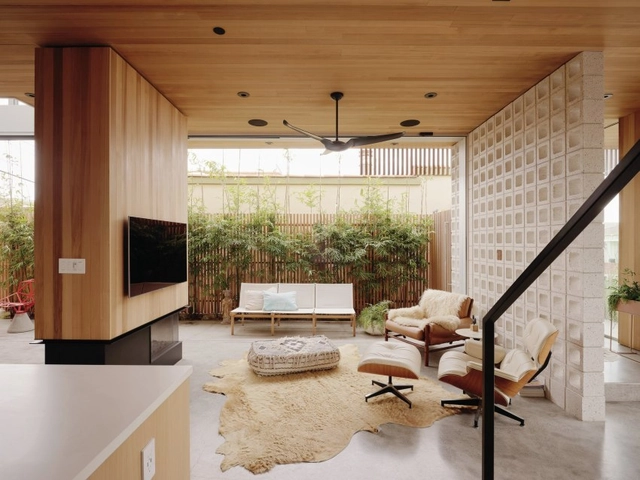
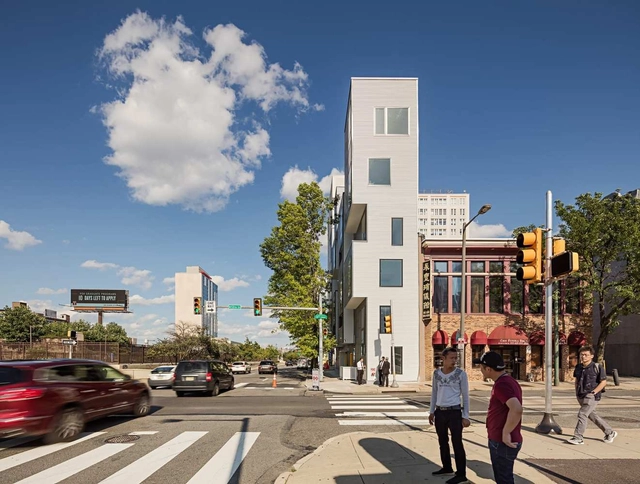
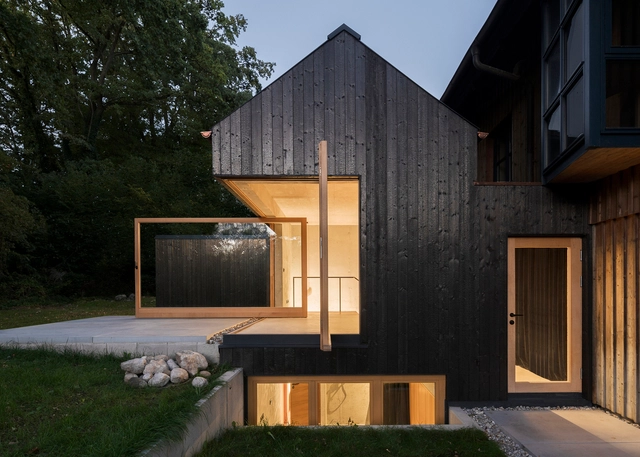
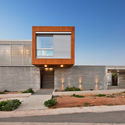
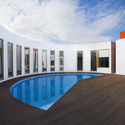
The American Institute of Architects California (AIA CA) has announced the recipients of the 2020 Residential Design Awards. With nearly 100 projects submitted, the jury recognized ten projects with honor, merit and leading edge awards. As AIA California states, the jury took many aspects into consideration, looking for "exceptional design" that represents all that California architecture has to offer.
The American Institute of Architects (AIA) is recognizing seven new residential designs with 2020 Housing Awards. The projects are awarded across single family, production, multifamily and specialized housing. Presented by the AIA Housing and Community Development Knowledge Community, the awards emphasize the importance of good housing as a "necessity of life, a sanctuary for the human spirit, and a valuable national resource."
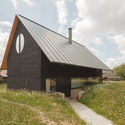
German design has become synonymous with accuracy, efficiency and precision. While the stereotype has roots in geography and local culture, the country's built environment reflects an affinity for structure, privacy and order. Combined with influences across Europe, Germany's contemporary architecture showcases refined forms and an emphasis on craft.
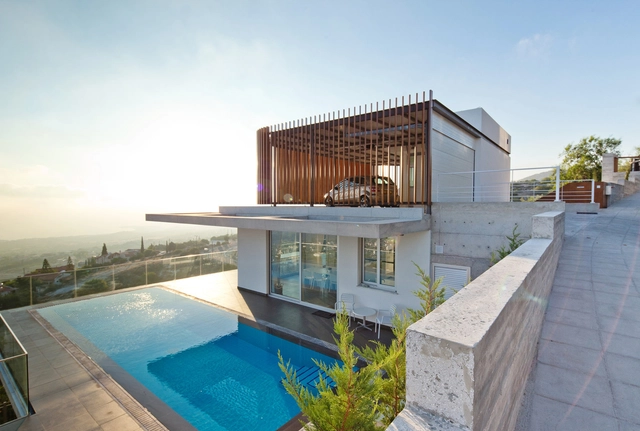
The architecture of Cyprus has been defined by larger geopolitical forces throughout history. Located in the Eastern Mediterranean, the island country is shaped physically and socially by the Cyprus dispute. Dating back to the bronze and iron ages, its architecture has been influenced by the Greeks, Assyrians, Egyptians, Persians, and Romans. Today, new homes are built across the island that reinterpret past building methods and construction techniques.
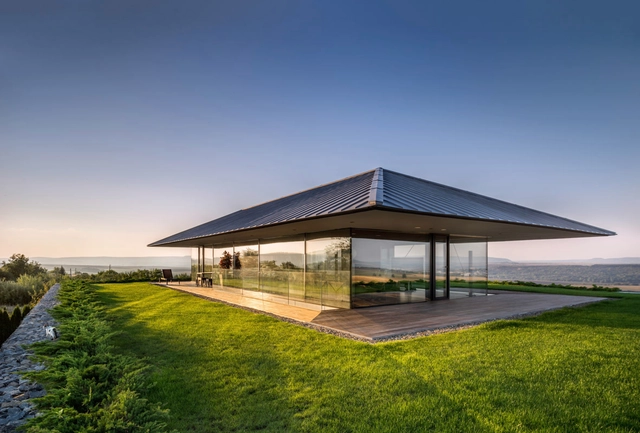
The architecture of the Balkans is rooted in its history and geography. While Bulgaria seemingly goes unnoticed in the region’s design circles, the country’s architecture reflects a larger move towards more modern projects. This is especially true in Bulgaria’s residential architecture, where a range of new single family homes have been built in the last decade.
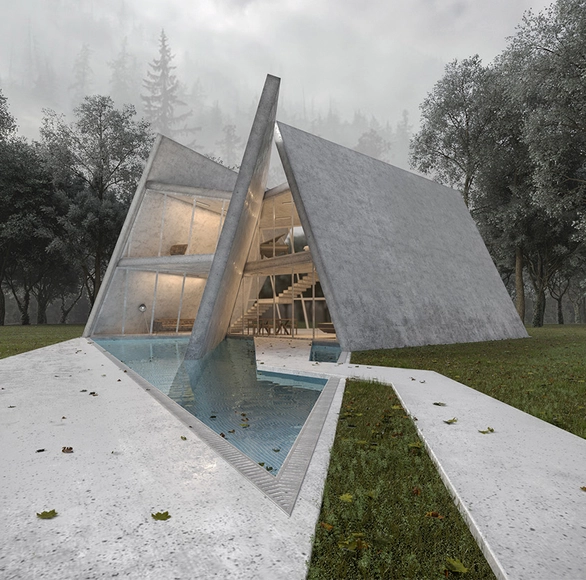
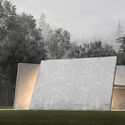
Situated between the Caspian Sea and Si Sangan forest, Iranian firm MADO Architects developed a private residential project dedicated to the clients' specific request of absolute privacy. The Sisangan Villa project focused on the site's layout, referral to typical vernacular architecture, and geometric manipulation to create a dynamic structure of intersecting concrete walls and glass facades.
Mercer released their annual list of the Most Livable Cities in the World last month. The list ranks 231 cities based on factors such as crime rates, sanitation, education and health standards, with Vienna at #1 and Baghdad at #231. There’s always some furor over the results, as there ought to be when a city we love does not make the top 20, or when we see a city rank highly but remember that one time we visited and couldn’t wait to leave.
To be clear, Mercer is a global HR consultancy, and their rankings are meant to serve the multinational corporations that are their clients. The list helps with relocation packages and remuneration for their employees. But a company’s first choice on where to send their workers is not always the same place you’d choose to send yourself to.
And these rankings, calculated as they are, also vary depending on who’s calculating. Monocle publishes their own list, as does The Economist, so the editors at ArchDaily decided to throw our hat in as well. Here we discuss what we think makes cities livable, and what we’d hope to see more of in the future.