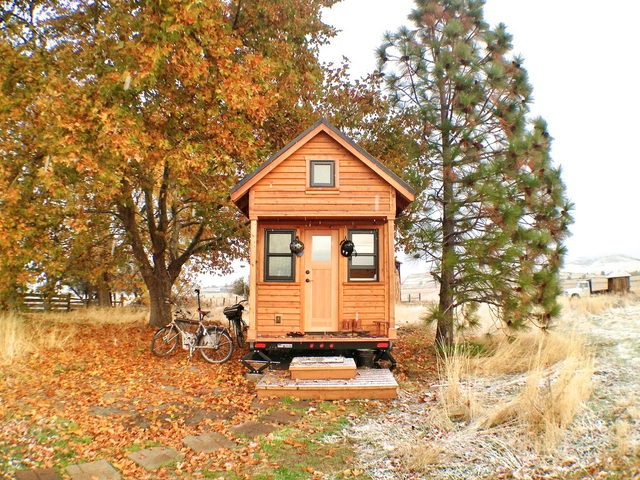
The tiny home trend has been hard to ignore over the last several years. There's an increasingly saturated market of TV shows and Pinterest pictures dedicated to the topic of exploring micro-dwellings where your home is reduced to the size of a walk-in closet and each room takes on a triple-duty programmatic role has only increased its popularity. What looks enticing on reality TV is often much less desirable in real life, and as people continue to long for a lifestyle that frees them of material goods and the ability to travel, what does this mean for the actuality of tiny home construction? Is it just a wanderlust fantasy that no one actually lives and was there ever any promise to its realization in the mainstream world?
Modernist architecture came about in the early 20th century as a response to large-scale changes in technology, construction, and society; particularly through the use of glass, steel, and reinforced concrete. The style was typically associated with the function of buildings from an analytical viewpoint, rational use of materials, the elimination of ornamentation, and openness to structural innovation.
Paul Tunge is a Norwegian writer, director, and cinematographer of Arthouse Films who has been involved in film production since the early 2000s. Having written, directed, shot, and produced four independent films, alongside 3 documentaries, each of his projects has been featured during major film festivals across all continents, in galleries, and various national cinemas and cinematheques.
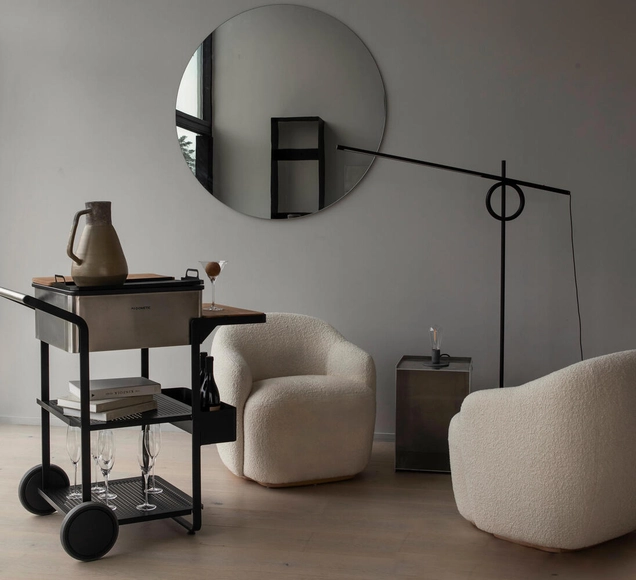
MoBar 50 / Dometic Home. Image Courtesy of Dometic Home
According to a recent survey by spirits industry market analysis firm IWSR, 54% of online buyers of alcohol in the U.S. made their first purchase during the pandemic. Most consumers decided to ‘treat themselves’ to more expensive spirit brands than usual, many opting for the higher shelf bottles in order to finally master the art of home-made cocktails – elaborate, to-be-sipped drinks worthy of the bigger investment. IWSR says that those habits are sticking. Along with them comes the need for an aesthetic plan of attack concerning the display of said pricey bottles: home bar architecture.
With all of the strange residential interior design trends that are making a comeback, conversation pits are probably one that you wouldn’t expect. This well-known 1970s design feature feels both very retro and modern, providing a comfortable place to lounge and a complete escape from the distractions of television and cinema. Instead of a design that supports and enhances a digital connection, having a large area to sit, and quite literally conversate, might be the space that we all need.
New York City is defined by its architecture, and in turn, diverse ways of living. As the nation's "metropolis," it has also faced some of the most challenging housing problems of any American city. From single-family homes to high-rise residential towers, housing has evolved at different paces and scales throughout the boroughs. In turn, each district and county is home to a wide range of residential styles and housing solutions.
New York's residential design culture extends far beyond the Big Apple. The Hudson Valley is a region that stretches along the Hudson River from Westchester County to Albany. Known for its vineyards, orchards and farms, the river valley includes a series of small towns and remote homes. Today, these rural residences are being designed to explore the connections between people, nature and place.
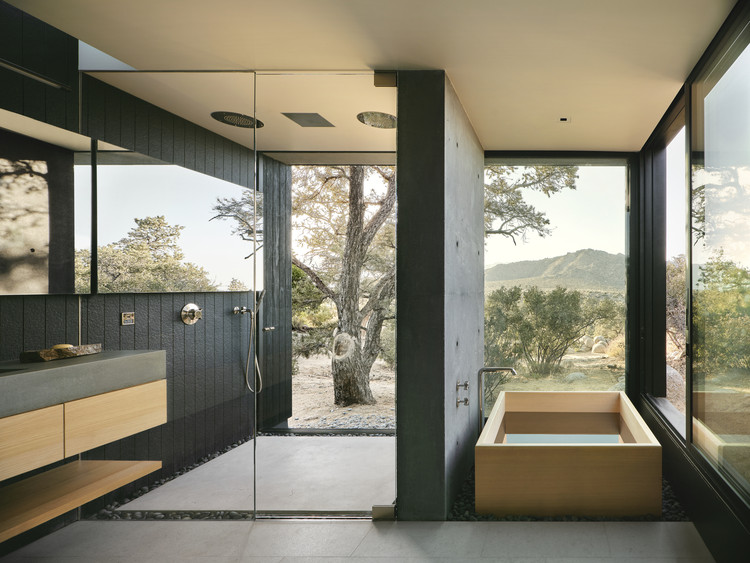
Despite being the smallest rooms of houses, bathrooms have always been one of the most challenging and critical to design, which often left them fairly simplified. The past few years, however, saw these spaces undergo significant change; what was once only limited to functionality, ease of maintenance, and privacy, is now being given a strong character with pops of color, classic fixtures, and patterned surfaces. Similarly for public bathrooms, where "functionality" and "ease of maintenance" are now complimented with aesthetics, technology, and high quality finishing. In this interior focus, we explore the three main bathroom typologies used in residential projects, and look at how architects have employed them through 12 examples.
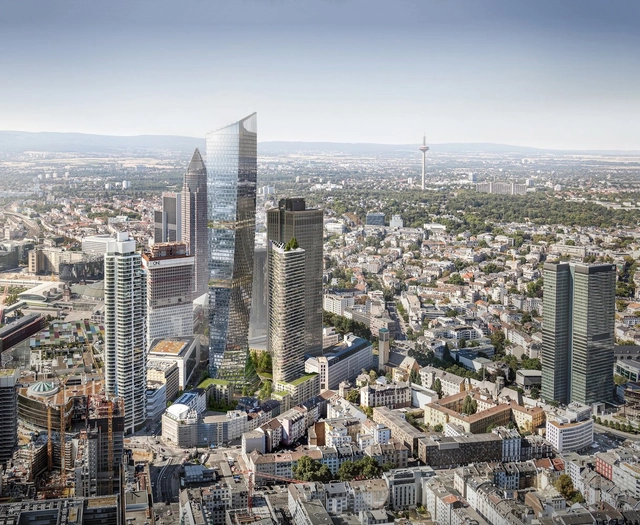
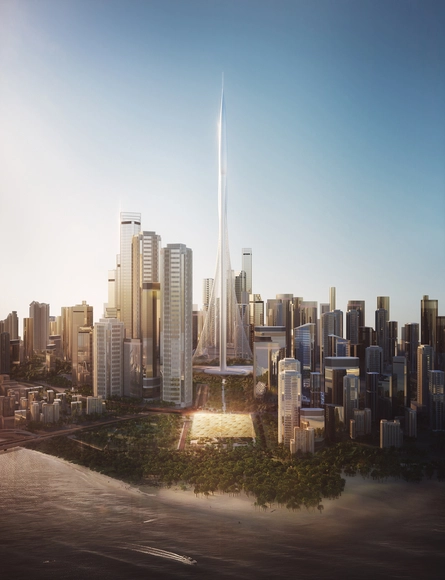
Ferdinand Heide Architekt have been selected to develop a high-rise complex in Frankfurt, Germany, following an international design competition. Titled “Millennium Areal”, the winning proposal features two twisted glass towers with a large public space at the ground level, responding to the particularities of the dense site, which include maximization of green areas and unobstructed views for apartments and offices. The project is expected to be complete in 2030 and upon completion, will be Frankfurt's tallest structure.
Canada’s Queen City has become renowned for its housing boom. As the most populous location in the country, Toronto is also one of the world’s hottest luxury real estate markets. An hub for arts, business, and media, the city is sited on a sloping plateau with a unique ravine system. While it boasts incredible architecture and high-end designs, Toronto risks a housing correction. Rapid increases in home prices, overvaluation, and overbuilding have all attributed to the city’s mounting situation. Amidst these unstable conditions and uncertainty, new residential projects continue to be built.
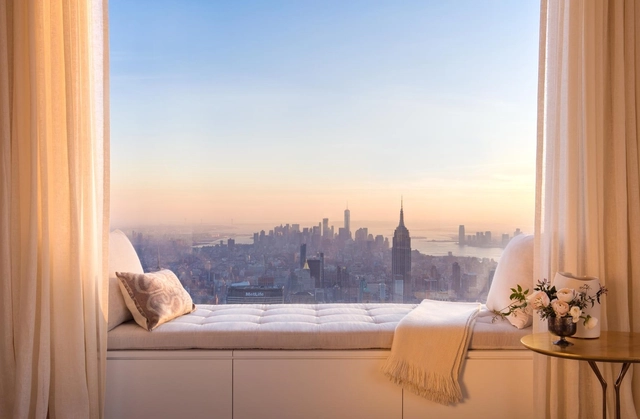
Penthouses embody how form is following finance. As their own sector of the luxury real estate market, these spaces are often reserved for the richest clients and investors. From heiress Marjorie Merriweather Post's iconic 54-room mansion in the sky, to top-floor units in mid-rise developments, penthouse designs have been continuously reimagined to take architecture and interior design to new heights.
Residential design is the most personal architecture. Whether reflecting the lifestyle or character of those who live there, or accommodating space for guests and gathering, homes reflect who we are. This holds especially true for Takashi Yanai, a Partner at Ehrlich Yanai Rhee Chaney Architects that has led the Residential Studio since 2004. With ties to landscape design and a "California Modernist" ethos, Takashi's work also reinterprets Japanese elements and explores what residential design means today.
Casa SB. Image Courtesy of Esrawe Studio by Joel Flores & Emanuel Miramontes
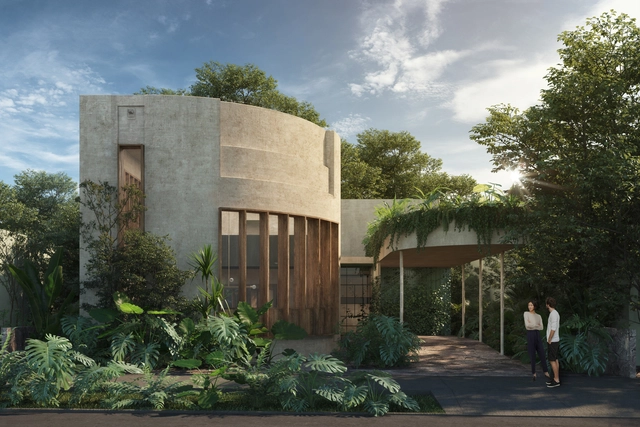
This week’s curated selection of Best Unbuilt Architecture highlights private residential projects submitted by the ArchDaily Community. From cabins in woods to oceanfront villas, this article explores private residential retreats and presents projects submitted to us from all over the world.
Featuring a house nestled in the Swiss forests, a private LA hillside house, and a hidden family house in the Lebanese mountains, this roundup explores how architects have merged landscape and contemporary architecture, and tucked away private residences, giving them the privacy and serenity they need. This round up also includes a collection of houses in Armenia, Mexico, Kenya, and El Salvador, each responding to different contexts, spatial needs, and topographies.
Marc Thorpe Design has unveiled a new home concept along a tributary of the Savannah River in the United States. Sited in the deep south, the "House of Four Gardens" was designed between live oaks and perennial ferns. Access to nature was a central concept throughout the entire home, and each space is defined by the geometry of the structure in plan.
Fauzia Khanani is no stranger to challenging the status quo. Working on a range of projects around the globe, from New York and Zurich to Budapest and Geneva, she continues to rethink the process of design across the built environment. Her firm, Studio For, is pioneering new prototypes for the future of work in a post pandemic era. At the same time, she's working on a number of pro-bono conceptual community-driven projects.
Extreme weather and conditions call for contextual architectural approaches. From sandy deserts to cold, icy climates, how we build is intimately tied to location. Drawing from diverse project sites around the world, architects and designers create proposals that construct and organize new ways to live, work and play. These unbuilt projects rethink traditional forms while addressing a wide range of landscape conditions.
This week’s curated selection of the Best Unbuilt Architecture focuses on diverse typologies in hot and cold climates around the world. Drawn from an array of firms and local contexts, they represent proposals submitted by the ArchDaily Community. They explore everything from generative design through a desert shelter in Siwa and a cave dwelling in China to a coastal development in Spain and a series of igloo habitats for penguins in Antarctica.
Oregon holds some the most varied geography and private developments in the United States. Home to diverse landscapes and architecture, the state is defined by the Cascade mountain range, windswept coastlines, dense forests, and a high desert environment to the east. These varied geographies have shaped the state’s construction techniques and residential design. At the heart of these building efforts are timber and glass homes found throughout the state.
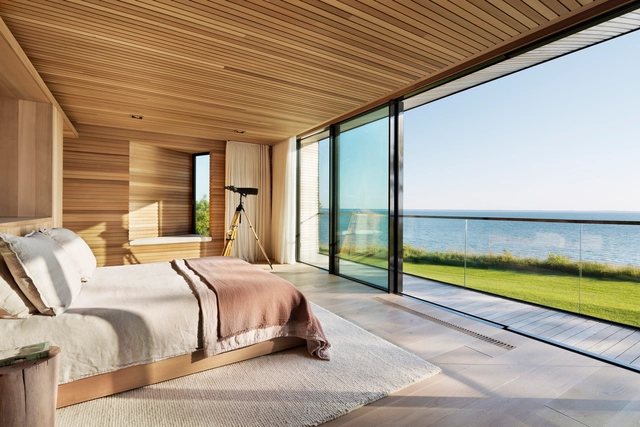
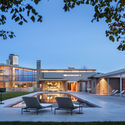
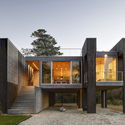
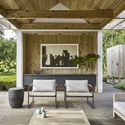
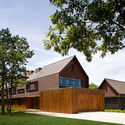
The Hamptons are defined by a storied past. As wealthy New Yorkers were drawn to this part of Long Island’s South Fork for the last century and a half, they increasingly built a series of exclusive and luxurious homes. Today, new residences along the coastline are some of the most expensive properties in the United States. As summer homes and vacation getaways, many of these residences are designed as private retreats surrounded by nature.