-
Architects: Soeda and associates Architects
- Area: 699 m²
- Year: 2014
-
Professionals: Matou Structural Engineers



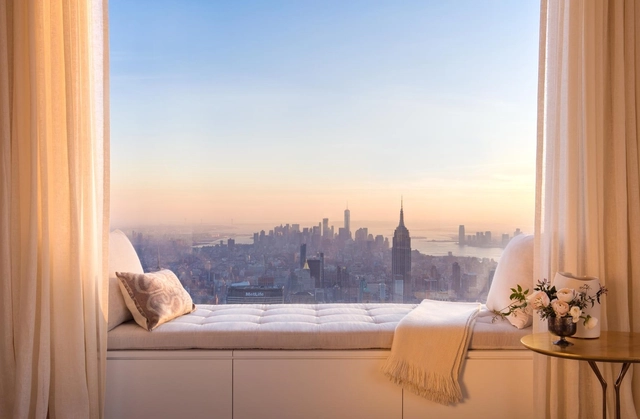
Penthouses embody how form is following finance. As their own sector of the luxury real estate market, these spaces are often reserved for the richest clients and investors. From heiress Marjorie Merriweather Post's iconic 54-room mansion in the sky, to top-floor units in mid-rise developments, penthouse designs have been continuously reimagined to take architecture and interior design to new heights.
After several postponements and numerous challenges, the 17th Venice Architecture Biennale is finally taking place, bringing into focus a diverse array of answers to the question “How will we live together”. The theme gained even more relevance in the context of the pandemic and this year’s edition restates the importance of the Biennale as a platform for inquiry and collective exploration. Archdaily had the opportunity to meet in Venice with the curator of the French Pavilion, architect Christophe Hutin to discuss the thinking behind “Communities at Work” and the immersive experience of the exhibition.
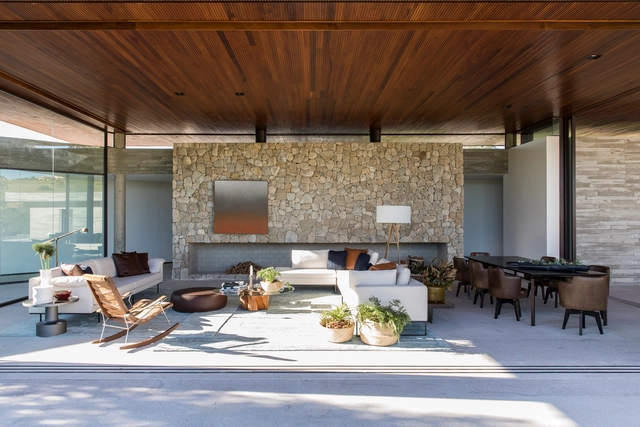
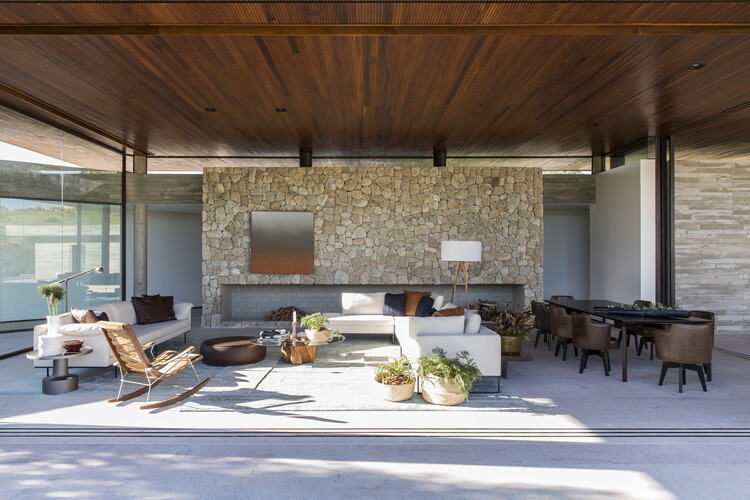
Ancient builders had deep knowledge about environmental conditions and the physical needs of humans in their search for shelter. Regardless of technological advances and the evolution of our perception of the world around us, this kind of knowledge and relationship with our surroundings can still be applied today and adapted to our current context. Natural stone, when used in architecture shows just that, as we explore its many different styles and applications.
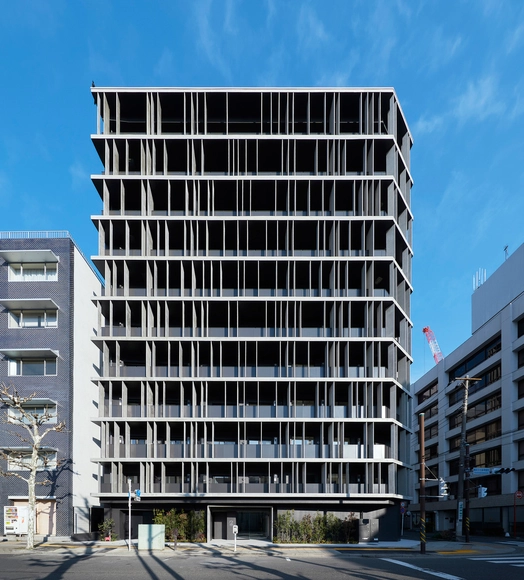
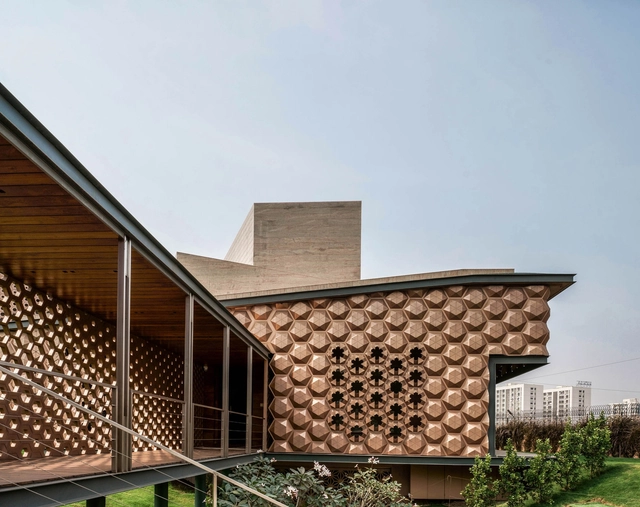
India is rethinking the future of housing through new typologies. Defined by historical and cultural influences, the country's contemporary architecture centers on discussions of how best to modernize. Built over millennia, India's housing projects are made to address diverse scales, programs and functions. Exploring a revitalized urban landscape, these modern housing projects have begun to set a new tone for the future.
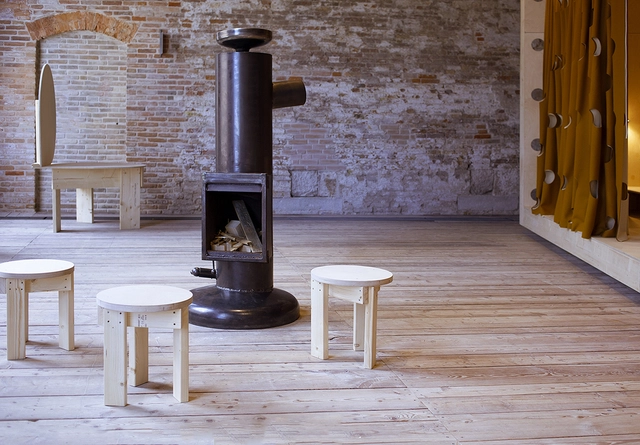
The Luxembourg Pavilion at the 17th Architecture Biennale reflects on how the pandemic has brought a series of dualities to the spotlight, challenging the understanding of the relationships established between architecture and land, interior and exterior, home and work or the built environment and nature. In light of these issues, the exhibition titled Homes for Luxembourg, designed by Sara Noel Costa de Araujo (Studio SNCDA) and featuring contributions to the architecture publication Accattone explores ideas of modular, reversible living while also illustrating a model of repurposing land to build new forms of togetherness.
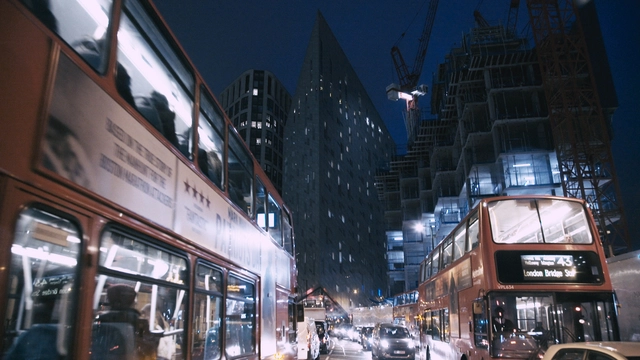
The Architecture Film Festival London, now at its third edition, fosters conversations around architecture, society and the built environment through the medium of film. Along with the International Film Competition, the 2021 programme, debuting on June 2nd and held online, will feature a collection of diverse thematic screenings, essays and events titled "Capsules", which offer a platform to multiple curatorial voices.
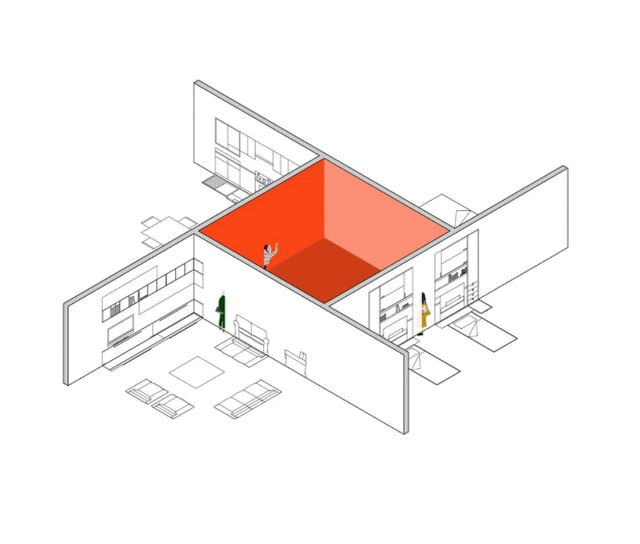
Titled "In Our Home", the Albanian pavilion at the 17th International Architecture Exhibition - La Biennale di Venezia, exhibits the impact knowing one's neighbor has on the built environment. Curated by a team of four architects: Fiona Mali, Irola Andoni, Malvina Ferra, and Rudina Brecani, the pavilion will be on display at Arsenale's Outdoor Arena no.2 from May 22nd until November 21st, 2021.



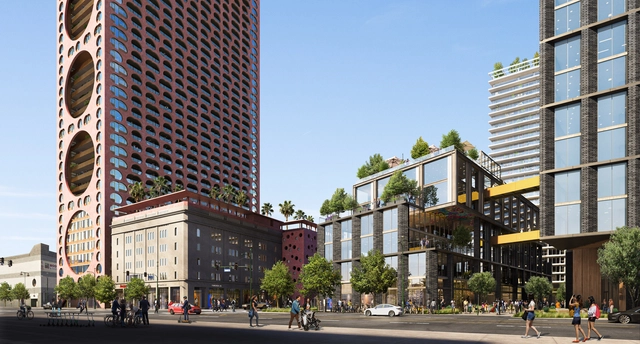
Adjaye Associates and Studio One Eleven, along with Continuum Partners will transform an industrial facility in downtown Los Angeles into a dynamic mixed-use master plan of residential, commercial, hospitality, and retail facilities. Titled Fourth & Central, the project proposes ten buildings, ranging in heights, design, and functions, transforming the area into a pedestrian-oriented community. The project, which is expected to break ground in 2024, will reflect the area's dynamic character with uniquely designed buildings that compliment the neighboring Arts District and Little Tokyo neighborhoods.
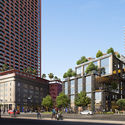

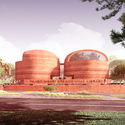
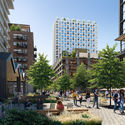

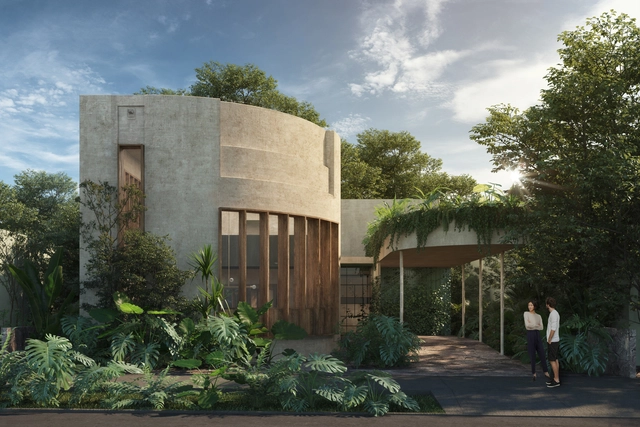
This week’s curated selection of Best Unbuilt Architecture highlights private residential projects submitted by the ArchDaily Community. From cabins in woods to oceanfront villas, this article explores private residential retreats and presents projects submitted to us from all over the world.
Featuring a house nestled in the Swiss forests, a private LA hillside house, and a hidden family house in the Lebanese mountains, this roundup explores how architects have merged landscape and contemporary architecture, and tucked away private residences, giving them the privacy and serenity they need. This round up also includes a collection of houses in Armenia, Mexico, Kenya, and El Salvador, each responding to different contexts, spatial needs, and topographies.
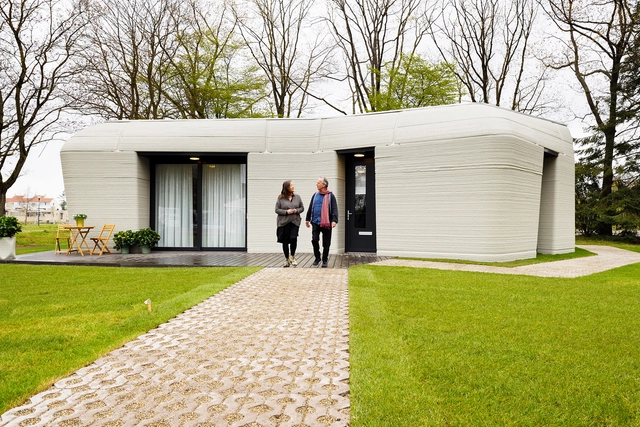
If only a few years ago 3D printing was viewed with a certain suspicion, recent news has shown that it is in fact a viable technology that is here to stay. On April 30, 2021, tenants of the first 3D printed concrete house in the Netherlands received their keys. The house in Eindhoven—the first of five within the 'Milestone Project'—fully complies with all the country's stringent construction requirements.
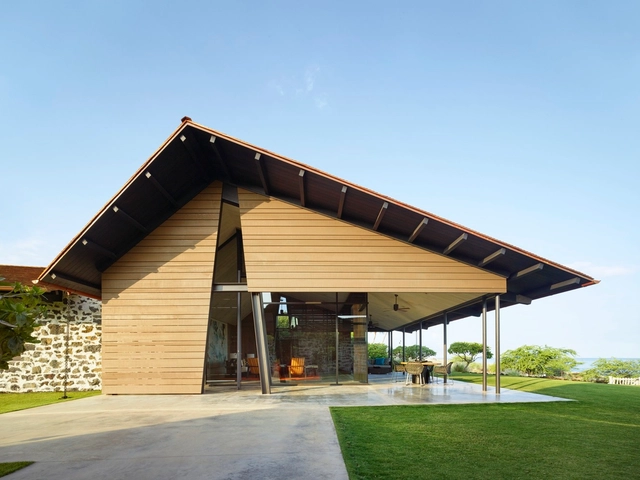
Hawaii has become a place that defines paradise. From pristine beaches and a warm climate to natural scenery and active volcanoes, the islands are home to incredible landscapes and culture. With indigenous and modern building styles, the state’s architecture is intimately tied to the environment. Reinterpreting historic building techniques and traditions, contemporary Hawaiian architecture balances a desire to honor the past while celebrating new experiences and modern culture. This has led to the formation of incredible spaces to live and dwell.
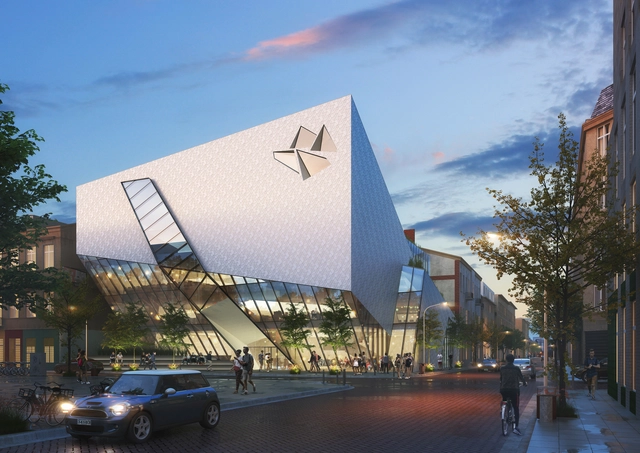
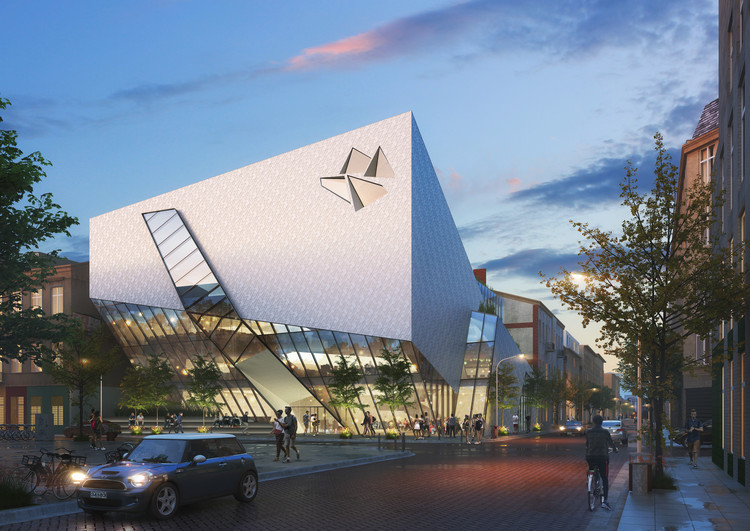
Daniel Libeskind and inLodz21 Institution are designing Nexus21, an urban revitalization project of 21 structures that vary between residential and commercial buildings to urban spaces. The new cultural hub is located in particular neighborhoods to promote the creativity and innovation that lies in the city, such as architecture, textiles, fashion, and film, which are all part of its heritage. The master plan will also work on the spaces in between the revived structures, creating a vibrant nexus between the old and the new, while adding value to the historic neighborhoods of Łódź, Poland.