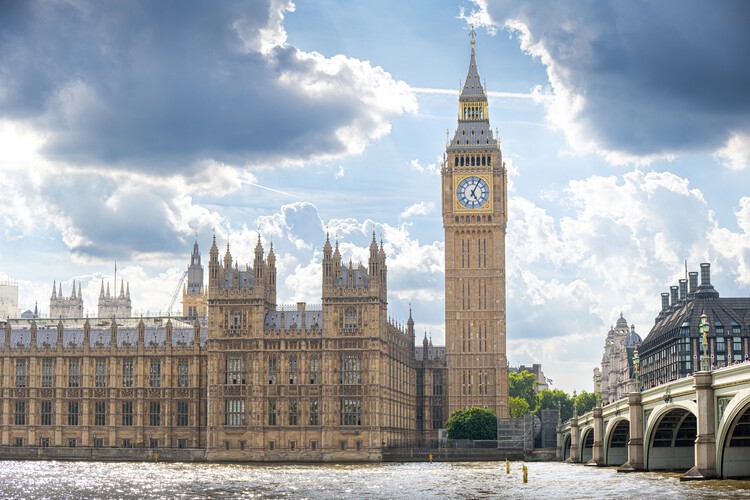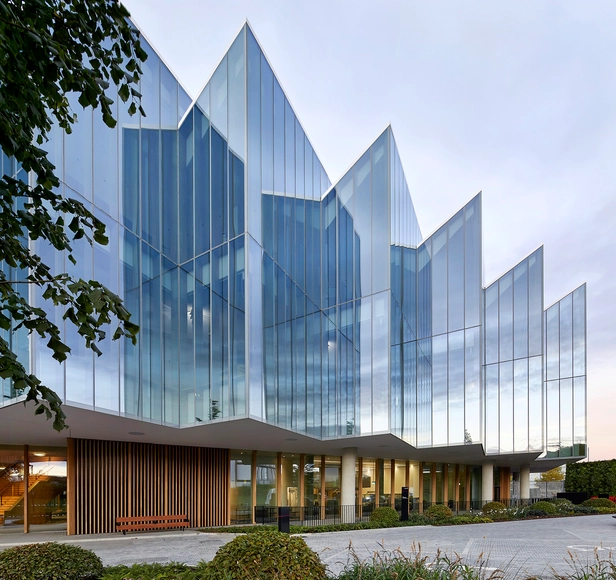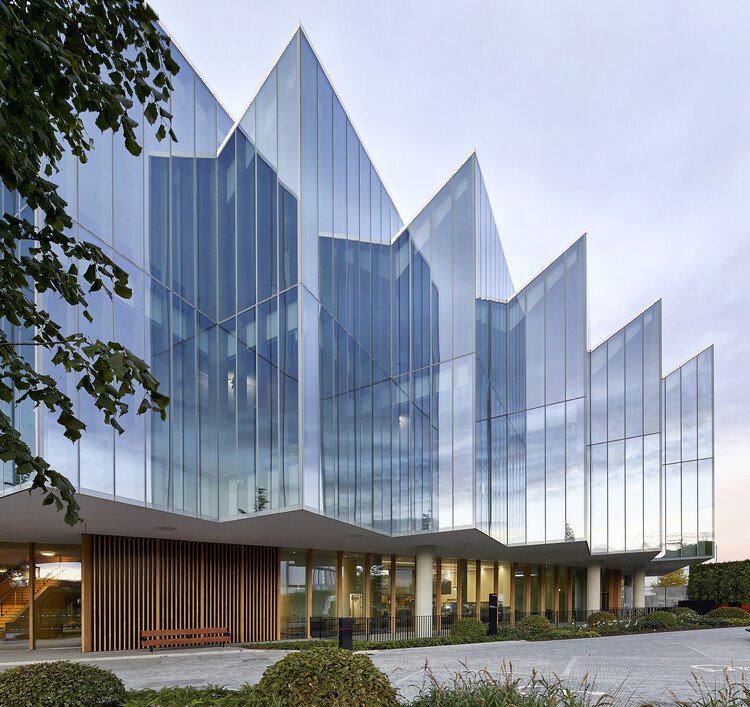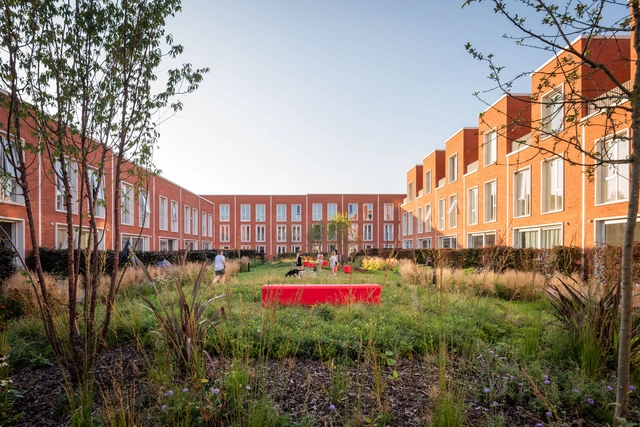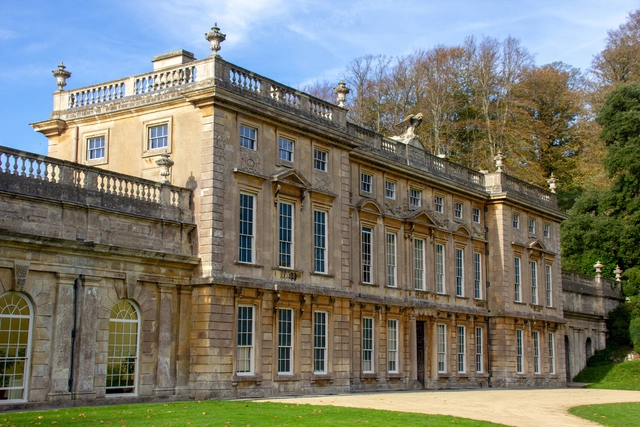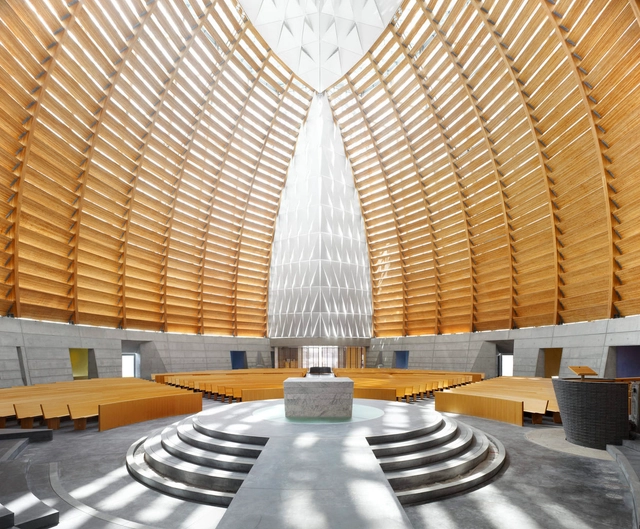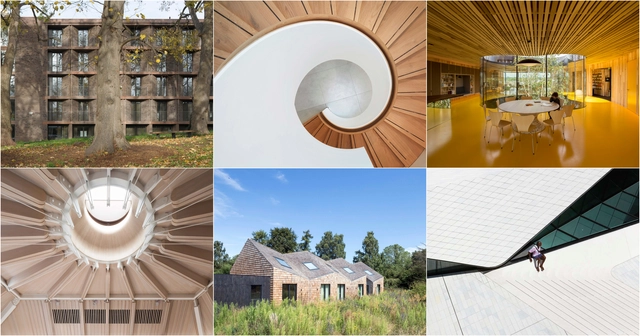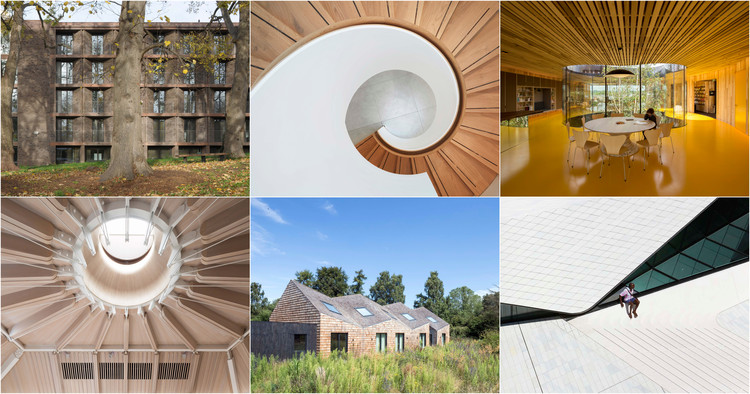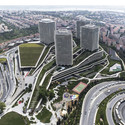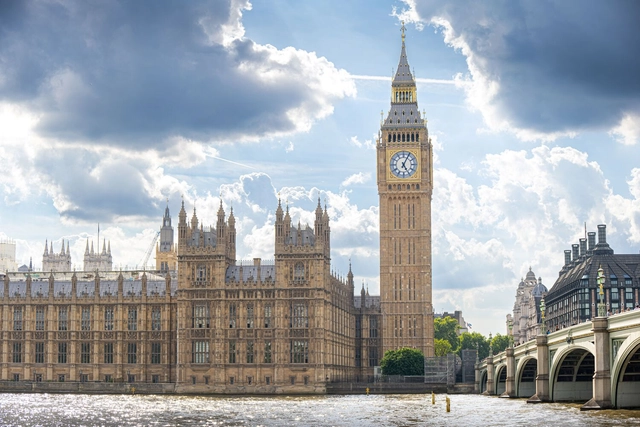
The Royal Institute of British Architects (RIBA) has revealed the six shortlisted projects for the 2025 RIBA Stirling Prize. Since its establishment in 1996, the prize has recognized works that respond to contemporary challenges while shaping more inclusive futures. This year's shortlist spans a diverse range of scales and programs, including the restoration of one of the nation's most iconic landmarks, a pioneering medical research facility, a contemporary almshouse designed to reduce isolation among older residents, a university's "factory for fashion," a fully accessible home, and a creative house extension. The winner of the award will be announced live at the Stirling Prize ceremony on 16 October in the Roundhouse, London.
The Royal Institute of British Architects (RIBA) has announced the 20 winners of the 2025 RIBA National Awards, recognising the most significant contributions to architecture across the UK. Presented annually since 1966, the awards celebrate design excellence and provide a valuable snapshot of evolving architectural, cultural, and social trends. This year's winning projects span the length and breadth of the country, from the Isle of Wight to Scotland and Northern Ireland, and represent a wide range of typologies and scales, from major institutional buildings to small-scale residential and community-focused interventions.
The Royal Institute of British Architects (RIBA) has revealed the six shortlisted projects for the 2024 RIBA Stirling Prize. Awarded annually since 1996, this represents one the most important architecture prizes in the United Kingdom, striving to reward and highlight projects that envision a more inclusive future and engage actively with current challenges of the built environment. The selected works range in scale and program, from a national art gallery to an inclusive rural retreat, major urban regeneration projects, and even a London underground line. While some of the selected architects have received previous awards, including Mikhail Riches for the Goldsmith Street in 2019 and Jamie Fobert for New Tate St Ives in 2018, other architects such as Clementine Blakemore Architects and Al-Jawad Pike are at their first nomination.
The Royal Institute of British Architects (RIBA) has announced the 30 winners of the 2023 RIBA National Awards for Architecture, providing an insight into the country’s architecture, design, and social trends. Among the key themes observed this year, the need to rebuild communities and to find sustainable ways of practicing stand out as the main concerns of the participant architects. The response to these themes is varied, ranging from buildings that aim to offer opportunities for collaboration for students to creating stimulating social spaces for the elderly or providing creative programs at a neighborhood scale. All the projects selected have been in use for at least one year and have provided data regarding their environmental performance. Examples of sustainable design include both new buildings, following the Passivhaus certification, and renovation of existing structures.
In June 2020, the statue of 17th-century slave trader Edward Colston was toppled in the southwestern city of Bristol in England. Before this, the statue sat on a plinth in a prominent public park, before being hauled into Bristol Harbour by Black Lives Matter protestors. This act has led to a long-overdue reckoning in the UK and other Western nations, a reckoning that has necessitated a deeper analysis of monuments that line cities, and how deeply imperialism can be interlinked with parts of the built environment. The ever-green question is, what do we do with these buildings?
Architecture has long been designed to symbolize and venerate shared values and beliefs. This is especially true in cathedrals and places of worship, structures that exists across environmental, economic and cultural boundaries. These buildings encompass ritual and gathering as they explore the relationship between human experience and the divine. Today, cathedrals are being reimagined for contemporary life and new building traditions.
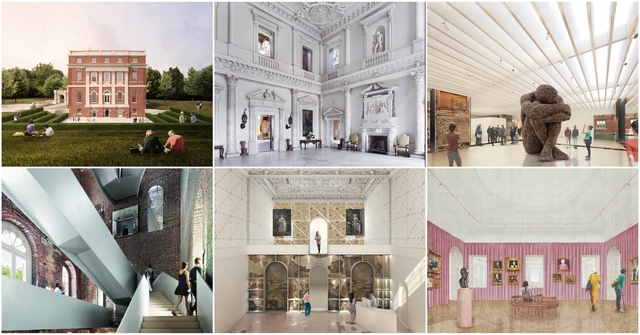
Six teams have been shortlisted in a competition to restore and renovate the historic Clandon Park mansion in the county of Surrey, England, after the National Park property received heavy damage from a fire in 2015.
Organized by Malcolm Reading Consultants, the competition tasked teams with restoring and updating the interiors of the 18th-century Palladian house, as well as designing new flexible event spaces and visitor facilities within the existing building footprint.
Hanover Terrace, London (designed by Sir John Nash) of which Hirst owns a portion
Damien Hirst has outgrown his 14-bedroom, nineteenth century London home. As reported by Hyperallergic, Hirst is in the process of enlarging his villa – downwards. In the spirit of the London 'super-basement' trend, for which the Royal Boroughs of Kensington and Chelsea first took opposition to in 2014, the Turner Prize-winning artist's plans appear to be some of the most ambitious yet. The proposed subterranean warren of rooms—including a sauna, a steam room, a cargo elevator leading to a double height "art room", and an 82-foot long swimming pool—will all be excavated from his half-acre back garden. Although the plans have faced local opposition the artist's "lair", designed by Purcell, is now set for construction.
Architects’ Journal has released the shortlist of their annual Women in Architecture awards, naming 17 established and emerging practitioners who have raised the profile of women architects “in a sector where women still face an alarming degree of discrimination.” In honor of their selection, the nominees have shared their advice for aspiring female architects.
See who was shortlisted and find out what they believe takes for women to succeed in the profession of architecture, after the break.
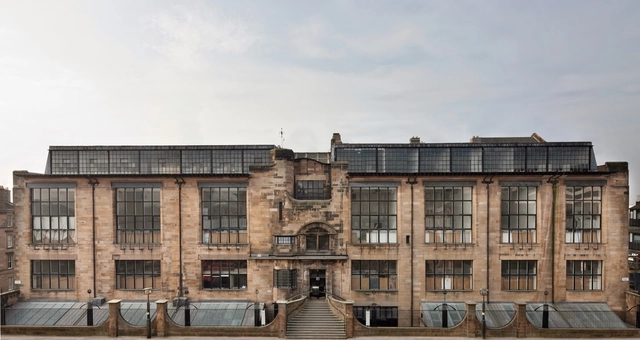
Five practices are the running to restore Charles Rennie Mackintosh's celebrated school of art in Glasgow. UK based John McAslan + Partners (who restored Mackintosh's last major commission), Scottish practice Page \ Park, and London and Hong-Kong based architects Purcell are all in the frame to lead the restoration of the Mackintosh Building amid a debate over how best to approach the rebuilding of the library and the areas of the building that were devastated by fire in May of last year. The selection of Avanti Architects and LDN Architects complete the rostra.