Public Facilities: The Latest Architecture and News
BIG Unveils Design for Miami Beach Convention Center

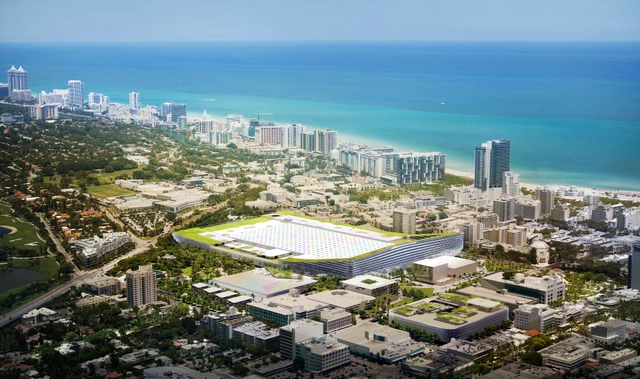
BIG has collaborated with West 8, Fentress, JPA and developers Portman CMC to challenge an OMA- and South Beach ACE-lead team in the 52-acre Miami Beach Convention Center overhaul. With a mission to “bring Miami Beach back to the Convention Center,” BIG’s newly unveiled proposal aims to transform the “dead black hole of asphalt in the heart of one of the most beautiful and lively cities in America” into an archipelago of urban oases made up of paths, plazas, parks and gardens, which will all lead to the heart of the plan: the Miami Beach Square. This tropical centerpiece will become the front door to the convention center and the convention hotel, as well as the front lawn to a revitalized Jackie Gleason Theatre, a town square for the city hall, an outdoor arena for the Latin American Cultural Museum, and the red carpet for the big botanical ball room.
“We have devised a strategy that combines urban planning and landscape design to create a neighborhood characterized by human scale, pedestrian connections, shaded spaces with public oriented programs lining the streets and squares. A neighborhood that, depending on the season, the weekday, or even the time of day can be perceived as a lively downtown neighborhood or an inviting public park.” Bjarke Ingels, Creative Director BIG
More images and the teams description after the break...
Square de l'Accueil Winning Proposal / ARJM

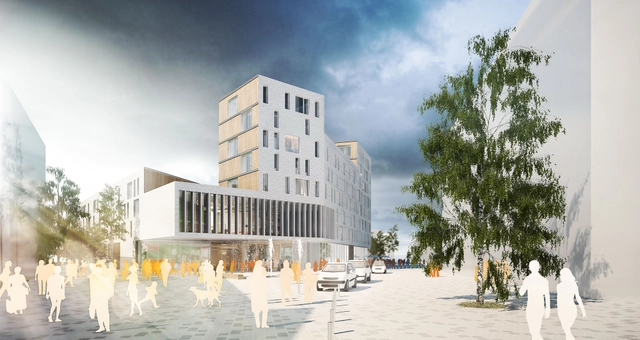
ARJM, in collaboration with SUM, recently won the competition for their project, "Square de l'Accueil" (Welcoming Square), which includes a public square of 10,000 m2, 53 flats, a school, commercial spaces and underground parking. Located in a neighborhood at a strategic entry point towards Evere, one of Brussels communes, the project itself includes all the components of the city at a smaller scale. More images and architects’ description after the break.
Market Hall in Ghent / Marie-José Van Hee + Robbrecht & Daem, by Hufton + Crow

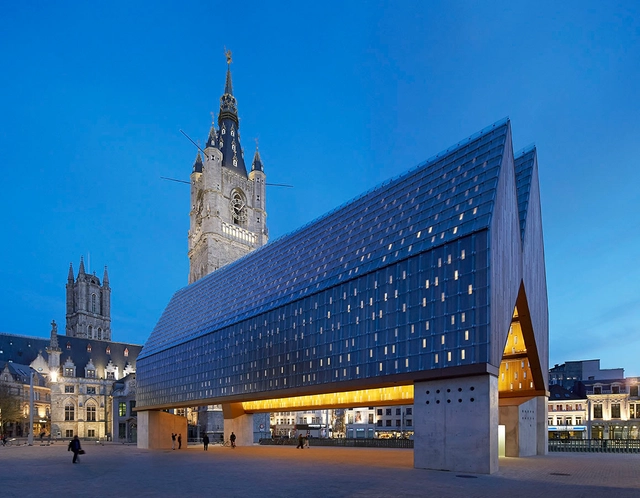
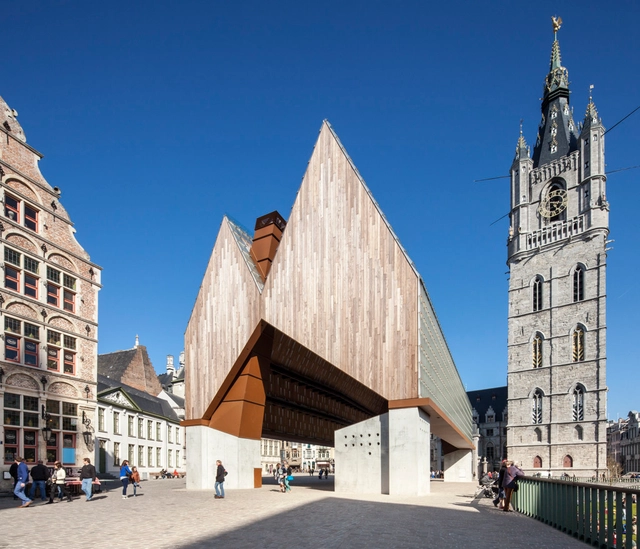
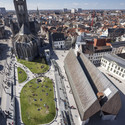
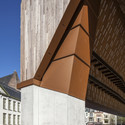
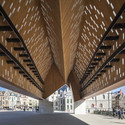
The Marie-José Van Hee + Robbrecht & Daem designed Market Hall in Ghent reinstates the presence of old urban areas that had become unrecognizable. As an urban interior, the inside embraces the passer-by with a dual modulated wooden ceiling, whose small windows scatter light inwards. The exterior, the entire building in fact, seems to assume a respectful role relative to the nobler historic stone buildings.
We have previously brought you images of the project, but these latest images by Hufton + Crow truly capture the experience and highlight the project's materials and principles. A complete gallery of their photos can be viewed after the break.
Market Hall in Ghent / Marie-José Van Hee + Robbrecht & Daem

-
Architects: Marie-José Van Hee, Robbrecht & Daem
- Year: 2012
-
Professionals: Wirtz International, BAS, Studiebureau Boydens, Technum
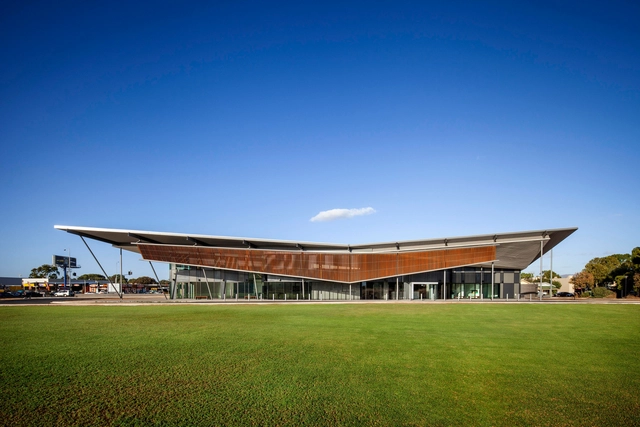
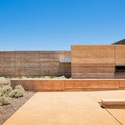
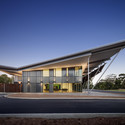
Thebarton Community Centre / MPH Architects

-
Architects: MPH Architects
- Area: 2898 m²
- Year: 2013
-
Professionals: CPR Consulting Engineers, Lucid Consulting
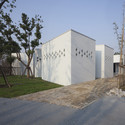
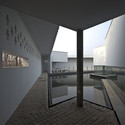
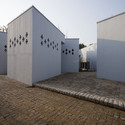
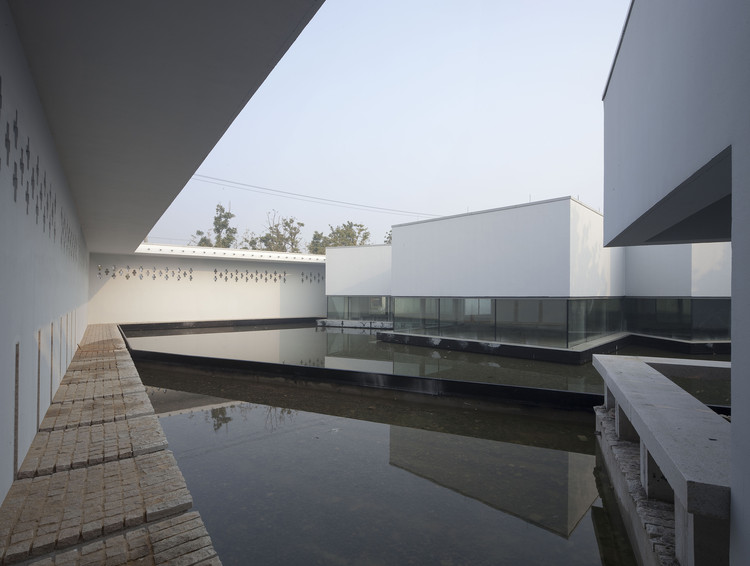
Community Pavilion at Jintao Village / Scenic Architecture

-
Architects: Scenic Architecture Office
- Year: 2010
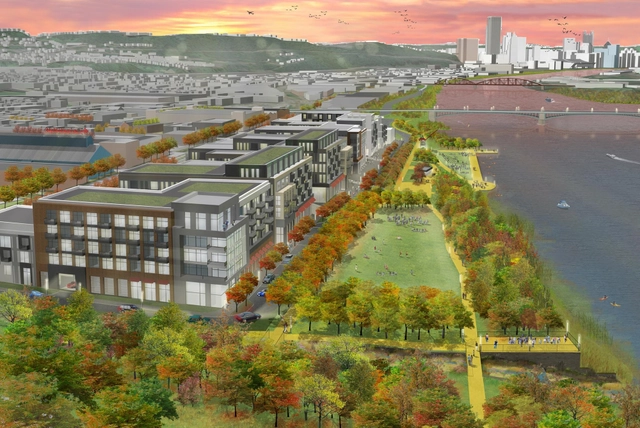
Plan Envisages Reusing Pittsburghs Industrial Past to Bring The City Closer Together

With the advent of the High Line and the recent announcement about Chicago's Bloomingdale Trail, it's becoming clear that the 'parkway' is a powerful new force in urban planning, which has the potential to change the way cities around the world function. A new project in Pittsburgh seeks to harness these possibilities, as the city's history of industry has left its stamp upon the city in the form of a rusting industrial riverfront. A plan by Saski Associates envisages re-using this space to create a green belt, tying the city closer together. By adding pedestrian, cycling and light-rail transport routes, and creating plenty of green spaces, they hope to tap Pittsburgh's unrealized potential to be a river-front city, while encouraging geographical and social closeness amongst its communities.
More images and the architect’s description after the break…
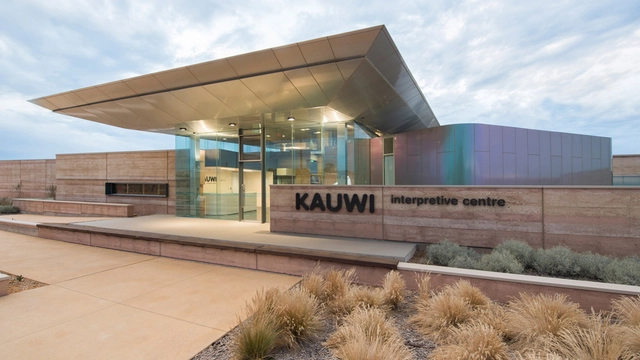
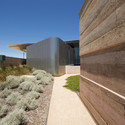
Kauwi Interpretive Centre / Woodhead

-
Architects: Woodhead
- Area: 800 m²
- Year: 2012
-
Professionals: Adelaide Aqua Building Alliance, SMEC Landscape
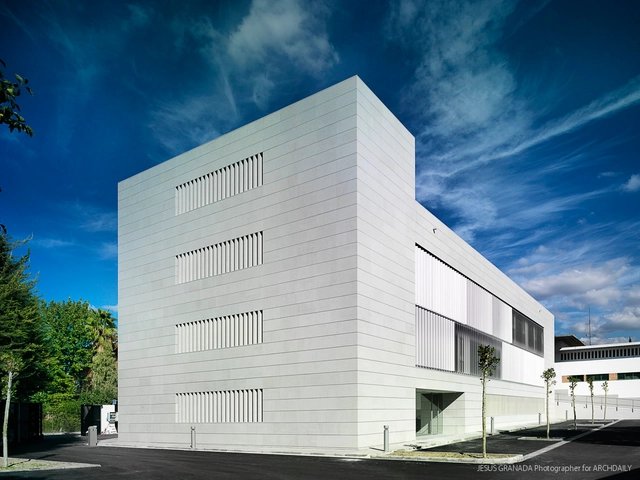
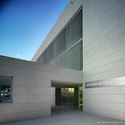
Police Headquarters / Juan Alberto Morillas Martín

-
Architects: Juan Alberto Morillas Martín
- Area: 2751 m²
- Year: 2010
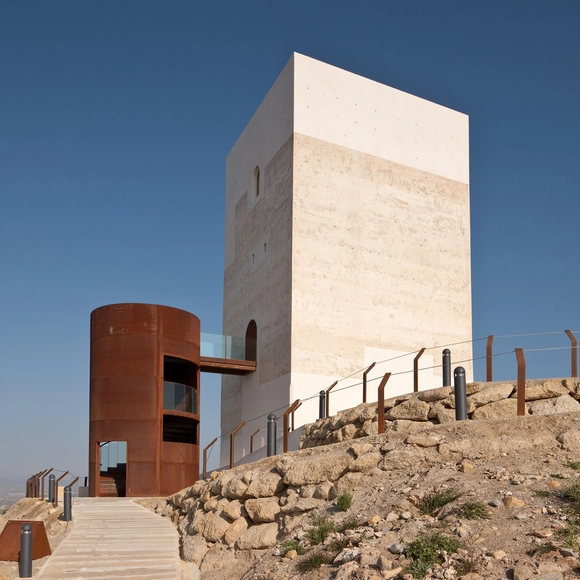
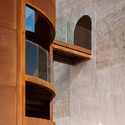
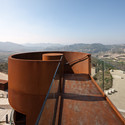
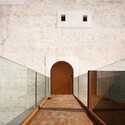
Tower Restoration in Huercal-Overa / Castillo Miras Arquitectos

-
Architects: Castillo Miras Arquitectos
- Area: 3483 m²
- Year: 2010
-
Professionals: Costrucciones J.Lorenzo S.L., Entorno y Vegetacion S.A, Satec Ingenieros s.l., Lledo S.L.
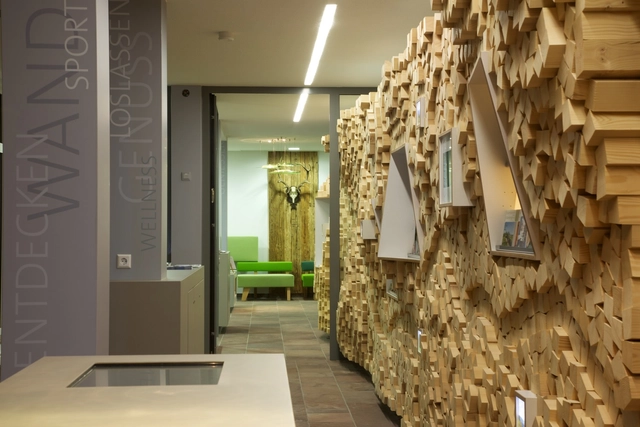
Tourist Information Baiersbronn / PARTNERUNDPARTNER architekten

-
Architects: partnerundpartner-architekten
- Area: 160 m²
- Year: 2013
Herzog & de Meuron Breaks Ground on Public "Bathing Lake" in Riehen

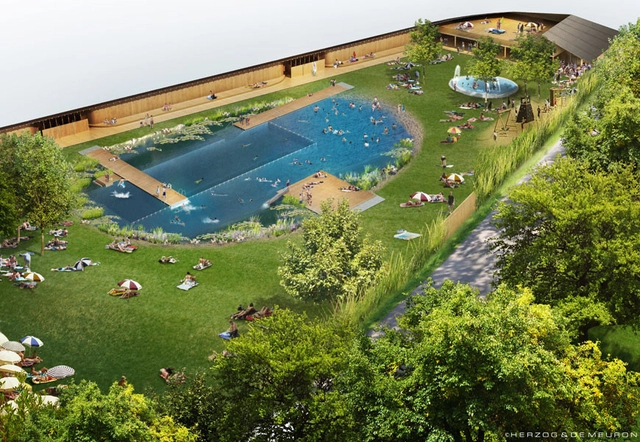
In 1979, just a year after founding their practice, Herzog & de Meuron won a competition to design a public swimming pool for the Swiss municipality of Riehen. After developing several unrealized iterations over the following years, the project was put on hold indefinitely in 1982. Twenty-five years later, in 2007, Herzog & de Meuron were commissioned to rethink the project and proposed to abandon the conventional pool concept with its mechanical and chemical water treatment systems in favor of a pool closer to natural condition with biological filtration.
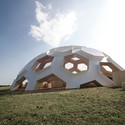
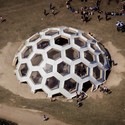
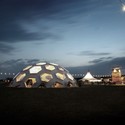
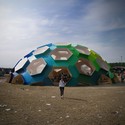
Roskilde Dome 2012 / Kristoffer Tejlgaard

-
Architects: Kristoffer Tejlgaard
- Area: 148 m²
- Year: 2011
Municipal Leisure Center In Tordesillas / ENTREARQUITECTURA

-
Architects: ENTREARQUITECTURA
- Area: 56825 m²
- Year: 2010
The Pier / Kavakava Architects

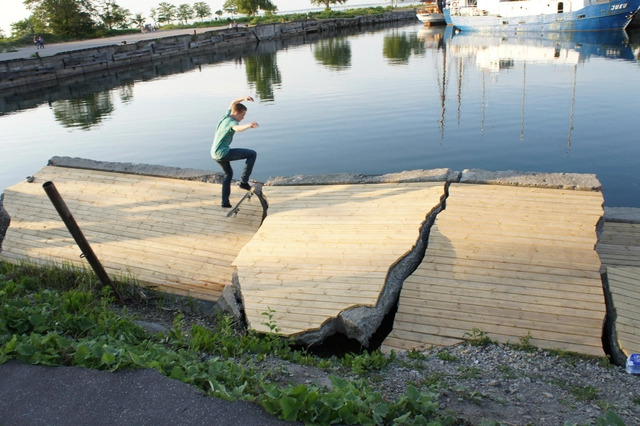
Pier was part of the "lift 11" urban installations festival (www.lift11.ee). The aim of the installation was to encourage temporary uses and bring out beauty of decaying place.
The Lotus Courtyard / TM Studio
Great Fen Visiting Center Competition Entry / Alexandros Avlonitis + Aggeliki Anagnostopoulou

Designed by Alexandros Avlonitis + Aggeliki Anagnostopoulou, their proposal for the Great Fen Visiting Center is derived by the observation of the natural environment of the site and its manipulation by he human factor. The concept is based on an attempt to mimic a very common phenomenon of agricultural terrains: the stacking of blocks of hay, and their impulsive installation in the middle of endless fields. Therefore, the new Great Fen Visitor Center becomes not a building, but a stack of volumes placed in the landscape. More images and architects' description after the break.