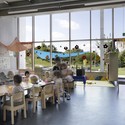
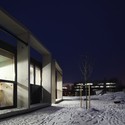
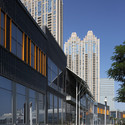
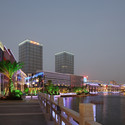
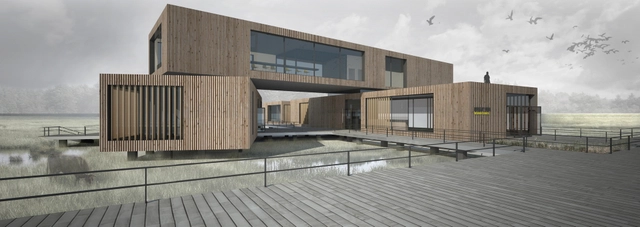
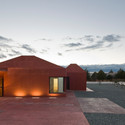
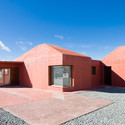
Designed by Alexandros Avlonitis + Aggeliki Anagnostopoulou, their proposal for the Great Fen Visiting Center is derived by the observation of the natural environment of the site and its manipulation by he human factor. The concept is based on an attempt to mimic a very common phenomenon of agricultural terrains: the stacking of blocks of hay, and their impulsive installation in the middle of endless fields. Therefore, the new Great Fen Visitor Center becomes not a building, but a stack of volumes placed in the landscape. More images and architects' description after the break.
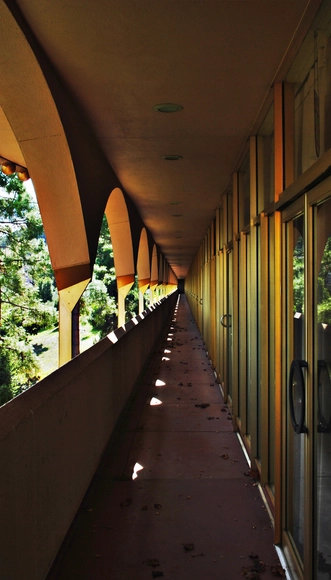
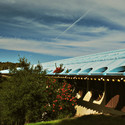
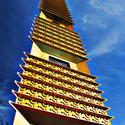
The Marin County Civic Center was Frank Lloyd Wright's last commission and largest public project, including several civic functions that would serve Marin County and San Francisco, which after the opening of the Golden Gate Bridge became closer than ever. Wright was selected for the project in 1957, winning a vote out of hope he would be able to best represent a democratic government open to the people through the Civic Center.
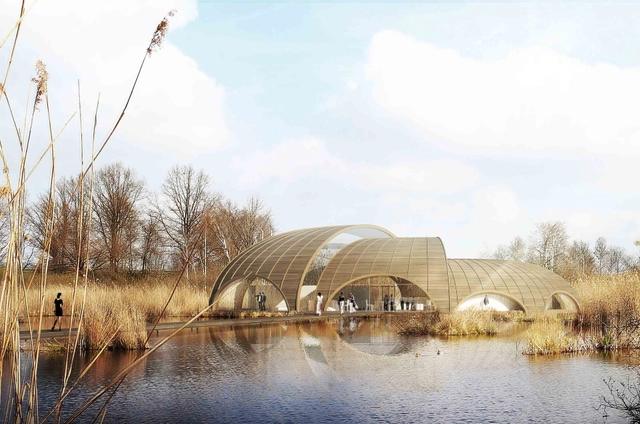
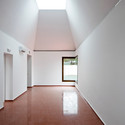
Atelier CMJNshared with us their proposal for the Great Fen Visiting Center which aims at reconnecting humans with nature. In terms of sustainable development, or in the broader term ecology, is the reconnection of humans with their environment by restoring links between the users and the fen. By maximizing one’s chances to connect to this raw and simply beautiful environment, the project intends to not just restore a piece of anthropogenic nature, but reconnect mankind with its deepest self, nature. More images and architects’ description after the break.
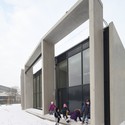
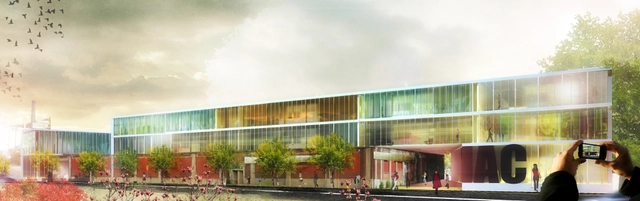
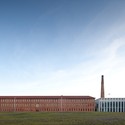
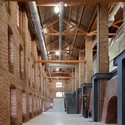
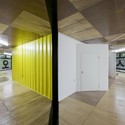
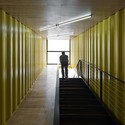
The proposal for the Industrial Arts Center by Stefano Corbo Studio pursues a double challenge: from one hand, to re-activate and reconvert the existing building through new functions and a contemporary language; from the other hand, to focus attention on the public character of the intervention, in order to allow citizens to gather and share the activities of the Art Center during the day, according to the prescriptions of the Brewery District. More images and architects’ description after the break.





.jpg?1413924151&format=webp&width=640&height=580)
.jpg?1413924162 "Courtesy of Atelier cnS")
.jpg?1413924167 "Courtesy of Atelier cnS")
.jpg?1413924172 "Courtesy of Atelier cnS")
.jpg?1413924177 "Courtesy of Atelier cnS")
.jpg?1413924151)