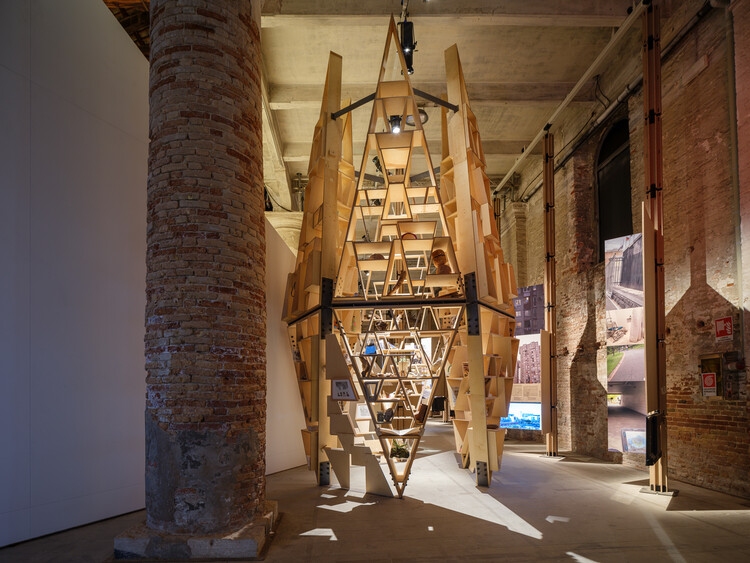
The 2026 Oslo Architecture Triennale will take place from September 17 to October 1 at Sofienberg Church in Oslo, bringing together more than 30 international architecture projects around the question "What if Nature Comes First?" For its ninth edition, the Triennale will adopt a two-week festival format, combining an exhibition with conferences, seminars, workshops, film screenings and guided walks. Curated by Line Ramstad, the programme will examine how placing nature at the starting point of architectural decision-making could influence what is built, preserved, transformed or left untouched.
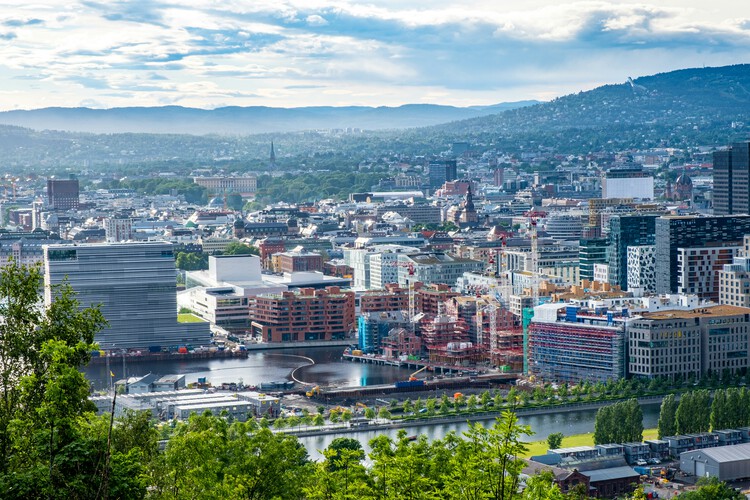
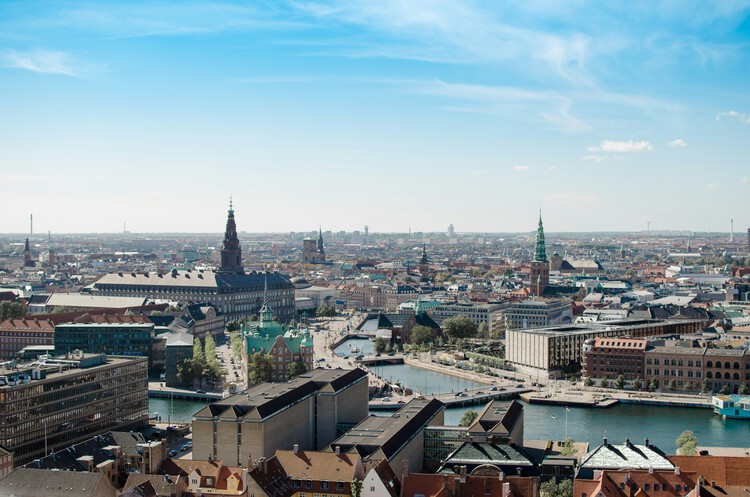
Copenhagen, Denmark. Image Courtesy of Lindsay Martin via Unsplash
Copenhagen is long famous as the global capital of human-scale design and livability. Today, the city has widened its focus and is an active space where mid-century Scandinavian modernism meets the modern demands of climate adaptability, material circularity, radical conservation, and neighborhood density. During the first-ever Copenhagen Architecture Biennial, in 2025, the city transformed into a global platform for dialogue under the theme "Slow Down," exploring how architecture can respond to global pressures by rethinking the pace of change. And this year's 13th edition of the 3daysofdesign Festival will explore the theme of "Make This Moment Matter", encouraging the global design community to step away from digital noise and mass production to focus on the present.
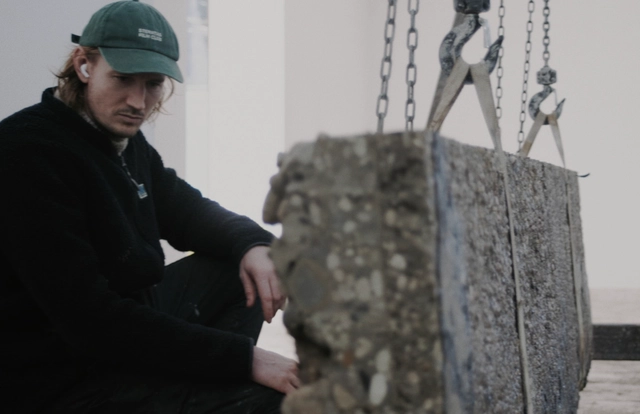
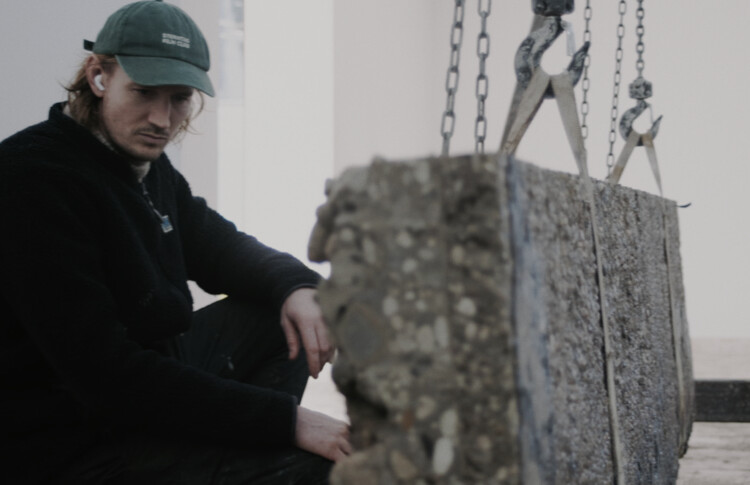
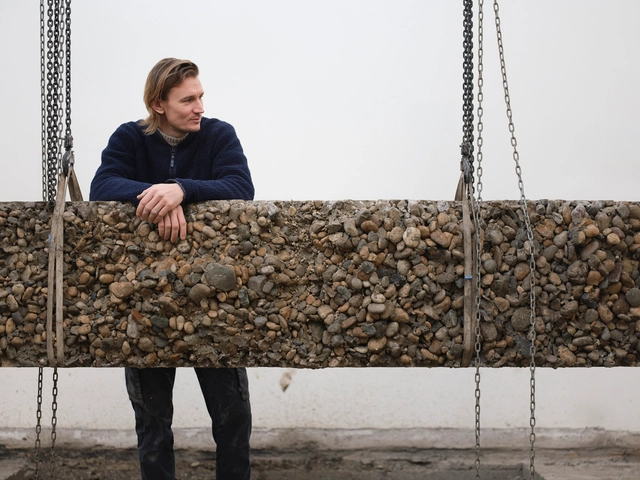
Louisiana Channel, a web TV platform based at the Louisiana Museum of Modern Art in Denmark, is launching a new film titled Søren Pihlmann: Make Materials Matter. Over the course of 54 minutes, Marc-Christoph Wagner and Simon Weyhe offer a glimpse into the work and mind of the founding architect of Pihlmann Architects, presenting his vision of Danish architecture, the practice of architecture itself, and, in particular, his sensitivity to materials. The film provides a behind-the-scenes look at the process and thinking behind the Danish exhibition at this year's Venice Architecture Biennale. Led by Søren Pihlmann, the team used the opportunity to renovate and conduct material research on Denmark's permanent building in the Giardini, transforming it into a material laboratory and experimental construction site. The result is a process exhibition that highlights how rethinking and reusing existing structures and materials can address critical architectural challenges. As of today, November 20, the documentary is available to watch online for free.
This curated selection of projects from the 2025 Venice Architecture Biennale explores regeneration as a deliberate, intelligent process rooted in the specific conditions of a place. For decades, the Biennale has been a testing ground for architecture's most urgent ideas, allowing designers, researchers, and institutions to present visions that address evolving environmental, cultural, and social challenges. This year's projects reveal how regeneration, whether of an entire coastal city, a disused industrial site, or a neglected public space, requires more than replacing the old with the new. It calls for a precise reading of existing contexts, the preservation of embedded knowledge, and the careful integration of contemporary needs.
The eight selected works show that regeneration can emerge from multiple starting points: reactivating heritage through adaptive reuse, restoring ecological systems as part of urban planning, developing open and modular strategies for social housing renewal, or layering technological innovation onto historically rooted practices. While the scale of intervention varies, each project demonstrates a sensitivity to what is already there and existing, be it material resources, urban patterns, or cultural memory, and a willingness to work with these assets as catalysts for transformation. Together, they suggest that regeneration must start somewhere, and that its success lies in balancing innovation with the intelligence of what already exists.
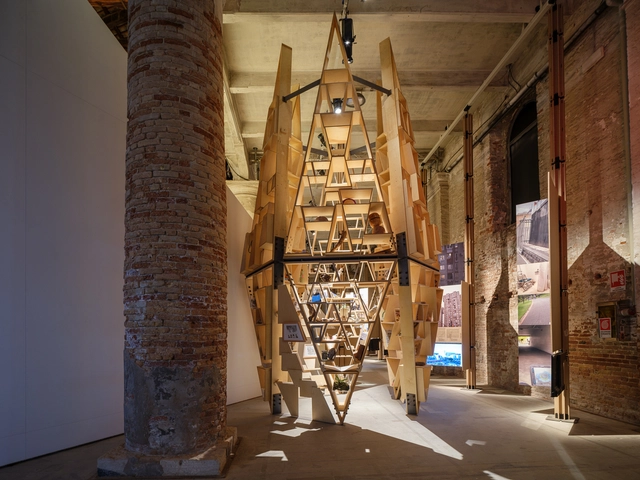
Søren Pihlmann is the curator of the Danish Pavilion at the 2025 Venice Architecture Biennale. The exhibition, commissioned by the Danish Architecture Center, is titled Build of Site, and focuses on exploring sustainable architectural practices through the lens of reuse and resourcefulness. Pihlmann's proposal transforms the existing Danish Pavilion, located within a historic building complex in the Biennale's Giardini, into an active exhibition space for material experimentation. The installation highlights techniques that incorporate recycled and bio-based elements. The Pavilion offers visitors the opportunity to observe ongoing experimental processes, witnessing how building resources are creatively reimagined for new uses. In this on-site interview, ArchDaily editors spoke with the curator about the ideas behind the project and the challenges its execution represents.
In his book "Curation: The Power of Selection in a World of Excess," Michael Bhaskar defines curation as "using acts of selection and arrangement (but also refining, reducing, displaying, simplifying, presenting, and explaining) to add value." Originating from the Latin word curare, meaning to take care of, the curator's role in dissecting our understanding of the world around us cannot be overlooked. Over time, as the definition morphs into different bodies, the practice of curation continues to evolve, filling the roles of caretakers of our built environment and thinkers of different forms for the overall bettering of society.
Pihlmann Architects is a young Copenhagen-based architectural run by Søren Pihlmann. In this interview with Louisiana Channel, the rising architect elaborates on his unique practice, the values he holds, and what he finds fascinating about architecture. Most notably, Pihlmann explains that his view on the practice has transformed from being an architect into becoming a type of curator, selecting very few things with great sensitivity.