For the 17th international architecture exhibition – la biennale di Venezia 2021, Austria is creating a platform of debate around how we envision the architecture of the future. In fact, the Austrian contribution, entitled “Platform Austria”, curated by Peter Mörtenböck and Helge Mooshammer, seeks to articulate the profound changes established by the development of digital platforms in our built environment.
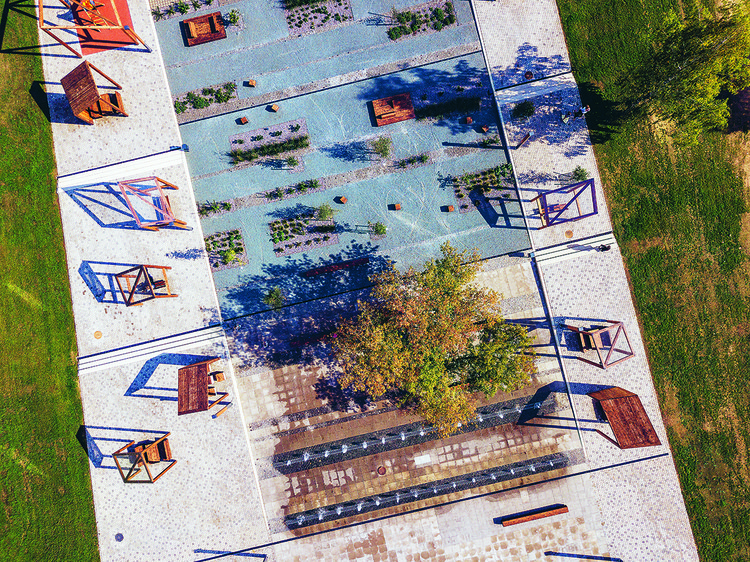
The Estonian Centre for Architecture is presenting the exhibition “Square! Positively shrinking” curated by Jiří Tintěra, Garri Raagmaa, Kalle Vellevoog, Martin Pedanik, and Paulina Pähn, in the Pavilion of Estonia at the 17th International Architecture Exhibition of La Biennale di Venezia. Hosted in the Arsenale complex, the project will “explore the role of high-quality urban space in enhancing the future development of small towns that are in jeopardy of depopulation, […] sparking a debate on the lesser-known facet of urbanization”.
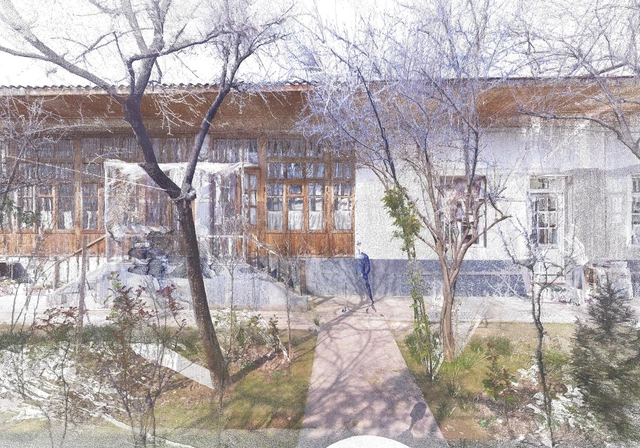
Mahalla: Urban Rural Living. Image Courtesy of Christ & Gantenbein
“Mahalla: Urban Rural Living” is the first participation of the Republic of Uzbekistan at the 17th International Architecture Exhibition – La Biennale di Venezia. Open to the public from May 22 to November 21, 2021, at Quarta Tesa, Arsenale, the exhibition is curated by Emanuel Christ and Christoph Gantenbein, professors of architecture and design at ETH Zurich, and founding partners of Christ & Gantenbein.
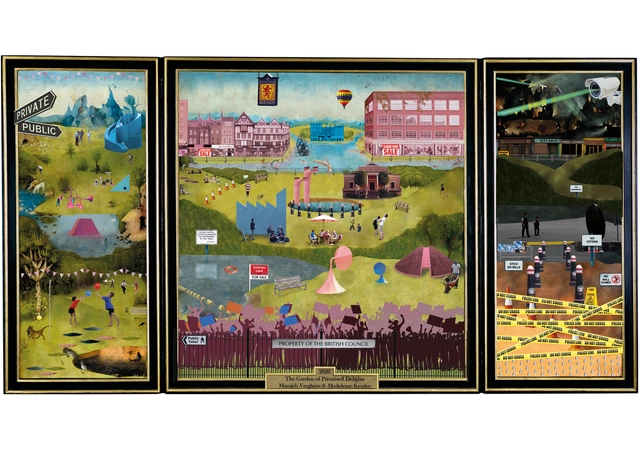
The Garden of Privatised Delights inspired by The Garden of Earthly Delights by Hieronymus Bosch. Madeleine Kessler & Manijeh Verghese, Unscene Architecture. Image Courtesy of The British Council
Curated by Manijeh Verghese and Madeleine Kessler, co-founders of multi-scalar design practice Unscene Architecture, the British Pavilion exhibition entitled The Garden of Privatised Delights, at the 17th International Architecture Exhibition – La Biennale di Venezia, will be open to the public from the 22nd of May until the 21st of November 2021. Commissioned by the British Council, the exhibition “reimagines how to make public space more inclusive, countering the rapid rise of privately-owned public space with an inspiring, alternative vision that urges both sectors to work together to create better-designed spaces for all”.
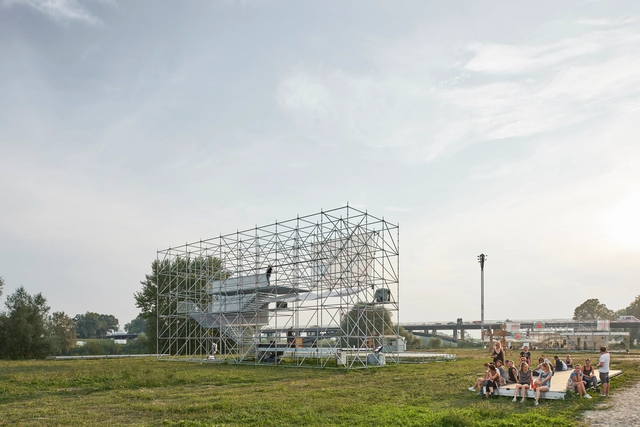
Little has been said about the contribution of scaffolding to the history of construction. These structures are generally treated as mere equipment and, as a result, their records are very scarce. Without scaffolding, however, it would be almost impossible to construct most of the buildings we know. Scaffolding allows workers to reach and move materials at difficult points in a construction, providing safety and comfort. But in addition to its role as a support structure for buildings, we have also seen that scaffolding can be used for mobile, temporary, and even permanent structures. Below, we explain its history and possibilities for use.
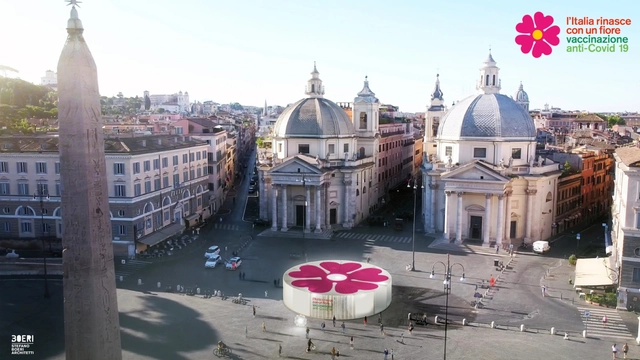
Stefano Boeri, together with a team of consultants, has created the architectural and communicative concept behind the anti-Covid-19 vaccination campaign. Under the slogan "With a flower, Italy comes back to life", the approved proposal, requested by the Italian Special Commissioner for the Covid-19 emergency Domenico Arcuri, includes the campaign logo, the temporary pavilions, and mobile information totem in public spaces.
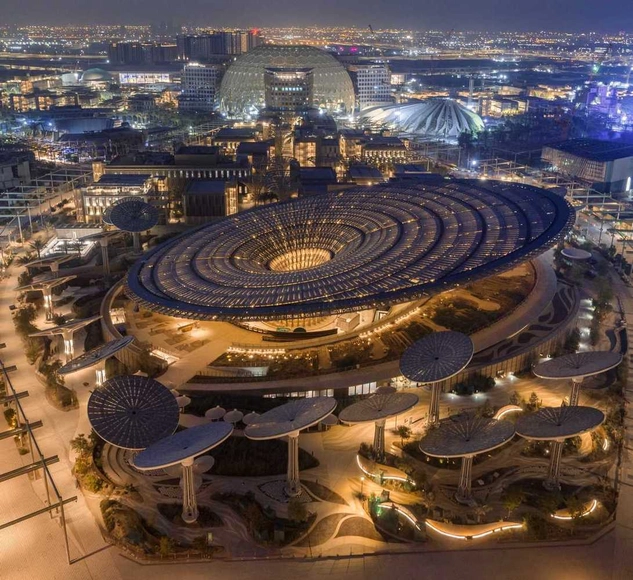
Expo Drone Shot - Sustainability Pavilion by Grimshaw Architects. Image Courtesy of Expo 2020 Dubai
With one year to go until Expo 2020 Dubai, the organizing committee of the event has revealed new images of the main pavilions under construction. While the majority of the work in 2020 was focused on landscaping and the main Expo buildings, the construction of the 192 national pavilions is back on track, to conclude by the end of the year.
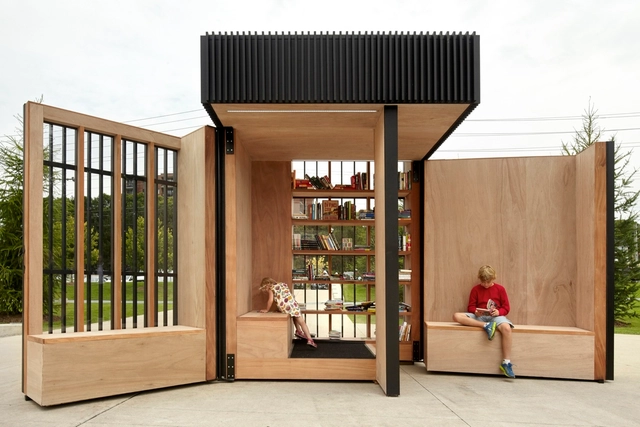
The field of architecture has the potential to influence human relations in countless ways through the built space. In small-scale projects, in particular, the challenges of tackling the dialogue between the space and the individual are combined with the task of conveying ideas to inspire people to explore the use of these minimal spaces.
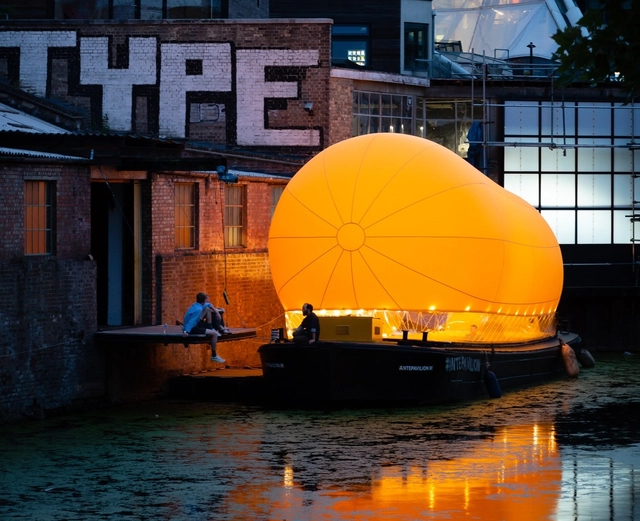
Pop-up architecture makes the most of tiny spaces and intimate experiences. As temporary structures, pop-ups are nothing new, dating back at least to Roman times as temporary stages for festivals called ludi. Pushing the boundaries of architecture, they feature a light-touch for maximum impact, each built to make a statement. Today, they are often designed around the full life-cycle of a project to minimize environmental impact.
Architecture is defined by its permanence. While the discipline's most celebrated works are often those that were built to last, there's inherent beauty and value in an architecture of impermanence. Moving beyond conventional buildings and considering environmental and social impacts, temporary structures hold the potential to push the boundaries of architecture and the categorization of art.
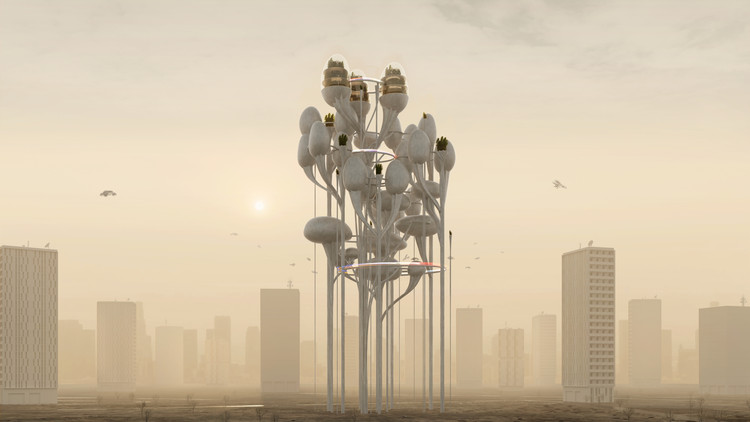
Force Majeure - Futura. Image Courtesy of Jeanne Schultz Design Studio
Putting together competition entries from all around the world, this week’s curated feature for Best Unbuilt Architecture showcases inspiring approaches and concepts. Submitted by our readers, the selection highlights uncommon proposals, part of international contests. While some are winning projects, others received honorable mentions.
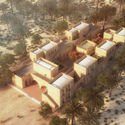
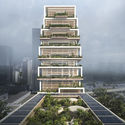
Serie imagines stacked timber pavilion-like offices, Schlaich Bergermann Partner, LAVA, and Latz + Partner design new pedestrian and cycle bridge over the Neckar River in Heidelberg, Germany and Aidia Studio create an Oculus in the Emirati desert. Other competition entries include a landscaped avenue by ZXD Architects in Hangzhou, a community school in Egypt by Hand Over, a winning pavilion for the Singapore’s Archifest 2020 by ADDP Architects and OWIU Design Studio; and a Baha’i House of Worship by SpaceMatters in India.
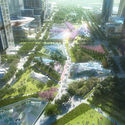
This week’s curated selection of Best Unbuilt Architecture encompasses conceptual proposals submitted by our readers. It features diverse functions and tackles different scales, from a spiraling bridge in China to a transportation hub dedicated primarily to space travel in Japan.
Comprising uncommon design approaches, this article introduces a humanitarian architectural response to the needs of the residents in an informal Egyptian settlement. In the master plan category, a Green city proposal highlights how we should develop our cities and neighborhoods in the future, and the first net-zero energy airport in Mexico reinterprets holistic design approaches. Moreover, the roundup presents different cultural interventions, from a museum in Botswana, an installation at the Burning Man festival by AI Studio, and an observatory in Vietnam.
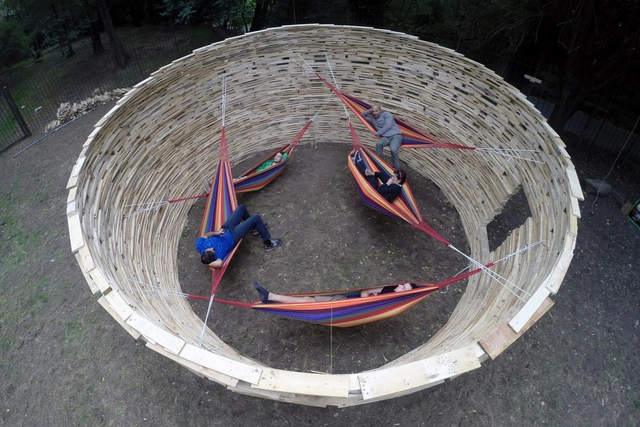
Commonly used as storage support for products in supermarket stocks and fairs, pallets are versatile. After their primary function has been discarded, the reuse of pallets for other purposes is increasingly common, collaborating to the reduction of the amount of waste discarded, especially as raw material for the creation of furniture and decks. However, going beyond the commonly highlighted DIY furniture tutorials on youtube, these structures are gaining ground as the main element in the construction of ephemeral architecture, such as small pavilions and urban installations. In fact, these small pieces can be stacked and united together in different ways and patterns.
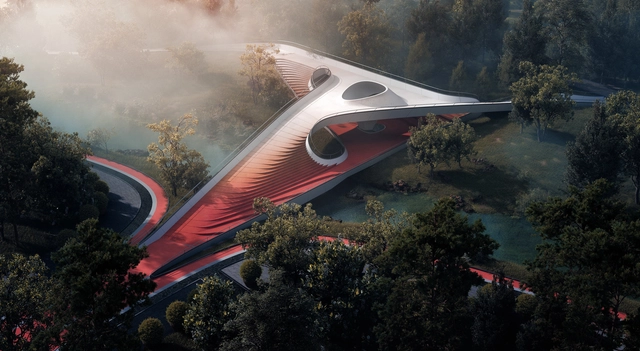
North Design Union Headquarters. Image Courtesy of SPIM Studio
Highlighting proposals presented in international competitions, this week’s selection of Best Unbuilt Architecture combines various functions, diverse conceptual approaches, and innovative ideas. Submitted by our readers, these projects include an awarded pavilion in Vietnam, a cantilevered-bridge proposal in New York, and a sustainable botanical center in Poland, amongst others from all over the globe.
With a lot of projects coming in from China, we have compiled in this roundup, a design for a children’s hospital and education building, as well as a national science center encompassing research buildings, laboratories, exhibition spaces, commercial use, and public facilities. On another hand, for the first time, a virtual project is featured, celebrating the LGBTQ community with a vessel of a layered and labyrinthine system of baths, showers, and pools.
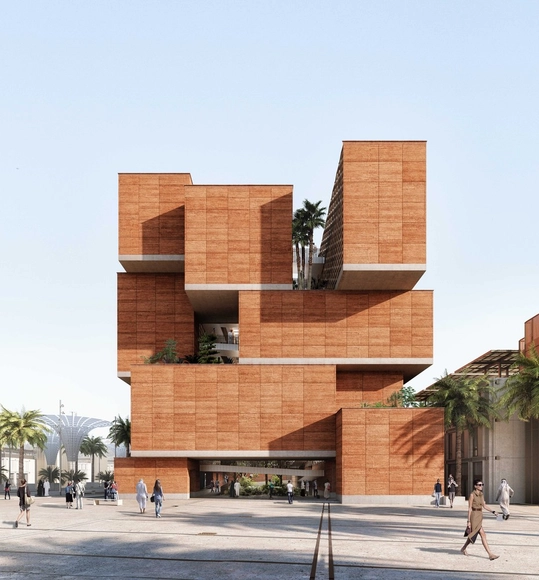
OUALALOU + CHOI has designed the MoroccoPavilion at the 2020 Expo in Dubai, showcasing traditional Moroccan design and construction techniques. The pavilion brings “rammed earth construction to new heights”.
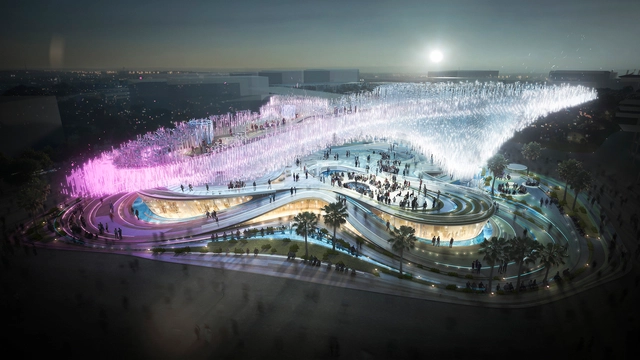
“A Country without Walls, a Future without Limits” is a proposal for an expo pavilion imagined by 10 DESIGN. Based on the ideas of communication, openness, hospitality, and change, the project puts in place a memorable experience for visitors.


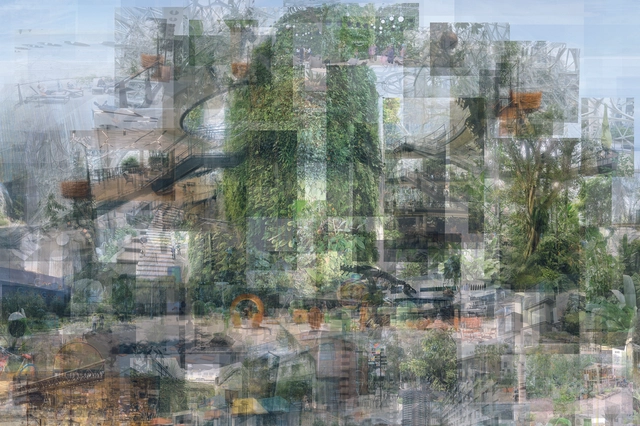




















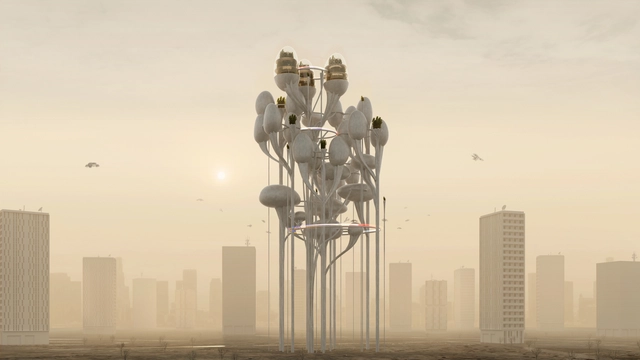

2020_canaria__dentsu__noiz__Space_Port_Japan_Association.jpg?1597222708 "SPACEPORT CITY. Image Courtesy of Noiz Architects")