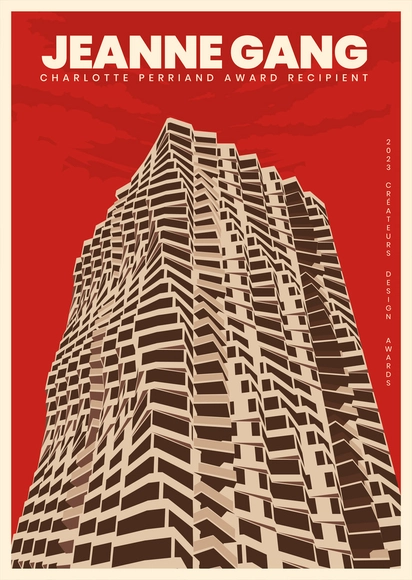
Jeanne Gang, Studio Gang's founder, has been named the 2023 recipient of the Charlotte Perriand Award by The Créateurs Design Awards. From skyscrapers to museums, including the Aqua Tower - the tallest woman-designed building in the world at the time of its completion- and the recently opened Arkansas Museum of Fine Arts, Gang has demonstrated her dedication to creating and implementing better practices in sustainable reuse, ecological biodiversity, and social equity. Jeanne Gang, the first woman architect to get the Charlotte Perriand prize, joins the CDA AWARDS laureates list along with Sir David Adjaye and Tadao Ando.
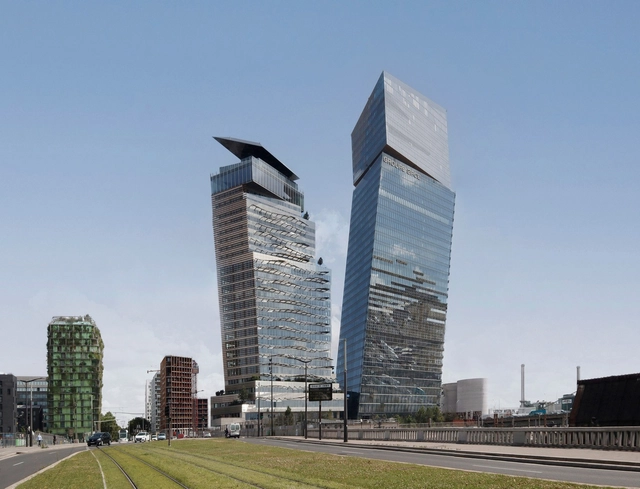
Jean Nouvel'srecently completed towers, Tours Duo, redefined the Parisian skyline. Captured by Paul Clemence in his latest photo series, the project by Ateliers Jean Nouvel creates a singularity in relation to the rails that lead into the city's heart and define the Avenue de France. Established as a landmark on the East side of Paris and considered to be the city's future, Tours Duo is a mixed-use project that completes and modifies the unfinished context of this part of the city.
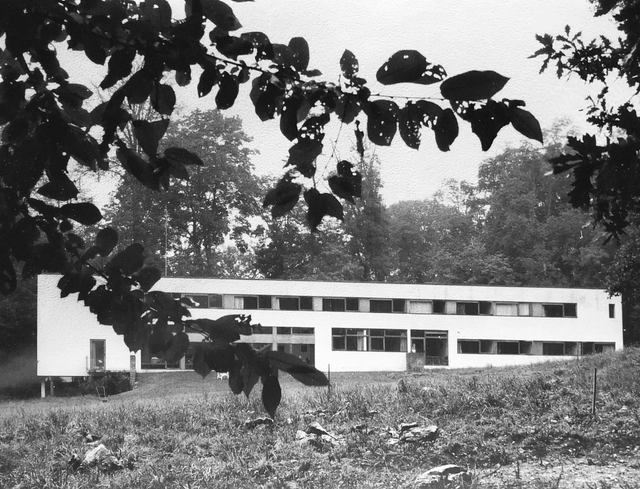
Exterior view of l’Eau Vive hospital, Soisy-sur-Seine, France, 1960s. Image Courtesy of Archives of Nicole Sonolet, collection of Christine de Bremond d’Ars
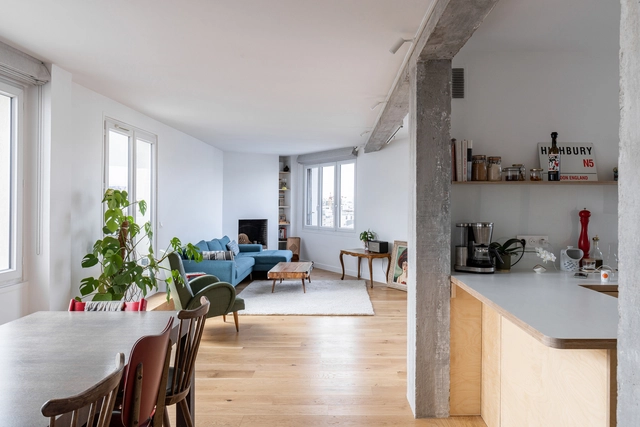
What would it mean to design buildings that exceed the economic accountings of liberal biopolitics, that instead offer an entirely different rationale for supporting health? In the years that Michel Foucault conceptualized the term biopolitics, he was part of a constellation of researchers and architects who developed care praxes that defined the value of life and its maintenance through a desire-based calculus. The welfare state institutions of architect Nicole Sonolet in particular—mental hospitals, public housing complexes, and new village typologies built mainly in postwar France and postcolonialAlgeria from the 1950s to the 1980s—were designed not only to support but to center the needs of people often excluded from design processes. Sonolet’s mental health centers for residents of Paris’s 13th arrondissement, in particular, were key projects for discovering a design practice tied to the provision of care for its own sake.
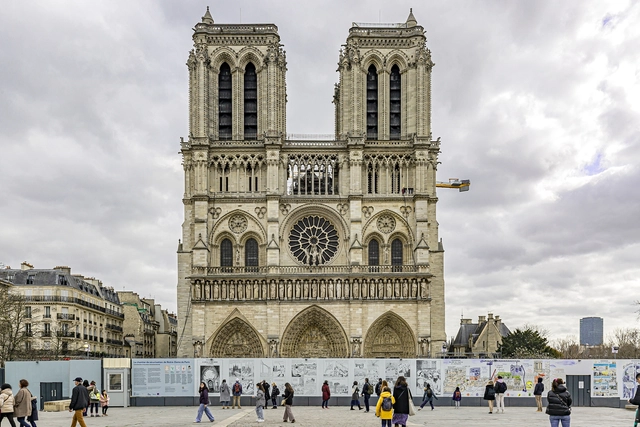
Notre Dame de Paris under construction in February 2022. Image via Shutterstock by Jacky D
Notre Dame cathedral in Paris is on course to reopen to worshipers and the public in 2024, according to Culture Minister Rima Abdul Malak’s statement on Thursday, almost three years after the devastating fire. In the statement, she noted that the clean-up phase of the restoration project is now completed, allowing rebuilding work to get underway. The 12th century cathedral is being restored to its previous design, including the 96-meter spire designed by architect Eugene Viollet-le-Duc in the mid-1800s, for which new timber has been selected.
Trampoline Bridge / AZC Architects. Image Courtesy of AZC Architects
Humane cities center around the relationships between people and places. Communities thrive on shared resources, public spaces, and a collective vision for their locality. To nurture happy and healthy cities, designers and the public apply methods of placemaking to the urban setting. Placemaking—the creation of meaningful places—strongly relies on community-based participation to effectively produce magnetic public spaces.
In parallel with the restoration works underway at the Notre Dame de Paris cathedral, the city of Paris has launched a design competition to redevelop the cathedral’s surroundings. On June 27, the jury announced the team led by landscape designer Bas Smets as the winner of the competition. The project, planned to start in 2024, will reimagine the square and the underground parking spaces beneath it, including the archeological crypt, the Jean XXIII square located behind the cathedral, the Seine riverbanks, and the adjacent streets. This extensive project aims to bring Parisians back to the heart of Paris and welcome the 12 million visitors coming each year in better conditions.