




-
Interior Designers: Jean De Lessard
- Area: 4500 ft²
- Year: 2014
-
Professionals: Construction Inox


The design of PPG Place, by Philip Johnson and John Burgee, melds the notion of the modern corporate tower with a neo-gothic monument. Clad in almost a million square feet of glass manufactured by the anchor tenant PPG industries, the architects ingeniously rethought accepted practices in curtain wall design to create "the crown jewel in Pittsburgh's skyline." (1) The 1.57 million square foot complex was one in a series of high profile corporate projects completed during Johnson's controversial foray into postmodernism.
_DC_Towers_Michael_Nagl_Kopie.jpg?1393561879&format=webp&width=640&height=580)
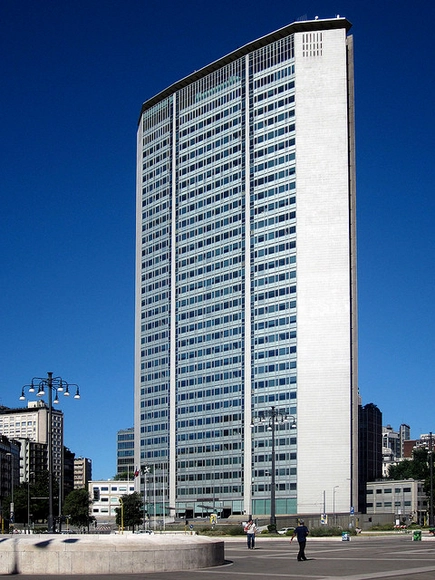
In contrast with its traditional Milanese surroundings, the Pirelli Tower is one of the earliest examples of Modern skyscrapers in Italy. Affectionately called "Il Pirellone” (The Big Pirelli), the 127 meter tower stood as Italy’s tallest building from 1958 to 1995. The design of the structure, led by architect/designer Gio Ponti and engineer Pier Luigi Nervi, featured a tapered plan—as opposed to the conventional rectilinear volume which was prevalent in America—encouraging greater creative freedom during a time when skyscrapers typically lacked experimentation.

When designing offices for creative companies, it's important to strike a balance between an efficient workplace, a fun space to be in, and an attention-grabbing signature for the company itself. That's exactly what Clive Wilkinson Architects did for the Barbarian Group, an advertising group in New York for whom they designed the Endless Table, a single desk which both seats all of their 125 staff members, but also defines spaces within the office, such as meeting rooms and cozy work nooks.
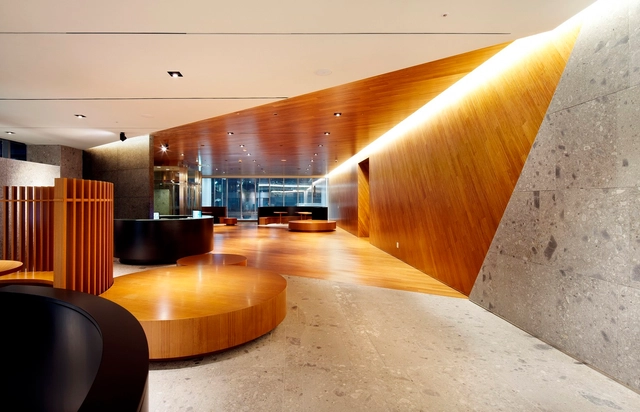
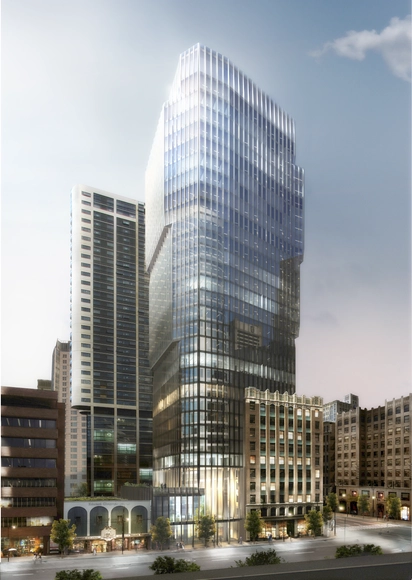
Construction broke ground last month for ‘The Exchange’ tower in Vancouver, Canada's first LEED Platinum heritage conversion and Harry Gugger Studio’s first North American building. The 31-floor office building resolves the strict urban regulations imposed on high-rise construction downtown and addresses the historical context by preserving and integrating the façade of the city's historic Stock Exchange building.
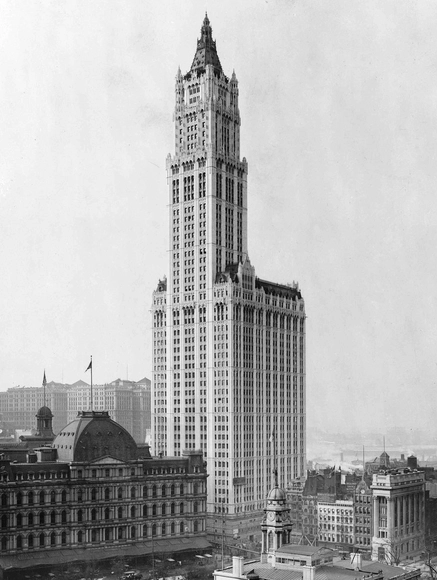
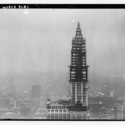
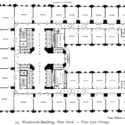
The Woolworth Building, an innovative and elegant early skyscraper completed in 1913, endures today as an iconic form on the New York City skyline. A historicist exterior sheaths a modern steel tower, embodying both the era’s modern spirit of progress and its hesitation to fully break from the past. Cass Gilbert, selected as the architect, believed the designer should “weave into the pattern of our own civilization the beauty that is our inheritance.”[1] An ornate monument to the growing economic dominance of New York City, the building was dubbed the “Cathedral of Commerce.”

.jpg?1391745372&format=webp&width=640&height=580)








_Walter_J._Sieberer_Kopie.jpg?1393561794 "© Michael Nagl")
_DC_Towers_Michael_Nagl_Kopie.jpg?1393562013 "© Michael Nagl")
_DC_Towers_Michael_Nagl_Kopie.jpg?1393561863 "© Michael Nagl")
_DC_Towers_Michael_Nagl_Kopie.jpg?1393561875 "© Michael Nagl")
_DC_Towers_Michael_Nagl_Kopie.jpg?1393561879)
















.jpg?1392090268 "Blue and yellow accents. Image © Aaron Sylvan")




















.jpg?1391745372)