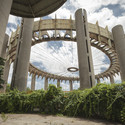
The Pavilion's "Tent of Tomorrow" photographed during the fair. Image via People for the Pavillion website. Image
For the first time in decades, Philip Johnson’s New York State Pavilion will open to the public tomorrow (April 22) in celebration of its 50th anniversary. Built for the 1964-65 World’s Fair, “the Pavilion represents a pivotal time in American history when the allure of putting a man on the moon inspired renowned architect Philip Johnson to create this emblem for Space Age enthusiasm,” described Stephanie Meeks, president of the National Trust for Historic Preservation.
Building resilient and sustainable urban centers. That's going to be the main issue that over 30 speakers will be addressing at the Cities for Tomorrow Conference next Tuesday, April 22 at TheTimesCenter, NY. The event, hosted by NY Times architecture critic Michael Kimmelman, will feature Shigeru Ban's first public appearance since winning the Pritzker Architecture Prize. His presentation will be on the eve of the conference, on Monday, April 21. Although the reception is invitation-only, we will be live-tweeting the presentation.
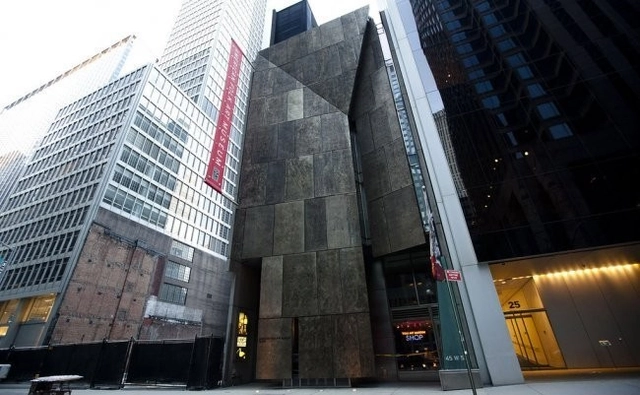
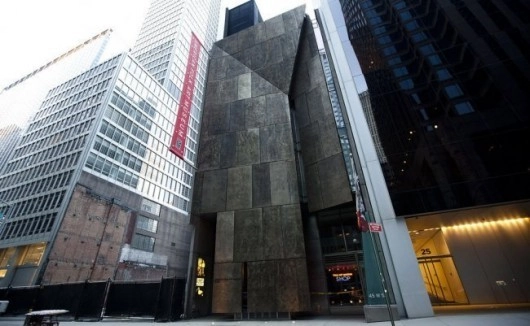
“Yes, all buildings one day will turn to dust, but this building could have been reused,” Tod Williams. “Unfortunately, the imagination and the will were not there.”
Though MoMA has promised to preserve the building’s iconic copper-bronze facade, Williams is concerned it will forever stay in storage.
Proposals are being suggested on how to resurrect the facade, as the New York Times reported, including a concept from Nina Libeskind, chief operating officer of Studio Daniel Libeskind, and AIA New York executive director Fredric M. Bell that will be presented to MoMA next week. However, Williams expressed disinterest at the idea of installing fragments of the building elsewhere.
Chad Kellogg and Matt Bowles of AMLGM have envisioned a new residential tower typology for New York that can connect and transform unused space surrounding various transportation hubs into a dense, mixed-use housing tower.
The proposal, dubbed Urban Alloy, which won first in Metropolis’ Living Cities Residential Tower Competition and received honorable mention in Evolo Skyscrapers 2014, is capable of responding to a number of unique spacial and environmental situations, providing a new way for the city to grow "organically" and provide adequate housing for the expanding population.
It is rare to find an architectural project whose history makes such strange bedfellows as the New York State Pavilion: a master architect and millions of exhibition patrons, roller skaters and rock stars, stray cats and Iron Man [1]. For three hours on April 22, in honor of the fifty year anniversary of the 1964-65 New York World’s Fair, the city of Queens will open the long shuttered gates to Philip Johnson’s most futuristic work.
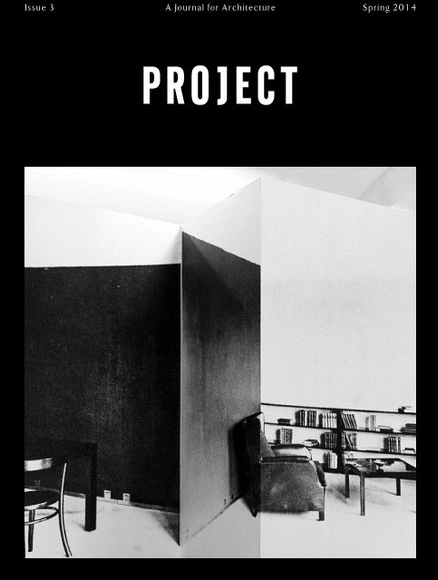
The editors of PROJECT invite you to celebrate the release of Issue Three at common room, 465 Grand St., New York, NY, this Wednesday, April 9 from 7pm to 9pm. PROJECT investigates the possibilities for developing a a critical position in contemporary architecture. Publishing both visual and written work, the goal of PROJECT is to provide a platform for disseminating ideas.
Developers Forest City Ratner Companies (FCRC) and Greenland Group have decided to realize SHoP Architects’ original plan to top Brooklyn’s Barclays Center with a 130,000 square foot green roof. Though the design was first disregarded due to budget cuts, the developers have deemed it necessary to enhance the marketability the Atlantic Yards’ three residential towers - the first is currently underway - and dampen the noise from loud concerts. Little details have been released about the green roof’s design, however rumor has it that it might not be open to the public as it was originally intended.
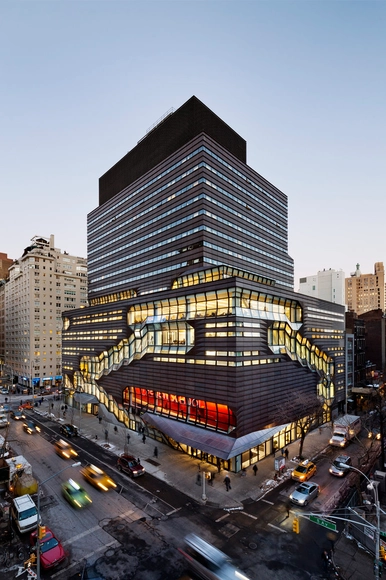
Skidmore, Owings & Merrill LLP (SOM) has been chosen to design a new teaching and learning facility for Barnard College - Columbia University’s world-renowned liberal arts college for women. The selection committee chose SOM after deeming them the best candidate in three categories: “a history of creative and innovative architecture,” a proven recorded on similar academic projects, and “an internal commitment to woman’s leadership reflected by women holding key roles in the firm.”
With an emphasis on collaborative environments, relaxing atmospheres, and quirky branding, it's always interesting to take a peek into the offices of tech companies, often found in the sprawling, multi-colored campuses of Silicon Valley. But how does this particular brand of interior design transfer to the more cramped spaces of a Manhattan office block? This video by Internet Week NY takes us behind the scenes at Tumblr, About.com and Fueled Collective to find out.
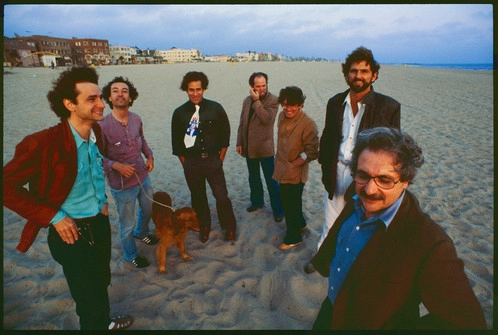
L.A. Architects at Venice Beach, 1980. Left to right: Frederick Fisher, Robert Mangurian, Eric Owen Moss, Coy Howard, Craig Hodgetts, Thom Mayne, and Frank Gehry. Photo by Ave Pildas
Thom Mayne, Eric Owen Moss, Stephen Phillips and Eva Franch i Gilabert will be discussing on the “institutionalization” of “experimentation” and cultural politics and power of taking risks.
Critical Shifts is a one-day, student-organized symposium dedicated to exploring the ongoing transformations of critical practice in architecture. The event brings together a diverse group of practitioners in order to investigate how their work (which often combines the activities and approaches of curation, editing, writing, design, teaching, and research) can begin to trace a nuanced map of the fieldʼs current critical terrain.
Robert A.M. Stern’s luxury 520 Park Avenue condominium tower, which is set to take its place on Manhattan skyline by 2017, will be topped with a 12,400 square foot triplex priced at $100 million - the city’s priciest unit. The penthouse will be one of 31 expansive residences offered in the limestone-clad building which, according to the a recent press release, will be “evocative of the great New York apartment buildings of the 1920's and 1930's.” Developers William and Arthur Zeckendorf gained approval for the 51-story skyscraper by purchasing $30.4 million in air rights from the neighboring Christ Church.
In a symposium at the AIA New York Chapter, seismologists, earthquake engineers, seismic code experts, emergency response managers, and architects conversant in seismic design will assemble for a conversation on available technologies and testing capabilities that, surprisingly, are located in New York State. They will "clarify the evolving role of design professionals, the building industry, and municipal and federal agencies in safeguarding our local communities", as well as "educate the audience about the earthquakes, subsurface conditions, and construction approaches."
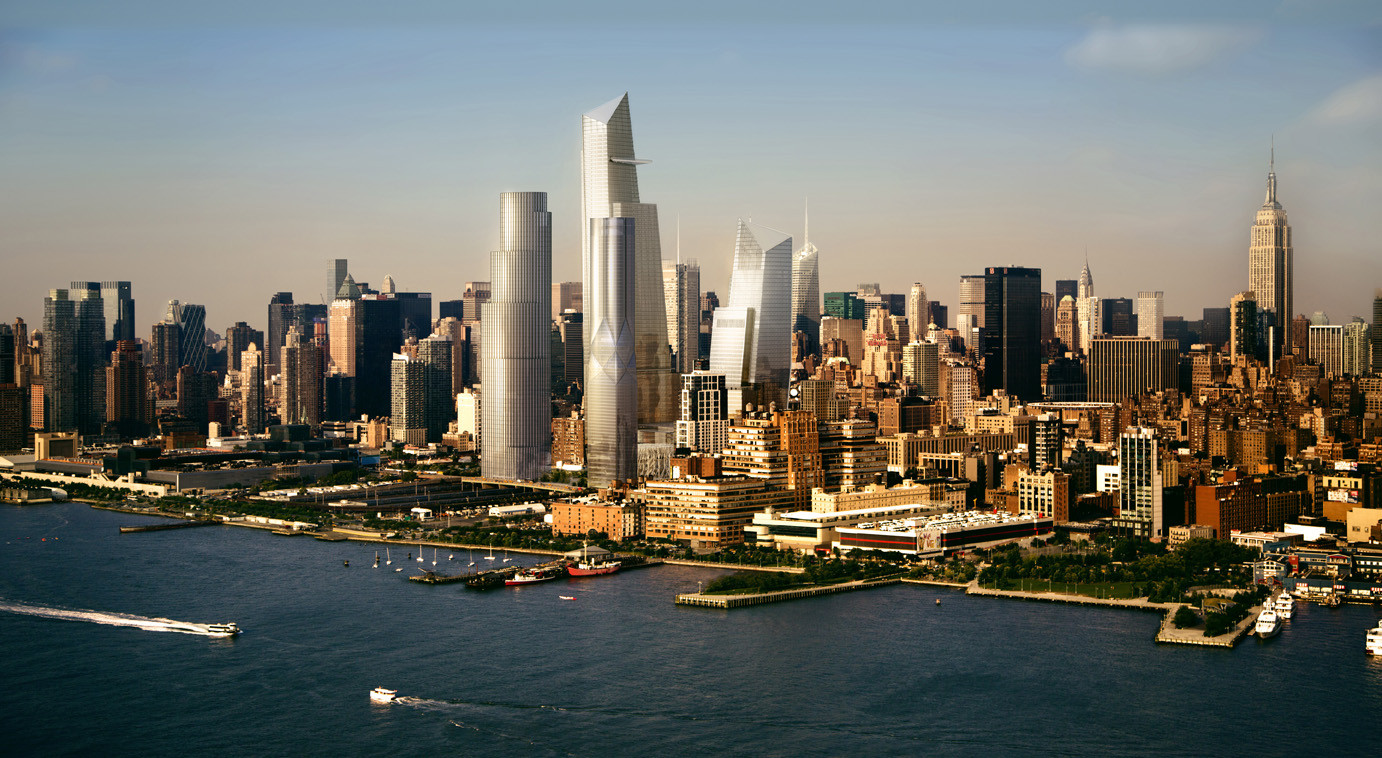
The construction of Hudson Yards, the biggest private real estate development in the history of the United States and currently the largest development in New York City since the Rockefeller Center, is gaining momentum. The vast infrastructural project in the heart of the city is set to enclose an active rail yard with an expansive platform, paving the way for 28 acres (and 17 million square feet) of commercial and residential space. Housing over 100 commercial units, 5000 residences, 14 acres of open public space, an enormous school and luxury hotel all on top of a working train depot, the project will directly connect to a new subway station and meet with the High Line.
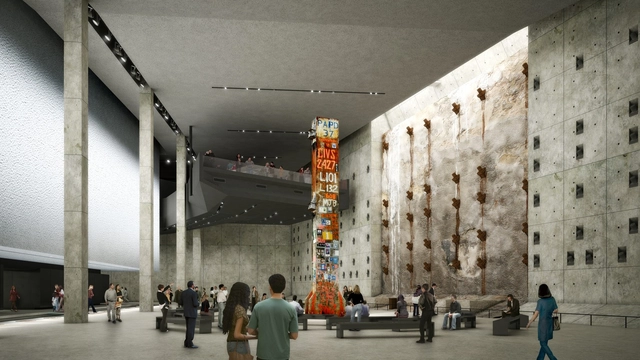
With completion in sight (May 2014), Davis Brody Bondhas released detailed information on the design of the subterranean 9/11 Memorial Museum in Manhattan. Located beneath the sculptural voids that form the 9/11 Memorial, the new museum has transformed a fixed set of geometric constraints into an emotional journey that gently descends visitors 70 feet below the ground level to the original foundations of the World Trade Center towers.