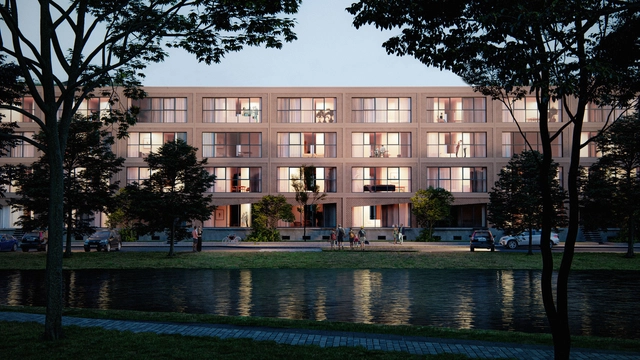
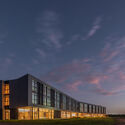
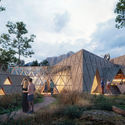
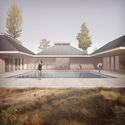
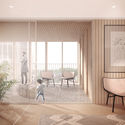
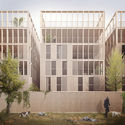
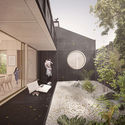
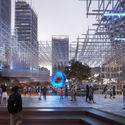
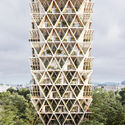
HA-HA, in partnership with BIK Bouw and Wooncompas Housing, will develop four social housing blocks for the community of Ridderkerk, near Rotterdam, Netherlands. The project uses materials from the existing social housing estate, built in the 1950s, and employs an innovative modular-timber system to create sustainable human-centered housing. The old buildings are planned to be disassembled and their components reused and integrated into the new development, which will increase the number of affordable units by 13%.
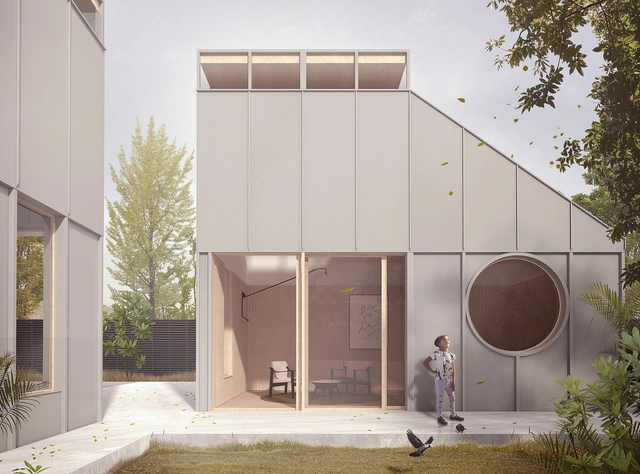
Vantem is a startup construction company manufacturing high-efficiency, net-zero homes at competitive costs and low embodied carbon. The company recently raised a Series A round of investment from the Bill Gates-founded firm Breakthrough Energy Ventures. Net-zero homes, buildings that produce as much energy as they use, are typically cheaper to own than standard housing. Still, they often involve high construction costs since they require advanced building technologies and engineering. Vantem aims to change this dynamic by employing modular construction technology.
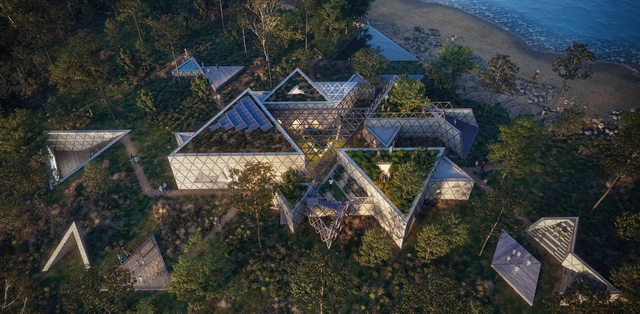
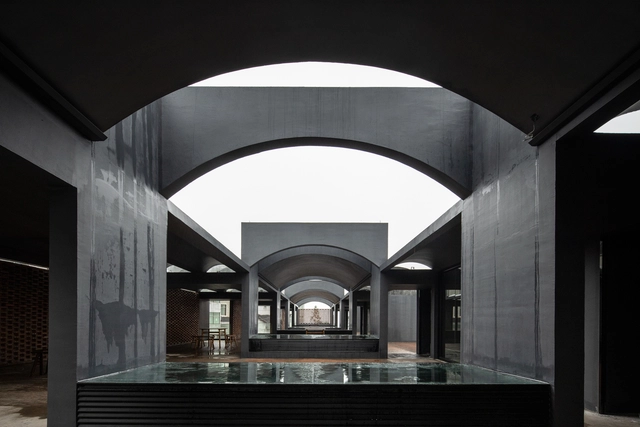
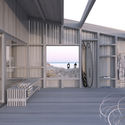
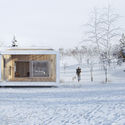
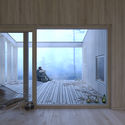
noa* network of architecture has unveiled a prototype of a Centre for Culture and Community (CeCuCo) questioning "what form flexibility takes, how nature can be embedded in the project and how far the role of the architect goes, in the belief that a project only works when people make it their own". The center is a research project that explores how to create flexible and multifunctional spaces without a fixed context, giving the community the chance to decide, act, and circulate within the architecture.
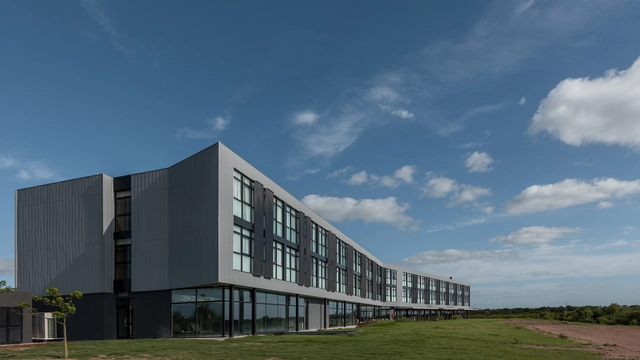
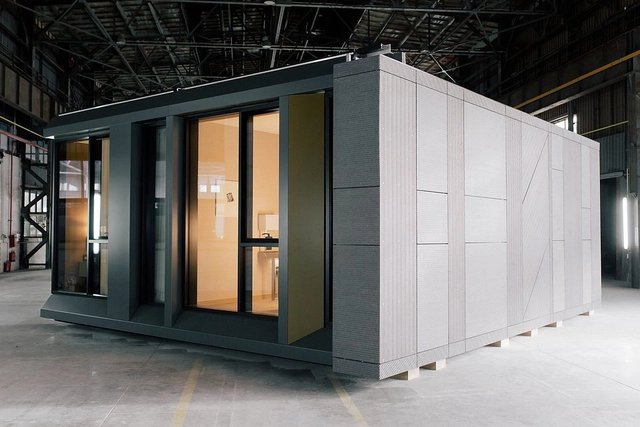
Industrial architecture usually requires fast installation, low-maintenance components, and flexible spaces that can be used for different purposes. Therefore, modular solutions are very common in this type of construction, also adding a powerful visual language to the building.
https://www.archdaily.com/962662/modular-components-in-industrial-architectureEquipe ArchDaily Brasil
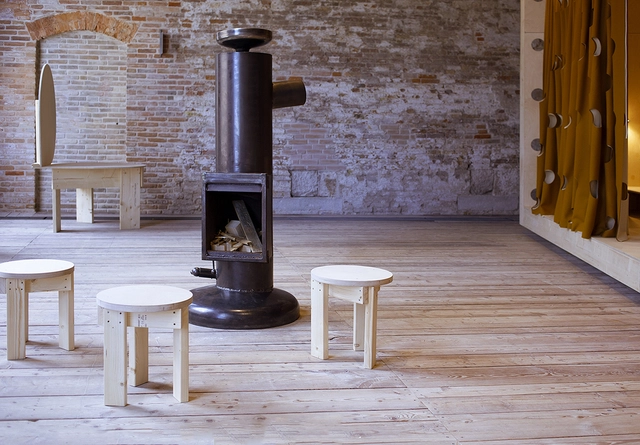
The Luxembourg Pavilion at the 17th Architecture Biennale reflects on how the pandemic has brought a series of dualities to the spotlight, challenging the understanding of the relationships established between architecture and land, interior and exterior, home and work or the built environment and nature. In light of these issues, the exhibition titled Homes for Luxembourg, designed by Sara Noel Costa de Araujo (Studio SNCDA) and featuring contributions to the architecture publication Accattone explores ideas of modular, reversible living while also illustrating a model of repurposing land to build new forms of togetherness.
As we are entering 2021 after a year of anxiety and uncertainties, what are your expectation for our future? The UN75 survey reports that most people around the world hold greater optimism for the future: “Globally, many more respondents believe people will be better off in 2045 than today (49%) compared to those who believe people will be worse off (32%).”
Morris+Company has launched the Phäbb MODU modular housing project as a flexible system for homes, apartments and dwelling units. The team is working in collaboration with Phäbb, a new international prefab company based in Argentina. Four typologies can all be produced from a selection of 15 modular components and a range of material palettes to suit the local context.
As our cities continue to grow and expand rapidly, there has been an increasing demand for architects and craftsmen to build houses more cost-efficiently under tight deadlines. Modular architecture has been introduced as a concept which involves assembling multiple pre-fabricated modules on site to create a working unit. By joining similar elements together in various ways, modular architecture allows for more flexibilities in design and standardized repair.
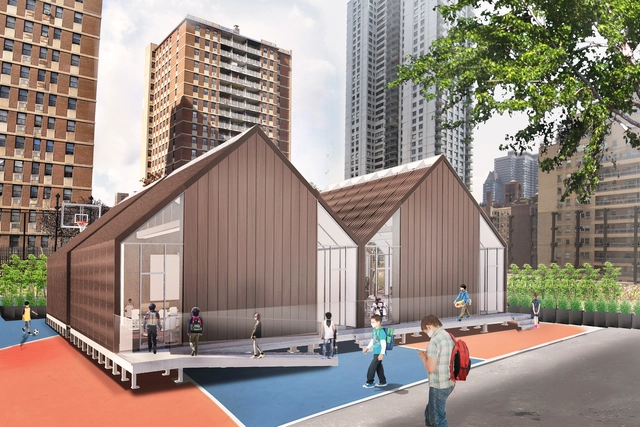
School/House. Image Courtesy of Skidmore, Owings & Merrill
Global design practice Skidmore, Owings & Merrill have created a modular pop-up classroom in response to COVID-19. Called School/House, it was inspired by its traditional single-room namesake and responds to the key challenges of density, air circulation, and flexibility in schools. The rapidly deployable classroom system addresses social distancing, health, and safety during the pandemic while also provides learning space during renovations or rapid growth.
Videos
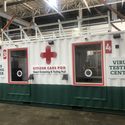
The Citizen Care Pod is designed to deliver testing and screening outside of the pod in accordance with physical distancing best practices.. Image Courtesy of the Citizen Care Pod
The Citizen Care Pod is a new initiative for COVID-19 smart screening and testing, combining intelligent technology with a modular design. Led by the Citizen Care Pods Corporation, the multi-disciplinary team, consisting of Toronto based WZMH Architects, PCL Construction, Insight Enterprises, and Microsoft, collaborated to bring the project from concept to reality in less than a month.
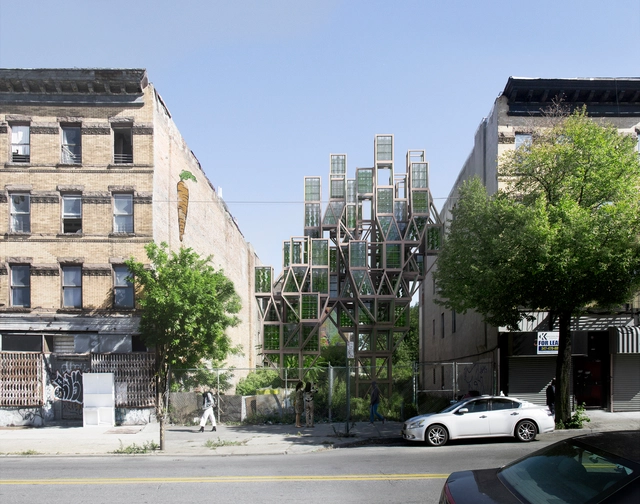
Framlab, an innovation studio based in Bergen and New York City has created Glasir, a community-based system for urban farming. The proposed modular structure relies on aeroponic growth systems to provide local products.
DMDmodular is manufacturing modules for the world's tallest modular hotel, in the Big Apple. The modular elements of the 26-story AC Marriott New York NoMad, designed by Danny Forster & Architecture, are produced in Skawina, Poland and shipped to the United States.
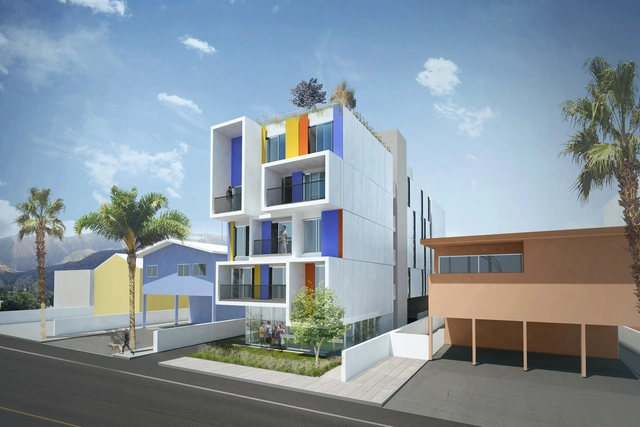
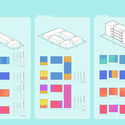
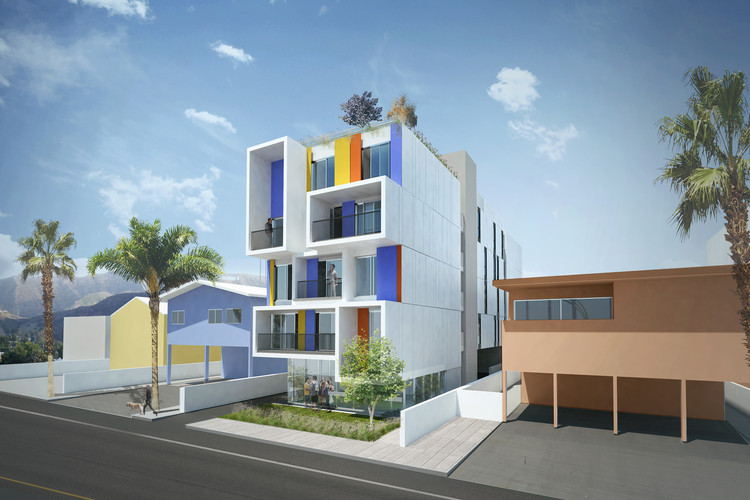
Brooks + Scarpa and Plant Prefab have developed a new toolkit to address housing shortages. Scalable as an infill solution, the Nest toolkit can be configured in multiple ways using site types and typical lot sizes, or a combination of them. The toolkit was made to address LA’s shortage of supportive housing for the homeless and provide flexibility to meet the needs of a particular site, neighborhood, and bed count.
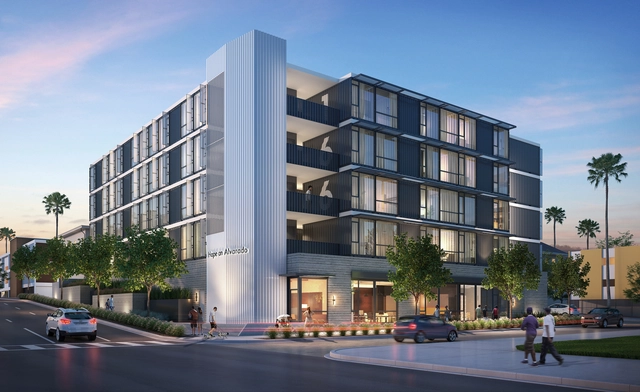
Hope on Alvarado, designed by KTGY Architecture + Planning, is the first modular housing project in the series of Hope On developments, aiming to find sheltering solutions for the chronically homeless, in Los Angeles.
As construction evolves, new advancements are shaping how we design. These movements are the product of shared ideas and the convergence of building technologies that open up new possibilities for architecture. From the atomic scale of materials to preassembled homes and faraway planets, the changes in BuildTech are felt across industries. As a result, disciplines are learning from one another to reimagine how we build.
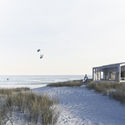
With the concept of downsizing in mind, Danish architectural company Njordrum is elaborating innovative concepts for housing. Basing their modular design on Scandinavian aesthetics, the office hopes to bring together architecture, nature, light, and people.
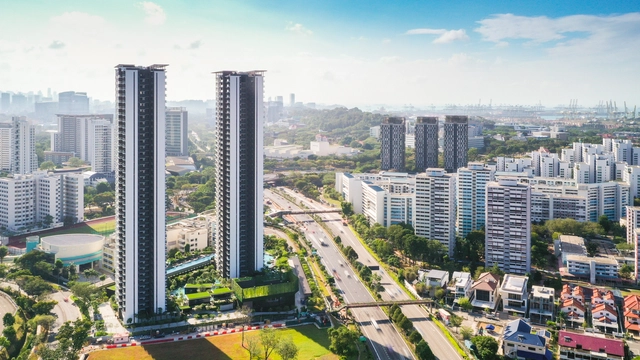
Construction company Bouygues Batiment International, in collaboration with their modular construction laboratory Dragages Singapore, has celebrated the completion of the tallest building tower ever built from modular construction, the Clement Canopy buildings in Singapore.
https://www.archdaily.com/920329/worlds-tallest-modular-buildings-completedNiall Patrick Walsh
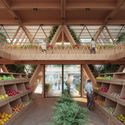
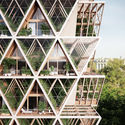
Precht has designed a timberskyscraper concept that combines modular housing with vertical farming. The concept was created by Penda co-founder Chris Precht and his wife Fei to reconnect people in cities with agriculture. In their proposal, the modular housing units would be built so that residents can produce their own food. Dubbed the Farmhouse, the concept aims to create more sustainable ways of living as city dwellers are increasingly losing touch with food production.