




-
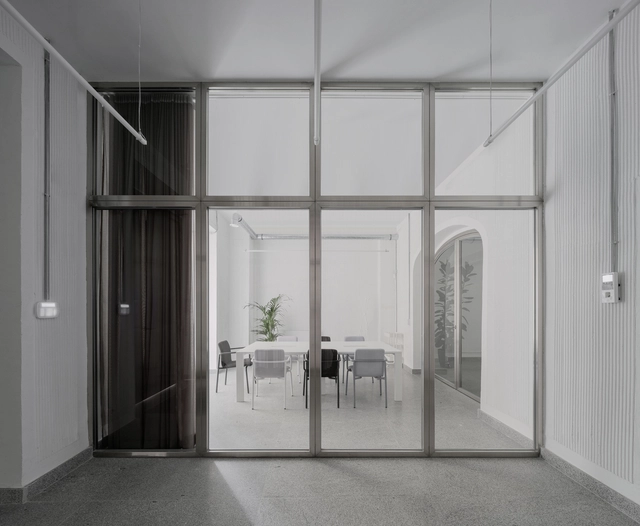
Architects: cumuloLimbo studio
- Area: 90 m²
- Year: 2018


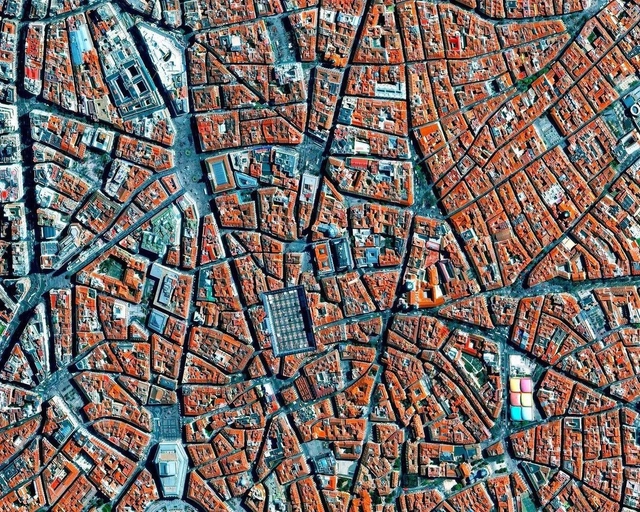
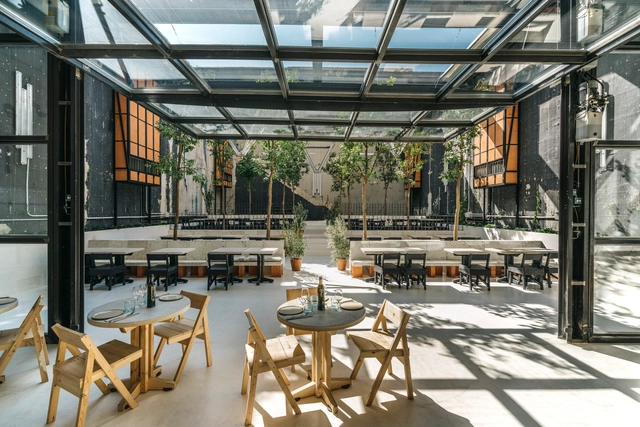
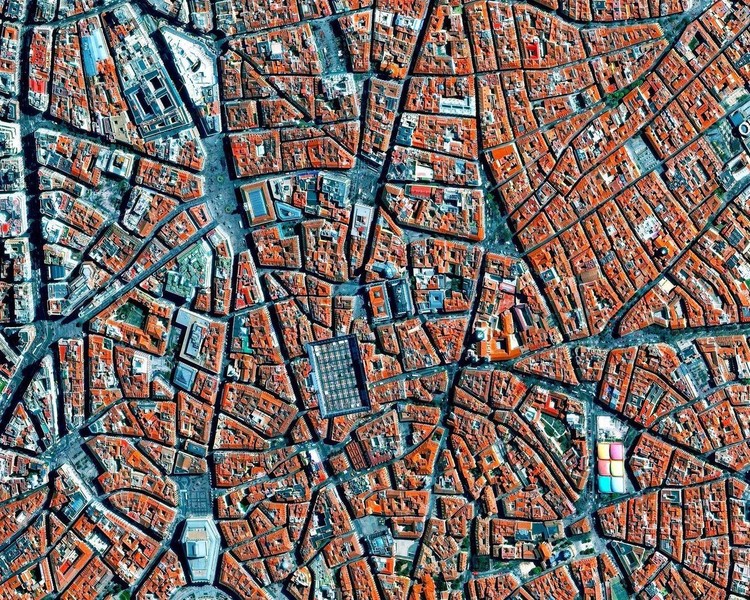
In his book Breve Historia del Urbanismo (Brief History of Urbanism), Fernando Chueca Goitia states that the medieval city appeared at the beginning of the 11th century and flourished only between the 12th and 13th centuries. According to the author, this growth was closely linked to the development of commerce that allowed permanent occupations, resulting in a city no longer composed mainly of travelers. In other words, the bourgeoisie was formed thanks to the most diverse activities - craftsmen, tradesmen, blacksmiths, longshoremen - which stimulated the development of the medieval city.





_Davit_Ruiz_.jpg?1601491755&format=webp&width=640&height=580)


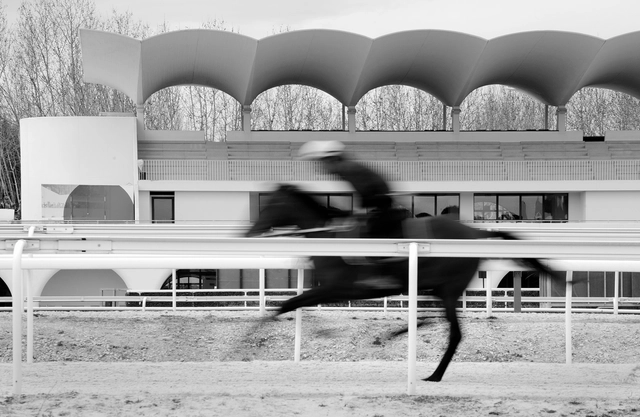
Conceived during the tumultuous years preceding the Spanish Civil War, the Zarzuela Hippodrome came about through a public contest sponsored by Madrid's Office of Suburban Access, who hoped that the winning design would replace the dilapidated Hippodrome located in Paseo de la Castellana.
In order to expand the Castellana-Recoletos, one of Madrid's main thoroughfares and the cornerstone of its growth in the 1930s, it became imperative to demolish the old hippodrome in order to make space for the Nuevos Ministerios government complex. For the new hippodrome, the planners sought out a more remote and suitable location, eventually deciding on a 115 hectare plot of land close to Monte El Pardo, on the northern outskirts of Madrid, where it would have the necessary space but also be connected to the city center via public transportation.
Nine projects were entered in the contest, with the winning team consisting of architects Carlos Arniches and Martín Domínguez along with engineer Eduardo Torroja.





















_Davit_Ruiz_.jpg?1601491783 "© Davit Ruiz")
_Davit_Ruiz_.jpg?1601491810 "© Davit Ruiz")
_Davit_Ruiz_.jpg?1601492122 "© Davit Ruiz")
_Davit_Ruiz_.jpg?1601491990 "© Davit Ruiz")
_Davit_Ruiz_.jpg?1601491755)