




-
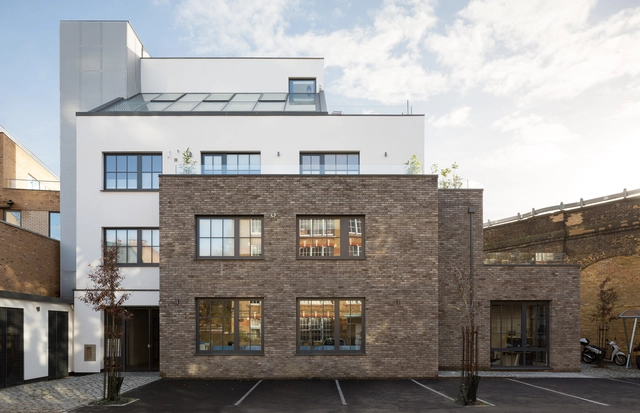
Architects: Chetwoods Architects
- Area: 940 m²
- Year: 2015
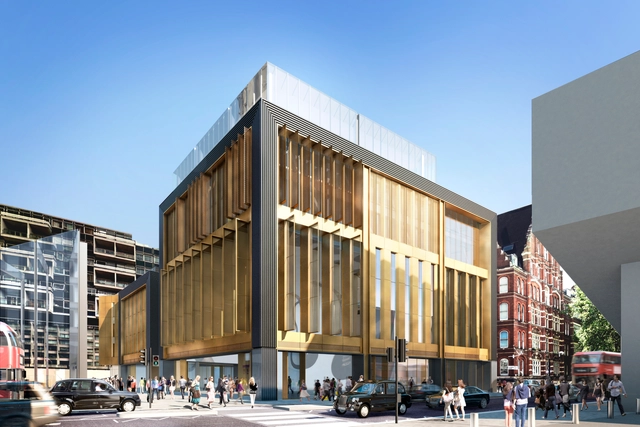
Camden Council has approved a new project in the effort to preserve and revive St Giles Circus in London, a proposal which includes a grassroots music venue alongside the preservation of significant historic buildings in Denmark Place and Denmark Street.
Designed by Orms in “close consultation” with Historic England, the Greater London Authority (GLA) and Music Venues Trust, the new scheme comprises a music venue with a capacity of 280 people, adding to the previously-approved 800-person music venue in the wider St. Giles Circus scheme. The new design will include a basement underneath the Smithy that currently occupies 22 Denmark Place, with the Smithy preserved by being carefully moved off-site and returned to its position upon completion of the venue.
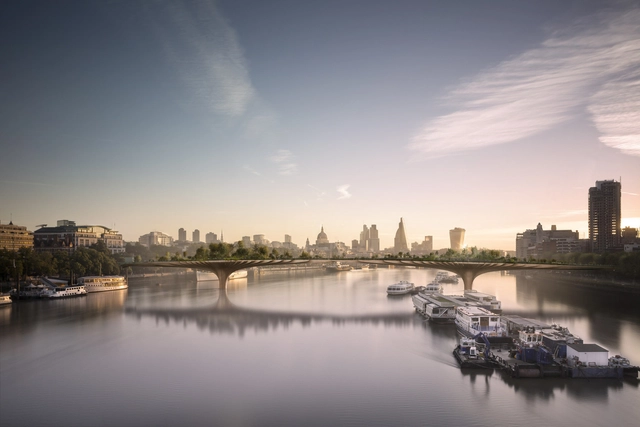
This edition of Section D, Monocle 24's weekly review of design, architecture and craft, is dedicated to plants and gardens and specifically their role in architecture, urban life, and the design of the workplace. The episode considers the history of London’s urban greenery and the role of plants in landscape architecture touching upon, in conversation with Sam Jacob, the latest in London's green infrastructure: Heatherwick Studio's proposed Garden Bridge across the River Thames. It also traces the lineage of semi-private squares in Georgian London to Ebenezer Howard's Garden City movement in the late 19th and early 20th centuries – all approaches discussing how best to unite the built environment with the natural world.

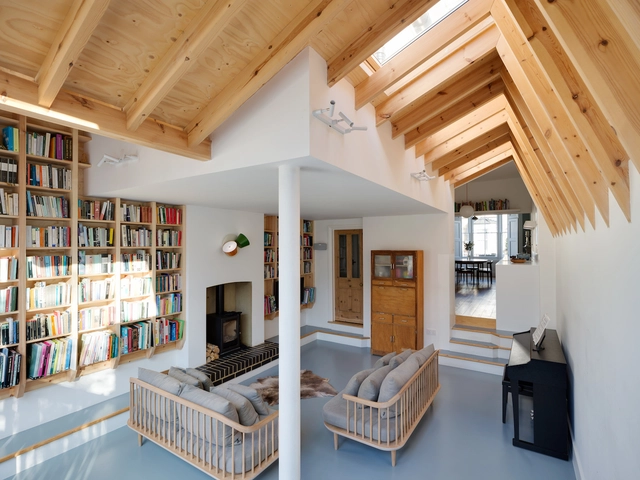
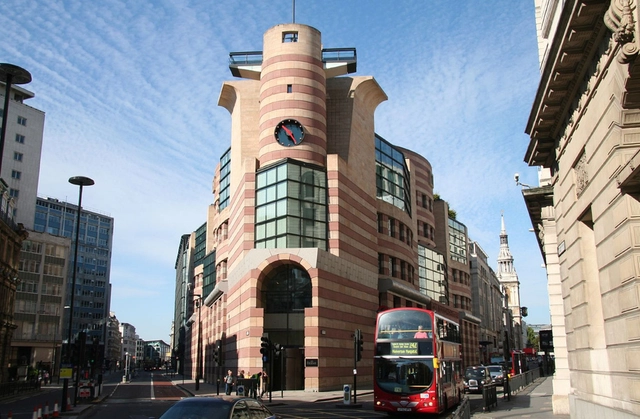
The British Twentieth Century Society (C20) have announced a forthcoming conference in London on Postmodernism. Speakers including Sir Terry Farrell, Piers Gough and Charles Holland (Ordinary Architecture) will join Alan Powers, Emily Gee and Elain Harwood of Historic England to "raise the profile of Britain’s best Postmodernist buildings following concerns over proposed changes to leading examples of this much maligned style."

Since this time last year, an additional 119 new tall buildings have been planned for London, according to a report published by New London Architecture (NLA) and GLHearn. This brings the total number of planned, tall buildings -- buildings of 20 floors or taller -- to 436.
The research conducted by the NLA shows that since last year, the number of tall buildings undergoing construction has inched from 70 to 89. An impressive 223 tall buildings have received planning approval and 114 towers are in pre-application or planning stages. Ninety-four tall buildings, up from 72 buildings in the previous year, were submitted for planning. Of those 94, 43 were approved in the same year. The survey also notes that a significant number of these tall buildings are part of larger scale master plans, which situate multiple towers in clusters.

Turncoats, the irreverent architectural debate society from London, is launching an international series, starting chapters in Canada, Scotland, Serbia and the US. Originally created by Phineas Harper, Maria Smith and Robert Mull, Turncoats has “electrified London’s architectural scene” since its inception.
Combining architectural debate with unique settings, alcohol, and an absence of recordings or wireless devices, Turncoats has gathered significant attention, their signature flaming envelope emblem appearing on lapels across the city, and soon all over the world.
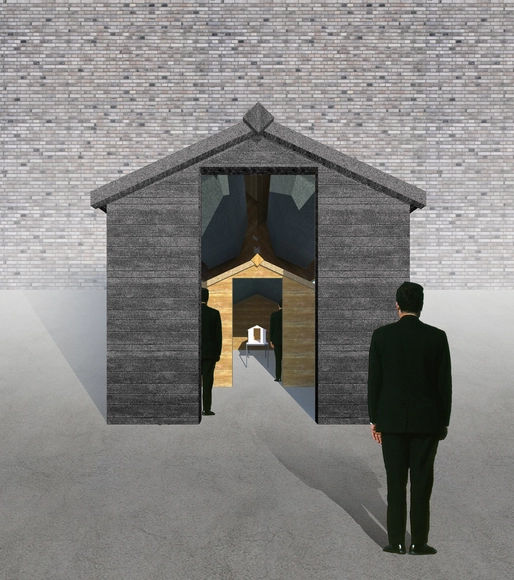
Sto Werkstatt have announced that Sam Jacob Studio will be creating "a unique installation" for their London gallery space that will "explore the exchange of information between digital and physical worlds." Entitled One Thing After Another, the project has its origins with what Jacob considers the most mundane, yet essential form, of architecture: the garden shed. The structure will be 3D-scanned to create a digital copy which will then be processed and scaled to fabricate a new CNC’d version from Verolith, a lightweight type of volcanic stone made of 90% perlite.
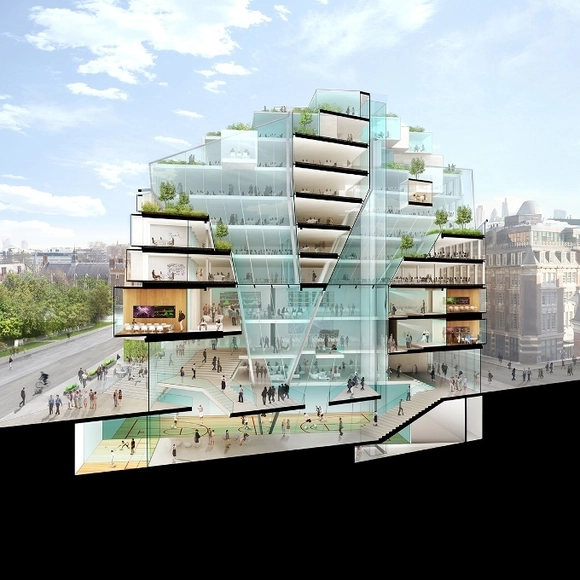
The London School of Economics (LSE) and RIBA have revealed the six shortlisted proposals for their next major development: 44 Lincoln’s Inn Fields/The Paul Marshall. With designs from David Chipperfield, Diller Scofidio + Renfro with Penoyre & Prasad and Herzog & de Meuron, LSE is hoping their new building's "world-class architecture" will appropriately reflect the university's "global academic reputation." AL_A, Grafton Architects, and Niall McLaughlin with Scott Brownrigg complete the shortlist.
“The amount of analysis and intellectual effort that has gone into the designs from each team is staggering and the results are impressive and very exciting. Given its size and prime location on Lincoln’s Inn Fields we want this to be a seminal university building; its legacy will endure for many generations so it is vital that we make the right decision,” said Julian Robinson, LSE’s Director of Estates.
All six schemes are being publicly exhibited at the LSE's Saw Swee Hock Student Centre through March 17. Read on for a glimpse of each.
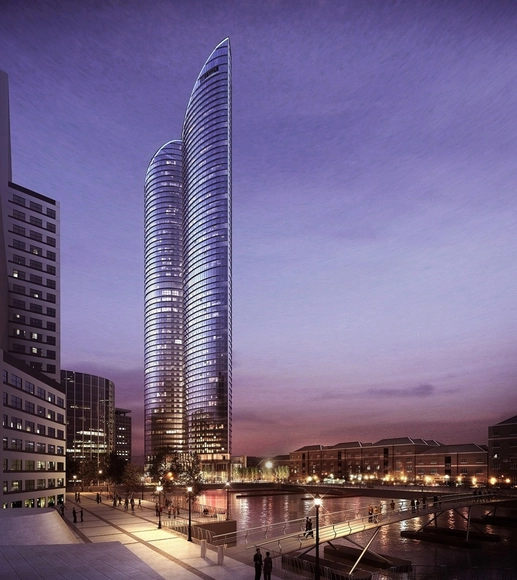
HOK’s latest project, “Hertsmere House” on West India Quay in London’s Canary Wharf has been approved for development by members of Tower Hamlets’ Strategic Development Committee. At 67-stories and 789 feet tall, Hertsmere House will be Western Europe’s tallest residential tower. The design, inspired by flower petals, aims to create a unique addition to the London skyline. Read more about the project after the break.
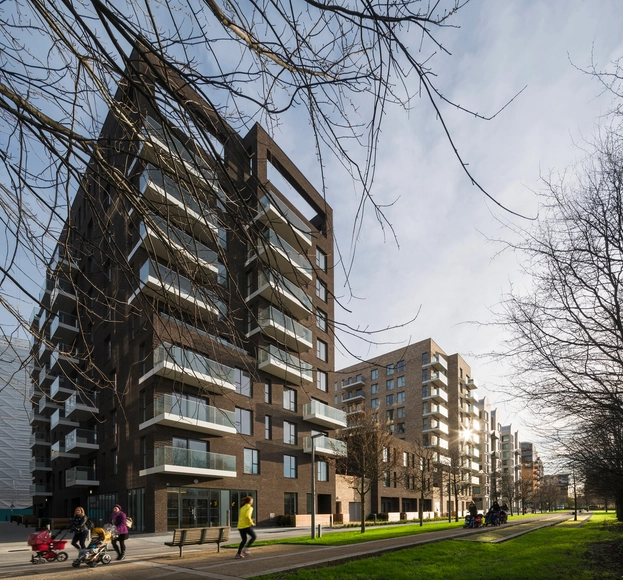
.jpg?1456189016&format=webp&width=640&height=580)

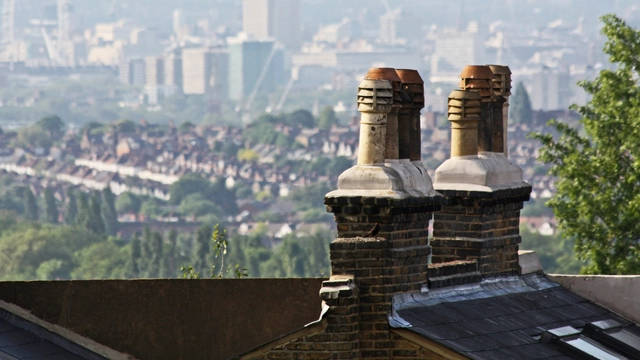
For this edition of The Urbanist, Monocle 24's weekly "guide to making better cities," the team head back in time to explore London in 1891, examining some of the city’s achievements to get a glimpse of what life was like in the British capital. They investigate the architectural legacy of Victorian London, see how the introduction of the railway changed the city, and chat about Charles Booth’s pioneering study into Victorian Londoners’ quality of life. They also take a tour around the country’s first council estate.


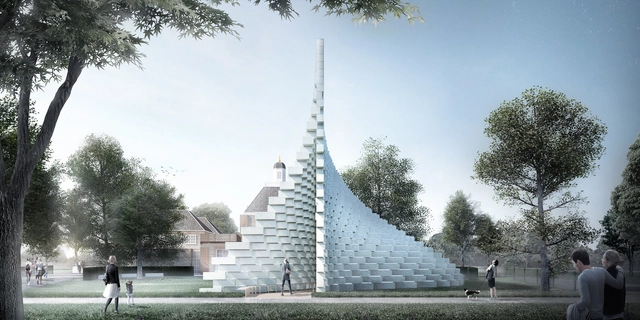
The Serpentine Gallery in London has unveiled the designs for this year's prestigious Serpentine Gallery Pavilion, designed by BIG, showing an "unzipped wall" which rises to a point above the entrance. In addition to the pavilion, this year the Serpentine gallery will host four smaller "summer houses" designed by Kunlé Adeyemi - NLÉ, Barkow Leibinger, Yona Friedman and Asif Khan. For these summer houses, the Serpentine Gallery asked the participants to take inspiration from Queen Caroline's Temple, a small, classical summer house near to the gallery that was built in 1734.
Read on to find out more about all five designs.



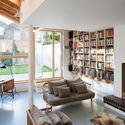


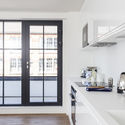
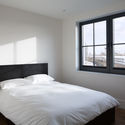

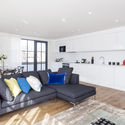


.jpg?1456188610 "© Hufton+Crow")
.jpg?1456188758 "© Hufton+Crow")
.jpg?1456188860 "© Hufton+Crow")
.jpg?1456188905 "© Hufton+Crow")
.jpg?1456189016)