The importance of lighting in interior design cannot be overstated: done right, it not only accentuates a space's architectural features but also makes inhabitants feel at ease. As Carmelo Zappulla of Lighting Studio External Reference explains in an interview with Architonic, light is a crucial tool to add an emotional element and 'animate a space.'
There are a plethora of artificial lighting options to choose from. Which works best is usually determined by the nature of the interior they're in and the desired spatial effect. One of the most common is indirect lighting. This technique uses fixtures to aim light onto surfaces that act as reflectors, softening the emitted rays to prevent pillar-like, bulky beams in favor of a more evenly distributed glow.
Light is part of various disciplines, shaping the world as we know it. In physics, it serves as a measure of speed and makes vision, and the recording of images by the eye and camera lens possible. Throughout art history, the representation of light - or its absence - has guided secular movements in various manifestations with equally different techniques and supports. This means that light - and its derivative shadow - can create environments, atmospheres and sensations, which can be perceived in objects and spaces. Light is also a part of architecture.
A rising number of studies suggest that well-considered lighting affects and boosts consumer behavior. Add to that the new Instagramability and promotional requirements, and the role of lighting becomes pivotal to achieving a filtered and commercially appealing visual. The latter has encouraged the implementation of new technology lighting panels and fixtures that offer a range of colors and dimmability, modifying the mood and even the overall color palette of a space. The results are some fun, sometimes almost cartoonish, settings that suggest the best backdrops and inviting venues.
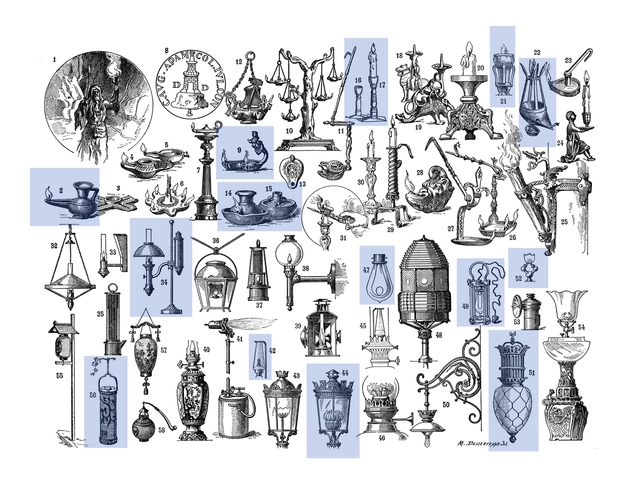
The simple activity of taking a walk in the evening can easily turn from a relaxing leisurely activity to a dangerous endeavor by removing just one element from the streetscape: public lighting. While not often recognized as defining aspect of urban environments, artificial illumination has played an essential role in defining the character of modern cities. Crime control, the appeal of nightlife, the rise of the shop window, revolutionary movements, utopias, and ideals of social equity are all concepts whose development is tightly linked to the history of public lighting. Technological advancements over the past centuries have continuously shaped the appearance and symbolism of streetlamps. Still, the this element has remains a constant throughout its history.
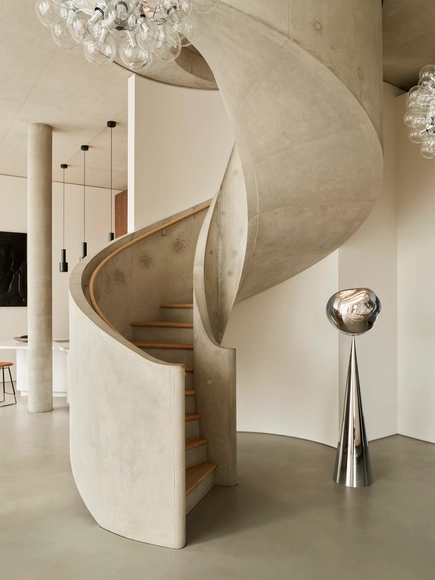
With a simple flick of a switch, lighting has the ability to completely transform a space, define its ambiance and create a mesmerizing, multi-sensory experience. It can cast shadows and highlights, add depth and texture, and even has the power to stir emotions and influence our well-being. More than just a practical source of illumination, it’s a tool for sculpting spaces and making a bold statement. Lighting fixtures come in various shapes, sizes and styles, each with a unique character and purpose; from the ornate elegance of a chandelier hanging from the ceiling to the sleek minimalism of a recessed light installed into a wall. The possibilities for creative expression are endless. Innovating and breaking the boundaries of traditional lighting design, Tom Dixon’s sculptural luminaires are a testament to these possibilities.
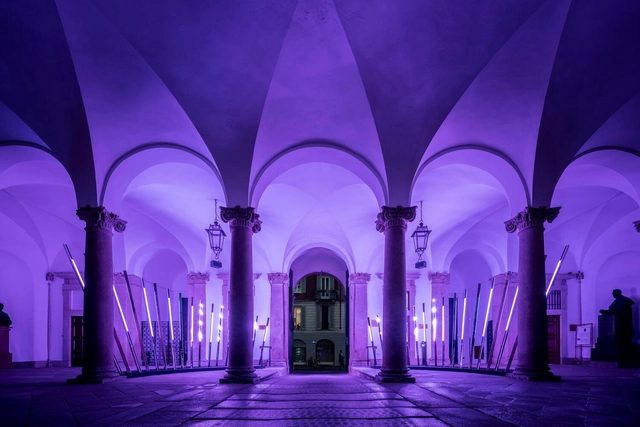
The emotional and spiritual atmosphere one feels when entering centuries-old architecture is palpable. So while the degradation, and sometimes even intentional destruction, of ancient structures and environments, is regretful and possibly shameful, it’s often an all-too-unavoidable part of healthy urban planning, adhering to important health and safety laws and regulations.
Whenever these historic yet antiquated environments are refreshed and adapted for modern life, however, they’re often labeled as grotesque Frankensteinian versions of their once beautiful selves. When the transformation is treated with care and respect, however, the humble grandeur and contemplative scale of the settings can remain intact.
Linear Suspended Lighting. Image Courtesy of Alcon Lighting
Lighting plays a crucial role in architecture: to allow users to see, safely inhabit spaces, and carry out their daily activities. But its power has long exceeded these basic functions, primarily driven by technological advances and new design trends that have led to greater innovation and creativity. Contemporary lighting design has the ability to completely transform a room, impacting visual comfort and setting the tone by defining volumes, drawing attention to texture and enhancing colors. It can also determine shape and size perception; for example, in a room that is particularly small, having extra lighting reflect off light-colored walls will help the space appear larger. Similarly, light has been proven to affect mood, concentration and overall well-being. Whereas an adequately illuminated environment is associated to warmth and improved energy levels, poor lighting can lead to health deficiencies, including headaches, eyestrain and even depression.
Le Corbusier once stated that “Light creates ambiance and feel of a place, as well as the expression of a structure.” Despite other external technicalities and design choices made within public spaces, such as the way the space is constructed and the use of color and materiality, these elements would essentially be rendered useless without the proper use of lighting.
Many architects’ design choices and decisions cater toward the general illumination of a given environment, and the intended feeling and mood that architects want individuals of the public to experience whilst occupying the space. The lighting, therefore, must be integrated into the furnishings and architecture as lighting plays a decisive role in creating the right atmosphere. Low lighting creates an intimate, upscale atmosphere, especially within restaurants, bars, and lounge areas, where individuals are more apt to lean close together.
Simply put, uplighting is any lighting that shines upward. Most commercial lighting pendants are designed with uplighting and downlighting capability. For interior applications, uplighting reduces ceiling dark spots and shadows while affording the user additional, glare-free indirect lighting.
Uplighting serves the architectural lighting design of the space by highlighting details such as beams, pipes and other distinctive ceiling traits.
https://www.archdaily.com/981413/an-interview-with-lighting-designers-on-the-role-of-uplightingDavid Hakimi
Modern interior living environments’ fine-tuned lightscapes feature a delicate mix of ambient, task, and accent lighting to perfectly balance performance and pleasure. But one area of a home’s visibility that’s still so easily overlooked is the exterior.
We are all experienced and we have all done it! I am referring to one's reaction to less than good lighting of course. Think about it.
We have all experienced architectural spaces wherein something about the lighting is not quite right. It could be any of the following issues, to name a few: appearance, color quality, controllability, emphasis or lack thereof, flicker, harshness of shadows, lack of shadows, illumination levels on horizontal and/or vertical surfaces, luminaire placement, proportions, and/or scale. Any of these issues can be perceived as bad lighting.
Light serves an essential purpose in architecture: to help us see. Whether it be through natural or artificial methods, rooms must be illuminated accordingly so occupants can safely inhabit them and fulfill their daily functions. When the right system is selected, light can also contribute to energy efficiency and sustainability within the building as a whole. However, apart from its evident functional and environmental value, lighting design can vastly impact the visual comfort and aesthetic tone of interiors by drawing attention to textures, enhancing colors and defining volumes. Therefore, of the many pieces involved in interior design, lighting is certainly one that can enhance or destroy a space and even affect users’ well-being, which is why it should be considered a crucial design element by itself.
The Second Studio (formerly The Midnight Charette) is an explicit podcast about design, architecture, and the everyday. Hosted by Architects David Lee and Marina Bourderonnet, it features different creative professionals in unscripted conversations that allow for thoughtful takes and personal discussions.
A variety of subjects are covered with honesty and humor: some episodes are interviews, while others are tips for fellow designers, reviews of buildings and other projects, or casual explorations of everyday life and design. The Second Studio is also available on iTunes, Spotify, and YouTube.
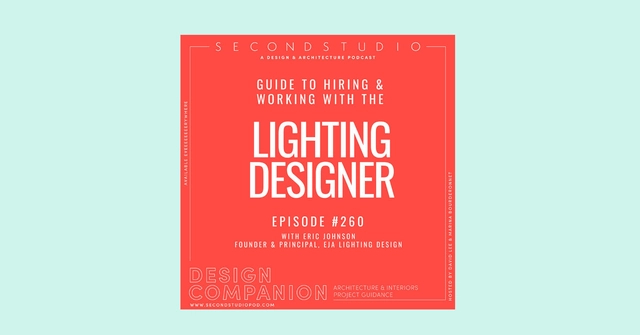
This week David and Marina are joined by Eric Johnson, Founder and Principal of EJA Lighting Design, to discuss the role and value of the lighting designer, common lighting flaws, working with architects, lighting different types and styles of architecture, lighting technologies, key qualities of a good lighting designer, and more.
ArchDaily Professionals is an initiative that focuses on all of the collaborators involved in architecture and construction, who participated and are credited in the projects we have carefully curated and published. This project aims to recognize and highlight the best collaborators responsible for delivering the best architecture, by delivering valuable knowledge related to the different disciplines within our community. Today, we are launching a series of video interviews between architects and collaborating professionals, to learn more about their work and to understand the importance of these relationships to deliver high-quality architectural projects.
For this first interview, ArchDaily’s Managing Editor, Christele Harrouk, met with lighting design firm L’Observatoire International’s founder, Hervé Descottes, and American architect Steven Holl. In this moderated talk, we had the chance to speak to Hervé and Steven about their collaboration in three cultural projects in the United States: the Institute for Contemporary Art at VCU, the Winter Visual Arts Building, and Nancy and Rich Kinder Museum. In this conversation, we learned more about what lighting in architecture means to them, how space and light should be conceived and why a close collaboration between architects and lighting designers is crucial to architecture projects.
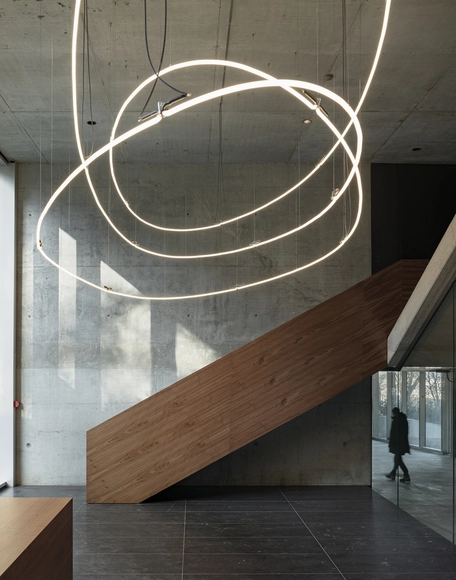
With walls and ceilings a long way away, often the most practical way to control the placement of a light source and the positioning of light, is to drop it into the exact position where it’s required, with a pendant light.
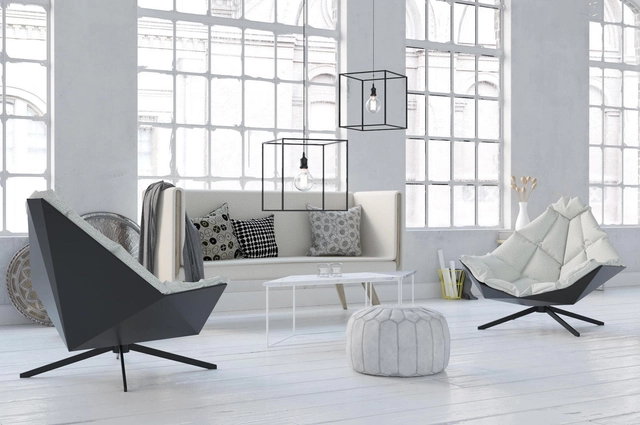
Even designer pendant lighting can be as simple or as complex as the project’s parameters call for. From the most intricate sculptures of glass or mechanical puppetry to a single bulb on a cord, here are seven types of pendant light, and the purposes and projects for which they’re best suited:
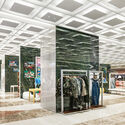
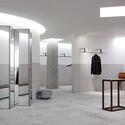
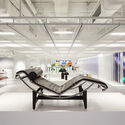
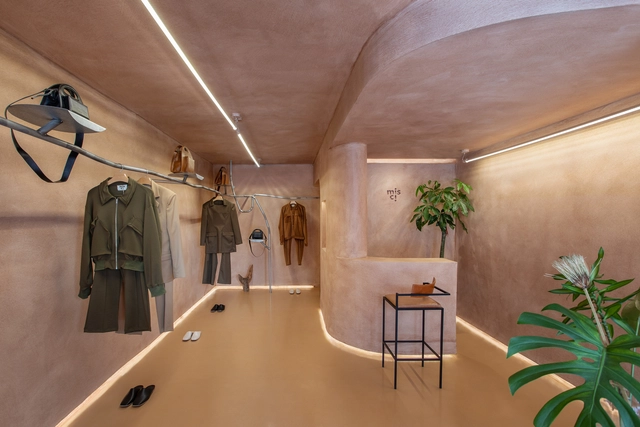
Commercial spaces must be enticing enough to pull people in, and comforting enough to keep them there. It’s this balance that makes the utilization of technical lighting so important to master.
It can be hard for spaces such as hospitality venues, offices, and retail environments to create comfortable, functional, and eye-catching lighting networks. But with venues, companies, and brands fighting harder than ever for the attention of shoppers, buyers, and workers, ensuring they present the perfect combination of ambiance, comfort, and aesthetic, all while staying completely on brand, is even harder than it appears.
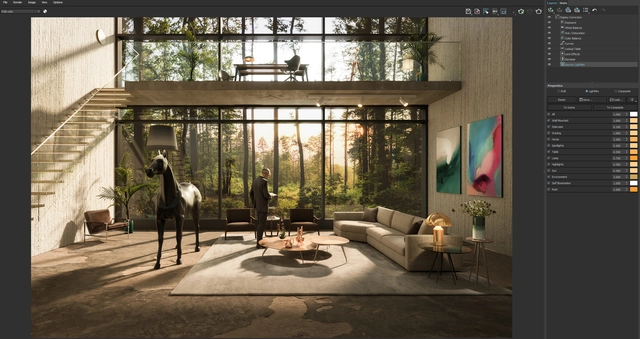
Using the new Light Mix in V-Ray 5, artists and designers can visualize ideas even faster and more effectively. Now, from just one single render, you have the power to create as many images as you can imagine, at a speed that simply wasn’t possible with earlier versions.
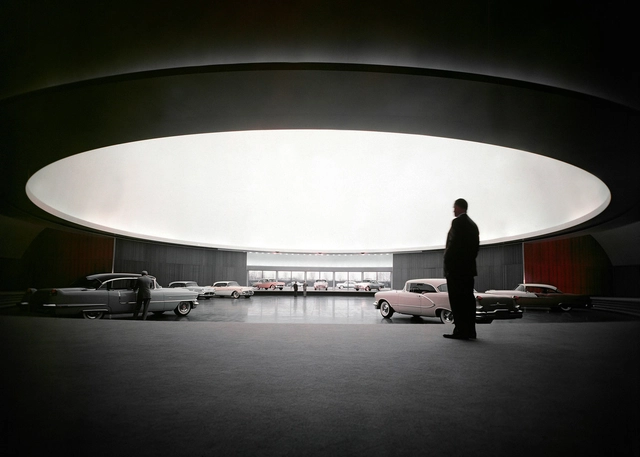
The General Motors Technical Center fascinates with architecture filled with an abundance of light. Interior offices and showrooms evoke the impression of a calm overcast sky for a human environment and beauty. The campus designed by Eero Saarinen represents an influential icon of midcentury design. Susan Skarsgard's book "Where Today Meets Tomorrow" opens intriguing perspectives to the origin of the American landmark.