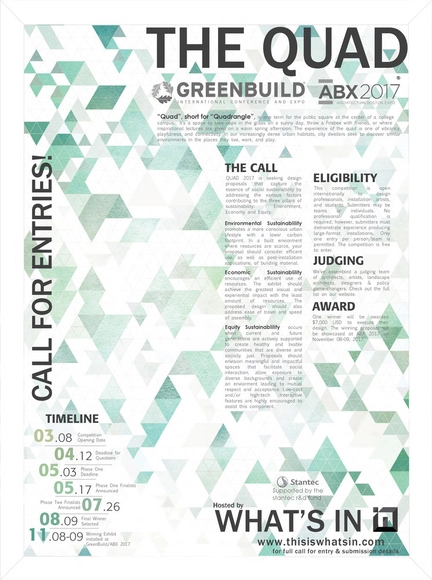
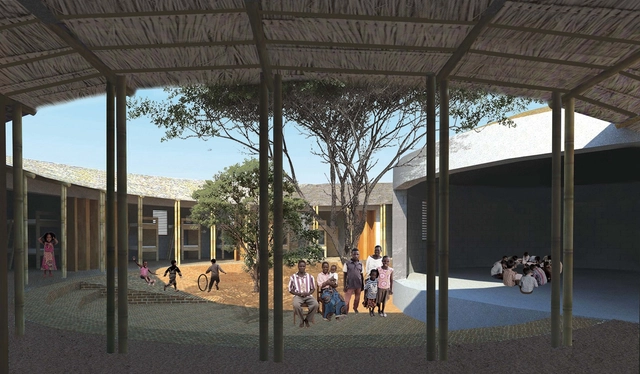
QUAD 2017 is seeking design proposals that capture the essence of social sustainability by addressing the various factors contributing to the three pillars of sustainability: Environment, Economy and Equity.
Videos
Courtesy of Team Aesop (Josh Draper, Lisa Ramsburg, Powell Draper, Edward M. Segal, and Max Dowd)
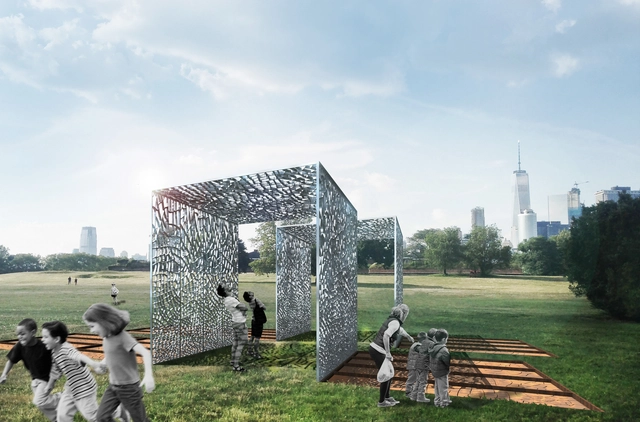
Cast & Place has been announced as the winner of the 2017 City of Dreamscompetition to create a pavilion for New York City’s Governors Island. Held by not-for-profit arts organization FIGMENT, the AIANY Emerging New York Architects Committee, and the Structural Engineers Association of New York, the competition called for a design to be the hub of FIGMENT’s free community arts festival during Summer 2017, based on questions of the future of New York, how design can confront environmental challenges, and how architecture can be built from recycled or borrowed material.
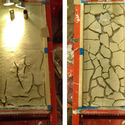
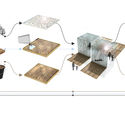
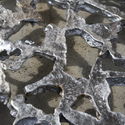
With these questions in mind, Cast & Place was conceptualized as a pavilion made entirely from waste. 300,000 recycled aluminum cans, cast into the cracks of dried clay, will form structural panels that assemble into shaded spaces for performance and play.
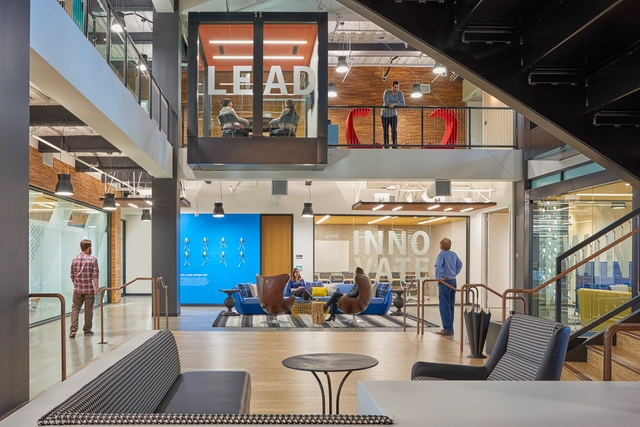
Symantec HQ - The building features a blend of natural materials, bold colouring, and branding. Image Courtesy of Little
Architecture continually evolves to meet societal demands. Recently, a global effort to tackle climate change, and to achieve optimum energy efficiency in buildings, has brought standards such as BREEAM and LEED to the fore. However, as scientific analysis and awareness of human mental health has increased, architects are once again required to place humans at the centre of the design process. This growing trend has led to the development of WELL Building Certification – considered the world’s first certification focused exclusively on human health and wellbeing.
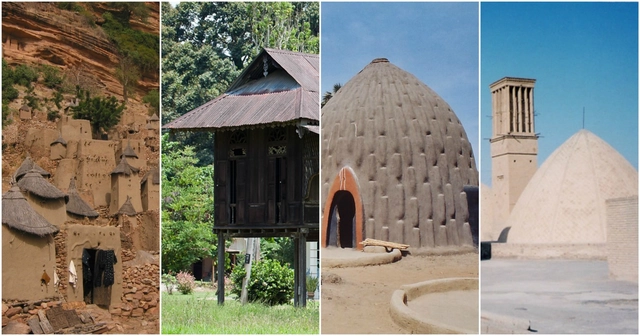
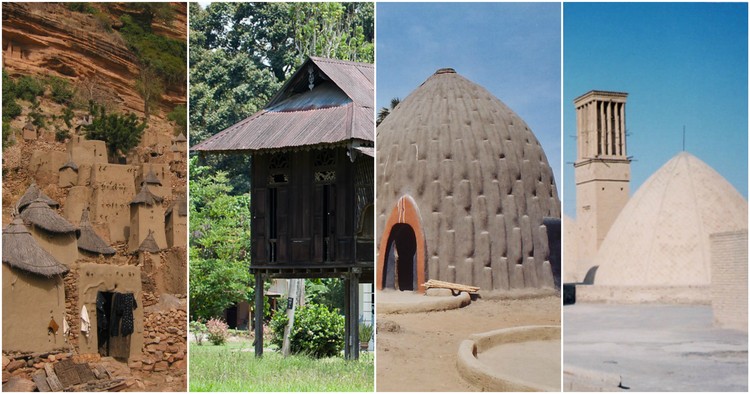
"Vernacular architecture can be said to be 'the architectural language of the people' with its ethnic, regional and local 'dialects,'" writes Paul Oliver, author of The Encyclopaedia of Vernacular Architecture of The World’. Unfortunately, there has been a growing disregard for traditional architectural language around the world due to modern building technology quickly spreading a “loss of identity and cultural vibrancy” through what the Architectural Review recently described as “a global pandemic of generic buildings.” People have come to see steel, concrete and glass as architecture of high quality, whereas a lot of vernacular methods including adobe, reed or peat moss are often associated with underdevelopment. Ironically, these local methods are far more sustainable and contextually aware than much contemporary architecture seen today, despite ongoing talks and debates about the importance of sustainability. As a result of these trends, a tremendous amount of architectural and cultural knowledge is being lost.
Videos
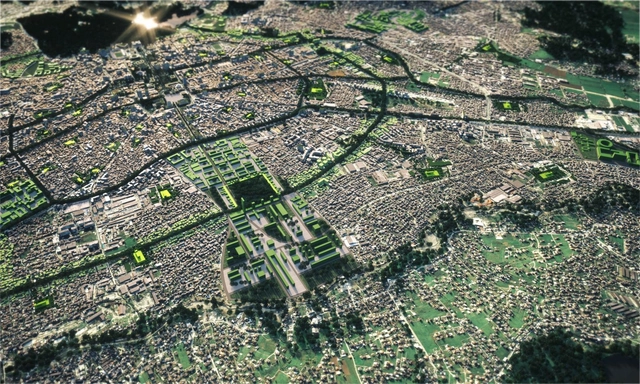
Bird's eye view of the regenerated city centre. Image Courtesy of Attu Studio
In 1925, Italian designer Armando Brasini created a sweeping masterplan to transform the Albanian capital city of Tirana. Almost one hundred years later, the Tirana 2030 (TR030) Local Plan by Italian firm Stefano Boeri Architetti has been approved by Tirana City Council. Collaborating with UNLAB and IND, Boeri seeks to define a new era in the country’s capital, incorporating controlled development, advanced infrastructure, green corridors, and an enhancement of the city’s architectural heritage.
No one puts solar panels on their house because they’re sexy—at least, not yet.
Jon Gardzelewski, an architect and associate lecturer at the University of Wyoming in the Building Energy Research Group (UW-BERG), wants to change that. He believes the fact that solar panels are usually an afterthought to the design of a building is a big barrier to integrating them into a critical mass of houses and buildings.
In honour of its 10th anniversary, the Curry Stone Design Prize will recognize a large group of the world’s most socially conscious and active design practices, in what the Foundation has coined as the Social Design Circle.
Over the course of the year, 100 firms will be added to the Circle for their sustainable, socially inclusive and impactful design work, under twelve specific themes. Each month, select firms’ work will be highlighted individually on the Prize’s website, while also featuring on the Curry Stone Foundation’s new podcast, Social Design Insights.
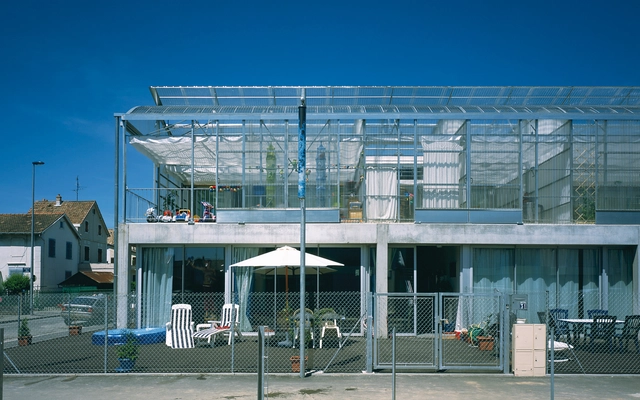
The following seven practices were selected for the month of February, in response to the theme “Is The Right to Housing Real?”:
https://www.archdaily.com/804554/curry-stone-design-prize-recognizes-7-practices-for-strides-in-social-housingOsman Bari
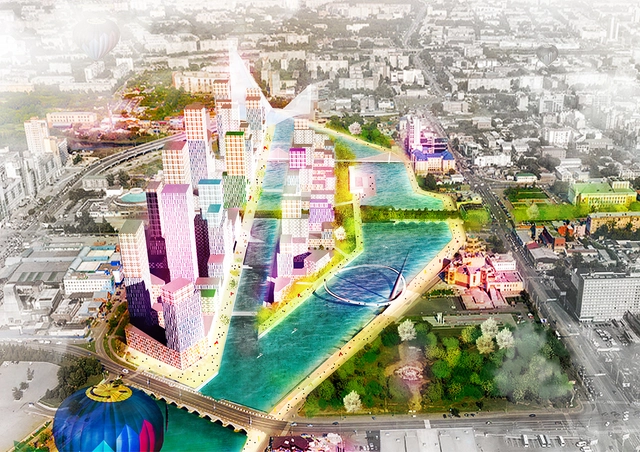
Development of the Miass river. Image Courtesy of Felixx Landscape Architects and Planners
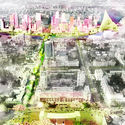
Dutch firm de Architekten Cie, in collaboration with Felixx Landscape Architects and Planners, has won an international competition to transform the historic Russian city of Chelyabinsk. The winning masterplan, chosen by the City Administration of Chelyabinsk from five proposals, seeks to activate the city’s existing grid structure and to use it as a vehicle for spatial transformation.
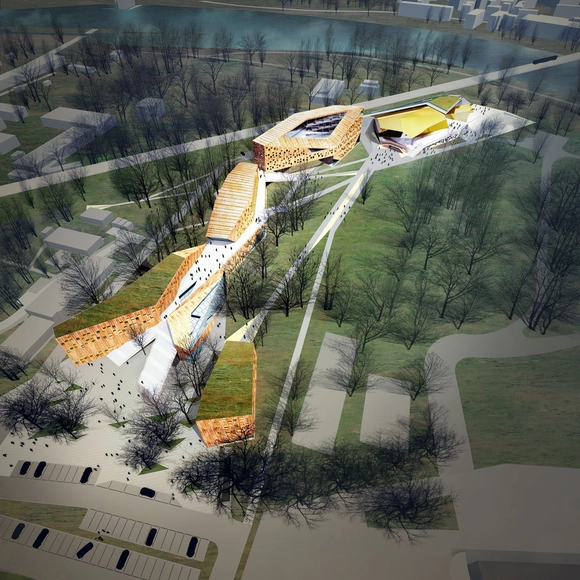
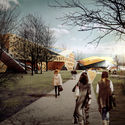
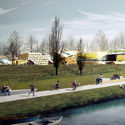
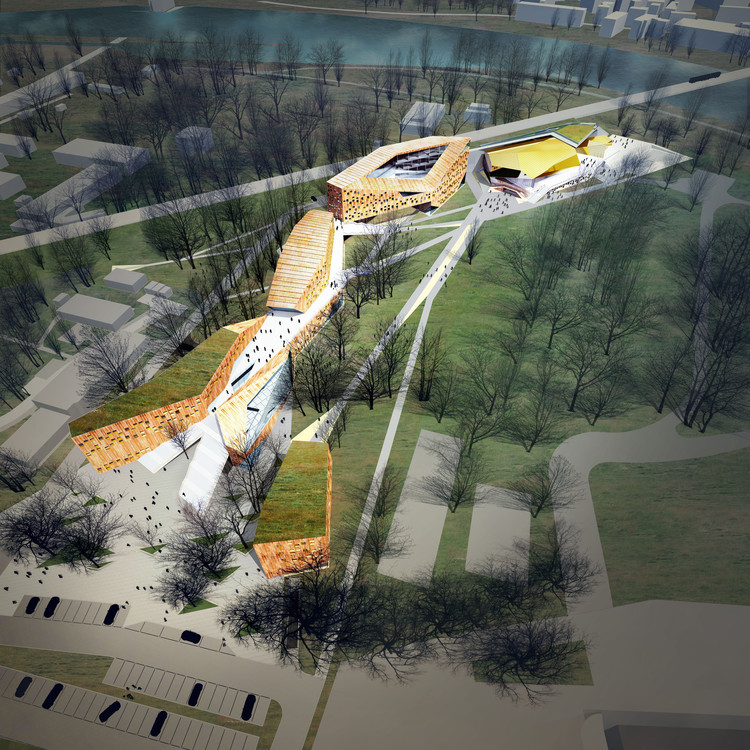
FAAB Architektura has designed a smog-fighting music academy on the site of a former military base in Cracow, Poland. In a city constantly tackling air pollution, FAAB has incorporated a 1300 square meter "Air Purifier" into their proposal, combating CO2 levels as effectively as 33,000 city trees. This system, however, is only one element in a music academy wholly integrated with its natural surroundings.
Fact-finding Mission to Germany: Energy Efficiency in Buildings
The fact-finding mission to Germany for US Architects is part of the "Energy Efficiency - Made in Germany" initiative of the Federal Ministry of Economic Affairs and Energy and is organized by energiewaechter GmbH and the German American Chamber of Commerce, Inc. in New York. Joining the fact-finding mission to Frankfurt and Darmstadt will give US Architects the opportunity to learn about innovative German technologies and services in the field of energy efficient buildings and passive house.
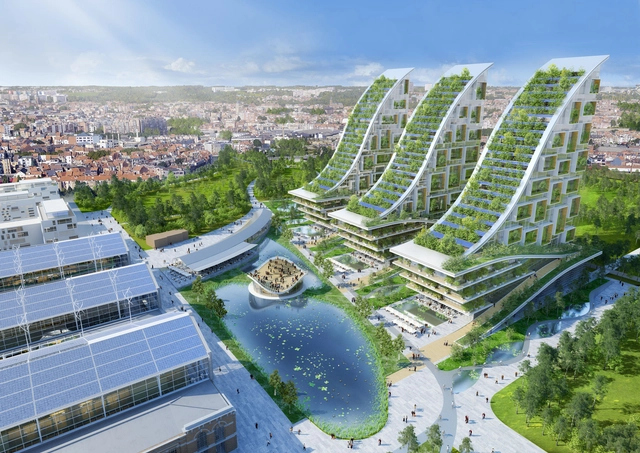
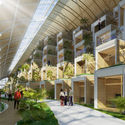
Vincent Callebaut Architectures has released plans for the development of a radical eco-neighborhood at Tour & Taxis, Brussels, Belgium. Covering an area of 135,000 square meters, the proposal will see the redevelopment of the early twentieth-century Gare Maritime, and the construction of three residential “vertical forests” reaching 100 meters in height. The architect’s ultimate vision is a neighborhood which embraces technological progress, sustainable building principles, and renewal of the built heritage.
Situated northwest of Brussels city center, and constructed in 1907, the industrial park at Tour & Taxis originally operated as a shipping and customs complex. Whilst the lifting of European customs borders has rendered its original function obsolete, the Gare Maritime (Marine Terminal) still embodies the architecture of the industrial era.
Fifteen years ago, when I worked on the design of a high-performance museum, the concept was considered so unusual that the media questioned the very idea. The US Green Building Council (USGBC) had only very recently introduced its Leadership in Energy and Environmental Design (LEED) rating system, so much of the public wasn’t familiar with the concept. Over the following decade, it became more and more popular in every building type, including museums. A watershed year was 2008. The Water + Life Museums in Hemet, CA, became the first LEED Platinum museum, quickly followed by the California Academy of Science, which has been called “the world’s greenest museum.” The same year, the Grand Rapids Art Museum became the first LEED-certified art museum. By 2016, International Museum Day could highlight ten LEED-certified museums in the US alone.
The Urban Futures Studio proudly presents the Post-Fossil City Contest. We are calling on artists, designers, architects, urbanists, authors, photographers, filmmakers and all-around creative thinkers to imagine a city that is no longer reliant on fossil fuels. Proposals in any shape or form are welcome: from illustrations, 3D models and essays to videos, products and interventions.
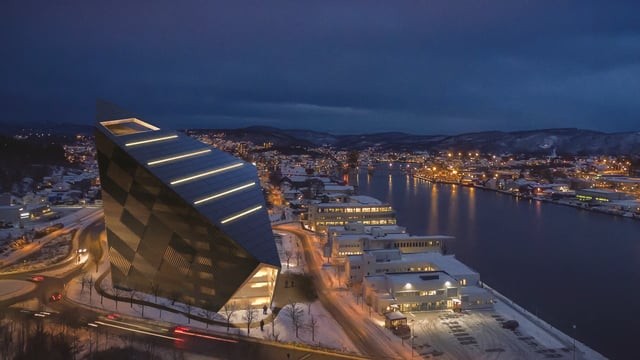
A country known for economic dependency on its rich oil deposits, Norway is now looking toward the future of energy production: net-positive architecture. Taking the lead in this initiative, developer Emil Eriksrød has commissioned American-Norwegian firm Snøhetta to design Norway’s first energy positive building, Powerhouse Telemark, a 6,500 square meter (70,000 square foot) office building located in the tiny Norwegian town of Porsgrunn, home to just 35,000 people. When completed, it will be the world’s northernmost plus-energy building.
Architecture, as a profession and discipline, has come a long way since Vitruvius. It continues to evolve alongside culture and technology, reflecting new developments and shifting values in society. Some changes are conscious and originate within the field of architecture itself, made as acts of disciplinary or professional progress; others changes are uncontrollable, arising from architecture's role in the wider world that is also changing. Below are just some of the changes that have taken place in recent decades:
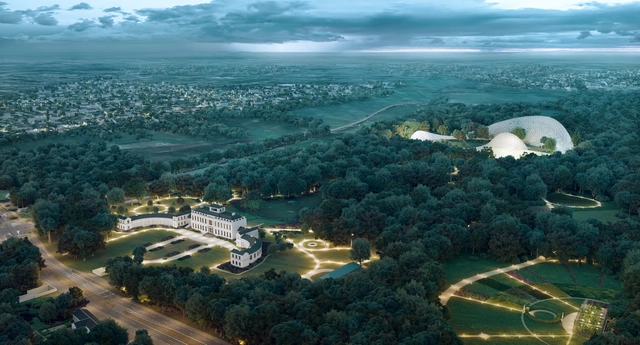
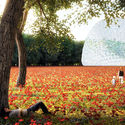
Mecanoo has unveiled its design to transform The Soestdijk Estate into Eden Soestdijk, “an experimental garden for a sustainable society and a paradise destination for all” in The Netherlands. In an effort to become an educational tool for environmental awareness, the project aims to make a significant contribution to meeting the UN’s Sustainable Development Goals.
“The world is facing pressure from increasingly larger and more complex problems when it comes to water, food, climate and energy,” said Anton Valk, chairman of the Eden Soestdijk foundation. “Eden Soestdijk wants to tackle these problems and contribute to a more sustainable society by stimulating and inspiring visitors to change their behaviour in a positive way.”
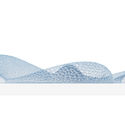
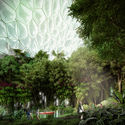
An architectural greenhouse behind the palace gardens will be the centerpiece of the project, and will house an interactive exhibition focusing on topics like circularity, ecological balance, and social aspects of sustainability.