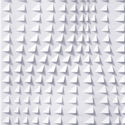
For the most part, rubber isn’t considered a conventional building material – at least not to the same extent that materials like wood, concrete, or glass are. But rubber is commonly used in interiors for flooring of extraordinary color or brightness, and even more unexpectedly for exterior facades with unique aspects or upholstery effects. This functionality is motivated by unique advantages such as smoothness, elasticity, durability, and color consistency.
For most of the history of architecture, interesting facades were achieved through materiality or ornamentation. From the elaborately painted friezes of the Parthenon to the glass exteriors of modern skyscrapers, architecture was primarily static, only ‘changing’ as the environment would change and affect the material of the façade in differing ways, be it rain, light, rust, etc.
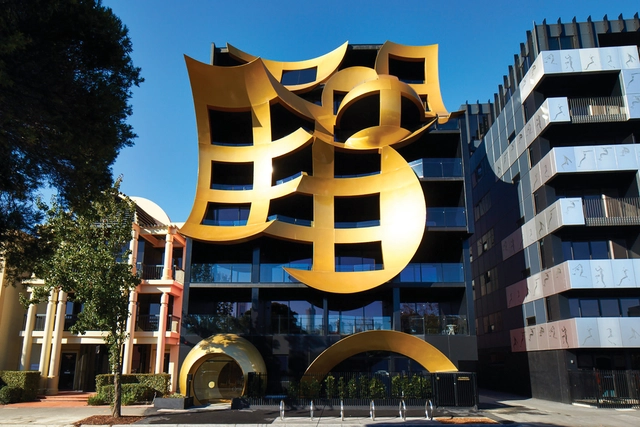
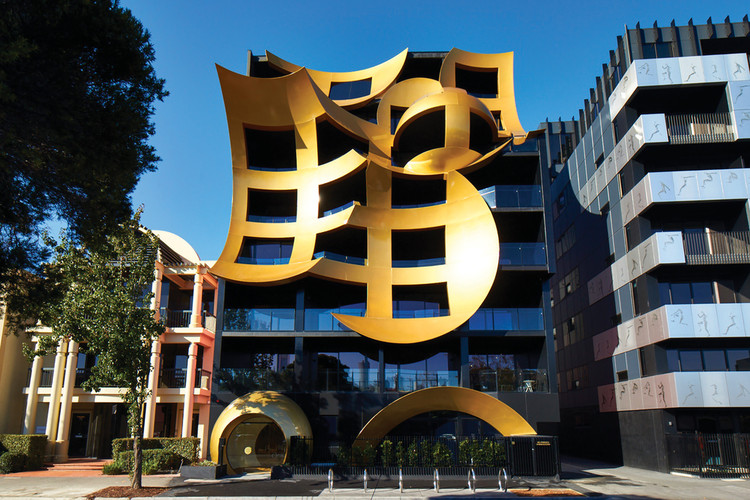
Orbis Façade / ARM (Ashton Raggatt McDougall). Image Courtesy of Shapeshell
Initially created for aerospace purposes, materials based on advanced fiber-reinforced thermoset technology are increasingly being considered not only to manufacture specific building elements but also to change the way buildings are conceived, designed and built. Despite being incredibly resistant –almost six times stronger than steel– fiber-reinforced materials are light and easy to handle, allowing the creation of complexly shaped but efficient architectural projects.
We spoke with experts from ShapeShift, the creators of the ShapeShell product, in order to deepen our understanding of this technology and learn more about how we can take advantage of its possibilities in our future projects.
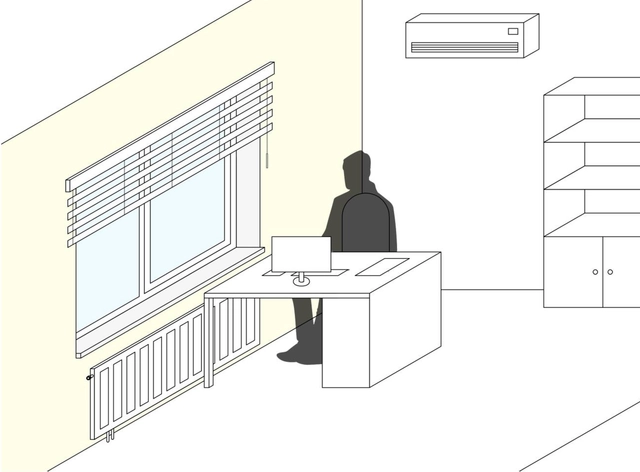
Many of us spend most of our days sitting behind a computer and working. In our working environments, not only indoor conditions, but also the daily interactions with building’s façade (i.e. opening a window, closing a window blind or simply looking out from a window) have a major impact on our experiences. In that respect, as a part of an ongoing Ph.D. research, this survey investigates users' experiences in their working environments, related to the building's façade.
The ventilated façade is a construction solution that uses a double enclosure distanced from each other by a support structure to generate an air chamber for ventilation. This operation creates a chimney effect that activates air currents by convection, improving the acoustic and thermal insulation of the building, and increasing its energy efficiency.
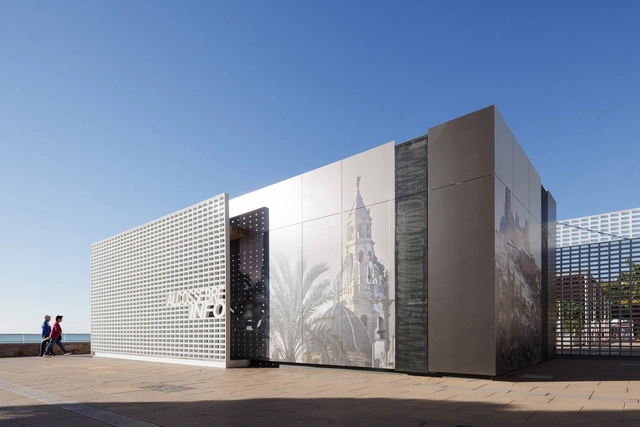
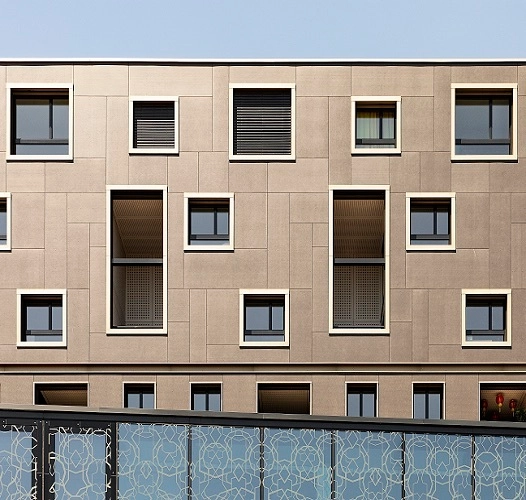
Due to its nature and manufacturing, the 3.5 mm porcelain tile is a great choice for ventilated façade cladding. Its high resistance to weathering, dimensional stability, and lightness reduce the support structure requirements. It weighs 3 times less than a traditional porcelain tile and allows large formats, up to 3.6 meters, reducing the number of joints. It also delivers high color stability, impact resistance, and low maintenance over time.
Modular coatings for facades and enclosures typically deliver fast and efficient solutions. However, many times they lack richness and character since they are repeated infinitely, without relating to the architectural design and its different functions and requirements.
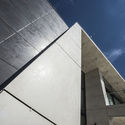
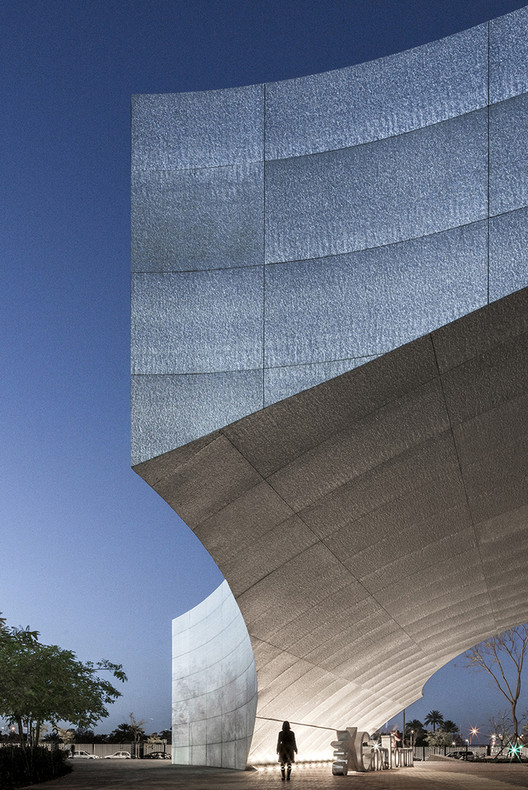
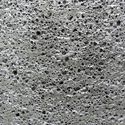
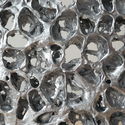
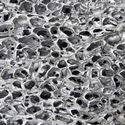
These aluminum foam panels are manufactured through an air injection process in molten aluminum, which contains a fine dispersion of ceramic particulate. These ceramic particles stabilize the air bubbles, and create aluminum foam panels which provide an interesting level of detail and variability, generating unique facades with different levels of texture, transparency, brightness, and opacity. These ultralight panels can be used as flat architectural sheets, are 100% recyclable and available in standard sized formats up to 3.66 meters long (custom longer panels also available).
Denver Botanic Gardens / Burkettdesign. Image Courtesy of Swisspearl
At the start, train cars stand ready with cement and bales of fibers. A machine processes the mixture layer by layer into panels of the desired size and thickness. However, some specific production knowledge must be considered in the manufacture of the building material. Marco Ziethen, Swisspearl’s head of production technology, explains us the fabrication process of fiber cement.
Courtesy of Tsimailo Lyashenko and Partners, by MIR
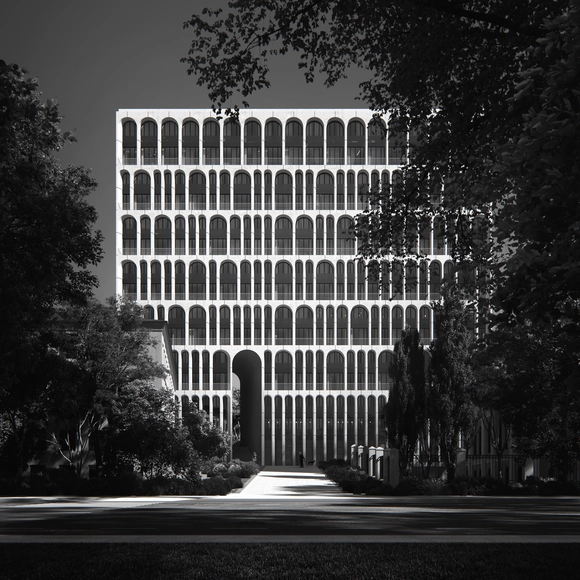
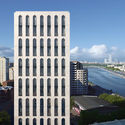
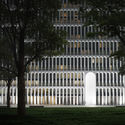
Architectural bureau Tsimailo Lyashenko and Partners have unveiled their concept for "Brodsky", a new residential building on a high-density plot in the central district of Moscow. Situated along a river embankment, the scheme seeks to create a strong functional and visual connection between itself and the surrounding context.
The 14-story scheme named after the famous Russin poet seeks to enhance the public realm by creating a courtyard with a pedestrian alley, weaving around the scheme’s arch façade to connect with the embankment. The positioning of the courtyard alley also establishes a new visual experience not currently realized: a two-point perspective from the courtyard to the river.
Zinc is a natural element extracted from ores. Its symbol, which appears in the dreaded Periodic Table, is Zn. Through a metallurgical process of burning its impurities (reducing zinc oxide and refining), it assumes a much more friendly appearance, and later becomes the sheets, coils, and rollers used in construction. The main characteristic of this material is its malleability, which allows it to be worked easily, allowing to cover complex forms in facades and roofs of buildings.
Since its discovery in 8700 B.C., copper has been one of the most used metals in the history of humankind. It has a variety of uses from coins and weapons to statues and even architecture. One of its first architectural uses was in Ancient Egypt for the massive doors of the temple to Amen-Re at Karnak in 300 B.C.
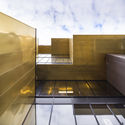
The versatility of the material continues in architecture to this day, allowing for a variety of unique designs and uses. The innovative, efficient, and lightweight material is versatile in its use, ranging from facades to roofs, interior applications, and high tech solutions. Sustainable in its natural form, the material is 100% recycled. As the state of architecture becomes more focused on sustainability, copper becomes the ideal material for the buildings of today.
Below, we’ve selected 7 projects that use architecture's original bling.
https://www.archdaily.com/907537/copper-facades-architectures-original-blingMartita Vial della Maggiora
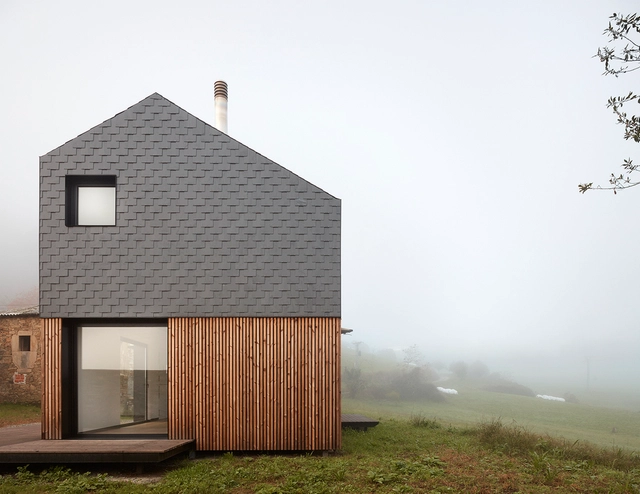
Slate is a mineral product, completely inert and ecological, with a simple and efficient production process. It is one of the most versatile natural products, adapting to any project as a coating material, from roof to floor and façade.
It is resistant to extreme temperatures, with a lifespan of 100 years and a high impermeability, slate guarantees a reliable performance in any climatic condition. Its diversity in shapes, sizes, and textures allow for a multiplicity of combinations inviting architects to awaken their creative side.
We've compiled a list of 7 exemplary homes that have used slate as a wrapping material.
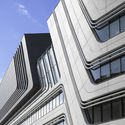
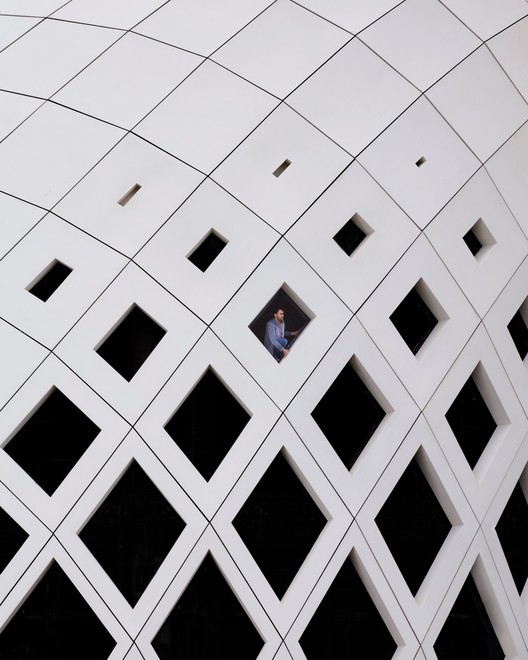
Surely every architect has wondered how the fluid but complex forms of the architecture of Zaha Hadid Architects are brought to reality. And it's beautiful to see how an initial conceptual idea –probably drawn as a quick sketch– materializes in precise and detailed planimetric drawings.
We have compiled a series of construction details from 9 projects developed by Zaha Hadid Architects that give insight into her distinct style and approach, showing us that, with a little ingenuity and a lot of expertise, even the most impossible-seeming dreams can be built.
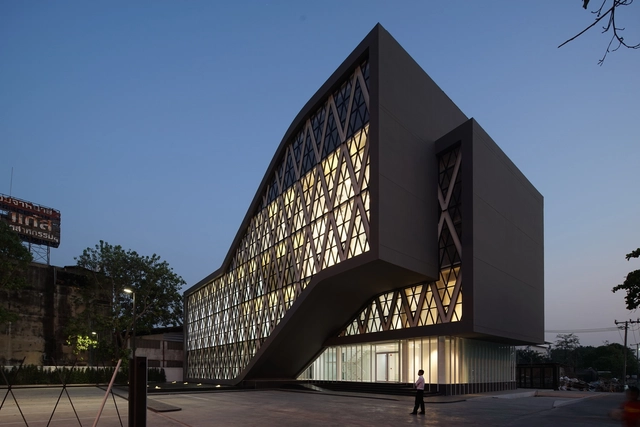
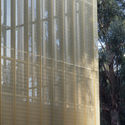
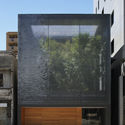
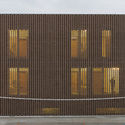
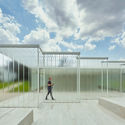
Recently, a new trend in architecture has emerged: Several of the latest projects highlighted by ArchDaily, including some winners in the Building of the Year Awards, are using permeable facades as an attractive option for their exterior finishes.
In recent years, social media (especially Instagram) has become an extremely important tool in the field of architecture. Instagram has become the go-to visual platform for showcasing a wide variety of architectural typologies and styles, city views, and stunning edifices that often go unnoticed. While these buildings may seem ordinary to the everyday passerby, they become objects of art for not only architects but those who stop to take notice of their design.
Below we have selected 13 Instagram accounts dedicated to highlighting facades and walls from around the world, showcasing the diversity of our cities.
Innovative and sustainable products made of natural raw materials, such as the new large size façade panels Texial, are borne of ingenuity and expertise. The fine surface structure gives the appearance of a fabric and is always one-of-a-kind because it is embossed by hand.
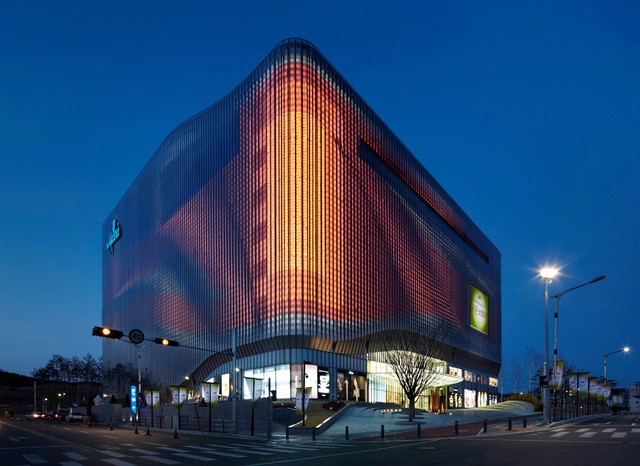
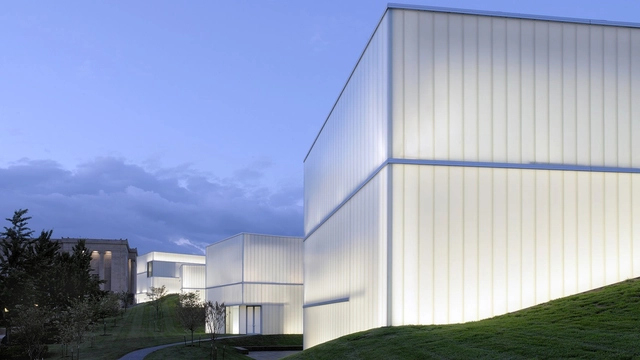
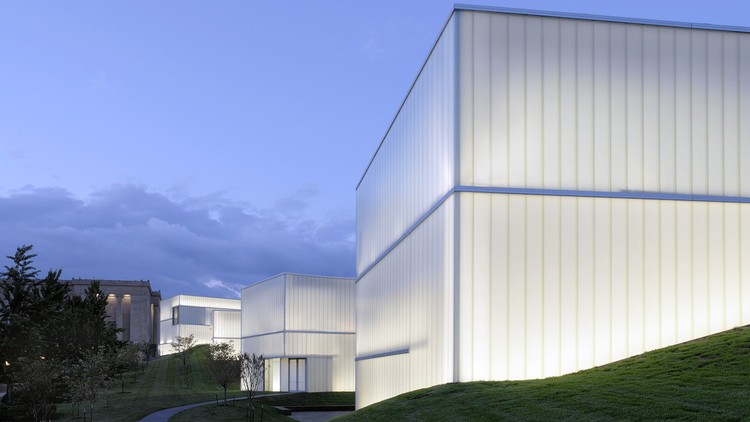
Recurrently we see how architects opt for translucent facades to create the envelopes of their buildings, promoting the entry of a large amount of natural light, while simultaneously controlling it during the day. Illuminated during the night, many of these projects can be seen in the dark, appearing as lanterns or lighthouses for their neighbors and community. Being exposed to changing conditions – day or night – to choose the right material, it's necessary to study in detail the orientation and location of the building, the pre-existing context, and the configuration of the interior spaces.
We present a system of glass panels that allow buildings with this type of façade –spanning from floor to ceiling without interruptions – with minimal frames and different colors, textures, thermal and acoustic performances.
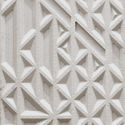
Anoma, headed by EDIDA-winning Indian artist Ruchika Grover, is a product design studio that explores the potential of natural stone. Its surfaces, sculptures, and installations, are created through a unique process, which combines digital manufacturing and traditional hand craftsmanship.
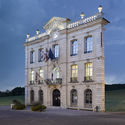
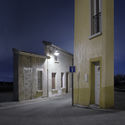
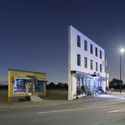
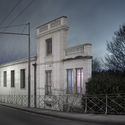
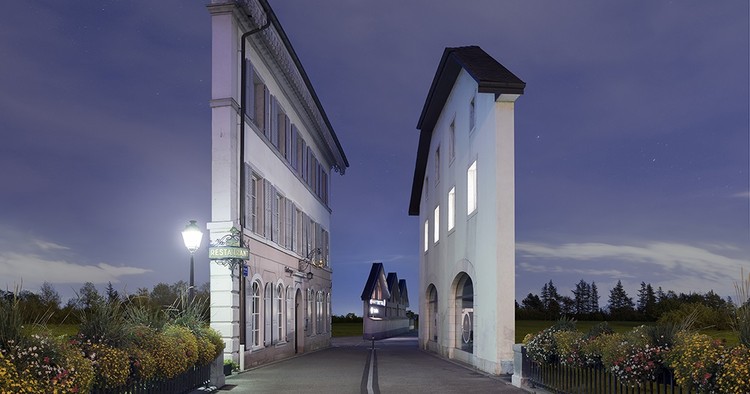
In his ongoing photo-series "Façades," French photographer Zacharie Gaudrillot-Roy a series of images in which he removes the mass and depth of buildings, and leaves behind the mere fragments of exterior skin. The photos, which resemble deserted Hollywood sets, illustrate roadways, towns, apartment complexes, and other environments without giving away the ideas of anything beyond the superficial image of the facade—leaving much to the imagination.






-5.jpg?1556247201 "Cortesía de CHC")










.jpg?1540932376&format=webp&width=640&height=580)

.jpg?1540930206 "MAXXI Museum / Zaha Hadid Architects. Image © Iwan Baan")

.jpg?1540932376)





.jpg?1532965749 "Foliage / Monstera. Image Courtesy of Anoma")