1. ArchDaily
  2. Facades

Facades: The Latest Architecture and News

Converting Sunlight to Electricity with Clear Solar Glass

 | Sponsored Content

In today's climate, energy and how we use it is a primary concern in the design of built spaces. Buildings currently contribute nearly 40% to global carbon emissions and with a projected growth of 230 billion square meters in construction before the end of 2060, the focus on construction decarbonization efforts should be paramount.

Single-Skin Metal Panels: Construction Tips and Details for Building Envelopes

Subscriber Access | 

The façade is one of the most important elements in an architectural project. In addition to being the building's first barrier against heat, rain, snow, or wind, it also largely determines the appearance of a building. It can make the project stand out, blend into urban context, or even manifest, at first glance, values of transparency, lightness, or simplicity that the architect seeks to convey. Accordingly, the façade also constitutes a significant portion of the total cost of the work and, therefore, must be specified very carefully, taking into account aesthetics, functionality, maintenance, and long-term behavior.

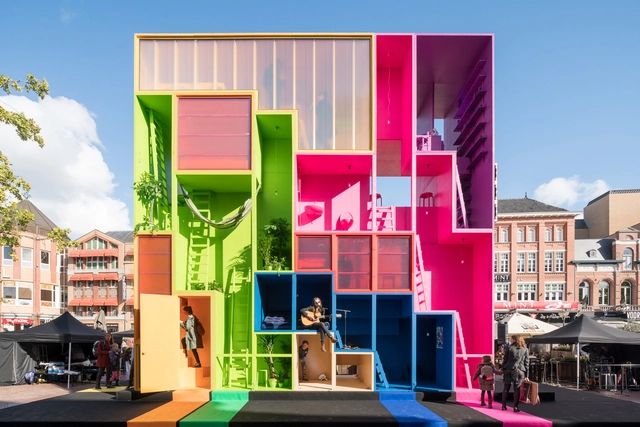
Expressive Polycarbonate: Creating Colored Translucent Facades

Subscriber Access | 

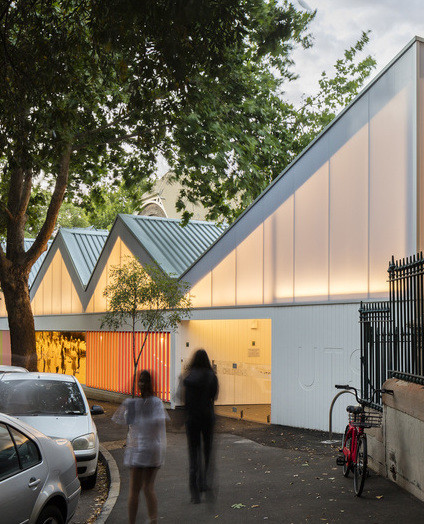
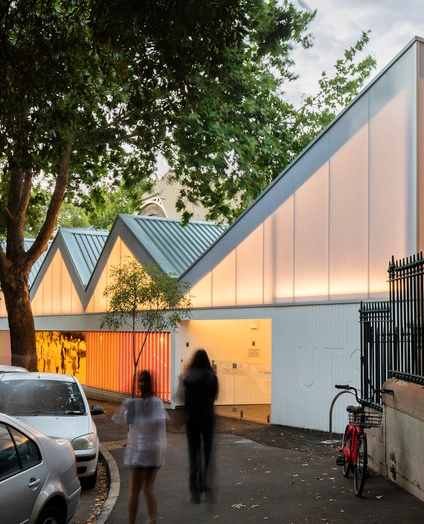
Polycarbonate has become an alluring alternative to glass in facades, as it has different levels of translucency and can provide optimal transmission and diffusion of light. Moreover, it is light, flexible, recyclable, durable, resistant to impact, and includes UV protection, in addition to resisting temperatures between -40°C and 115°C. But beyond its functional properties, this thermoplastic also provides wide-ranging aesthetic opportunities, allowing architects to create unusually dynamic and expressive facades.
Architectural Wire Mesh Provides Versatile Shading Solutions

 | Sponsored Content

Now that we’re all spending much more time inside due to the pandemic, we’ve had a chance to truly understand and appreciate the significant impact that windows can have on a space. Views, sun angles, and orientation of windows are all important considerations when designing a new building - and as pleasant as it is to have a connection to the outdoors, windows can also cause issues like glare and heat gain. Of course no one wants a building with windows only on one side or to have the blinds shut constantly to be able to see their computer screen, so one versatile architectural solution is to shade windows using architectural wire mesh.

How to Make a Facade with Recycled Materials: 21 Notable Examples

How to Make a Facade with Recycled Materials: 21 Notable Examples - Image 1 of 4How to Make a Facade with Recycled Materials: 21 Notable Examples - Image 2 of 4How to Make a Facade with Recycled Materials: 21 Notable Examples - Image 3 of 4How to Make a Facade with Recycled Materials: 21 Notable Examples - Image 4 of 4How to Make a Facade with Recycled Materials: 21 Notable Examples - More Images+ 38

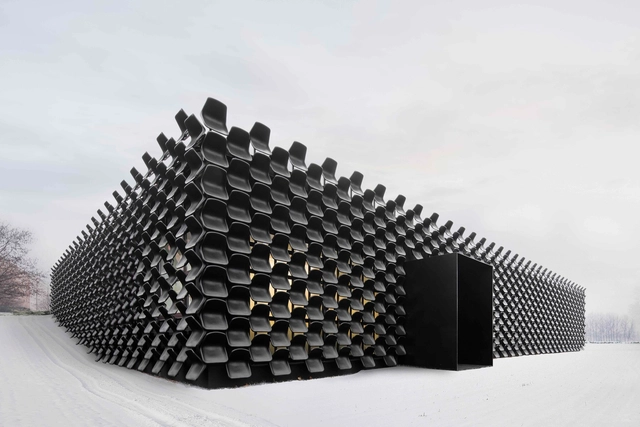
With the aim of supporting architects to become active agents of sustainable design, this week we present a selection of facades that incorporate different recycled materials. Beyond the typical uses of plastic and glass, in this article, you will find innovative materials such as mattress springs, ice cream containers, plastic chairs, and recycled waste from agricultural and industrial products. A look at 21 remarkable projects using recycled materials to create an attractive facade.

Ventilation and Shade: Permeable Walls in Colombian Architecture

Subscriber Access | 

In countries where architecture adapts to the seasons, projects must respond so that they are comfortable for the users, both in the hot summer temperatures and in the cold winter. Tropical countries, such as Colombia, are a bit luckier. The temperature of construction sites depends less on the seasons and more on where they are located geographically according to the altitude above sea level; the closer they are to the sea, the warmer it is. For this reason, it is not essential to seal or insulate the interior spaces. On the contrary, the good management of constant ventilation creates a more permeable and contextual architecture.

We have put together a series of projects with different architectural programs: local markets, health facilities, cultural, education and housing projects. They show that with different construction techniques, you can begin to control the permeability, air flow, privacy or solar heat gain. Explore each of these projects below.

Why It’s Effective To Wrap Architecture In Zinc

Subscriber Access | 

A lightweight material par excellence, zinc is a non-ferrous metal that provides an effective solution for coating buildings exposed to adverse weather conditions, while simultaneously delivering a creative response to the requirements of a project.

When in contact with humidity during the summer, zinc panels generate a self-protecting layer that isolates heat from indoor spaces. Rain and snow slide easily over its surfaces, and its modular panels can wrap curved shapes or be perforated according to the architectural design, and combined in facades and/or ceilings through different shades, brightness, and colors.

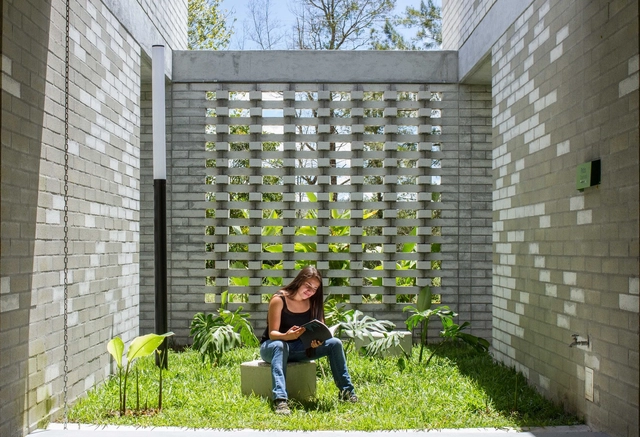
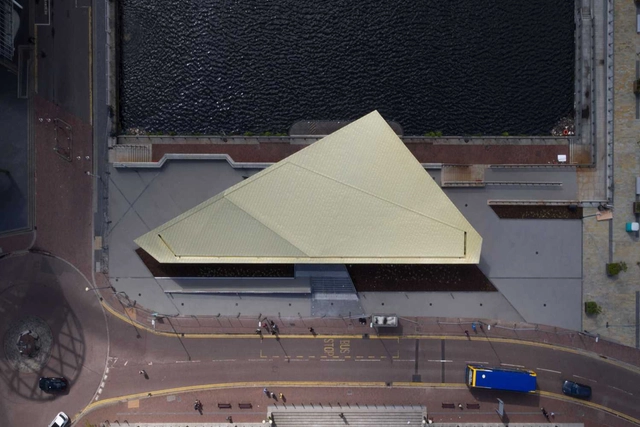
Why It’s Effective To Wrap Architecture In Zinc - Image 1 of 4Why It’s Effective To Wrap Architecture In Zinc - Image 2 of 4Why It’s Effective To Wrap Architecture In Zinc - Image 3 of 4Why It’s Effective To Wrap Architecture In Zinc - Image 4 of 4Why It’s Effective To Wrap Architecture In Zinc - More Images+ 14

From Design to Data: 12 Examples of Parametric Façades

Subscriber Access | 

The digitization of production and technological resources linked to the development of increasingly sophisticated tools has a direct impact on the contemporary practice of architecture and urbanism. Thinking about cities and buildings based on the digital assumption provides great possibilities for innovation in terms of design, optimization of resources and processes, improvement in performance and monitoring the maintenance of work, among other aspects. Many tools are already available, ranging from artificial intelligence to 3D printing, through various devices that change the paradigms of the profession and demand a new attitude when designing.

15 Details of Metal Structures and Facades for Residential Projects

Subscriber Access | 

The use of steel in both the past and present is mainly associated with the success of grand industrial and civic structures. But due to the commercialization and standardization of steel profiles, its use in residential projects (thanks to its mechanical properties and fast installation) has resulted in complex and interesting solutions on a domestic scale.
Dive into these 15 construction details from residential projects that have made use of steel structures and cladding. 

How Do Insulated Metal Panel Systems Offer Superior Fire Performance?

Subscriber Access | 

Architects and designers are constantly looking to the latest design and façade trends to create attractive buildings for their clients. The challenge they face is delivering a creative look that meets building code compliance and testing standards. With high-rise buildings in particular, it is critical that the materials used for the building's construction perform effectively to prevent a disaster if a fire occurs.

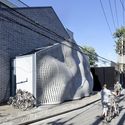
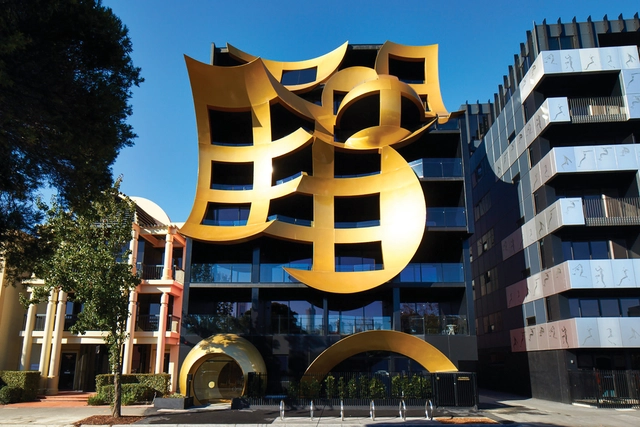
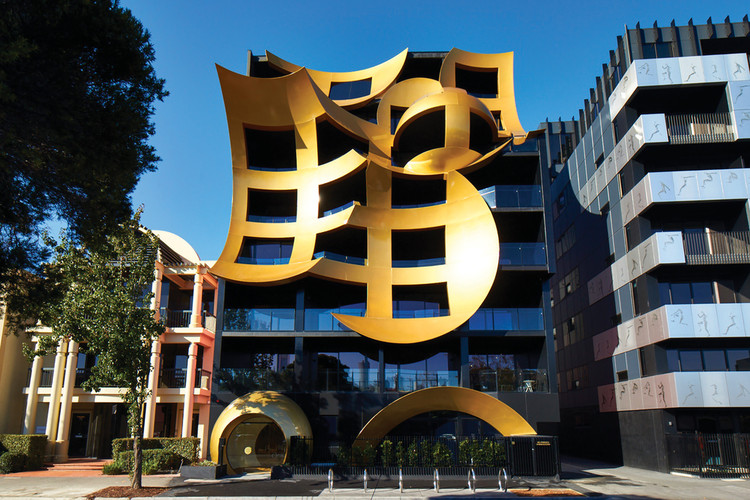
The MaoHaus / AntiStatics Architecture

The MaoHaus / AntiStatics Architecture - Small Scale, Facade
MaoHaus Exterior. Image © Xia Zhi

The MaoHaus / AntiStatics Architecture - Small Scale, FacadeThe MaoHaus / AntiStatics Architecture - Small Scale, FacadeThe MaoHaus / AntiStatics Architecture - Small Scale, FacadeThe MaoHaus / AntiStatics Architecture - Small Scale, Facade, CityscapeThe MaoHaus / AntiStatics Architecture - More Images+ 47

Beijing, China
  • Area Area of this architecture project Area:  2000
  • Year Completion year of this architecture project Year:  2017
  • Manufacturers Brands with products used in this architecture project
    Manufacturers:  Ductal®

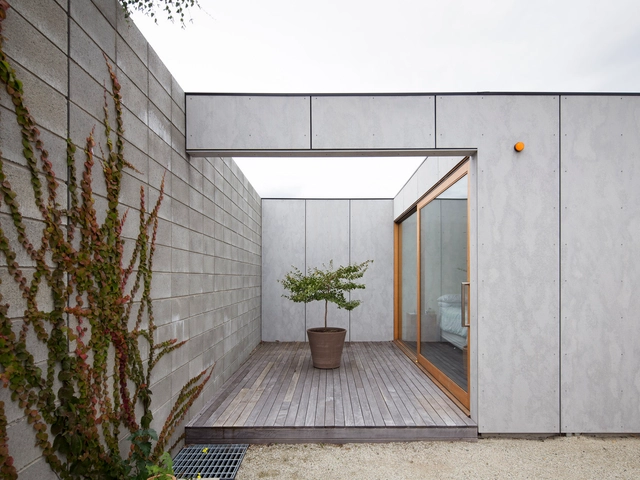
Fiber Cement Facades in Architecture: 9 Notable Examples

Subscriber Access | 

How to build light and modular facades with a rustic and monolithic appearance?

Composed of cement, cellulose, and mineral materials, fiber cement allows us to clad walls in a light, non-combustible, and rain-resistant way, generating facades with different textures, colors, and tones. Its panels are easily manageable and perforable, and can configure ventilated facades when installed with a certain separation between the rear wall. Check out 9 projects below that have cleverly used fiber cement as the primary material in facades.

30 Years Facade Design by VS-A

VS-A is a facade designing company that celebrates in Shenzhen it's 30th anniversary with an exhibition and 2 conferences. The first conference coincides with the opening of the exhibition, and will question what is the international approach, if there is any, with Partners from OMA, Steven Holl Architects, AREP and Jacques FERRIER.

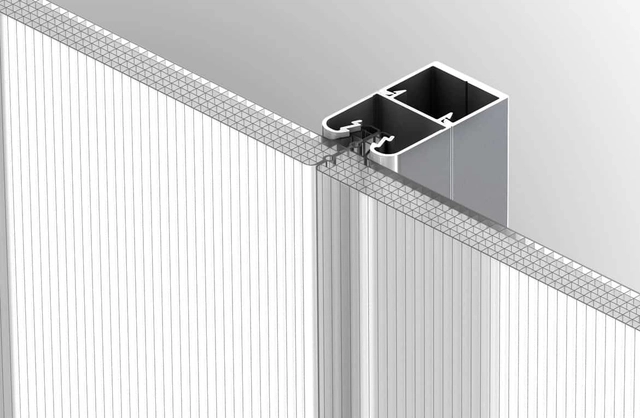
What Exactly is a Polycarbonate Translucent Facade?

Subscriber Access | 

Translucent facades are light glazing panels used on the exterior of buildings, protecting the structure from weather damage, dampness, and erosion. Its composition of polycarbonate microcells creates a soft, naturally diffused light with a wide range of possible colors, brightnesses, and opacities.

By fixing these panels in place with concealed joints, it’s possible to hide unsightly building elements and assist in protecting users from harmful UV rays, while also ensuring maximum thermal conduction. Individuals who use them will notice a reduction in energy bills because they use the sun’s natural light to heat and illuminate buildings, creating very attractive indoor environmental conditions for different uses. 

What Exactly is a Polycarbonate Translucent Facade? - Image 1 of 4What Exactly is a Polycarbonate Translucent Facade? - Image 2 of 4What Exactly is a Polycarbonate Translucent Facade? - Image 3 of 4What Exactly is a Polycarbonate Translucent Facade? - Image 4 of 4What Exactly is a Polycarbonate Translucent Facade? - More Images+ 20