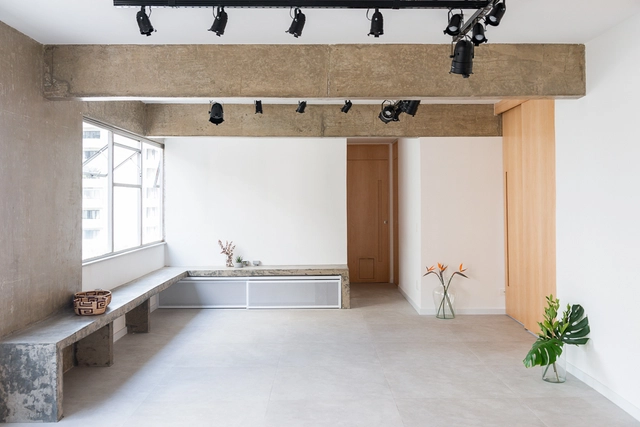
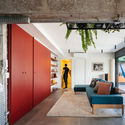
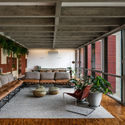
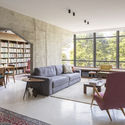
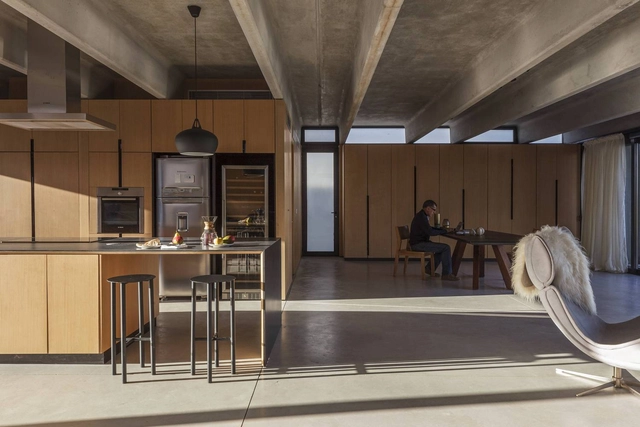
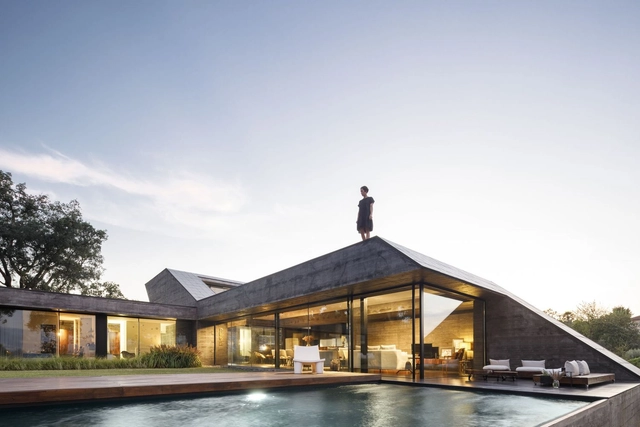
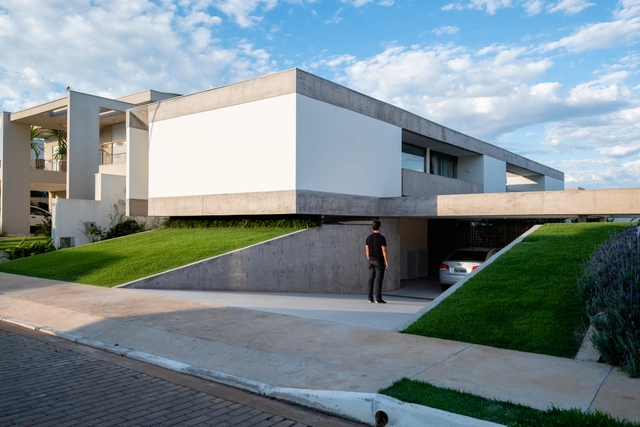
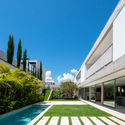
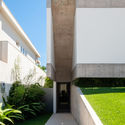
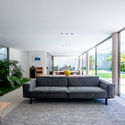
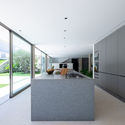
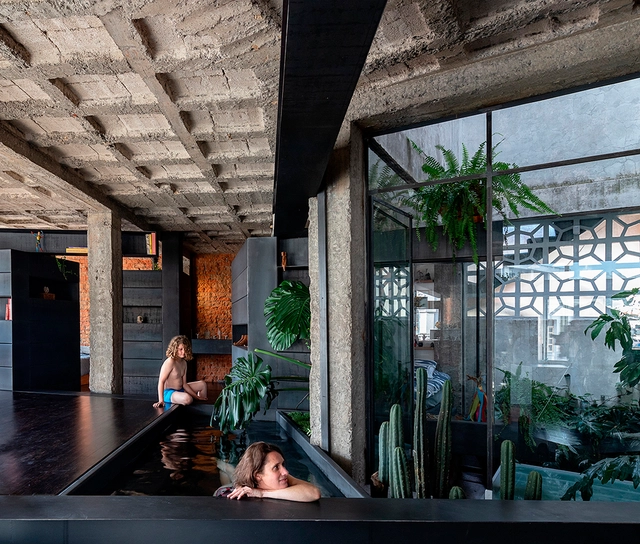
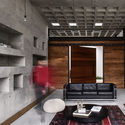
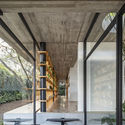
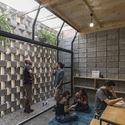
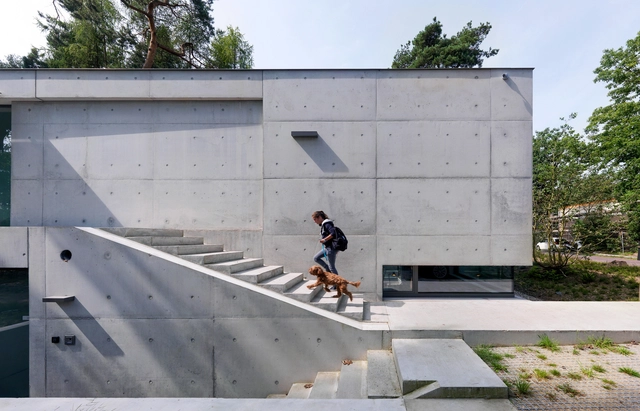
Many architects tend to prefer using materials and architectural elements in their natural or raw state. It is common to remove ceilings and finishings, especially in renovation projects, to expose a building's structure. This process of reclaiming the natural materials of construction - without incorporating elements to cover the framework, pipes, tubes, and cables - transforms these spaces into places that have nothing to hide.
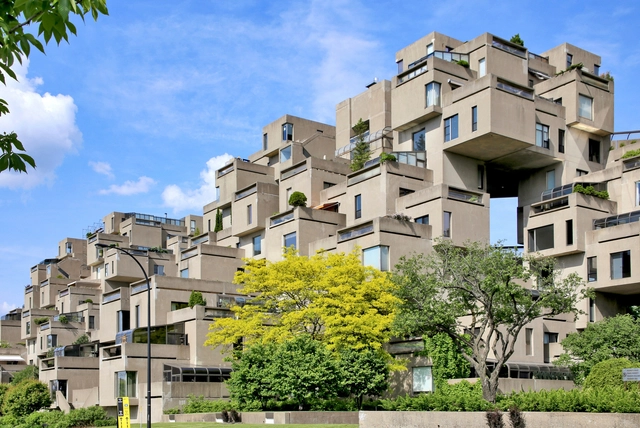
It's safe to say that concrete is one of the most utilized construction materials in large-scale architectural projects. In Argentina, the use of concrete to construct high-rise apartment buildings offers a variety of advantages, especially when it comes to durability and the time it takes to build. This has made it the go-to material for many architects.
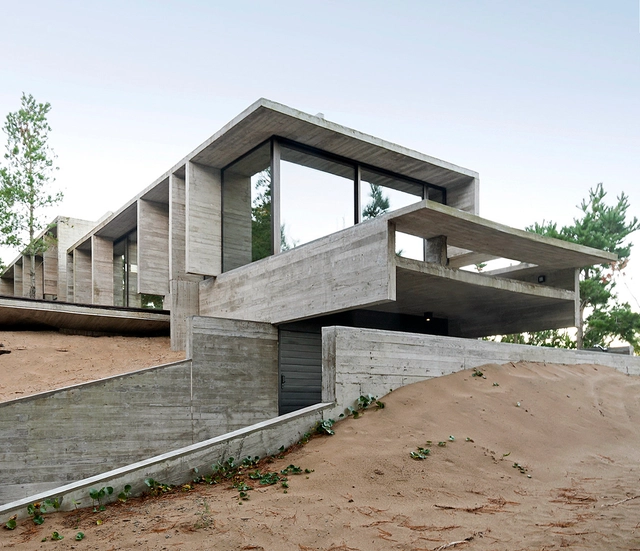
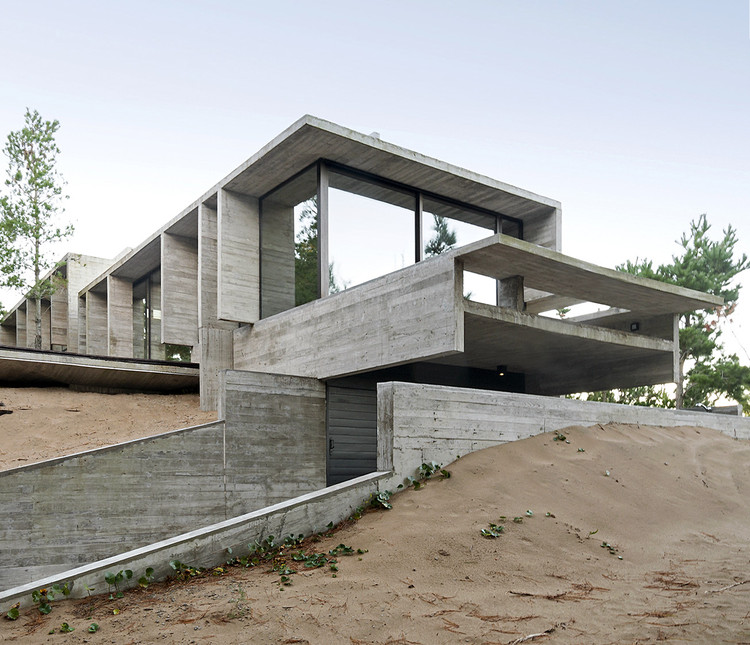
Thanks to its aesthetic qualities and malleability, concrete is the darling of the world's builders and architects. In Argentina in particular, concrete's durability and adaptability to a range of climatic conditions makes it one of the most sought after construction materials, demonstrated by, not only the country's countless museums, hotels, hospitals, but by its residential and smaller-scale buildings as well.
While concrete is without a doubt the world's go-to building material thanks to its durability, malleability, and ability to withstand a wide range of climates, it is also the principal source of CO2 emissions within the realm of construction. To combat this and reduce their creations' carbon footprint, many architects have begun experimenting and innovating in a bid to optimize concrete's technical qualities while diminishing its impact on the environment. Among these efforts, there are several projects that have explored the possibility of replacing traditional frameworks with more sustainable materials like bamboo, a resource that grows in abundance throughout many regions of the world and, along with having minimal environmental impact, renders high quality textured detailing on a variety of architectural surfaces.
With its wide range of applications and cosmetic properties, concrete is having a moment in the world of architecture. Today, thanks to the ever-moving stream of innovation in concrete production and application, optimal results are now the norm rather than the exception. For architects and builders alike, concrete is an opportunity to explore and experiment with tones and textures, ensuring that there is something for every design and project.
Peter Zumthor, in one of his most emblematic works, gives concrete an almost sacred dimension. The work in question is the small Bruder Klaus Field Chapel, located in a small village in Germany, a construction that is both robust and sensitive. Built with white cement, which was mixed with stones and sand from the region, the chapel is composed of 24 layers of concrete that were poured day after day by local labor, and compressed in an unusual way. The building's flat and smooth exterior contrasts with its interior, which was initially made of inclined wooden logs forming a triangular void. To remove these internal forms, the logs were set on fire in a controlled process, reducing them to ash and creating a carbonized interior that varied between black and gray and retained the texture of the negatives of the logs. The result is a masterpiece of architecture, a space for reflection and transformation, in which the same material appears in diametrically opposing ways.
It's no secret that concrete has one of the highest CO2 emissions of all building materials, making it a focal point for architects looking to innovate and experiment with it as a way to optimize its production and application in construction while decreasing its environmental impact. This exploration of elements such as concrete's thermal inertia, which could serve to make buildings more energy efficient, as well as its durability, which guarantees a long-lasting, zero- maintenance structure even in the most extreme of climates. The ultimate goal is to create luminous living spaces with natural ventilation while simultaneously exploring the possibility of reusing frameworks as a way of cutting costs and streamlining the building process.
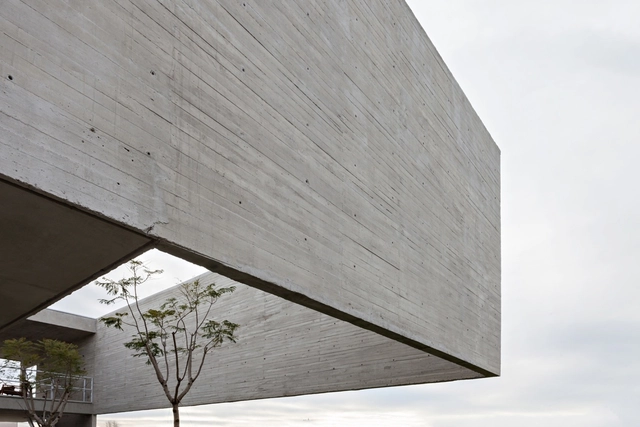
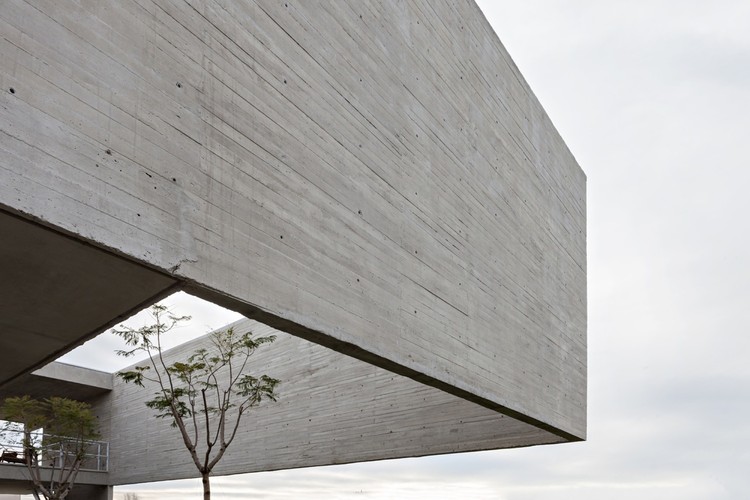
The use of concrete in construction is probably one of the main trademarks of 20th century architecture. Concrete is composed of a combination of materials which when mixed with water solidify into the shape of the container where it is poured in. In this sense, it is the container or the ‘moulds’ who rule the outcome. The reuse of molds for casting concrete is a technique used to replicate and control the production of concrete elements or buildings. Architects and designers have used/created diverse types of molds and casting techniques to explore the limits of the material.
In the eyes of an architect, concrete is practically a fetish. Currently, it's used in a wide range of projects and buildings, from infrastructure to residential, and offers an architect a great deal of freedom in generating eye-catching results. To start, we will show you how to pre-dimension concrete structures and understand what cracks in concrete structures mean. Continue reading to get our tips on how to use concrete and get the best result possible.