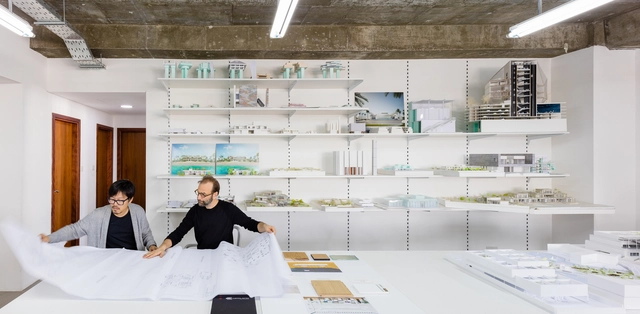
Clearly, graphic designers are not architects, but collaborative projects between these two fields of knowledge, which intersect in their details, can work well.
Creative industry as a sector has evolved, and many people are now in new fields. If you're collaborating, you can move quickly and we've covered that here. The trend is to be collaborative, and very different from 25 years ago, when you should be a graphic designer alone doing layout and paper weights or an architect isolated in an office running autocad.
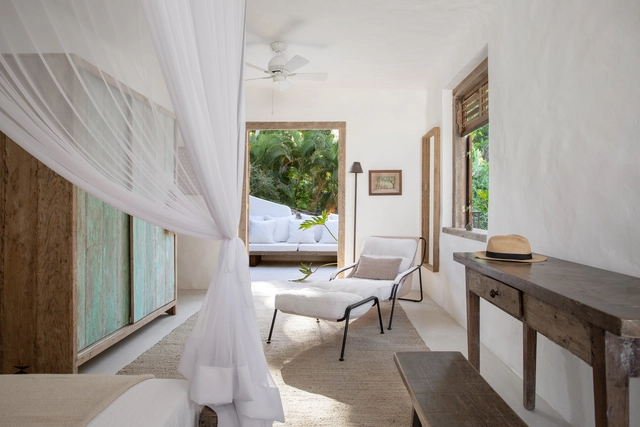
Located amidst the vegetation, almost invisible to those who see it from the street, a jewel of modern Brazilian architecture is hidden in the São Paulo neighborhood of Jardim América. Casa Zalszupin, designed in 1960 by the Polish architect based in Brazil, Jorge Zalszupin, combines traces of local modernism with influences that the architect brought with him from Europe, notably Scandinavian architecture. In a recent photo series, Paul Clemence sought to capture through this house, "the architect's and designer's essence".
Xi'an Qujiang Art Center by Xiaoxia Wang - gad. Image Courtesy of A'Design Award and Competition
“Good design deserves great recognition”. This statement encapsulates the A'Design Award and Competition, an award for designers, innovators and companies that wish to stand out and attract the attention of the media, editors and buyers. These aspects are especially important in the world of design, where millions of products and projects are launched, and often end up being swallowed up and not receiving due recognition. To address this, every year projects are submitted to the A' Design Award with a focus on innovation, technology, design and creativity. It offers a chance for recognition, with the valuable curatorship of a renowned jury and the possibility of a successful international launch. The A'Design Award contains a series of public relations, advertising and marketing services to celebrate the success of its winners. In addition, and unlike other design awards, it is completely free of charge.
Since the emergence of the design profession, boosted in the Industrial Revolution with the increasing production of objects and the desire of a middle class eager to consume; designers, interior decorators and architects are known as professionals who create spaces and products to beautify the world.
Plywood, laminated timber, MDF sheets and OSB boards are all good, can be economically viable and efficiently fulfill certain functions, but none of them offer the same atmosphere as solid wood. The nobility of this material is usually accompanied by a high cost, but the aesthetic and sensory qualities are unparalleled.
Below, we have gathered examples of projects that use solid wood in furniture elements. Tables and chairs, beds and cabinets made with wood of different species, new or from demolition, refined or rustic, with different textures and colors that can serve as inspiration for your architectural or interior design.
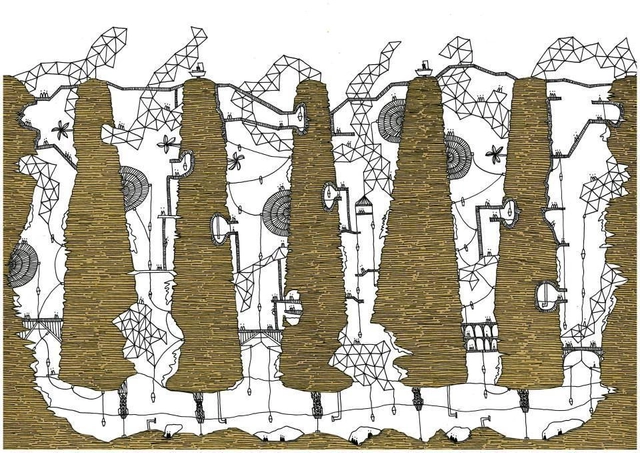
Graphics, even before language and writing, were the first means of communication and significance for humanity. Drawing is the act of replacing reality with representation, that is, replacing objects with images encoded in each of the graphic representation systems.
In architecture, graphics stimulate the imagination and are the basis of project thinking since they do not only constitute our code of communication but configure our ability to express ourselves in disciplinary terms. In fact, at first, the drawing is constructed in the mind of the architect, before it looks for support from any type of instrument.
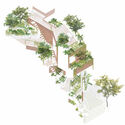
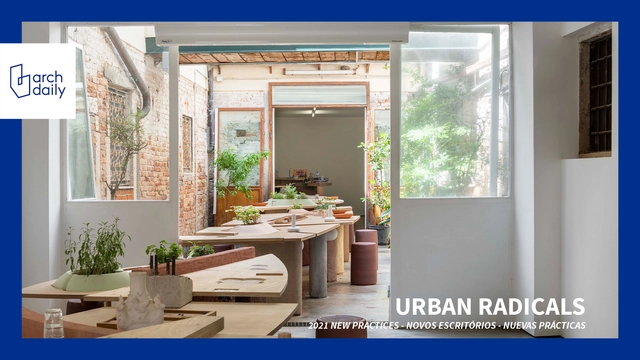
Urban Radicals is a design collective based in London, founded in 2019 by Era Savvides and Athanasios Varnavas. The practice operates at the intersection of multiple disciplines, exploring public space and the notion of collectivity across a variety of scales, contexts and design expressions. One of Archdaily's Best New Practices of 2021, Urban Radicals shrinks and grows organically through the projects, dissolving the boundaries between diverse fields of knowledge and circumventing traditional office structure to integrate a multiplicity of perspectives within architecture.
'Innovation' and 'design thinking' could possibly be two of the most extensively-used phrases both online and offline during the past decade. To respond to the global need of "changing the status quo", established companies, start-ups, and even universities have used this framework to generate novel ways of solving problems and create new products, taking into account their desirability, feasibility, and viability. And with that, a new archetype was conceived: the design thinker, someone who has the creative toolkit to generate something disruptive. So what is the meaning behind design thinking and what is its relationship with architecture?
As 2021 comes to an end, we look back at how this year introduced new normals and raised questions about what the future of the built environment could look like. In retrospect, not much has changed in regards to where people are spending most of their time. Following constant changes in commuting restrictions and the continuation of the pandemic, people acknowledged that most of their time will be spent indoors, so they adapted their living and working spaces accordingly.
These sudden lifestyle changes forced people to become well aware of the fact that the space they inhabit has great influence on their physical and mental wellbeing, so they began opting for features that promote sensitivity, calmness, optimism, and playfulness, emotions that counter the inconsistent and troublesome events taking place in the outside world and offer an implied sense of escapism.
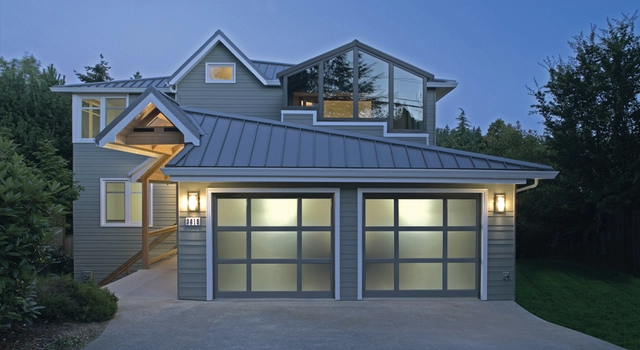
In residential architecture, the garage is a space that is mainly used for storage and car parking. Although the garage door is usually not a very thought-out part of the design of a residential project, it often occupies a large part of the front elevation of a house, and can play an important role in its general curb appeal.
The garage door is typically a large door that is opened manually or by an electric motor, and its size and design are determined by the vehicles that will need to pass through it. Raynor, a North American company that specializes in garage doors, describes several of the most important factors that go into choosing the right garage door.
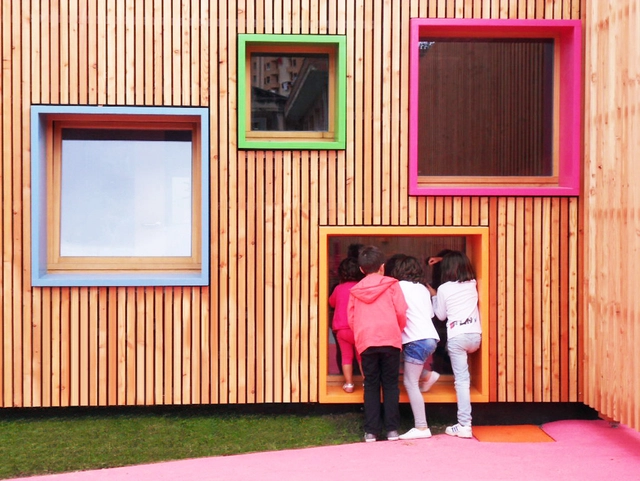
Novo edifício de educação infantil e creche em Zaldibar / Hiribarren-Gonzalez + Estudio Urgari. Courtesy of Egoin
The definition of equity in dictionaries is the quality of giving equal treatment to everyone while still acknowledging the differences between individuals. In this sense, equity means fairness in the way we act toward each person but keeping in mind his or her specific characteristics and needs. From a medical perspective, equity implies that everyone needs care and attention but not necessarily the same. It is also worth mentioning that the terms equity and equality are often used interchangeably but they mean different things, mainly because equality is based on the principle of universal rights, in which all individuals are subject to the same rules, without exception.
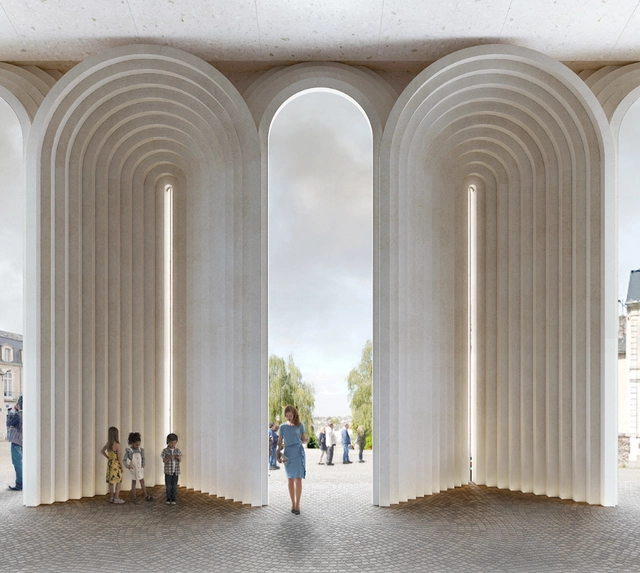
Kengo Kuma was asked to preserve the western portal of the Cathédrale Saint-Maurice in Angers, France, to protect 12th and 17th century polychromatic sculptures displayed within the historic structure. The proposed design creates a "harmonious dialogue" with a subtle contemporary arched intervention that preserves its medieval architectural heritage and pays tribute to the original builders' regulatory framework and unified proportions. Construction of the new arched portals have begun and are expected to be complete in 2024.
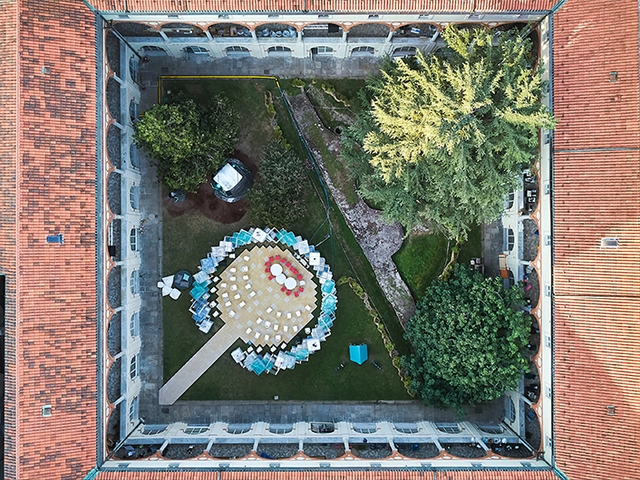
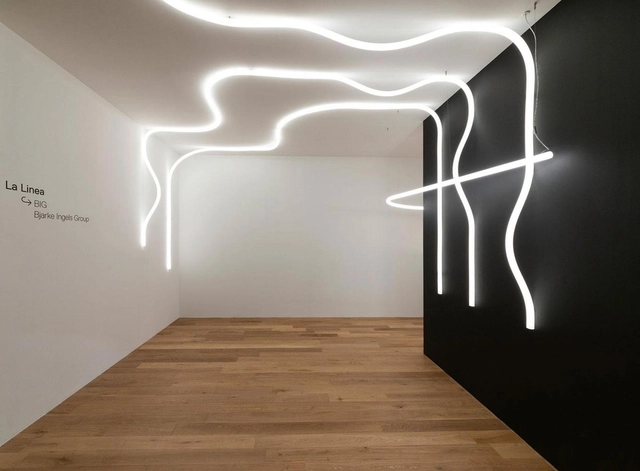
After a year-long absence, Milan Design Week has wrapped up yet another year of creativity and innovation. From the 5th to the 10th of September, thousands of design companies displayed their creations to more than 200,000 visitors hailing from different countries, demographics, and industries. And while the design fair gravitated towards the world of interior design, many renowned architects such as Bjarke Ingels, Foster + Partners, and Herzon & de Meuron participated in the week-long exhibition and joined forces with interior and furniture design brands to create signature pieces.
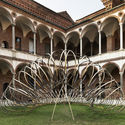
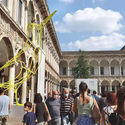
During the first week of September, Milan Design Week opened its doors to more than 60,000 architects, designers, artists, and craftsmen from all around the world to explore new design innovations and exchange ideas about the interior design, furniture, and lighting. In parallel to the event hosted at the Rho Fiera, interventions by world-renowned architects were installed across the city as part of the Fuorisalone.
The Fuorisalone program took place under the patronage of the Municipality of Milan, and started last April with a digital edition under the theme of "Forms of Living", taking a view on the questions that inspire and influence the future of the furniture and design. Read on to discover the top 5 outdoor installations along with their description.
Burnout syndrome is an occupational phenomenon resulting from chronic workplace stress and emotional tension and has been affecting more and more professionals every day. It is directly associated with each person's daily work life, not only with the operational aspects of the job but also the physical environment.
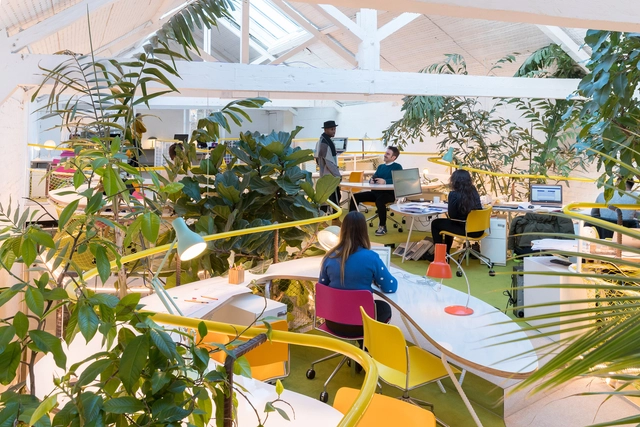
We spend on average 1/3 of our day in workspaces, so it's no wonder they considerably affect our mental health. Following a period of intense home office activity during the year 2020, now people are returning to collaborative workplaces. These spaces offer a great alternative to escape the domestic environment and create separate places for each function of our lives, a much-needed change after a year of isolation.
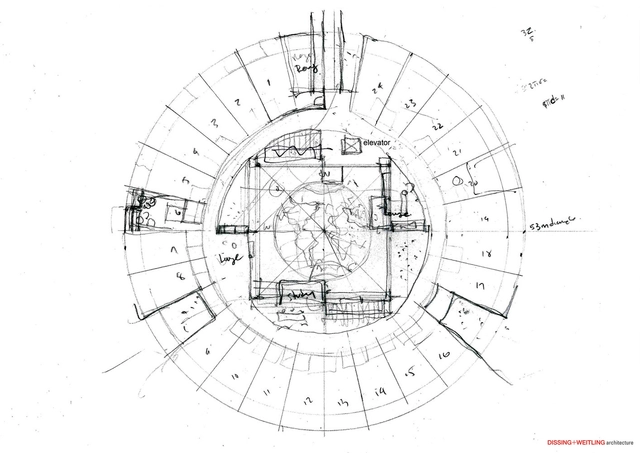
Often, when people think of buildings, they default to imagining rectangular structures—or at the very least, structures with orthogonal floor plans and hard angles, certainly not buildings with circular plans. The rarity of the circular plan comes in part from the fact that poor design choices can lead to wasted space and awkward interior arrangements, especially if furniture and appliances are rectangular in shape. However, strongly designed circular planes can have a dramatic effect, generating extraordinary spatial configurations that meet a variety of aesthetic and functional needs, while challenging the material specification process. Below, we list 18 buildings with circular plans, considering their varying strategies of design.
https://www.archdaily.com/966202/how-to-properly-design-circular-plansLilly Cao
Believing firmly that "architecture is [...] too important to leave solely to architects", Ole Bouman embarked on diverse activities throughout his three decades of work, reflecting on “architecture, not so much as the art or technique of making buildings, but architecture as the intelligent way to organize our lives on earth, and infuse it with purpose”.
After having shared Bouman's essay Finding Measure, ArchDaily had the chance to discuss with DesignSociety’s founding director his thoughts on the role of architecture, the current challenges of the world, the digital revolution, and many other thought-provoking topics.
























.jpg?1632222873 "El Poris. Image Courtesy of Artemide")