Architecture has never been confined to the act of building. It constantly negotiates between material practice and intellectual reflection, yet throughout the twentieth and twenty-first centuries, many architects felt that the built project alone was insufficient to address the full range of questions facing the discipline. Economic pressures, political contexts, and programmatic demands often narrowed the scope of practice.
Exhibitions and curatorial platforms, by contrast, created spaces of experimentation and critique, opening arenas where architecture could interrogate itself, where its past could be reinterpreted, its present challenged, and its future projected. In this tension, the figure of the architect-curator emerged, treating curating itself as a form of design — not of walls or facades, but of discourse, narratives, and frameworks of meaning.
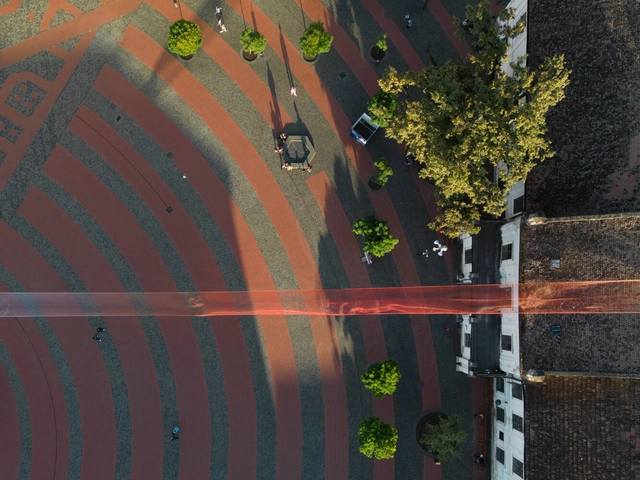
The 2024 Beta Architecture Biennial, in Timișoara, Romania, marks the tenth anniversary of this influential event. Curated by Oana Stănescu, this year's biennial, titled "cover me softly," explores the nuanced relationship between originality and influence, challenging conventional notions of copying, imitation, and appropriation. In addition to the Beta Awards, aiming to highlight significant contributions to architecture from across Romania, Hungary, and Serbia, the main exhibition offers a distinctive interpretation of recurring themes of the architectural field.
Architecture has deep wells of research, thought, and theory that are unseen on the surface of a structure. For practitioners, citizens interested, and students alike, books on architecture offer invaluable context to the profession, be it practical, inspirational, academic, or otherwise. So, for those of you looking to expand your bookshelf (or confirm your own tastes), ArchDaily has gathered a broad list of architectural books that we consider of interest to those in the field.
In compiling this list, we sought out titles from different backgrounds with the aim of revealing divergent cultural contexts. From essays to monographs, urban theory to graphic novels, each of the following either engage directly with or flirt on the edges of architecture.
The books on this list were chosen by our editors, and are categorized loosely by type. Read on to see the books we consider valuable to anyone interested in architecture.
https://www.archdaily.com/901525/116-best-architecture-books-for-architects-and-studentsArchDaily Team
The Second Studio (formerly The Midnight Charette) is an explicit podcast about design, architecture, and the everyday. Hosted by Architects David Lee and Marina Bourderonnet, it features different creative professionals in unscripted conversations that allow for thoughtful takes and personal discussions.
A variety of subjects are covered with honesty and humor: some episodes are interviews, while others are tips for fellow designers, reviews of buildings and other projects, or casual explorations of everyday life and design. The Second Studio is also available on iTunes, Spotify, and YouTube.
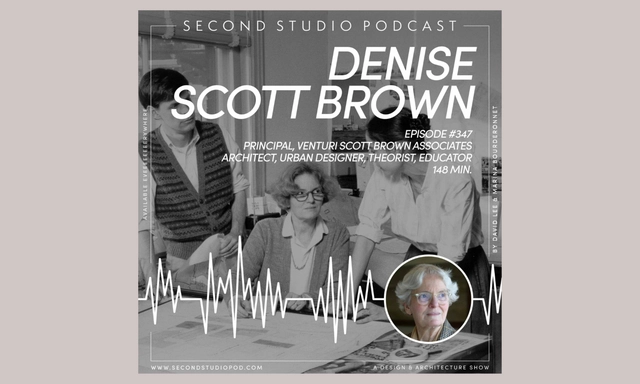
This week David and Marina of FAME Architecture & Design are joined by Denise Scott Brown, architect, planner and urban designer, and a theorist, writer and educator to discuss her background and upbringing in South Africa; her beginnings in architecture; traveling the world; how teaching impacted her life and career; the National Gallery and other of her projects being remodeled; and much more!
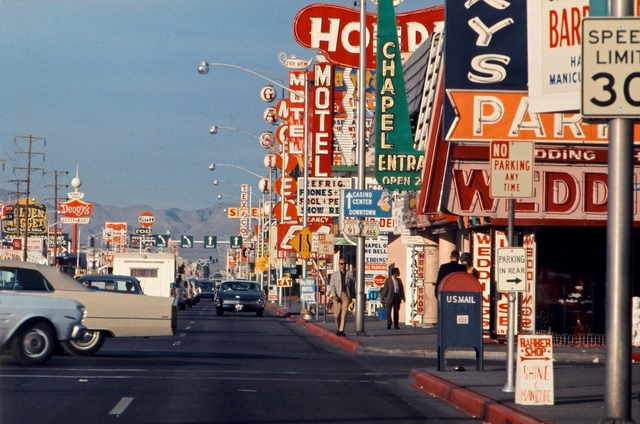
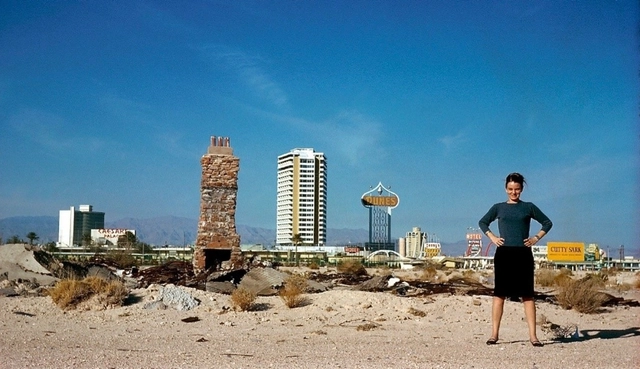
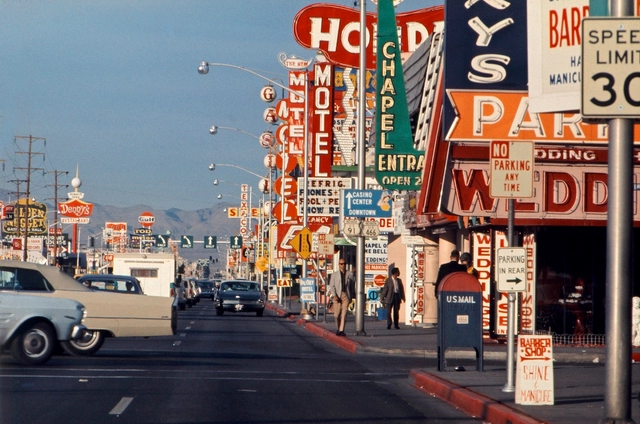
Las Vegas, sometimes known as Sin City, is perhaps the most famous desert metropolis where people gamble, and indulge in entertainment, and other vices. Each year, the city is visited by hundreds of millions of tourists who come to see its flashing lights and round-the-clock nightlife. Las Vegas has garnered so much attention that even Robert Venturi and Denise Scott Brownsought to study its urbanism, concluding with their theories on duck and decorated shed buildings in the early 1970s. But 50 years later, Vegas is still a city that constantly reinvents its architectural identity.
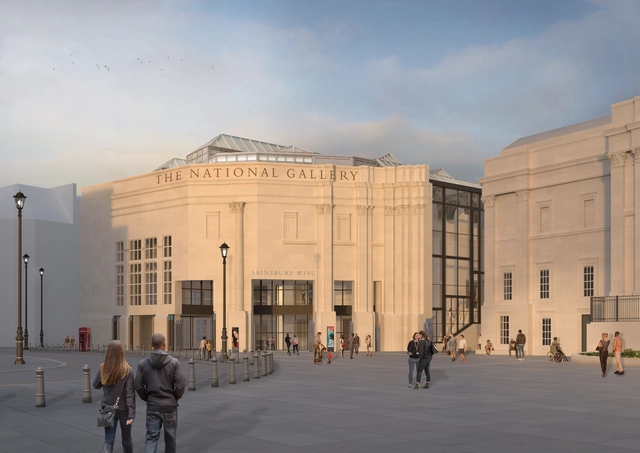
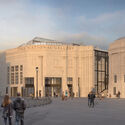
Updated exterior view. Image Courtesy of Selldorf Architects
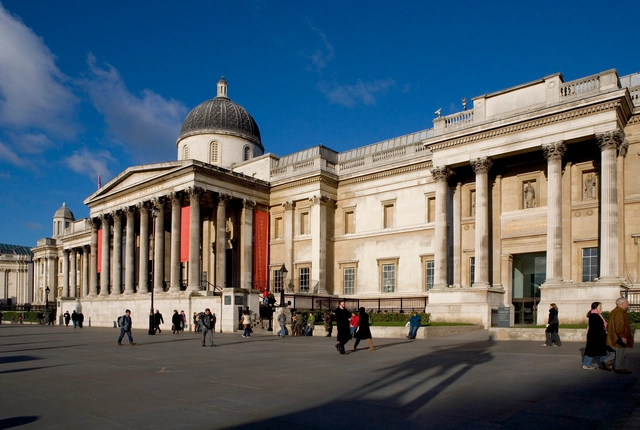
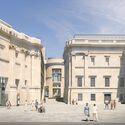
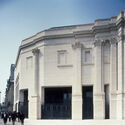
Selldorf Architects have released a revised version of the plans to remodel the National Gallery and the Sainsbury Wing, both classified as Grade-I-listed monuments. Sainsbury Wing is also the recipient of the 2019 AIA Twenty-five Year Award. The plans for the Sainsbury Wing, designed by Robert Venturi and Denise Scott Brown and opened in 1991, have faced intense criticism, with former RIBA Journal editor Hugh Pearman calling the remodeling plans “unnecessarily destructive”. The plans to remodel were first revealed earlier this year as part of the NG200 Project to celebrate the National Gallery’s bicentennial in 2024. The project proposes the remodeling of the Sainsbury Wing’s front gates, ground-floor entrance sequence, lobby, and first-floor spaces.
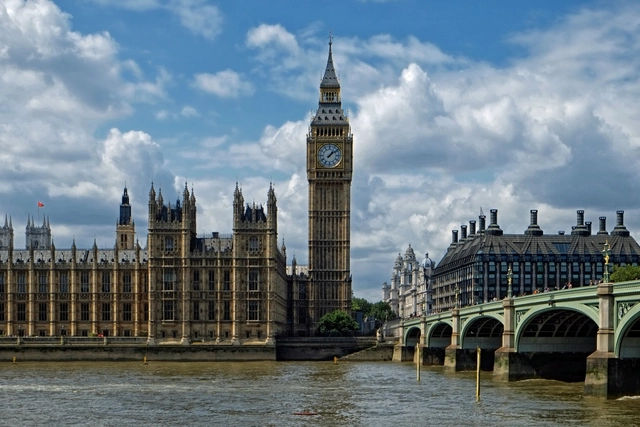
Elizabeth Tower (also known as "Big Ben"). Image Courtesy of Flickr user Eric Huybrechts
Her Majesty, Queen Elizabeth II, United Kingdom's longest-reigning monarch, has passed away at Balmoral Castle, aged 96. Earlier this year, Her Majesty became the first British Monarch to celebrate a Platinum Jubilee, marking 70 years since her ascension to the throne. During her coronation, the first ceremony of this type to be televised, newspapers and tv broadcasters talked about a “New Elizabethan Age” that would revive Britain from postwar gloom. Now, seven decades later, as the longest reign in British history has come to an end, people come together to honor The Queen and reflect upon her legacy in terms of culture, technology, and architecture.
Design can sometimes be mundane- except when it’s novelty architecture. These buildings uniquely and identifiably break away from the abstract, metaphorical, and often monotonous buildings that have classified modern-day design. Instead of favoring the steel and glass skyscrapers that serve as landmarks in cities around the world, they aim to poke fun at architecture in a way that’s jovial, commercial, and perhaps slightly more functional and expressive. Unlike other buildings, they are the literal embodiment of a thing itself, putting its function widely on display instead of hiding it within four austere walls.
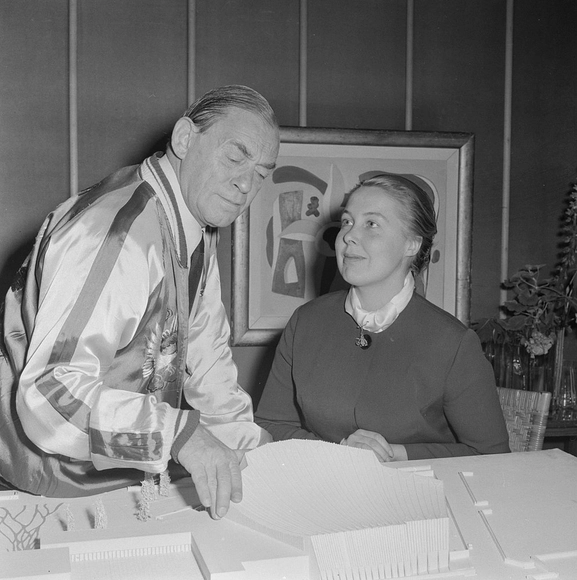
Alvar Aalto and Elissa Aalto in 1956. Via Wikimedia Commons, licensed under CC BY-SA 4.0
While women in architecture already face more obstacles than men in their careers, as proven by studies and research from across the globe, the disparities become even more obvious when it comes to partnerships involving both genders. In the history of the profession, there are many examples of office partnerships or collaborations that reveal the discrepancies in terms of recognition achieved by the work, reflected in awards, honors, citations, and salaries.
Many of these collaborations are between intimate couples who, as in any business partnership, design and make work decisions together. But in the particular case of architects in a heterosexual relationship, the role of the "wife" seems to have prevailed over that of collaborator, architect, or equal partner on many occasions.
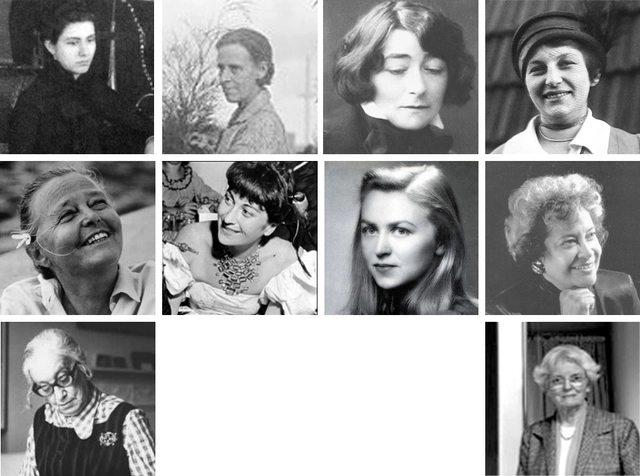
Looking back on architectural history, you could be forgiven for thinking that women were an invention of the 1950s, alongside spandex and power steering - but this couldn’t be further from the truth. Big names like Le Corbusier, Mies, Wright, and Kahn often had equally inspired female peers, but the rigid structure of society meant that their contributions tended to be overlooked.
Just over two months after the start of the 2019 edition of "The Poetics of Reason", the Lisbon Architecture Triennale and the Millennium BCP Foundation are pleased to announce the winner of the 5th edition of the Lisbon Triennial Millennium BCP Award.
https://www.archdaily.com/922329/denise-scott-brown-receives-the-lisbon-triennial-millennium-bcp-awardPedro Vada
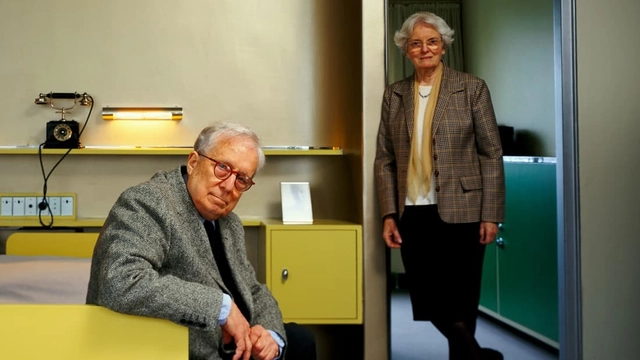
Through their pioneering theory and provocative built work, husband and wife duo Robert Venturi (born June 25, 1925) and Denise Scott Brown (born October 3, 1931) were at the forefront of the postmodern movement, leading the charge in one of the most significant shifts in architecture of the 20th century by publishing seminal books such as Complexity and Contradiction in Architecture (authored by Robert Venturi alone) and Learning from Las Vegas(co-authored by Venturi, Scott Brown and Steven Izenour).
The American Institute of Architects (AIA) has selected Venturi Scott Brown's Sainsbury Wing at the National Gallery of London as the recipient of the 2019 AIA Twenty-five Year Award. Designed by Robert Venturi and Denise Scott Brown in an international competition, AIA commended the project for its ability to “...make its context better than it found it” - a citation borrowed from Venturi himself.
The award is presented annually to a project that has "stood the test of time by embodying architectural excellence for 25 to 35 years."
https://www.archdaily.com/909184/venturi-scott-browns-sainsbury-wing-national-gallery-london-receives-aia-25-year-awardKatherine Allen
Courtesy of carriage trade, photo: Nicholas Knight.
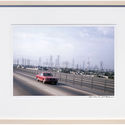
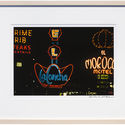
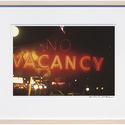
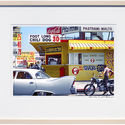
An exhibition has opened at New York’s Carriage Trade Gallery celebrating the photography of Denise Scott Brown, highlighting the significance of pop art in the American vernacular. The project was initiated by Scott Brown, and first exhibited in Venice in 2016, with the latest events in London and New York initiated by PLANE-SITE.
The exhibition, titled “Photographs 1956-1966” is co-curated by Andres Ramirez, with 10 photographs selected, curated, and featured for limited sale. As well as being on display at the Carriage Trade Gallery, a concurrent exhibition is taking place in the Window Galleries at Central Saint Martins, University of the Arts, London.
Robert Venturi (1925-2018) was the most influential American architect of the last century, though not primarily for his built work, or because of his stature as a designer. He will never stand beside Wright, or Kahn, or even Gehry in that regard. Between 1965 and 1985 he and his collaborator, Denise Scott Brown, changed the way all architects look at buildings, cities, and landscapes, much in the way that Marshall McLuhan, Bob Dylan and Andy Warhol changed our view of art, media, and popular culture during the same period.
I worked with Bob Venturi during my apprenticeship in the 1970s; I also grew up with his books, buildings and paternal influence. He and my father were one year apart; Denise is the same age as my mother.
https://www.archdaily.com/903226/robert-venturi-and-the-difficult-whole-how-architectures-enfant-terrible-changed-design-foreverMark Alan Hewitt
Venturi Scott-Brown’s National Gallery Sainsbury Wing extension (1991) was born into a precarious no-man’s land between the warring camps of neo-Modernists and traditionalists who had been tussling over the direction of Britain’s cities for much of the prior decade. The site of the extension had come to be one of the most symbolic battlefields in British architecture since a campaign to halt its redevelopment with a Hi-Tech scheme by Ahrends Burton Koralek had led to that project’s refusal at planning in 1984.