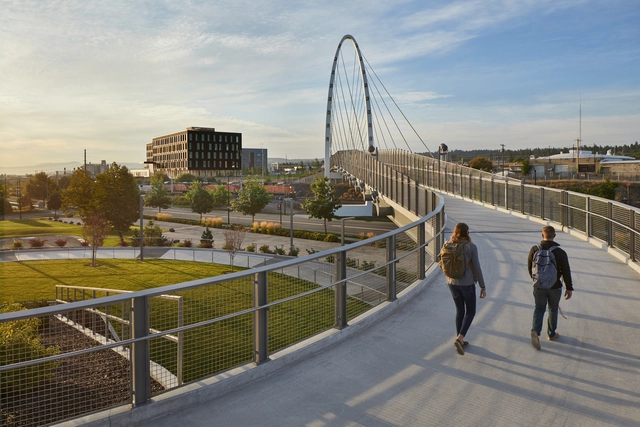
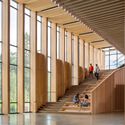
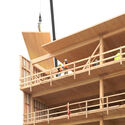
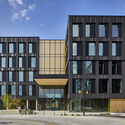
Material intelligence refers to how materials perform, adapt, and interact with ecological and cultural systems. It considers how stone, steel, or timber respond to intertangled forces, how those materials are sourced and assembled, and how they persist after demolition. Designers are centering material intelligence in constructing our cities in a generation of environmental uncertainty and strained supply chains.
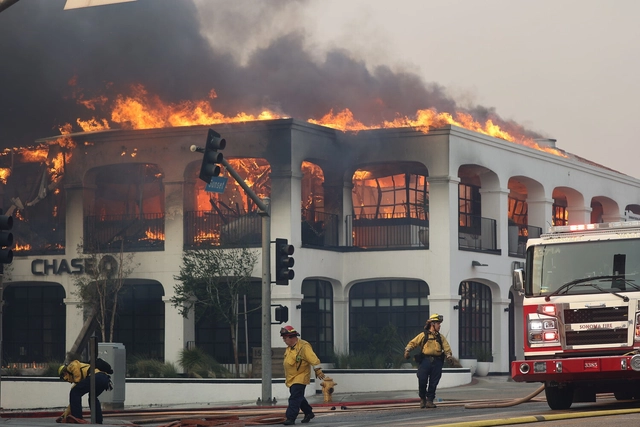
It has been nearly three weeks since one of California's most devastating wildfires began, triggering an immense effort to combat the blaze and mitigate further damage. As firefighters work to contain the remaining flames, the city braces for its first significant winter rainfall, raising concerns about flooding and landslides that may exacerbate the already extensive destruction.
Amid these challenges, the wildfire has spurred widespread reflection at local and global levels. Discussions have emerged on topics such as the insurance system, firefighting infrastructure, water resources, global warming's role in high-wind fire conditions, and the impact of landscape design, particularly the use of non-native vegetation.
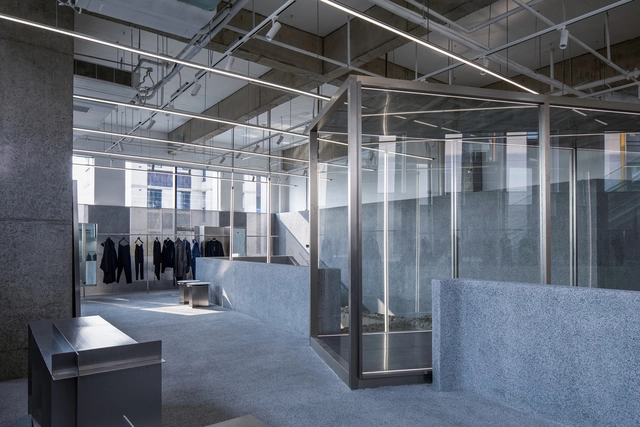
As we close the chapter on 2024, a review of ArchDaily's extensive database projects highlights a few standout interior design trends that defined the year. Among these is the use of stainless steel, often paired with concrete and shades of grey, creating interiors with a refined, industrial elegance. This article delves into the increasing prominence of stainless steel as an interior element, exploring its applications, pairings, and growing appeal despite lingering perceptions of its cold, industrial nature.