


-
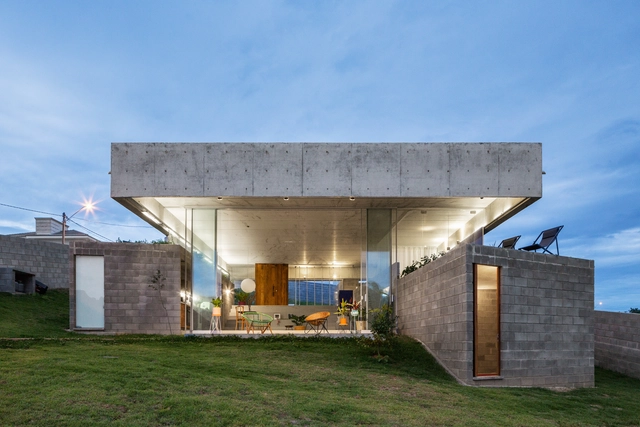
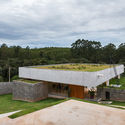
Architects: Vereda Arquitetos
- Area: 220 m²
- Year: 2019
-
Manufacturers: Deca, José Carlos Pereira de Moraes, Pial


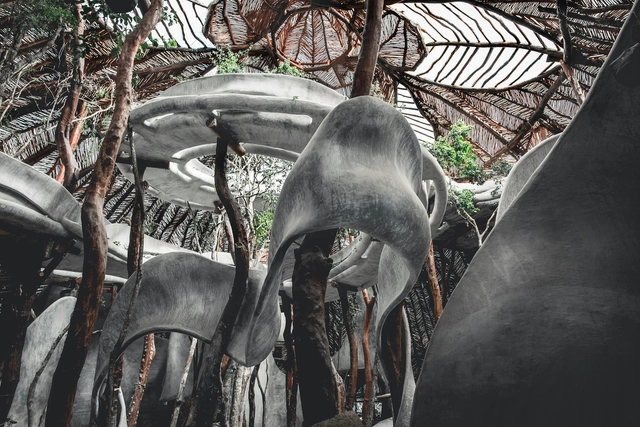
Concrete, a material commonly used in the construction industry, is made of a binder combined with aggregates (or gravels), water, and certain additives. Its origins reach back as far as Ancient Egypt, when the construction of large structures created the need for a new kind of material: one which was liquid, featured properties of natural stones, could be molded, and communicated a sense of nobility and grandeur.
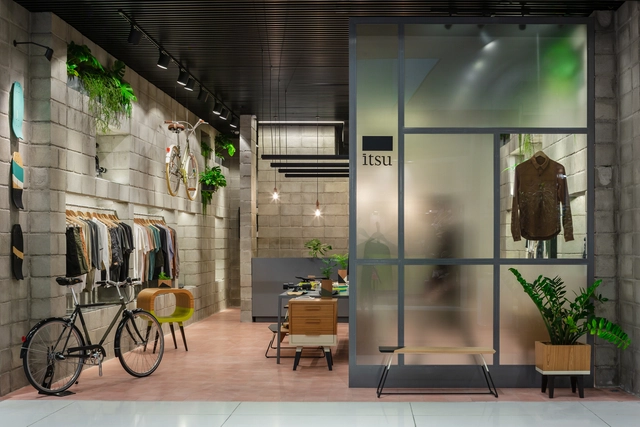
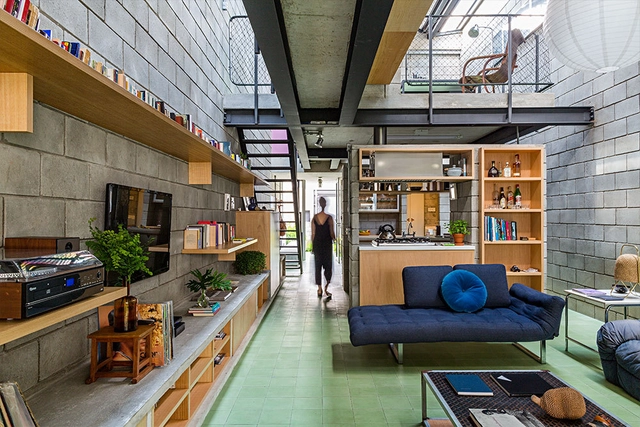
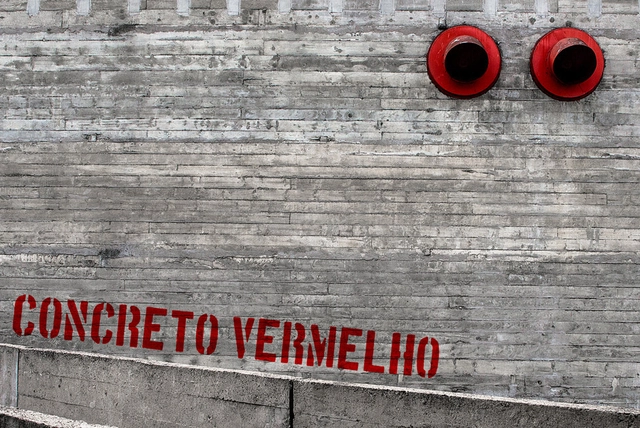
For thousands of years, concrete has been a foundation of the built environment: the most widely used man-made material on the planet. However, as architects, and the public alike, sharpen their focus on the causes and effects of climate change, the environmental damage caused by cement has become a subject of unease.
As exhibited in a recent in-depth article by Lucy Rodgers for BBC News, cement is the source of about 8% of global CO2 emissions. The piece was written off the back of the UN’s COP24 climate change conference in Poland and found that in order to meet the requirements of the 2015 Paris Climate Agreement, annual cement emissions must fall by 16% by 2030.

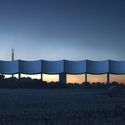
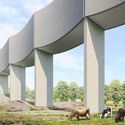
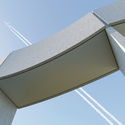
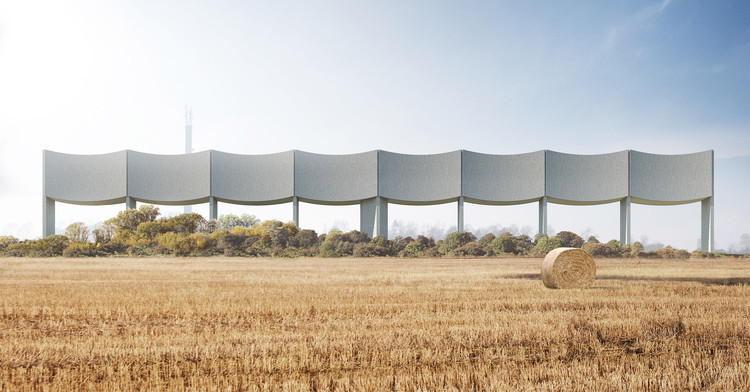
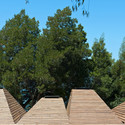
A series of concave concrete panels hoisted on slender plank-like columns sit amongst the vast rural plains of Sweden, silently redefining the typology of an otherwise utilitarian structure. White Arkitekter's recent proposal for a water tower in Varberg is a slim horizontal structure, deviating from the typical, vertical and round design. Titled VÅGA, it features two tanks for storing water within its unique shape that may actually be better suited to its purpose.
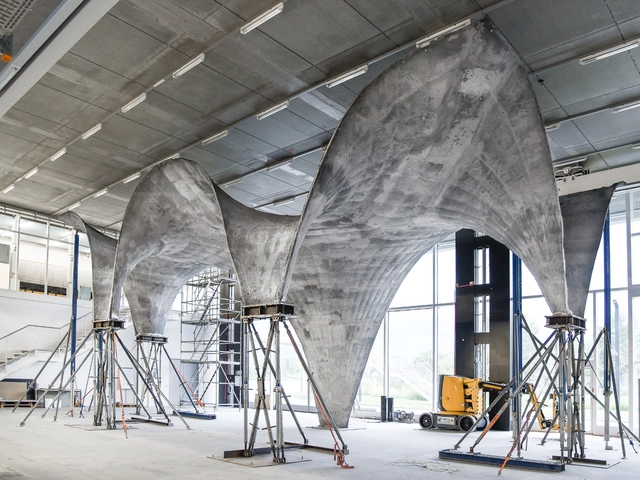
Materials researchers from the Block Research Group at the ETH Zurich, together with architects supermanoeuvre, have revealed a prototype for an ultra-thin, sinuous concrete roof system with an average thickness of just 5 centimeters. Using digital design and fabrication technologies, the team was able to calculate and construct a self-supporting shell structure using the minimal necessary material. This was facilitated through the use of a novel formwork system consisting of a net of steel cables and a polymer fabric stretched into a reusable scaffolding structure.
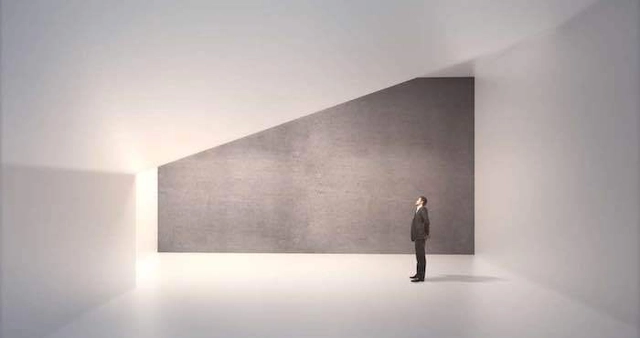
Over the past ten years the development of intelligent construction models, closely tied to energy efficiency, has introduced new materials that have one or more properties modified, in a controlled and partial way, by external stimuli such as radiation, temperature, pH, humidity, wind, and other environmental factors.
As a response to new construction models, Dr. José Carlos Rubio Ávalos of the UMSNH of Morelia, has developed a cement with the capacity to absorb and irradiate light energy, in order to provide greater functionality and versatility to concrete in regards to energy efficiency.
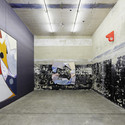
In a cultural capital like Berlin, where ‘pop-up’ stores appear in abandoned warehouses, local brands emerge from stores over-run with squatters, and nightclubs rave in power plants, it is only appropriate that an art gallery would find its home in a nearly indestructible concrete vessel. Such is the case with the “Berlin Bunker” in the heart of the fashionable “Mitte” district.
Monolithic and symmetrical, decorated only by thin strips of vertical windows on its four identical facades, this former Nazi air-raid shelter stands as a relic of Germany’s past. Yet a closer look beyond its sharp-edged cornice reveals something unexpected: luscious green gardens and a luxurious penthouse, completed in 2007. This is the home of Christian Boros, the art collector whose private collection is stored and exhibited in the depths of the fortified bunker below.
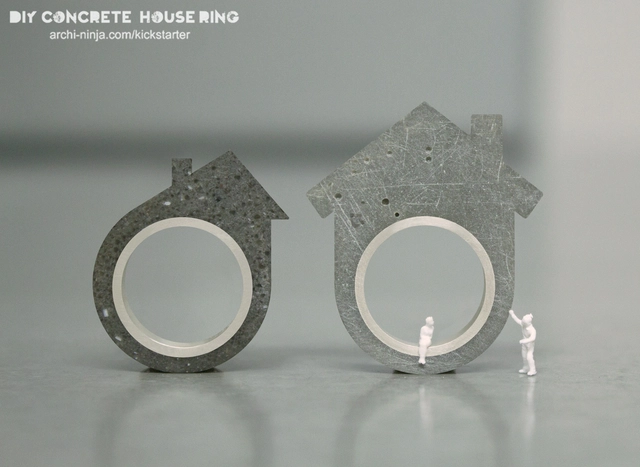
Dream of one day making your own home? Well, here's a fun mini alternative in the meantime. The "DIY Concrete House Ring" is a high quality silver and concrete ring that lets users experience the process of 'making'. The ring itself is made from a DIY compact kit, and comes in two familiar architectural silhouettes - gable roof or saltbox roof - and in either light or dark concrete. The project was developed by Linda Bennett, author of "10 Things They Don’t Teach You in Architecture School" and "Searching for a Job in Architecture? 10 Things You Need to Know…" via her blog, archi-ninja. Check out the project's debut on kickstarter (which offers fantastic perks for backers) for more information.