1. ArchDaily
  2. Colectivo C733

Colectivo C733: The Latest Architecture and News

The Market Plaza as Civic Core: 5 Projects that Explore Contemporary Approaches to Market Design in Mexico

Subscriber Access | 

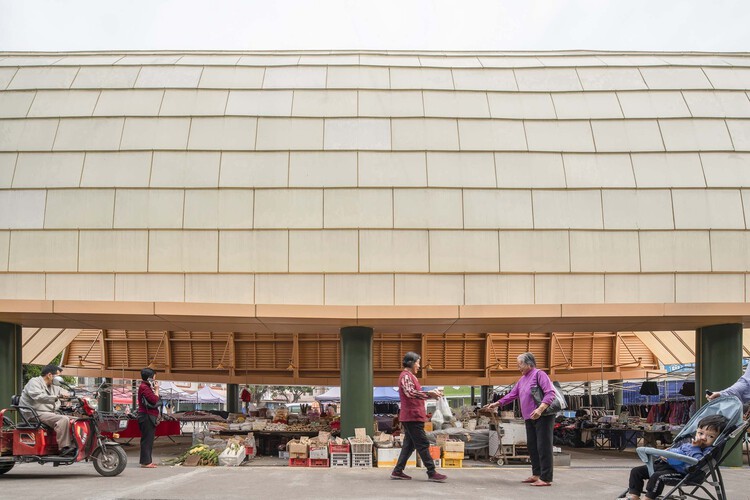
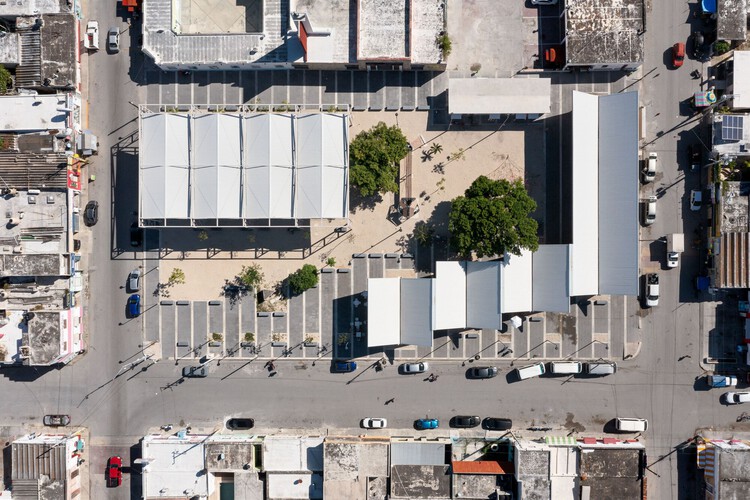
Contemporary Mexican market architecture frequently draws inspiration from its pre-Hispanic precedents. The Tlatelolco Market in ancient Tenochtitlan, for example, featured a large, stone-paved open square with designated "streets", which were divided into sections for specific goods, serving as a significant gathering point for social and economic exchange. Similarly, the tradition of the Tianguis, an ephemeral market typology within the broader Mesoamerican tradition, also arranged stalls in aisles within a public plaza, reflecting organizational principles seen in Tlatelolco. These historical models established a base for the tradition of marketplaces in Mexico and the countries in Central America, where they merge public space and structured layouts for commerce. Today, even though many of Mexico's commercial spaces, notably Mexico City's Central de Abasto and other markets such as the Jamaica, Merced, and San Juan Markets, have taken on a stationary approach to serving their communities, tianguis maintain their foothold in Mexican society.

The Market Plaza as Civic Core: 5 Projects that Explore Contemporary Approaches to Market Design in Mexico - Imagen 1 de 4The Market Plaza as Civic Core: 5 Projects that Explore Contemporary Approaches to Market Design in Mexico - Imagen 2 de 4The Market Plaza as Civic Core: 5 Projects that Explore Contemporary Approaches to Market Design in Mexico - Imagen 3 de 4The Market Plaza as Civic Core: 5 Projects that Explore Contemporary Approaches to Market Design in Mexico - Imagen 4 de 4The Market Plaza as Civic Core: 5 Projects that Explore Contemporary Approaches to Market Design in Mexico - More Images+ 7

"Build Something That Disappears": Gabriela Carrillo on Public Space Design in Louisiana Channel Interview

In this interview with Louisiana Channel, Mexican architect Gabriela Carrillo introduces us to the challenges that drive her work, particularly the projects carried out as a member of Colectivo C733, in which she currently participates alongside Carlos Facio, José Amozurrutia, Eric Valdez, and Israel Espin. Through an exploration of her definition of architecture, she offers reflections on the design of public spaces, the relationship between architecture and land art, and the role of the preexisting in the transformation of space. She defends architecture as a "powerful tool" for fostering connections between people and their environment, defining her practice as optimistic.

"Build Something That Disappears": Gabriela Carrillo on Public Space Design in Louisiana Channel Interview - 1 的图像 4"Build Something That Disappears": Gabriela Carrillo on Public Space Design in Louisiana Channel Interview - 2 的图像 4"Build Something That Disappears": Gabriela Carrillo on Public Space Design in Louisiana Channel Interview - Featured Image"Build Something That Disappears": Gabriela Carrillo on Public Space Design in Louisiana Channel Interview - 3 的图像 4Build Something That Disappears: Gabriela Carrillo on Public Space Design in Louisiana Channel Interview - More Images

The XIII Ibero-American Biennial of Architecture and Urbanism: Discover the 10 Awarded Projects

Subscriber Access | 

From December 2 to 6, the XIII Ibero-American Biennial of Architecture and Urbanism (BIAU) will be held in Lima, Peru, under the theme CLIMATE: Actions for Good Living. Since 1998, the BIAU, promoted by the government of Spain through the Ministry of Housing and Urban Agenda (MIVAU), in collaboration with the Higher Council of the Colleges of Architects of Spain and with the support of the ARQUIA Foundation, aims to disseminate good practices in architecture and urbanism in Ibero-America, fostering a space for discussion around contemporary challenges shared between Spain and Latin America. Weaving bridges of knowledge between both continents, the BIAU opens its doors once again, now in Lima.

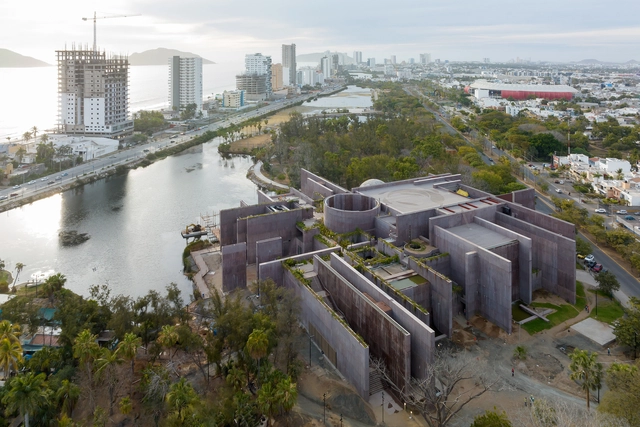
The XIII Ibero-American Biennial of Architecture and Urbanism: Discover the 10 Awarded Projects - Image 1 of 4The XIII Ibero-American Biennial of Architecture and Urbanism: Discover the 10 Awarded Projects - Image 2 of 4The XIII Ibero-American Biennial of Architecture and Urbanism: Discover the 10 Awarded Projects - Image 3 of 4The XIII Ibero-American Biennial of Architecture and Urbanism: Discover the 10 Awarded Projects - Image 4 of 4The XIII Ibero-American Biennial of Architecture and Urbanism: Discover the 10 Awarded Projects - More Images+ 8

“Architecture is a Work of Generosity:” In Dialogue with Colectivo C733, Winners of Obel Award 2024

Subscriber Access | 

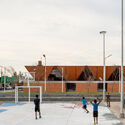
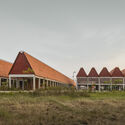
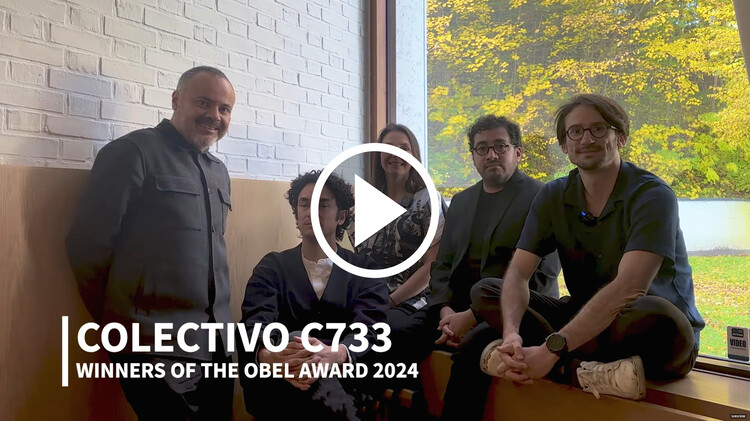
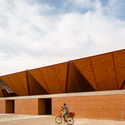
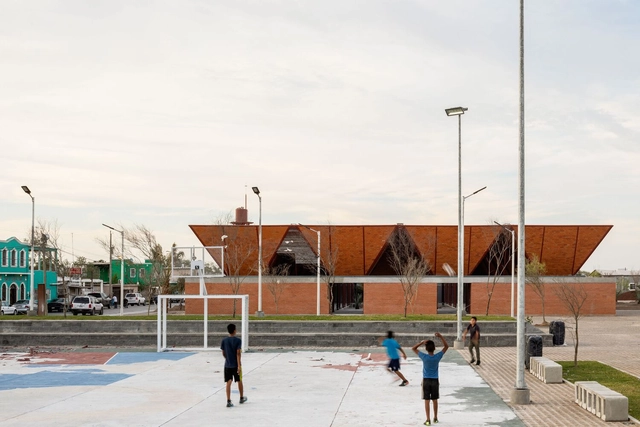
Recognized for completing 36 distinct yet cohesive public projects across Mexico in just 36 months, Colectivo C733 showcases the impact of collaborative design on public spaces and communities. The 36 projects were part of a national effort to revitalize vulnerable urban and rural areas in Mexico, earning them the 2024 Obel Award focused on the theme of "Architectures With". The team behind the designs, Colectivo C733, is a collaborative group formed by the joint offices of architects Gabriela Carrillo (Taller Gabriela Carrillo), Carlos Facio, and José Amozurrutia (TO), along with Eric Valdez (Labg), and Israel Espin. In a recent conversation with ArchDaily's Editor-in-Chief, Christele Harrouk, the collective discussed their approach to public architecture, the process of integrating diverse voices, and remaining flexible to the challenges of local conditions.

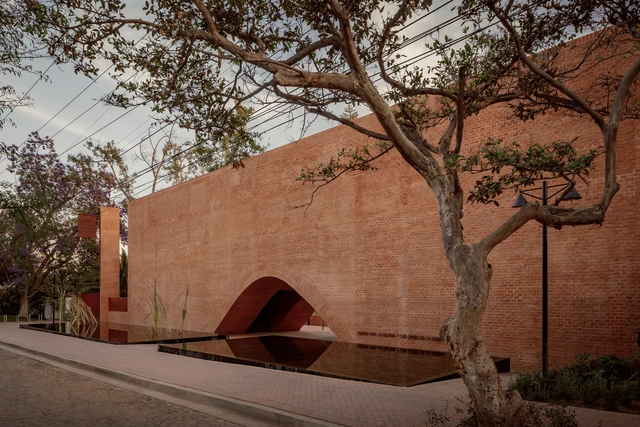
“Architecture is a Work of Generosity:” In Dialogue with Colectivo C733, Winners of Obel Award 2024 - Image 1 of 4“Architecture is a Work of Generosity:” In Dialogue with Colectivo C733, Winners of Obel Award 2024 - Image 2 of 4“Architecture is a Work of Generosity:” In Dialogue with Colectivo C733, Winners of Obel Award 2024 - Image 3 of 4“Architecture is a Work of Generosity:” In Dialogue with Colectivo C733, Winners of Obel Award 2024 - Image 4 of 4“Architecture is a Work of Generosity:” In Dialogue with Colectivo C733, Winners of Obel Award 2024 - More Images+ 11