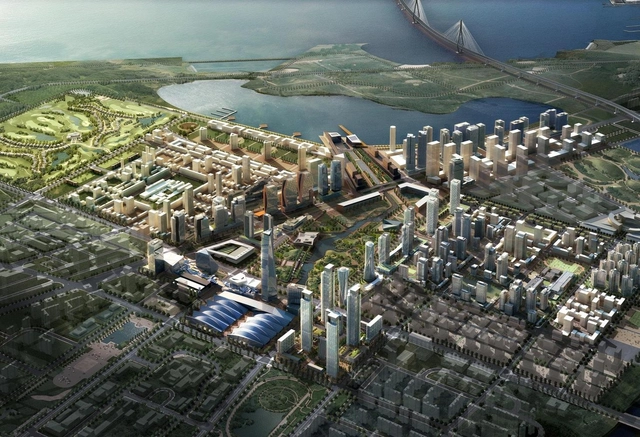
In spite of the lull in the global construction industry over the last couple of years, megacity projects in Africa have continued unabated, as new developments are springing up in major cities all over the continent. Though we’re inspired by the growth of modern African cities and the opportunities offered to city residents, we shouldn’t ignore their shortcomings, the glaring disconnect between the utopian visions of local city officials and the economic and cultural realities of the local populations who live here. Many questions whether these new cities could be built in other ways, or if Africans will ever have an alternative to the current model of placemaking, hodgepodge urbanism foisted on it, largely by colonialists.
Jeffry Burchard explores in his essay the "opportunity found by extending the life and purpose of viable existing buildings", that have shaped our cities. Arguing that "we have an abundant supply of buildings", the author proposes four essential steps to transform existing buildings.
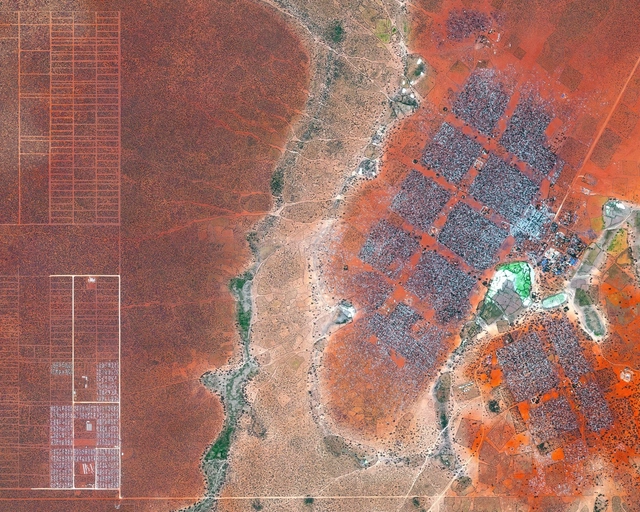
Refugee camp in Dadaab, Northeast Kenya. Created by @benjaminrgrant, source imagery: @digitalglobe. Image
What do Katuma, Hagadera, Dagahaley, Zaatari or Ifo bring to mind? They are truly beautiful names, and could easily belong to Italo Calvino's 55 invisible cities.
But they are not invisible cities, they are informal settlements in Kenya and Jordan, home to between 66,000 and 190,000 refugees, mostly from bordering countries, supposedly temporary camps that half a century later are still with us today. Generally lacking in infrastructure, some have schools and hospitals, and Zaatari even has a circus academy, but for most of the people who live there, they are the only cities they have ever known.
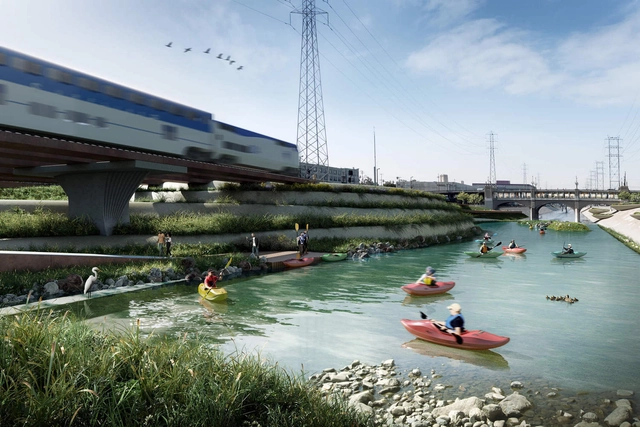
Studio-MLA is adopting lessons learned from their Los Angeles River design project design, shown here, to the River-Side Gateway master plan. Image Courtesy of Studio-MLA
Following a lengthy search, the California city of Riverside and its Parks, Recreation, and Community Services Department have selected Studio-MLA as the lead designer of the River-Side Gateway Project Suite, a string of nine sites along a seven-mile stretch of the Santa Ana River. Funded by the California Coastal Conservancy, the search committee sought a design team that could best revitalize the open spaces and trails along the northern edge of Riverside, the largest city in the Inland Empire region of California with a population of over 300,000.
Migration across towns, cities, states, countries, and continents is part of everyday life. As we move to seek out new opportunities in our personal and professional lives, our individual choices actually have greater impacts on the large, highly-interconnected socio-economical systems around the globe. Moving from a small farm town into a major metropolis, or from one continent to another comes with more implications than you may think- and architecture, paired with the concept of “Brain Drain”, might be helping to pull the strings behind the scenes, influencing you to go from one place to the next.
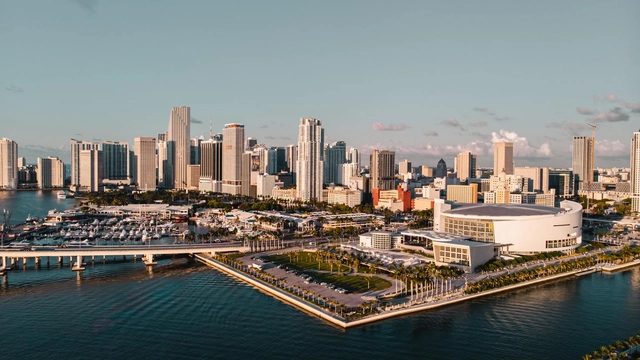
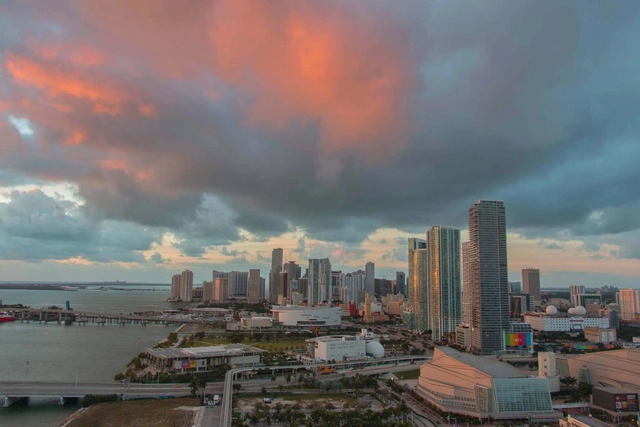
Earlier this month, the city of Miami released a draft version of its comprehensive plan to combat the effects of climate change. The so-called Stormwater Master Plan (SWMP) will be implemented to alleviate the threat of flooding throughout the city, improve the quality of water in Biscayne Bay, and fortify its coastline against stronger and more frequent storm surges over the next 40 years, at an overall cost estimate of $3.8 billion.
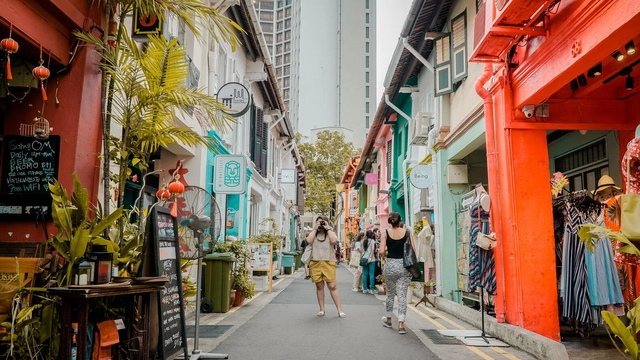
Haji Lane, Singapore. Photograph by Bna Ignacio, via Unsplash
Time Out, an online platform for urban culture that looks for the most vibrant locations around the globe, has recently ranked the 30 coolest streets in the world. The website, which usually focuses on cities as a whole, having already ranked the coolest neighborhoods, is now taking a more local approach due to the Covid-19 pandemic.
Our lives in urban centers have been completely upended over the last 16 months. As we look into the near future, some of us begin to experience the call back into our workplaces and experience the awakening of a long slumber of cities, it’s without a doubt that life as we knew it will never be the same. While some on the extreme end have been asking “will we even need cities?” (to which the answer is a very definite yes), how will cities change if we continue to move forward in this digital era of work and life that was accelerated by the pandemic?
In this week's reprint, author Walter Jaegerhaus explores the U.S. housing challenge, drawing a timeline of the evolution of different architectural solutions, from around the world. Seeking to "inspire designers today to create new housing options", and hoping "that the U.S can again embrace its experimental origins and try out new ideas and methods", the article highlights examples from Europe and the Americas.
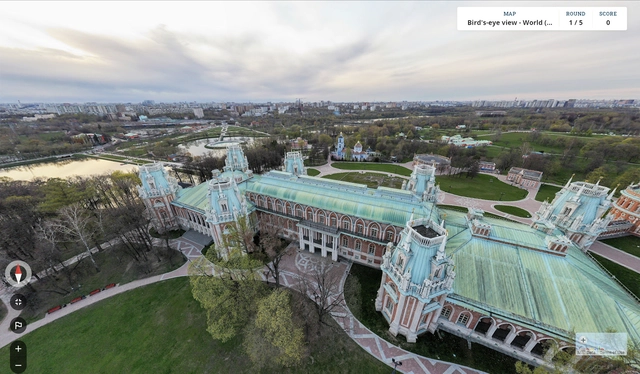
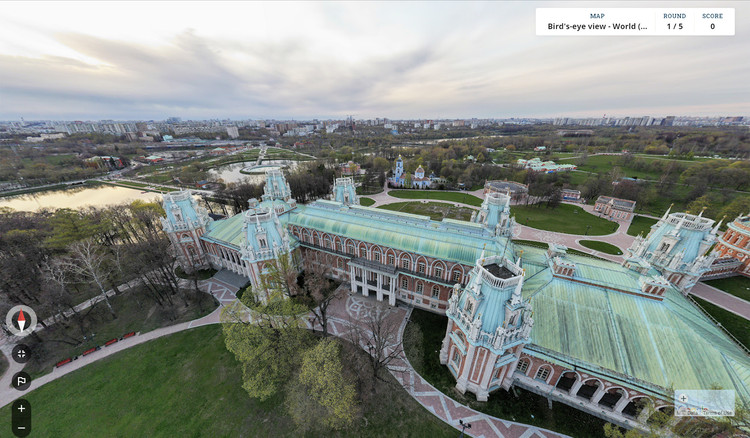
A geographic discovery game based on Google imagery, GeoGuessr requires players to guess various locations worldwide using only the clues provided by a Street view. Created in 2013, the game has taken on new relevance amidst the pandemic, as it provides a virtual travel experience. From desolate roads to famous sites, the game teases deductive reasoning, requiring players to make use of any clue, from signs, language, flags, landscape, to pinpoint their surroundings.
Martin C. Pedersen talks with Ron Rochon, managing partner at Miller Hull, about Carbon and the role of architectural firms in eliminating emissions. Discussing the EMissions Zero initiative, the current shortcomings of carbon offsets, and the way forward, the piece also questions the possibility of setting goals with the absence of an internationally, agreed-upon carbon cap.
ODA has just launched its latest project, an urban vision for the future of the streets of New York. The project titled Beyond the street- Reimagining the flower district proposes to transform a city block from the outside in, altering the pedestrian experience and introducing new zoning changes that would give landowners air rights or tax credits in exchange for handing over their inner courtyards to be transformed into public/private spaces.
ArchDaily had the chance to talk with Eran Chen, founding principal and executive director of ODA, about the firm’s very special proposal that seeks to improve our urban environment. Check the interview and watch ODA’s explanatory movie.
Studio Gang and The Community Builders have won the City of Chicago’s C40 Reinventing Cities, a competition that seeks to “transform underutilized sites or buildings into beacons of sustainability and resilience and act as a showcase for future zero-carbon urban developments”. The winning proposal will create 207 residences for the downtown workforce earning as little as minimum wage, revitalize Pritzker Park, and add community spaces and amenities to the Chicago Loop.
What does it take to build a smart city from nothing? Or maybe the better question is, what does it take to build a smart city from nothing and make it successful? For over a decade, architects and urban planners worked hand in hand to create Songdo, a brand new business district that sought to represent South Korean advancements in technology and infrastructure. Songdo was once a model for how we would live in cities of the future- but now, the reality of what this smart city quickly became has us rethinking how the combination of technology and community might have gone wrong.
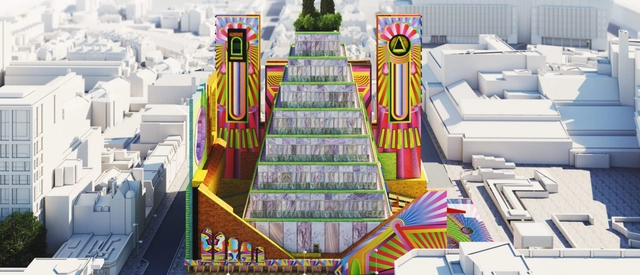
Stefan Fuchs & Raphael Dillhof interview Adam Nathaniel Furman and discuss the role and importance of facades in today's urban fabric, "in the context of a broader range of social, economic, and political issues". Part of a more in-depth study examining the role of facades in the 21st century, this discussion also raises the question of why buildings always embody the values of their creators.
https://www.archdaily.com/963168/adam-nathaniel-furman-buildings-always-embody-the-values-of-their-creatorsRaphael Dillhof, Stefan Fuchs
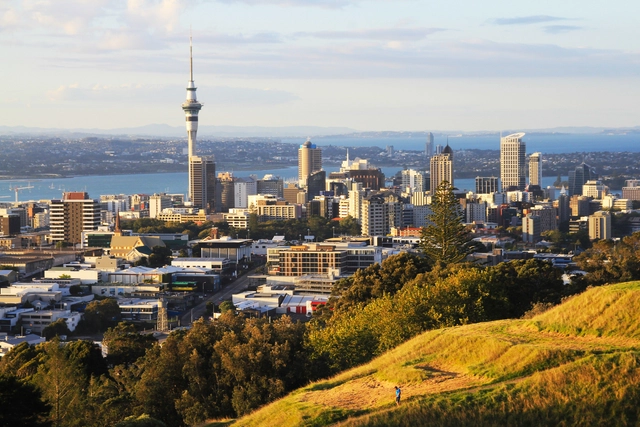
Auckland in New Zealand has topped the ranking in the 2021 EIU's annual world's most liveable city survey. Classifying 140 cities across five categories including stability, healthcare, culture and environment, education, and infrastructure, this year’s edition of the review has been highly affected by the global pandemic. Australia, Japan, and New Zealand took leading positions, while European and Canadian cities fell down the ranking.
In this week's piece by Metropolis, author Kelly Beamon explores in her original article "the patriotism associated with pitched roofs and shares how architects are reimagining this staple of suburban house styles". According to its definition, a gable roof is a classic roof shape, usually in cold or temperate climates, consisting of two roof sections sloping in opposite directions and placed such that the highest, horizontal edges meet to form the roof ridge. Emblematic of the US, this article discusses its return to the urban fabric.









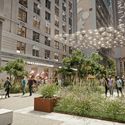

AestheticaStudio_VanBurenSt.jpg?1623834247&format=webp&width=640&height=580)
AestheticaStudio_Aerial.jpg?1623834275 "© Aesthetica Studio")
AestheticaStudio_ViewFromCTA.jpg?1623830118 "© Aesthetica Studio")
AestheticaStudio_NeighborHub.jpg?1623833511 "© Aesthetica Studio")
AestheticaStudio_1.jpg?1623829482 "© Aesthetica Studio")
AestheticaStudio_VanBurenSt.jpg?1623834247)