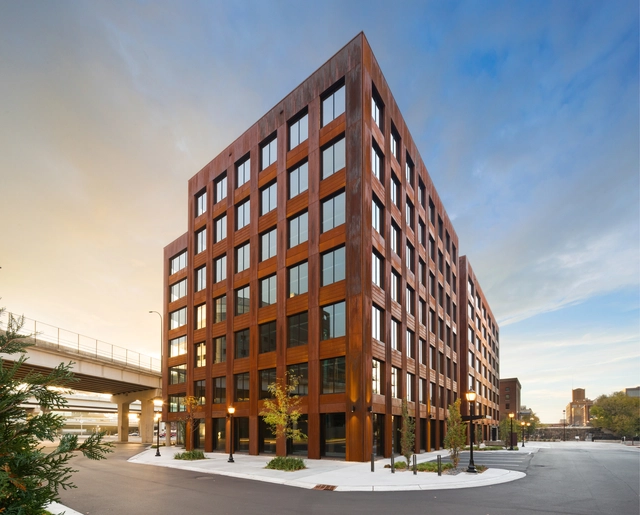
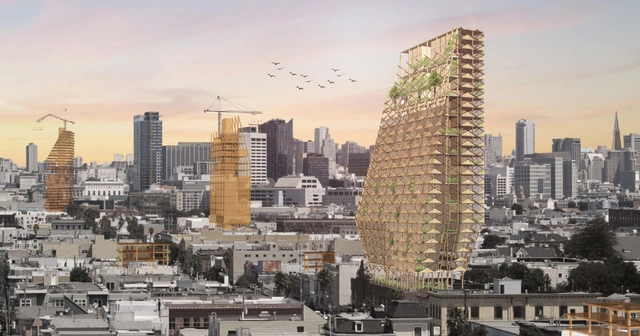
The potential for mass timber to become the dominant material of future sustainable cities has also gained traction in the United States throughout 2018. Evolving codes and the increasing availability of mass timber is inspiring firms, universities, and state legislators to research and invest in ambitious projects across the country.
https://www.archdaily.com/905601/4-projects-that-show-mass-timber-is-the-future-of-american-citiesNiall Patrick Walsh
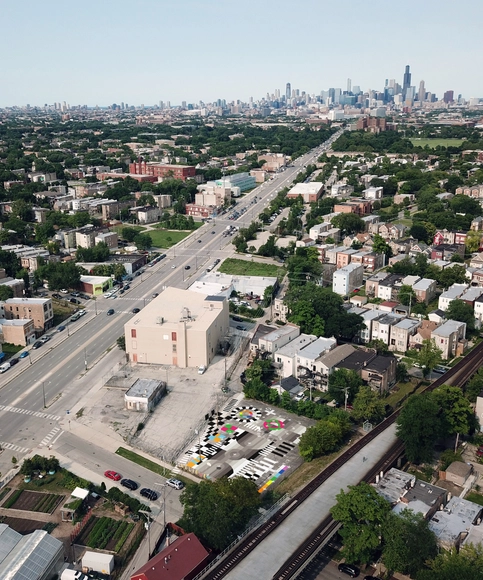
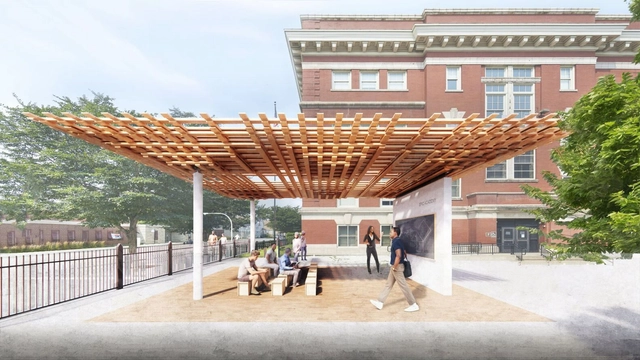
Titled "The Available City", the fourth edition of the Chicago Architecture Bienniale will be open to the public on September 17th, 2021. This year, the event presents an unprecedented biennale model that experiments with an array of site-specific projects and programs displayed across the Chicago, "reframing what a biennial can do, be, and explore for a city". Over 80 projects from 18 different countries will respond to an urban design framework and bring ideas for community-centered, collective spaces through architectural elements, engaging programming, and enhanced community experiences.
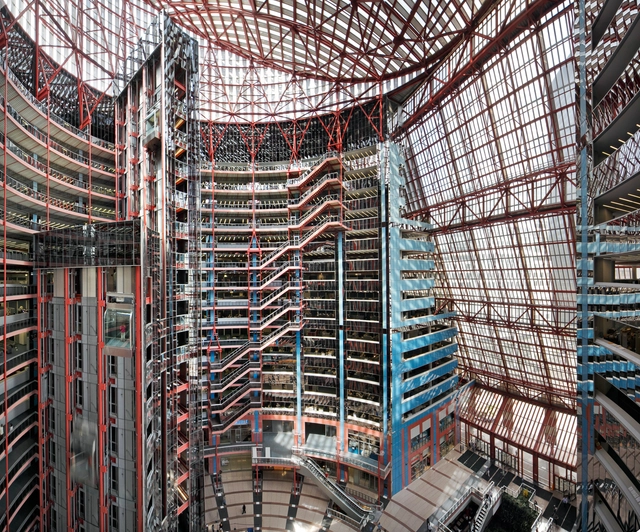
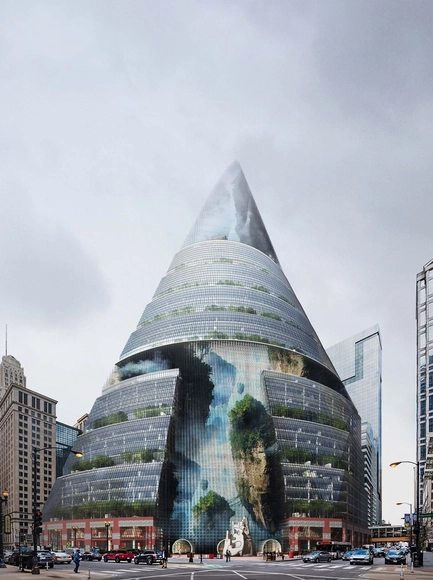
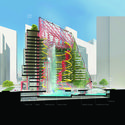
Thompson Scraper. Image Courtesy of Thompson Center Design Competition
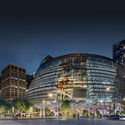
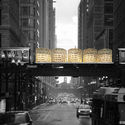
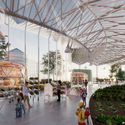
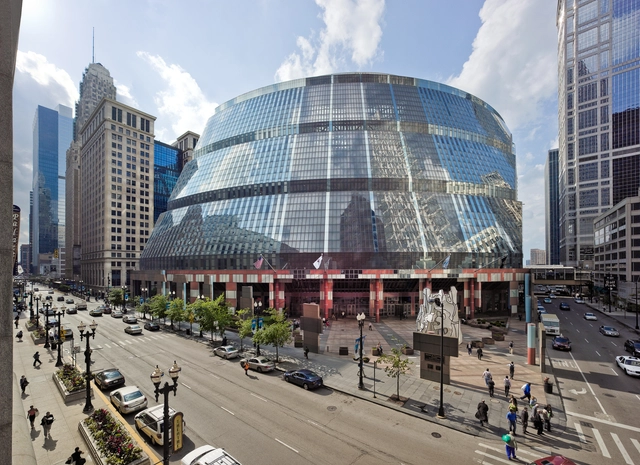
The Chicago Architecture Center and Chicago Architecture Club have announced the seven finalists of the Thompson Center Design Competition, which called for new and innovative visions for the Illinois Thompson Center designed by Helmut Jahn in 1984. The winning design proposal will be announced during the opening of the September 14 pop-up exhibition of finalists work at the Chicago Architecture Center, and will run through October.
The ChicagoArchitecture Biennial has revealed the calendar for this year’s program of events, lectures, workshops and performances exploring how architecture shapes communities and cities. Titled The Available City, this edition aims to highlight the potential of vacant urban areas as community spaces, with the event debuting on September 17 at 12 sites across Chicago featuring 16 interventions that activate unused plots. The projects are complemented by a series of outdoor programming, as well as digital events that kick off on August 17.
The Chicago Architecture Biennial has announced the cultural partners, which will be presenting programming in the form of lectures, panels, workshops or performances within this year's edition. SOM, Studio Gang, the Museum Of Contemporary Art are some of the over 100 museums, architecture studios and community organizations involved in the event. The 2021 edition of the Chicago Architecture Biennial will take place from September 17 until December 18 across various sites throughout the city. The Available City intends to highlight the potential of vacant urban areas as collective spaces through interventions developed in close collaboration with the local community.
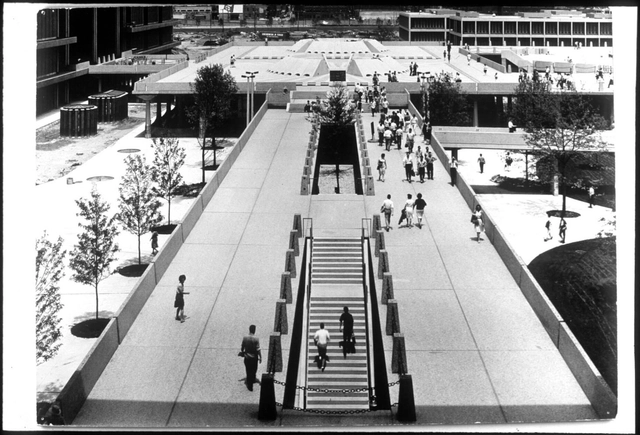
Chicago was home to a massive elevated walkway dubbed the “pedestrian highway.” It connected buildings on the East Campus of the University of Illinois at Chicago and created a multilevel network of human activity. It was designed by the architect Walter Netsch, the architect of the Air Force Academy Campus and famous chapel in Colorado Springs. The walkway was gigantic and monumental. It was even featured in the horror film Candyman from the early 1990s. But, over time, the walkway fell into disrepair and the decision was made to demolish this piece of iconic urban infrastructure.
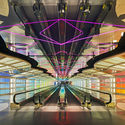
The Chicago Architecture Center (CAC) has announced it will be holding an exhibition of one of Chicago's renowned architects Helmut Jahn, an architect who "melted and fragmented the mid-century modern grid into post-modern designs" in projects like the United Terminal at O'Hare, the James R. Thompson Center in Chicago, and many others around the world. The event will take place on July 23rd until October, and will be the first major limited-run exhibition in the new CAC Galleries since their inauguration in August 2018.
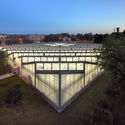
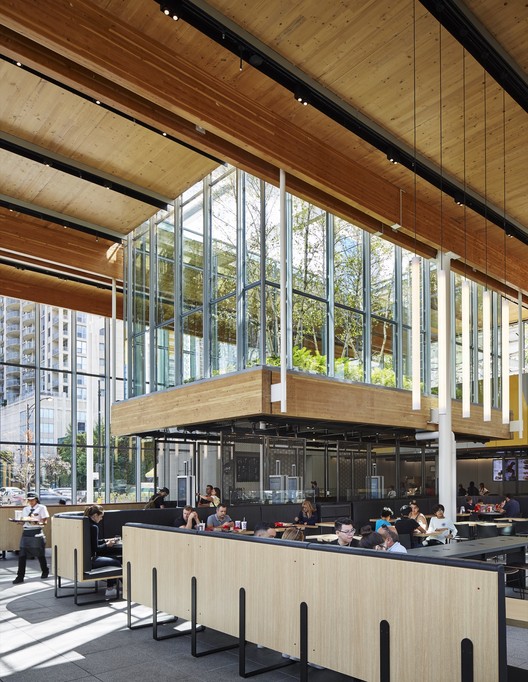
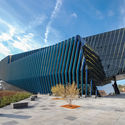
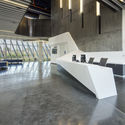
In an effort to reinvent an iconic American fast-food brand, McDonald’s U.S. has announced a new direction for the corporation, beginning with rethinking the restaurant’s current archetypal design both in its interior eating spaces and exterior urban landscape. A primary example of this commitment can be seen in the recently completed design for McDonald’s Global Flagship in Chicago by Ross Barney Architects.
The structure, which fills an entire city block in the heart of Chicago, was envisioned as a hallmark example of both the architect and the corporation's shared commitment to environmentally sustainable design. Cross Laminated Timber (CLT), an essential material for the project, replaced many of the commonly-used building materials such as steel, concrete, and plastics that have a larger environmental footprint.
Studio Gang and The Community Builders have won the City of Chicago’s C40 Reinventing Cities, a competition that seeks to “transform underutilized sites or buildings into beacons of sustainability and resilience and act as a showcase for future zero-carbon urban developments”. The winning proposal will create 207 residences for the downtown workforce earning as little as minimum wage, revitalize Pritzker Park, and add community spaces and amenities to the Chicago Loop.
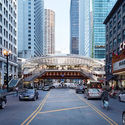
Skidmore, Owings & Merrill (SOM) and TranSystems are redesigning one of Chicago busiest and oldest elevated rail networks. The Chicago State/Lake Station's new design offers improved accessibility, safety, and comfort to all passengers, and respects the surrounding historic fabric of the downtown area. The proposed design includes wider platforms, a hovering glass canopy, a new fly-over connection bridge, elevators, and street level enhancements.
It would be an understatement to say that architecture is a profession that closely mirrors economic conditions. In this practice, we’ve all heard the stories or felt the experiences of recessions that were quickly followed by projects put on hold, a decreased pipeline of new business, and the unfortunate impact of layoffs and furloughs. The cyclical nature of the design field, paired with the pressure to meet the spatial needs for a growing global population in a time where the value of land has continued to sky-rocket means that architecture is naturally subjected to economic impacts in a significant way. But some economic theories predict that instead of the economy dictating the ebbs and flows of the design profession, architecture might be one of the influences causing economic downturns.
Structural timber is in the midst of a renaissance; an ironic trend given that timber is arguably the most ancient of building materials. But new innovations in structural timber design have inspired a range of boundary-pushing plans for the age-old material, including everything from bridges to skyscrapers. Even more crucially, these designs are on the path to realization, acceding to building codes that many (mistakenly) view as restrictive to the point of impossibility.
The timber structures of today aren't just breaking records - they're doing it without breaking the rules.
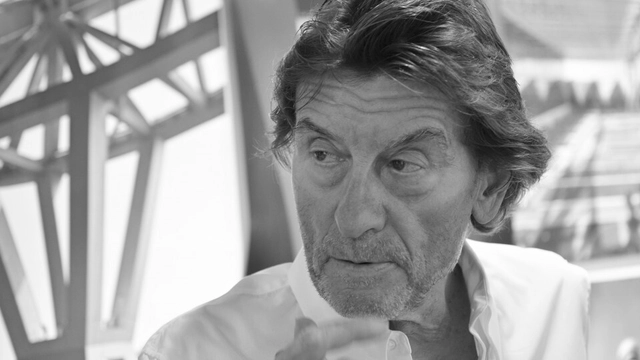
Chicago’s most prolific architect, Helmut Jahn has passed away on Saturday afternoon in a cycling accident. He was struck by two vehicles while riding his bicycle in Campton Hills, in the Chicago suburbs. The German-American designer is best known for his postmodern Thompson Center, currently under threat of demolition and United Airlines Terminal 1 at Chicago’s O’Hare International Airport.
Perhaps no building is closer to a date with the wrecking ball in Chicago than the James R. Thompson Center. While those responsible for initiating this threat cite years worth of deferred maintenance and high costs of operation as the primary reasons for their decision, these are not the real reasons for the building’s demise. It suffers from a much more lethal ailment — treating it like a normal building. In this video, Stewart explains why the Thompson Center is definitely not a normal building and offers alternative ways to evaluate it. What if we considered it to be a piece of urban infrastructure or public plaza instead? Relating the building to Rem Koolhaas’ theory of ‘Bigness’, this video builds the case that the Thompson Center should be valued for how it brings people together in space rather than its colors, or material palette, or any other normal ways of appraising mere buildings.










AestheticaStudio_VanBurenSt.jpg?1623834247&format=webp&width=640&height=580)
AestheticaStudio_Aerial.jpg?1623834275 "© Aesthetica Studio")
AestheticaStudio_ViewFromCTA.jpg?1623830118 "© Aesthetica Studio")
AestheticaStudio_NeighborHub.jpg?1623833511 "© Aesthetica Studio")
AestheticaStudio_1.jpg?1623829482 "© Aesthetica Studio")
AestheticaStudio_VanBurenSt.jpg?1623834247)



.jpg?1623397042)
.jpg?1623397062 "Courtesy of Skidmore Owings & Merrill")
.jpg?1623397056 "Courtesy of Skidmore Owings & Merrill")
.jpg?1623397051 "Courtesy of Skidmore Owings & Merrill")
.jpg?1623397042)