Videos
Courtesy of Delfino Sisto Legnani and Marco Cappelletti
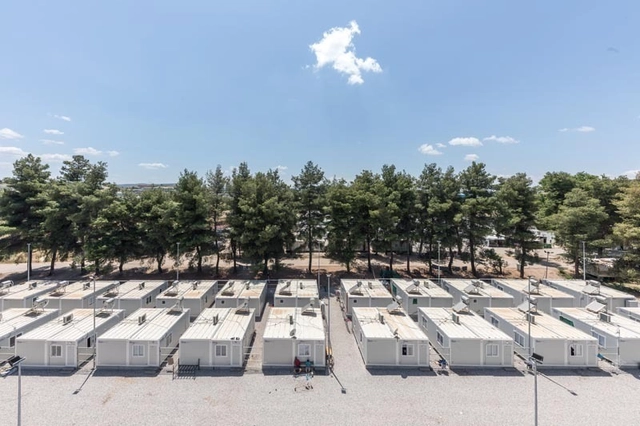
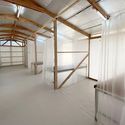
As the healthcare infrastructure is becoming overwhelmed and hospitals around the world are reaching their capacities, new alternative possibilities are emerging. In response to bed shortage and facility saturation, architects around the world are taking action, in the on-going fight against the coronavirus. Focusing their knowhow to find fast and efficient design solutions that can be implemented anywhere, they are proposing flexible, fast assembled, mobile, and simple structures. With a very tight timetable, some projects are already implemented and in service, while others remain on a conceptual level, waiting to be adopted.
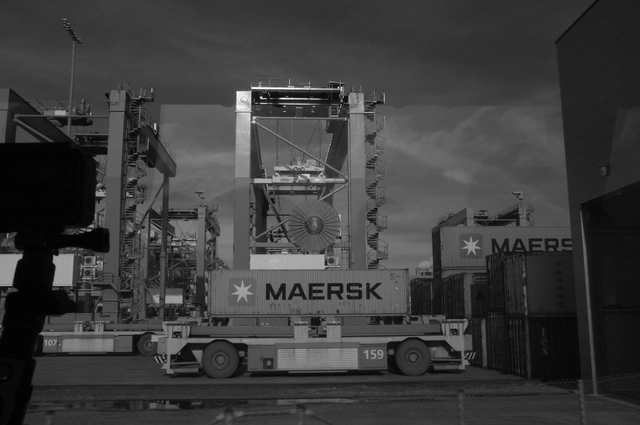
Rotterdam Port Automated Vehicle by Monika Bočková
Lukáš Likavčan takes us on a rich and satisfying philosophical journey. From Agamben's apparatus, through Hegel's positive religion (in contemporary robes), on to its materialization in Graeber's fetishes, the author reads the smart objects that are at the basis of the smart city paradigm as fetishes of sorts. In this perspective, it is necessary to redefine the autonomy of humans through an act of reverse prostheticization: what position should humans occupy in the technosphere? And what kind of relationships are emerging, or are being consolidated, between us (humans) and them (objects)? By accepting a collective vision of intelligence as a product of human and non-human data, it is possible to move away from the notion of fetish, towards an anti-narcissistic condition that sees humans as one of the entities having agency in a universe that has moved far beyond the phenomenological.
For the 2019 Shenzhen Biennale of Urbanism\Architecture (UABB), titled "Urban Interactions," (21 December 2019-8 March 2020) ArchDaily is working with the curators of the "Eyes of the City" section to stimulate a discussion on how new technologies might impact architecture and urban life. The contribution below is part of a series of scientific essays selected through the “Eyes of the City” call for papers, launched in preparation of the exhibitions: international scholars were asked to send their reflection in reaction to the statement by the curators Carlo Ratti Associati, Politecnico di Torino and SCUT, which you can read here.
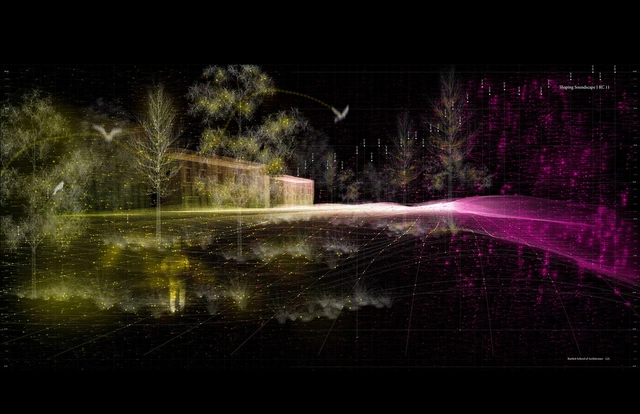
Our interpretation of the world is mediated through a variety of mechanisms that have been at the center of architectural and urban debate for a long time; the role of hearing in perceiving and recognizing the surrounding environment is fundamental and of growing scientific interest. Studies that investigate the psychological effects of noise produced by large infrastructures, such as airports, highways, railways, are multiplying. Santiago Beckdorf argues that it is possible, through the tools of design, to reverse the paradigm according to which urban development is inevitably connected to a weakening of the natural environment in which it is inserted.
For the 2019 Shenzhen Biennale of Urbanism\Architecture (UABB), titled "Urban Interactions," (21 December 2019-8 March 2020) ArchDaily is working with the curators of the "Eyes of the City" section to stimulate a discussion on how new technologies might impact architecture and urban life. The contribution below is part of a series of scientific essays selected through the “Eyes of the City” call for papers, launched in preparation of the exhibitions: international scholars were asked to send their reflection in reaction to the statement by the curators Carlo Ratti Associati, Politecnico di Torino and SCUT, which you can read here.
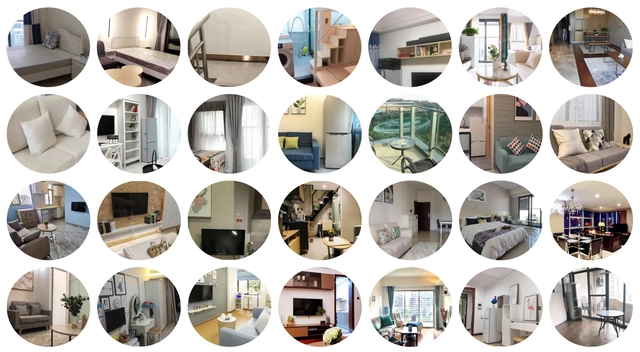
Your Real Estate Interior: Noourbanographical Sample of the single bedroom/studio apartment. Source: www.flatchina.com
Can a collective agency, or mind, be traced across the urban condition? And how should we map its effects on the physical matter of our cities? A specific representation of a specific type of ‘home’ is employed as an exercise in defining the impact of a “logic of thinking that is both embodied and distributed, singular and collective.” Hélène Frichot’s proposal for “Noourbanographies” was written as a response to the call for papers of the “Eyes of the City,” well before our domestic interiors became the new public. Looking at the distance between hegemonic collectives and ecologies of subjectivities as space for action, the essay opens up to an articulate range of issues that involve matters of care, diagrammatic thinking and spaces of control.
For the 2019 Shenzhen Biennale of Urbanism\Architecture (UABB), titled "Urban Interactions," (21 December 2019-8 March 2020) ArchDaily is working with the curators of the "Eyes of the City" section to stimulate a discussion on how new technologies might impact architecture and urban life. The contribution below is part of a series of scientific essays selected through the “Eyes of the City” call for papers, launched in preparation of the exhibitions: international scholars were asked to send their reflection in reaction to the statement by the curators Carlo Ratti Associati, Politecnico di Torino and SCUT, which you can read here.
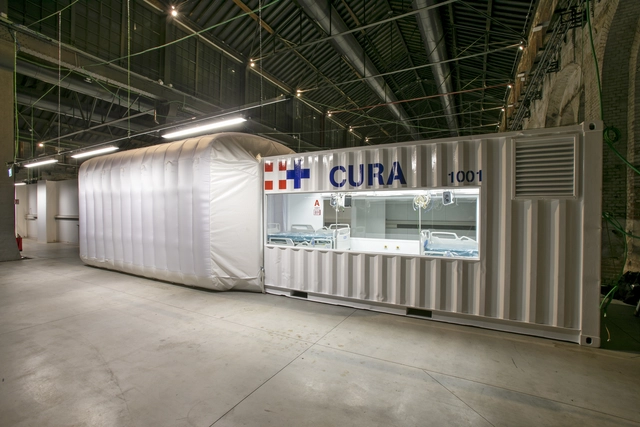
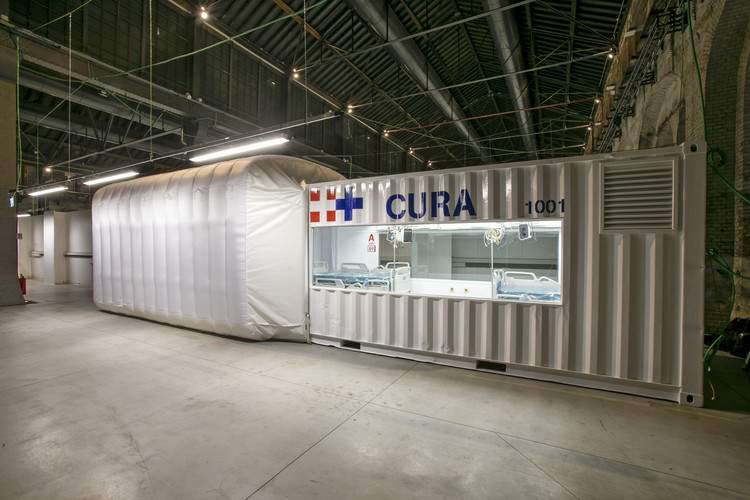
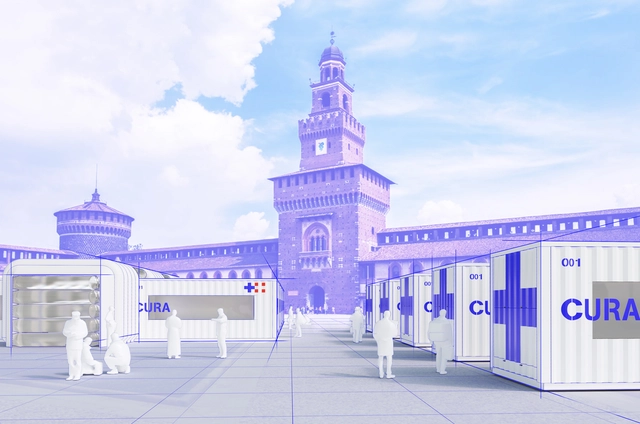
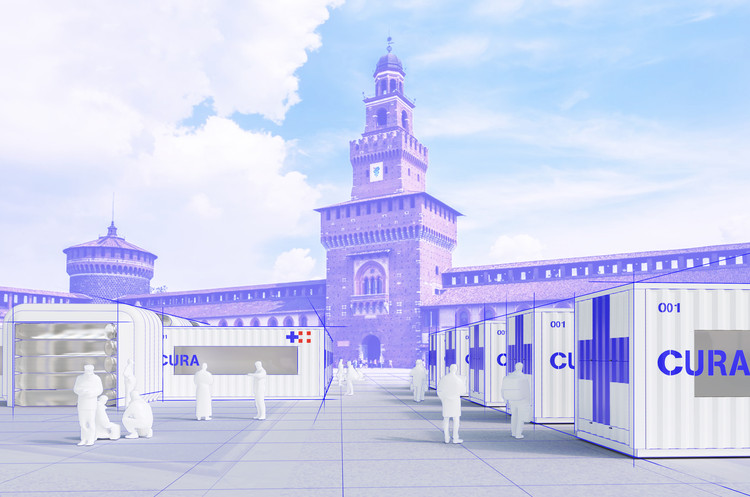
The first unit from Carlo Ratti’s CURA project was built at a temporary hospital in Turin, north of Italy, one of the world’s hardest-hit regions by the pandemic. Launched four weeks ago, the initiative to convert shipping containers into plug-in Intensive-Care Pods for COVID-19 patients was assembled at record speed.
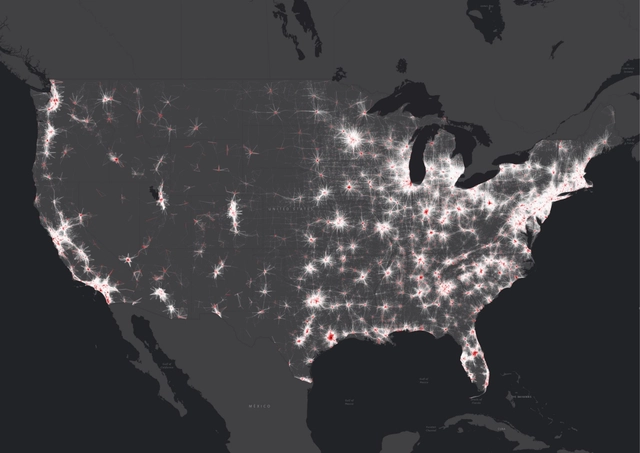
Intro GPS systems and Location Based Services give access to an important amount of data that is currently being used mostly for traffic analysis - but which, if properly processed, could open up infinite possibilities for planning.The access to these Mobility Big Data is no longer a privilege of large cities; on the contrary, it is possible to effectively apply the technologies to increasingly more diverse territories, from mega-regions to contained districts and cities. These data, when retrospectively compared to previously collected ones, lend themselves to multiple applications loosely related to the traffic issue, such as socio-demographic or economical studies. Systematica opens the doors of its laboratory to show us what are the potentials and limits of these tools, starting from a direct experience - a research project, developed in the Los Angeles area.
For the 2019 Shenzhen Biennale of Urbanism\Architecture (UABB), titled "Urban Interactions," (21 December 2019-8 March 2020) ArchDaily is working with the curators of the "Eyes of the City" section to stimulate a discussion on how new technologies might impact architecture and urban life. The contribution below is part of a series of scientific essays selected through the “Eyes of the City” call for papers, launched in preparation of the exhibitions: international scholars were asked to send their reflection in reaction to the statement by the curators Carlo Ratti Associati, Politecnico di Torino and SCUT, which you can read here.
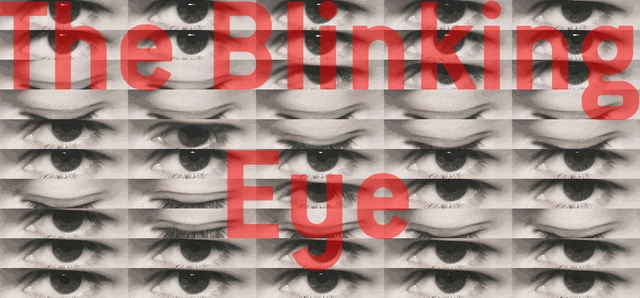
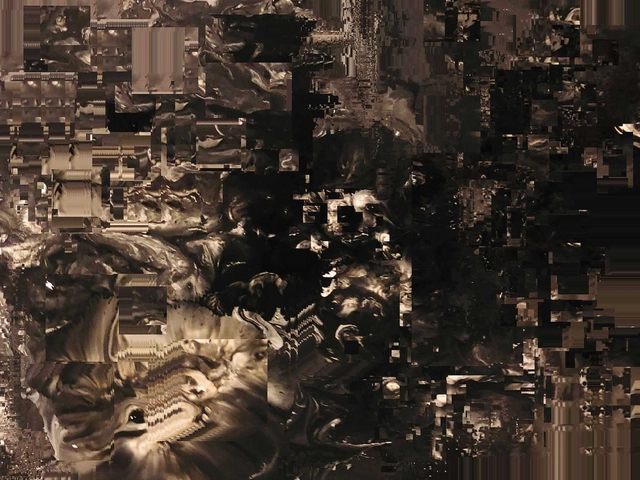
"The Blinkg Eye", Viktor Mayer-Schönberger, Karl-Heinz Machat, 2019
We are increasingly accustomed to relying on technologies to read and process data referring to the past, in order to interpret the present and predict the future. At the same time, a growing number of studies show that the number and types of variables governing our societies is in constant change. As the natural world reacts to change by experimenting with the evolution of new species that are not necessarily destined to survive, so we should take momentary distances from the deterministic application of data-driven predictions. Viktor Mayer-Schönberger and Karl-Heinz Machat propose a number of possible scenarios in which the Eyes of the City are made to blink from time to time, allowing for alternative modes of urbanity to be tried and tested. Half strategy, half tactic, these glitches offer the space in which to measure the agency of the unpredictable at various scales.
For the 2019 Shenzhen Biennale of Urbanism\Architecture (UABB), titled "Urban Interactions," (21 December 2019-8 March 2020) ArchDaily is working with the curators of the "Eyes of the City" section to stimulate a discussion on how new technologies might impact architecture and urban life. The contribution below is part of a series of scientific essays selected through the “Eyes of the City” call for papers, launched in preparation of the exhibitions: international scholars were asked to send their reflection in reaction to the statement by the curators Carlo Ratti Associati, Politecnico di Torino and SCUT, which you can read here.
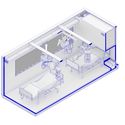
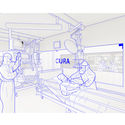
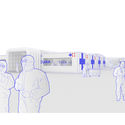
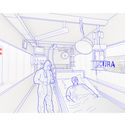
As the world's healthcare systems struggle to meet the exponential surge in demands from COVID-19, architects and designers are generating a variety of responses and proposals, from large field hospitals to 3D printed clinical masks. In Italy, where the coronavirus outbreak has been among the world's most damaging, a collaborative team led by architect and MIT professor Carlo Rattihas unveiled CURA, a modular intensive care unit made from repurposed shipping containers. CURA, whose name stands for Connected Units for Respiratory Ailments (and also “cure” in Latin), can be quickly deployed in cities around the world and replicated through an open-source design, promptly responding to the shortage of ICU space in hospitals and the spread of the disease.
https://www.archdaily.com/936911/interview-carlo-ratti-on-architecture-that-fights-covid-19Niall Patrick Walsh
How does computer programming impact the act of designing? Are digital protocols about to substitute human activity in the project of architecture, or does the human component remain an essential one - through changed paradigms? And if so, which paradigms should we refer to? Charles Driesler and Ahmad Tabbakh retrace these fundamental questions through some recent examples, and propose the application of a GAN protocol for the post-war reconstruction of Aleppo.
https://www.archdaily.com/936364/protocological-architectures-recursive-remembranceCharles Driesler, Ahmad Tabbakh
Courtesy of CURA/ CRA-Carlo Ratti Associati with Italo Rota
CRA-Carlo Ratti Associati with Italo Rota in collaboration with an international team of experts developed CURA (Connected Units for Respiratory Ailments), plug-in Intensive-Care Pods for the COVID-19 pandemic. An open-source design for emergency hospitals, the project’s first unit is currently under construction in Milan, Italy.
In a condition of growing superimposition between digital and physical, the threshold of the real is being pushed by a vast set of apps and platform that as a wired-wiring infrastructure manipulate cities and citizens in a constant exchange of data; in turn, this is progressively invading and exceeding the set of references we have to describe the urban condition. Users, now actors-producers of the human environment, will likely lose their physical agency and become producers of data, in what Federico Ruberto describes as the digital schizophrenia of the city of tomorrow. Through philosophical, artistic and cinematographic references the author paints varying scenarios, investigating what might be the limits for digital infrastructures and what tools we might employ in manipulating them.
For the 2019 Shenzhen Biennale of Urbanism\Architecture (UABB), titled "Urban Interactions," (21 December 2019-8 March 2020) ArchDaily is working with the curators of the "Eyes of the City" section to stimulate a discussion on how new technologies might impact architecture and urban life. The contribution below is part of a series of scientific essays selected through the “Eyes of the City” call for papers, launched in preparation of the exhibitions: international scholars were asked to send their reflection in reaction to the statement by the curators Carlo Ratti Associati, Politecnico di Torino and SCUT, which you can read here.
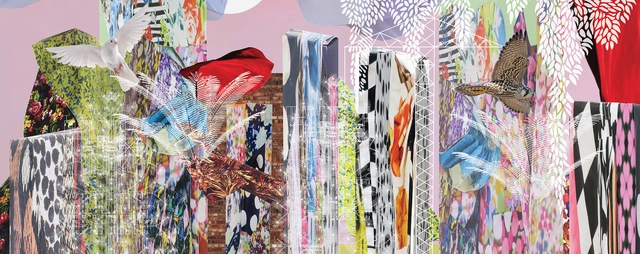
Concealed City, mixed-media composite drawing by Monica Hutton.
Deception, concealment, camouflage. Nature's numerous examples of disguising as a strategy to survive have provided humankind with plenty of inspiration for military unobtrusiveness throughout history. Today, disguise appeals as a way to protect one's private life in the City with Eyes. In a time when monitoring and surveillance systems are increasingly pervasive, Monica Hutton reflects on concealment strategies that are being developed, and which agencies they can deploy as part of complex urban ecologies.
What happens when the sensor-imbued city acquires the ability to see – almost as if it had eyes? Ahead of the 2019 Shenzhen Biennale of Urbanism\Architecture (UABB), titled "Urban Interactions," ArchDaily is working with the curators of the "Eyes of the City" section at the Biennial to stimulate a discussion on how new technologies – and Artificial Intelligence in particular – might impact architecture and urban life. Hereyou can read the “Eyes of the City” curatorial statement by Carlo Ratti, the Politecnico di Torino and SCUT.
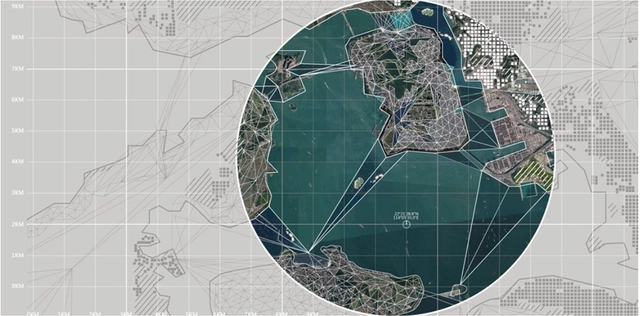
The recent ‘Greater Bay Area’ (GBA) initiative has led to a renewed interest in the supra-urban and regional or territorial planning scale by the spatial planning professions, urbanists and strategic spatial planners globally. The emergence of ‘mega’ urban-scapes and their regional agglomeration into urbanised areas of over 70 million – at least an order of magnitude larger than has ever been planned before - has reframed many conventional challenges of the spatial planning agenda. With the mega region in formation, a new necessity emerges, that being the investigation of the dynamic, morphogenetic and ecosystemic properties specific to specific regional conditions. Simply, the integration of eleven significantly sized cities and their corresponding metropolitan hinterlands, three special economic or administrative regions, three currencies, and three (or more) different cultural groups into one urban regional entity is a massive undertaking. At present aside from the governance and policy intentions this has primarily resulted in an infrastructural planning approach, one that utilizes a systemic top-down approach that seeks to provide the connective tissues and reticules, as well as civic and economic systems that mobilise people, capital and goods in such a vast region. This approach is akin to the smart city models which seek to enfold all aspects of civic life within infrastructure systemic control paradigms. But in reality, given the scope and scale of this undertaking the modalities of planning in the GBA need to shift from an extensive planned realm in which every part coheres to a plan, to one of a differentiated field in which different intensities arise as an effect of their urban eco-system integration (or its lack of). This clearly needs new approaches, concepts and models of planning that can deal with these regional issues in dynamic, open-ended ways that can foster new modalities of planning.
https://www.archdaily.com/934165/game-boarding-regional-developmentGerhard Bruyns, Peter Hasdell, and Diego Sepulveda-Carmona
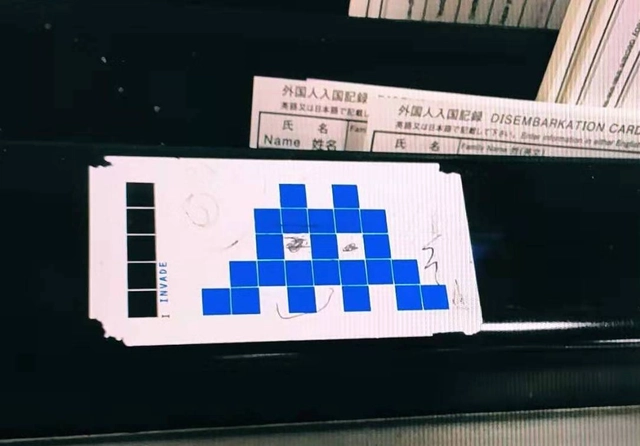
A photograph taken in April 2017 and shared through Instagram of a sticker by the French street artist Invader.
How do street art practices resonate through the digital world, and how do we trace such resonance back to the street? More generally, what happens when the sensor-imbued city acquires the ability to see – almost as if it had eyes? Andrea Baldini (Nanjing University) reflects on the role that the Internet, and social networks, in particular, have had in boosting the circulation of graffiti and street art and, in turn, their communicative and denouncing power.
For the 2019 Shenzhen Biennale of Urbanism\Architecture (UABB), titled "Urban Interactions," (21 December 2019-8 March 2020) ArchDaily is working with the curators of the "Eyes of the City" section to stimulate a discussion on how new technologies might impact architecture and urban life. The contribution below is part of a series of scientific essays selected through the “Eyes of the City” call for papers, launched in preparation of the exhibitions: international scholars were asked to send their reflection in reaction to the statement by the curators Carlo Ratti Associati, Politecnico di Torino and SCUT, which you can read here.
What happens when the sensor-imbued city acquires the ability to see – almost as if it had eyes? Ahead of the 2019 Shenzhen Biennale of Urbanism\Architecture (UABB), titled "Urban Interactions," ArchDaily is working with the curators of the "Eyes of the City" section at the Biennial to stimulate a discussion on how new technologies – and Artificial Intelligence in particular – might impact architecture and urban life. Hereyou can read the “Eyes of the City” curatorial statement by Carlo Ratti, the Politecnico di Torino and SCUT.
Technologies of the virtual realm present an opportunity to rethink the experience of space, society, and culture. They give us the possibility to engage with the city of the future, shaping the built environment of the 21st century.
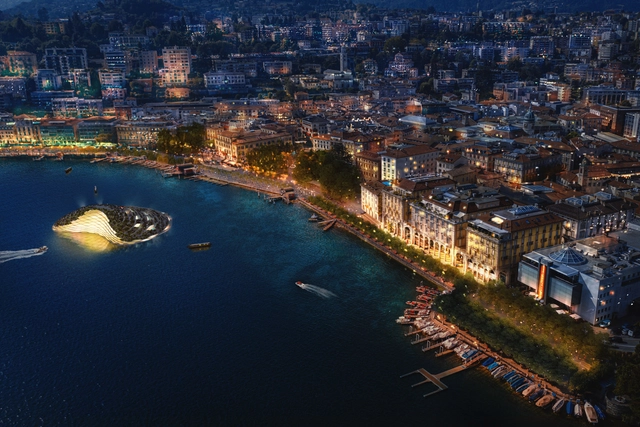
Designed by CRA- Carlo Ratti Associati and MIC-Mobility in Chain, the proposed plan for the Swiss city Lugano creates a network of public spaces, that connects the town to the lake. The project puts in place a floating garden and a reconfigurable waterfront.
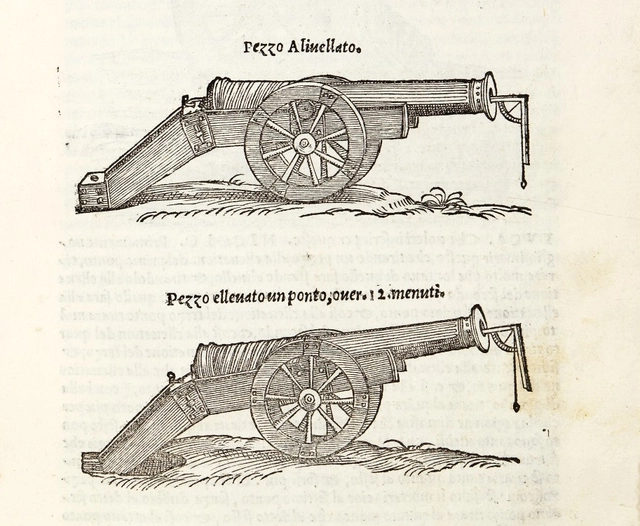
Images taken from Nicola Tartaglia, Nova scientia, second book, Distantia del transito, 1558
What happens when the sensor-imbued city acquires the ability to see – almost as if it had eyes? Ahead of the 2019 Shenzhen Biennale of Urbanism\Architecture (UABB), titled "Urban Interactions," ArchDaily is working with the curators of the "Eyes of the City" section at the Biennial to stimulate a discussion on how new technologies – and Artificial Intelligence in particular – might impact architecture and urban life. Hereyou can read the “Eyes of the City” curatorial statement by Carlo Ratti, the Politecnico di Torino and SCUT.
https://www.archdaily.com/931663/how-does-architectural-design-change-when-the-city-becomes-equipped-with-the-most-recent-advances-in-artificial-intelligence-alessandro-armando-giovanni-durbiano-for-the-shenzhen-biennale-uabb-2019Alessandro Armando and Giovanni Durbiano
December 22nd, 2019 saw the public opening of the 8th Bi-City Biennale of Urbanism\Architecture (UABB) in Shenzhen, China. As the world’s most visited architecture exhibition, the Biennale forms an influential moment for the dissemination of architectural knowledge, and the generation of dialogue and feedback loops between designers and citizens. Titled “Urban Interactions”, the Biennale's 2019 edition sets its sights on the multifaceted question of how technological advancements will impact the relationships cities share with people, technology, nature, and each other.







.jpg?1585232852&format=webp&width=640&height=580)





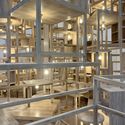
%E2%80%9D_%E2%80%93_Philip_F._Yuan_%C2%A9_UABB.jpg?1577392546 "“Nomadic Wood (Looking)” – Philip F. Yuan. Image © UABB")
