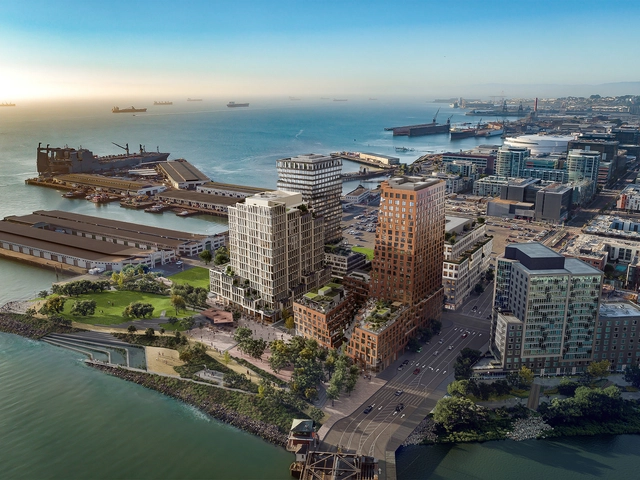
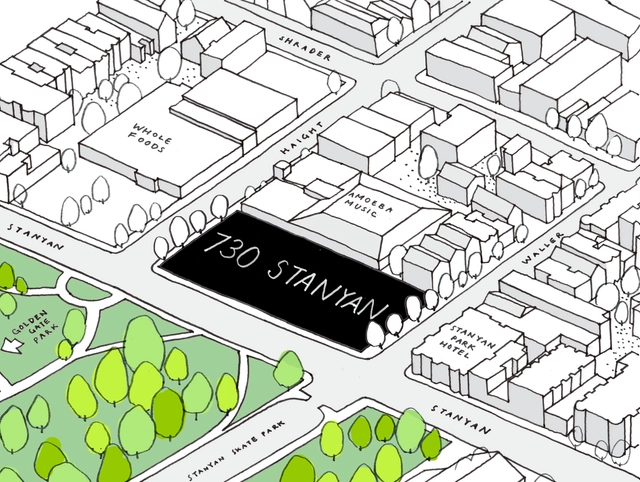
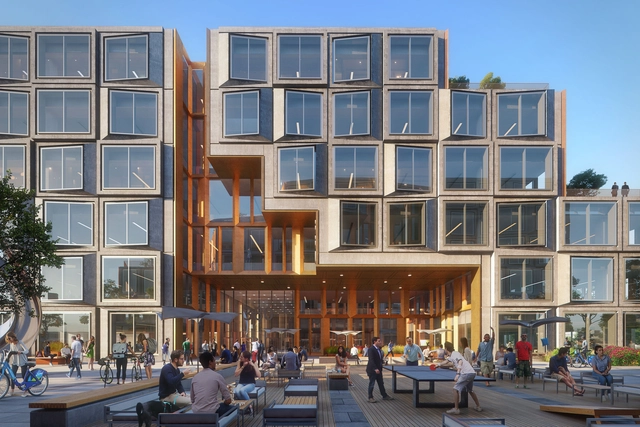
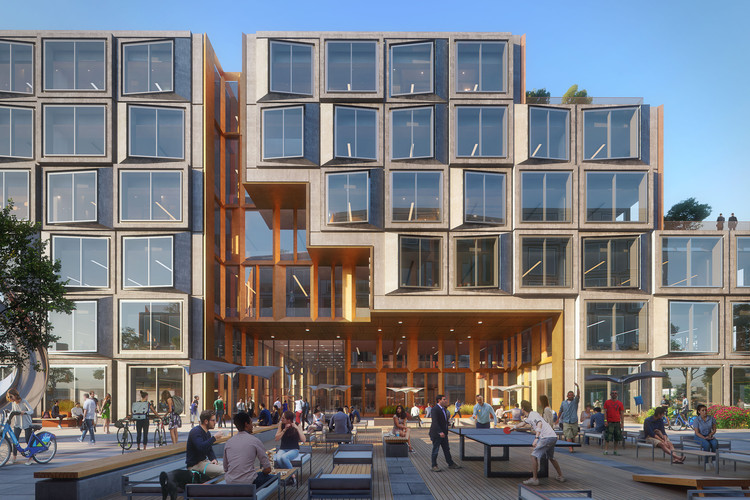
OMA / Jason Long and Y.A. Studio have been selected to design an 150 unit affordable housing project in San Francisco's historic Haight Ashbury neighborhood. Dubbed 730 Stanyan, the project aims to provide a high-quality living environment for families and seniors. The housing will be situated at the entry to Golden Gate Park and aspires to address the city’s desperate need for permanent housing options.
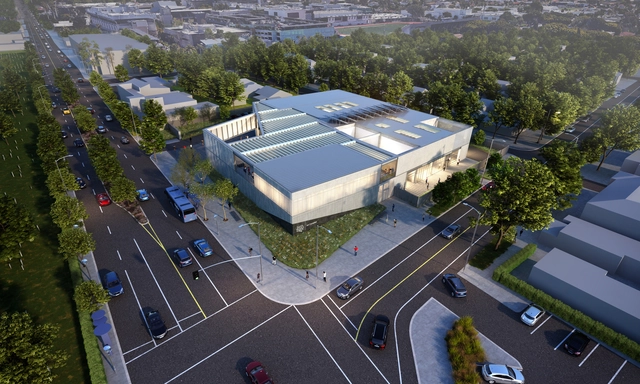
Grimshaw has just revealed initial concepts of the new 21,000 square-foot arts complex for Santa Monica College (SMC) in Santa Monica, California. Scheduled for completion in 2024, the building is planned as a “factory of creativity”, replacing an existing surface car park and serving as a new western gateway for the college.
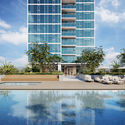
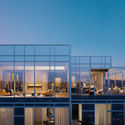
Pre-leasing for the 31-story high rise residential tower ARQ is set to begin in West Los Angeles. Designed as part of the Cumulus District development, the project is sited between Culver City and West Adams. In creating ARQ, architecture firm Solomon Cordwell Buenz and interior design firm Rodrigo Vargas Design created units with panoramic views of Los Angeles spanning from the Pacific Ocean to Downtown.
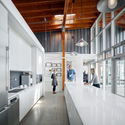
The Miller Hull Partnership has earned a Living Building Challenge Petal Certification for the renovation of its San Diego studio. The renovation is the first project certified under the fourth version of the Living Building Challenge (LBC 4.0), which continues the standard’s mission of visionary building goals. Now all of Miller Hull’s offices are Petal certified.
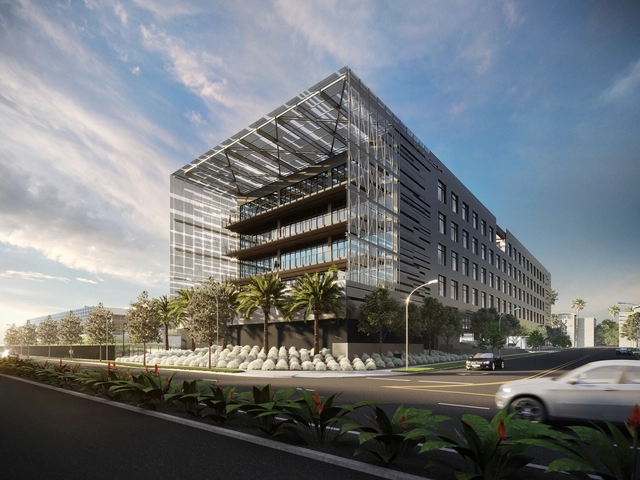
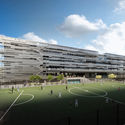
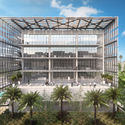
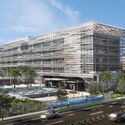
Kohn Pedersen Fox Associates (KPF) has just announced the groundbreaking of Platform 16, an office campus in Downtown San Jose, California. Comprising three-buildings, the 1,200,000-square-foot project is an innovative complex that favors indoor and outdoor connections.
Courtesy of Tsutsumida Pictures, Studio One Eleven
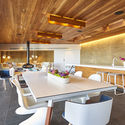
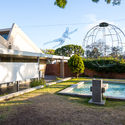
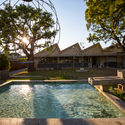
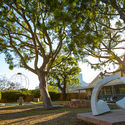
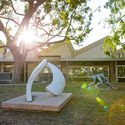
Firm Studio One Eleven has unveiled a series of new community centers across the Orange County Great Park masterplan. Located in four of the 10 neighborhoods in the 1,300-acre park, they join one of the largest urban masterplans in the United States. The centers were made to combine a range of amenities and programs through seamless indoor-outdoor rooms and plazas.
Design and the City is a podcast by reSITE, raising questions and proposing solutions for the city of the future. In the seventh episode, Christopher Cabaldon, the longest-serving mayor in West Sacramento’s history, an LGBTQ+advocate, talks about the urban regeneration of his city, from a former industrial town to an urbanized, livable community.
Grimshaw and Little Diversified Architectural Consulting (Little) have been selected to design a new Arts Complex for Santa Monica College (SMC) in California. Aiming to create an iconic landmark building along Pico Boulevard, the complex will be made to celebrate the college's Art Department as part of the broader Santa Monica community.
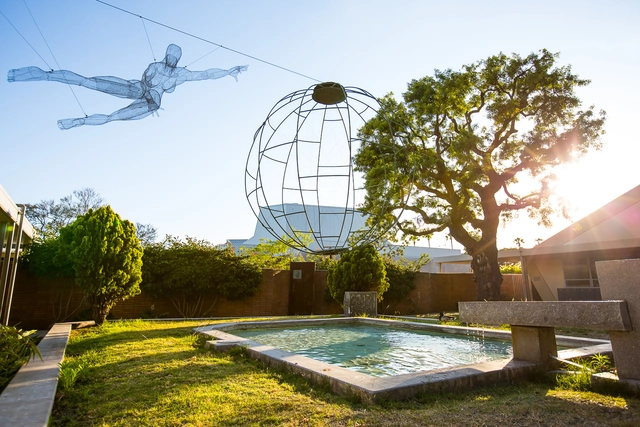
Space Saloon and Designers on Holiday have announced DeSaturated, a week-long interdisciplinary community-in-residence design festival in California's Cuyama Valley. Following the success of the first two iterations, LANDING and FIELDWORKS, the team is returning to California once more. The community-in-residence program will bring together designers, artists and researchers to address issues of water scarcity.
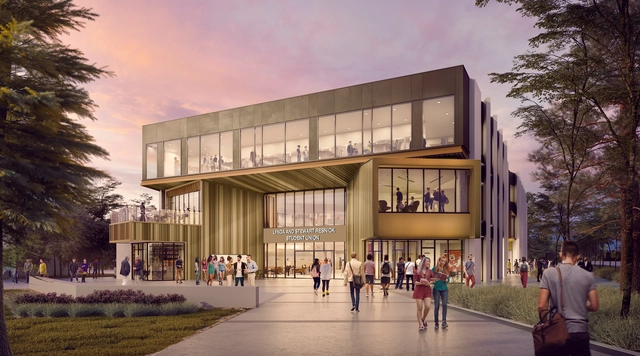
Lynda and Stewart Resnick Student Union. Image Courtesy of HED
Architecture and engineering firm HED has broken ground on the new Lynda and Stewart Resnick Student Union at Fresno State. Working with McCarthy Building Companies, the team created the design for the California State University to enhance campus paths of travel to invite students and visitors into the new center for student life. In turn, the design will provide additional space for a growing student population.
The steel frame of the Lucas Museum of Narrative Art is beginning to take shape in Los Angeles. Designed by MAD Architects, the project takes its name from Star Wars creator George Lucas and will stand at the gateway to the city’s Exposition Park. The landmark project will be MAD’s first museum built in the United States.
Located in the western region of the United States, the state of California is the most populous state and the third-largest — it includes some of the most populated cities of the country such as Los Angeles, San Diego, San Francisco, Long Beach and Oakland.
Weiss/Manfredi have been selected to lead the new La Brea Tar Pits master planning in Los Angeles. The team's ‘Loops and Lenses’ concept was developed to create new connections between "the museum and the Park, between science and culture, and envisions the entire site as an unfolding place of discovery." The team will work with NHMLAC on a multi-year process of public engagement, master planning, design and construction on the Tar Pits’ 13-acre campus.
SPF:architects has topped out construction on WE3 at Water’s Edge, a six-story creative office building in Playa Vista. The 183,000 square foot structure along Silicon Beach encompasses four floors of open creative workspace, with upper floors of the structure wrapped in a “floating” perforated aluminum skin.
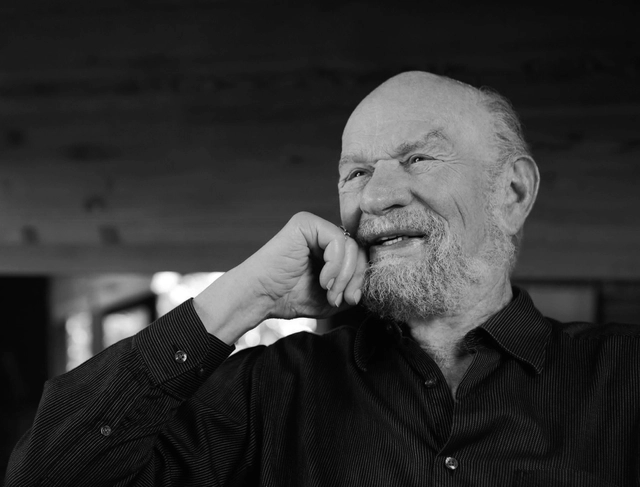
Architect, educator and founding director of SCI-Arc, Ray Kappe, FAIA, passed away last week at the age of 92. Kappe experienced lung failure after battling pneumonia. As a renowned architect, Kappe designed more than 100 residences, pioneered a new approach to architectural education, and shaped both Los Angeles and California Modernism as we know it.
Shifts in technology reflect how designers are creating experiences of architecture and cities. New advances engender novel ways of working, and in turn, shape our design process. As a practice defined by pushing boundaries, experimenting with workflows, and embracing new design technologies, Morphosis has a forty-year history of enthusiastically wondering at the future.













.jpg?1588263832&format=webp&width=640&height=580)
.jpg?1588263884 "Courtesy of Tsutsumida Pictures, Studio One Eleven")
.jpg?1588264035 "Courtesy of Tsutsumida Pictures, Studio One Eleven")
.jpg?1588263861 "Courtesy of Tsutsumida Pictures, Studio One Eleven")
.jpg?1588263832)
JakubCervenka_1_(481_of_589).jpg?1585311385)


JakubCervenka_1_(481_of_589).jpg?1585311385)







.jpg?1579029945&format=webp&width=640&height=580)
.jpg?1579029945)
.jpg?1576108217&format=webp&width=640&height=580)