Cortesía de Servicio de Medios Audiovisuales de la Facultad de Arquitectura, Diseño y Urbanismo de la Universidad de la República
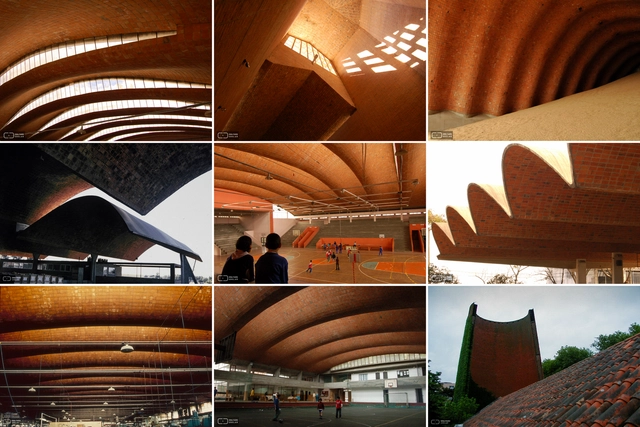
Eladio Dieste, the engineer behind "reinforced ceramic" and double-curved arches marked his spot as one of the most important figures in architecture, not only in his native Uruguay, but in Latin America and beyond. Here, we invite you to take a look at just some of the engineer's work, from his widely-recognized churches like the Church of San Pedro and the Christ the Worker Church in Atlántida- to his factories, silos, and gymnasiums, all of which form an important part of the region's architectural repertoire.
To help us in our mission to bring Dieste's work to our readers, the Audiovisual Media Service of the Faculty of Architecture, Design, and Urbanism at the University of the Republic has shared the following images as well as the Eladio Dieste page in order to provide a space to learn about his works and writings.
Today, architects and builders have a multiplicity of options when it comes to specifying their cladding materials, having to balance their design vision with the user's requirements. In addition to the aesthetics and character of the chosen product, it is always important to verify its durability, low maintenance and long-term sustainability. The brick, widely used throughout the world, is not only recyclable and highly resistant to threats such as fire, wind and moisture, but also presents great ease of use, low cost, and high versatility in terms of sizes, shapes, colors and textures.
Showcasing the flexibility of the material, Heartland Brick has selected six notable and award-winning brick projects located in Texas, Kansas, and Illinois, ranging from its most classical use in arches and columns to its most modern and minimalist application, including an impressive mural of sculpted bricks. A lasting legacy for its designers and citizens, and an ongoing inspiration for the contractors and architects of the future.
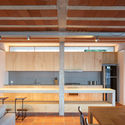
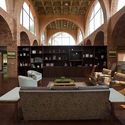
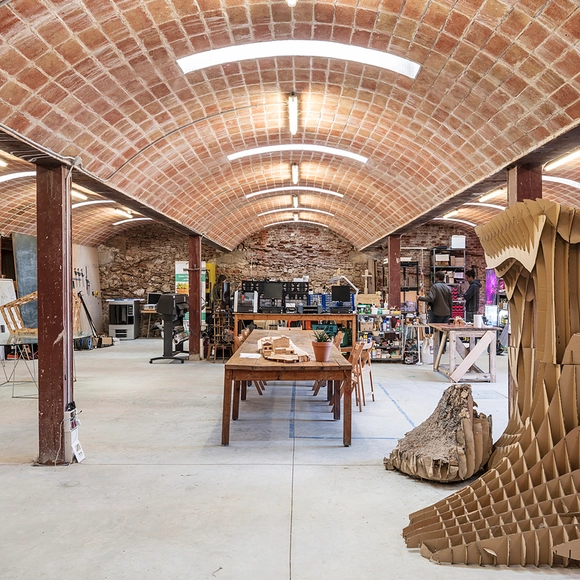
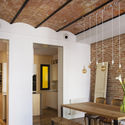
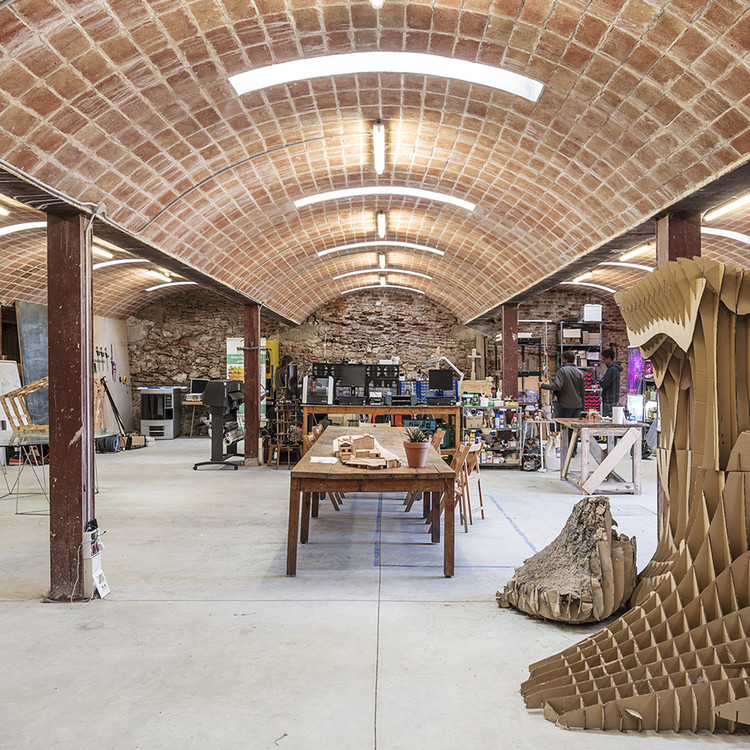
A vault is a constructive technique that is achieved by compressing the materials forming it together. While this technique has existed since the time of the ancient Romans, certain types of vaulted ceilings, such as the Catalan or Valencian timbral vault, only reached popularity in some areas of the world at the start of the 19th century thanks to their lost cost and ready availability. With the ability to span over 30 meters and add substantial height to structures, vaulted ceilings became a go-to for the construction of industrial spaces such as workshops, factories, and warehouses.
Videos
Stratum, Australia. Image Courtesy of Randers Tegl
When creating a contemporary atmosphere for living, many factors come into play. The surrounding environment, its climate, use of materials, spatial organization, and the attention to detail in both the interior and exterior design, all impact the quality of the design as a whole.
Many architects work in a variety of areas, designing everything from the layout of a city block to the most minute details of a building. A common trend among these projects is that the furnishings, the very things that make a structure usable and livable, are often afterthoughts for the project's creators and only become important when the structure is already built.
Not a month goes by without Danish architects and Danish design in the news, as design seems to be one of the primary exports from the tiny Scandinavian country. To be fair, the attention isn't a bad thing. Denmark has a rich heritage of furniture designers and architects who have transformed spatial thinking around the world. Some thoughts were so “BIG,” that they envisioned inhabiting the moon or making plans for a Masterplanet.
You probably see brick on a daily basis, whether it’s structuring a building, paving the road, or perhaps serving as a fireplace or chimney. But do all these applications use the same type of brick? How are the bricks supporting or being supported? What are these bricks actually made of? Brick’s versatility and ubiquitous nature mean there’s more than one answer to these questions. Even among brick’s most common applications as a building facade and/or structural wall material, there are a variety of types and construction methods employed.
Ranging from yellow, to gray, to traditional red and orange, bricks are ubiquitous in many of our cities and widely used in construction. Briefly, the manufacturing process of traditional bricks involves molding clay and firing it in ovens, facilitating the creation of solid blocks, perforated blocks, cobogós, tiles, and other shapes. Ceramic bricks are inexpensive; easy to find; boast strong resistance, thermal inertia, and finish; and do not require such specialized labor for construction. But if the installation is done near sources of high heat, the common brick will end up cracking and breaking, making refractory bricks more suitable. But what does that mean?
Cuisine, culture, sightseeing, and engaging with the locals are all reasons people like to travel. The common factor that draws us to explore new places, however, is simply the chance to experience cities and landscapes unlike our own familiar surroundings. For example, when Chinese tourists can again visit Copenhagen, they may admire the waterside capital’s winding bike paths, lush green parks, and the Scandinavian brick traditions on display in Nyhavn. Likewise, a Danish tourist would surely be blown away by the breathtaking scale of Beijing, with it’s 9 million+ bicycles and the display of ancient Chinese culture juxtaposed with modern society.
Videos
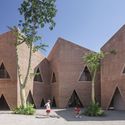
Chuon Chuon Kim 2 Kindergarten by KIENTRUC O
For almost two decades, Wienerberger AG has been hosting the international Brick Award every two years, providing a stage for excellent brick architecture and its architects. Architects from all over the world showcase their innovative concepts with ceramic materials: 644 projects from 55 countries have been submitted for this year's award. The winners of the Brick Award 20 impressed the jury with bold and creative architectural concepts for sustainable and forward-looking spaces.
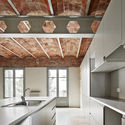
Keeping the materials in their natural and raw form in the projects seems to be more and more popular in contemporary architecture. The modern style legacy of keeping the construction elements visible not only establishes a frank relationship between the user and the built environment but also allows for a more diverse material palette and can be a very important tool when designing interiors. Brick is perhaps the most popular material in this context. Nowadays, people use the term exposed brick "finishing", which gives the concept of exposed materials a whole new meaning, namely ornamental, sometimes even replicated as wallpaper or merely decorative tiles.
In some cases, a roof can become the shining centerpiece in a work of architecture. Catalan vault, also known as Valencian timbrel vault, became a fixture in Spanish architecture in the 19th century, popularized thanks to its low cost and ease of sourcing and assembly. With the ability to span over 30m per module, this technique is currently making a comeback, establishing itself as a go-to construction method in industrial architecture and can be seen in everything including workshops, factories, and warehouses.
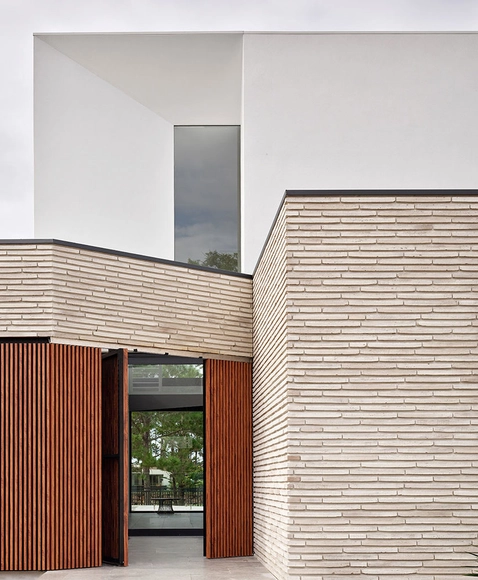
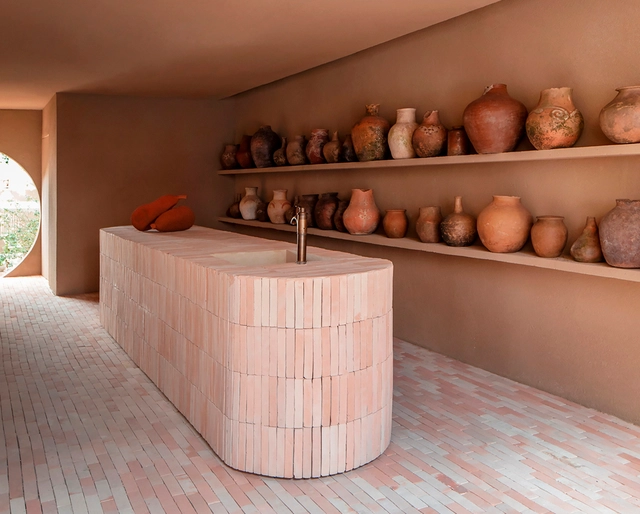
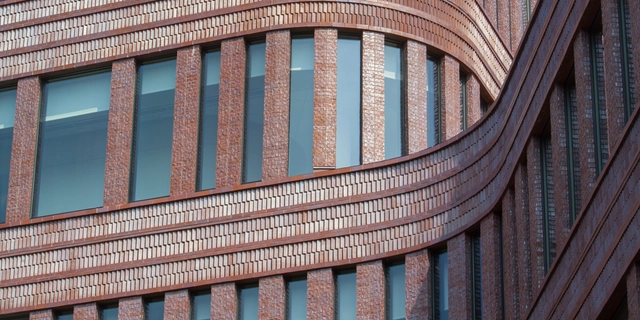
Brick is one of the most popular materials for architects designing with a vintage or rustic aesthetic: exposed brick walls are often touted as highly desirable for apartments, restaurants, and stores, and exterior brick facades can make a building or home feel warmer and more inviting. However, the color and cut of the brick can greatly influence the atmosphere it emanates, with white brick lending itself to more minimalist design and tan brick tending to feel more rustic and earthy. In this article, we will explore some of the most popular brick colors, ways to artificially color brick, and recent projects that use brick facades or interior brick elements effectively.
https://www.archdaily.com/944493/the-colors-of-brickLilly Cao
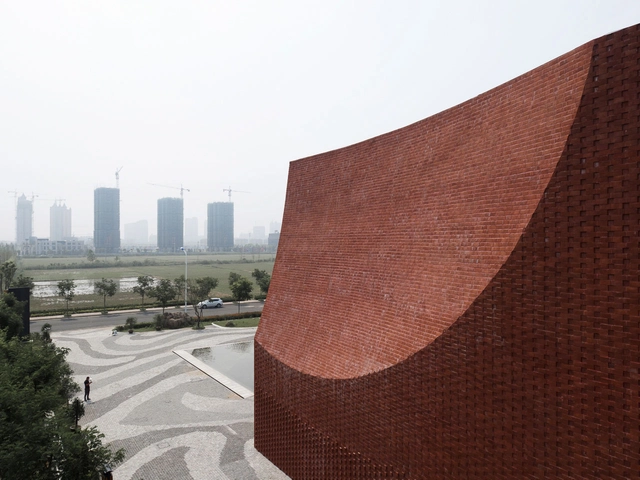
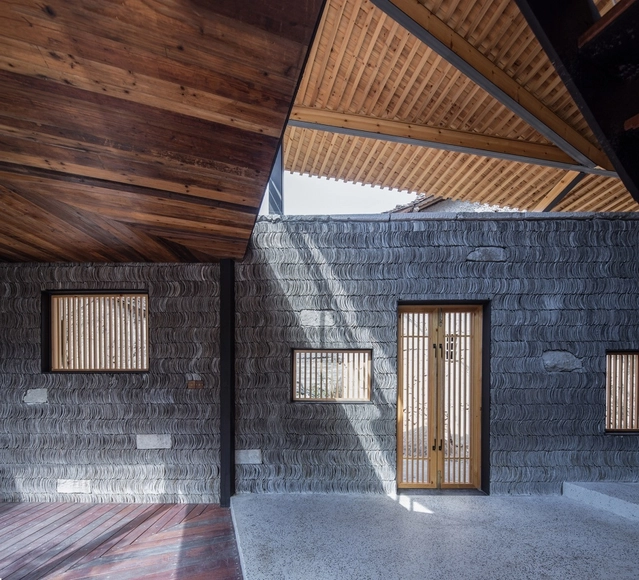
Constrained by a lack of transportation and resources, vernacular architecture has started adapting the distinct strategy of utilizing local materials. By analyzing projects which have successfully incorporated these features into their design, this article gives an overview of how traditional materials, such as tiles, metal, rocks, bamboo, wooden sticks, timber, rammed earth and bricks are being transformed through vernacular architecture in China.
The use of brick plays a very important role in the architectural history of the United Kingdom. Construction techniques that involve brick and stone have been in constant progress. In fact, brick production improved over time, making the material the most popular one in the construction industry. From the 18th century onwards, brickwork was predominantly used in domestic and industrial architecture, but later on, it was introduced to the structure of warehouses and factories, as well as other various forms of infrastructure.
While many of these buildings are still operating to this day, it comes as no surprise. Refurbishment and reuse are highly recommended techniques, and in many cases, the only methods to maintain densely populated European cities. Therefore, the challenge lays in reusing these buildings and recycling the materials available, always trying to retain as much of the original structure as possible.
Brick is one of the most widely used materials in Colombia, making the architectural designs in its capital city, Bogotá, stand out worldwide. Due to the excellent quality of the clay found in some regions of the country, brick is used in all aspects of construction, from adobe floor slabs to exterior facades.
It is a rare occasion for a historic neighborhood to have new buildings. Never the less, this is exactly what happened along the elegant and ornate structures of Frederiksberg Allé in Copenhagen. The historical avenue was inspired by Parisian architecture and features many buildings notable for their intricate architectural detail.
Marc Thorpe, New York-based architect and multidisciplinary studio, has designed the Dakar Houses for the workers of Moroso M’Afrique furniture collection. Located on the outskirts of the Senegalese capital in West Africa, the prototype houses are made from earth bricks.




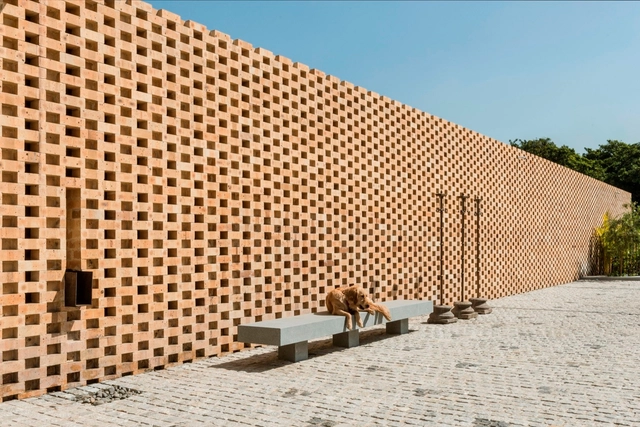
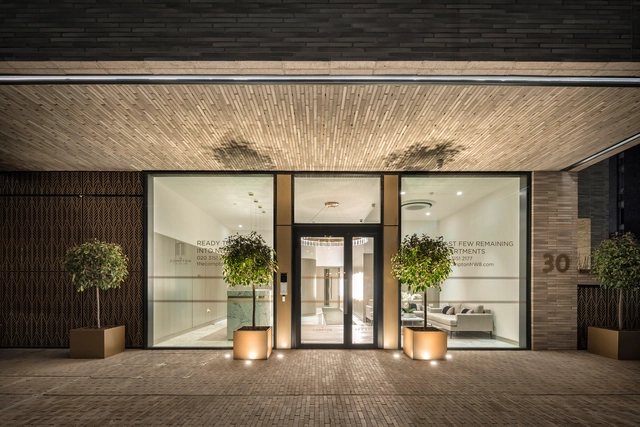
.jpg?1600813854&format=webp&width=640&height=580)
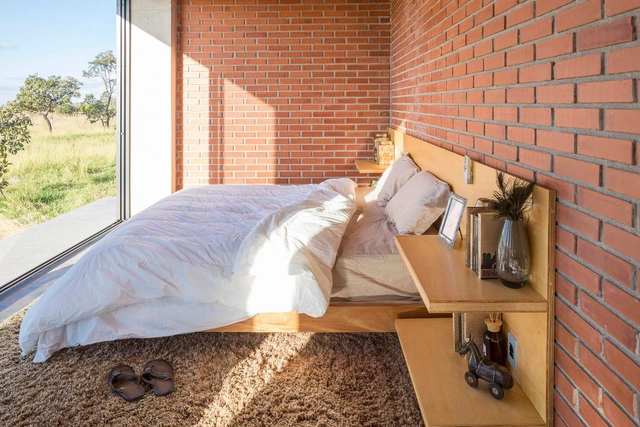




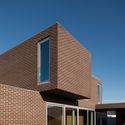


_johan_dehlin.jpg?1595351892&format=webp&width=640&height=580)
_Andrew_Meredith.jpg?1595351859 "© Andrew Meredith")
_Nigel_Rigden.jpg?1595352119 "© Nigel Rigden")
_Ben_Pipe.jpg?1595351948 "© Ben Pipe")
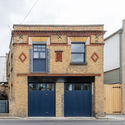
_johan_dehlin.jpg?1595351892)