Modernity certainly does not have to be characterized by ugliness, but we may well have to make some revisions in our standards of beauty. — Edward J. Logue
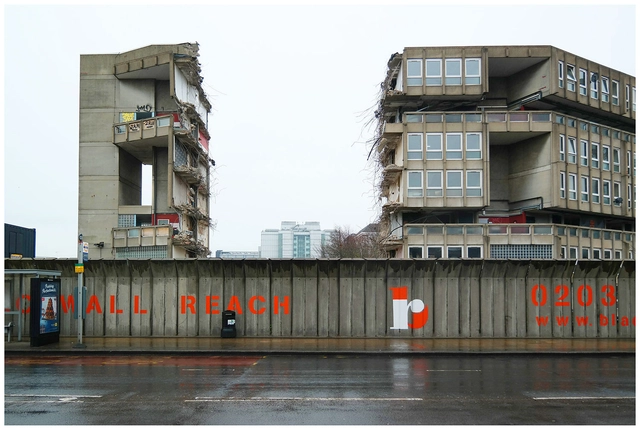
pinkcomma gallery is proud to present Brutal Destruction, photographs of concrete architecture at the moment of its demise. The exhibit is curated by Chris Grimley of the architecture office over,under. The exhibit opens 12 April, 2018 from 6–9 p.m., and the will be on display through May 03, 2018.
The Harvard Graduate School of Design has announced the appointment of Mark Lee as Chair of the university’s Department of Architecture. Having taught at Harvard GSD since 2013, Lee is also a principal and founding partner at Johnston Marklee Architects. He will succeed K. Michael Hays, who has taught at Harvard GSD since 1998.
Lee has previously held the position of Frank Gehry Chair at the Daniels Faculty of Architecture, Landscape, and Design at the University of Toronto, as well as Cullinan Guest Professor at Rice University School of Architecture. He has also been a design critic at Harvard GSD since 2013, where he himself earned a Masters in Architecture in 1995.
https://www.archdaily.com/891227/harvard-gsd-appoints-mark-lee-as-chair-of-department-of-architectureNiall Patrick Walsh
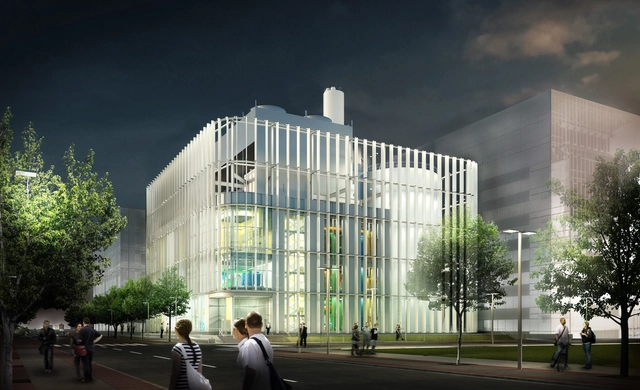
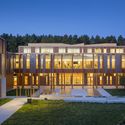
Night view. Image Courtesy of Leers Weinzapfel Associates
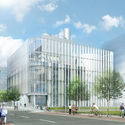
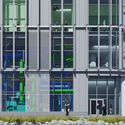
On a prominent, highly visible site within Harvard University’s Allston Campus, a celebration of the beauty of infrastructure is beginning to take shape. Designed by Boston-based Leers Weinzapfel Associates, the 58,000 square foot Allston Campus District Energy Facility (DEF) represents a new, highly efficient infrastructure typology, delivering electricity and water for the campus, whilst simultaneously showcasing the intricate complexity of engineering and design.
https://www.archdaily.com/890489/power-on-campus-harvard-energy-facility-showcases-the-beauty-of-infrastructureNiall Patrick Walsh
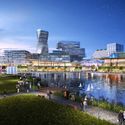
“Smart cities” are the latest urban phenomenon popping up across the globe. Among the newest being realized will be Union Point, a masterplan with a commitment to innovation located just south of Boston, USA.
What is a “smart city?” It is a city in which embeds multiple data collection technologies within the city in hopes of providing a supportive and competitive advantage to the city’s residents and business. Officials then use this data to make their cities safer, healthier, and more efficient. Cities are not geniuses quite yet, but the “smart city” is rethinking the way cities are run.
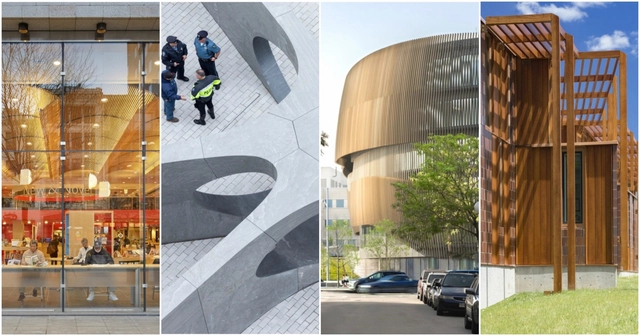
The Boston Society of Architects (BSA) has announced its finalists for the 2017 Harleston Parker Medal. Established in 1921, the medal is awarded to “the single most beautiful building or other structure” that is built in the city of Boston in the past 10 years. Established as a chapter of the AIA, the Boston Society of Architects, together with its sister organization the BSA Foundation, is committed to advocating great design and “sharing an appreciation for the built environment with the public at large.” This year’s jury led by Yugon Kim (IKD, TKSP Architects Boston) formed a panel of ten acclaimed Boston professionals representing a wide range of disciplines, from architecture to urban planning to media.
Courtesy of Chris Grimley, Michael Kubo, and Mark Pasnik
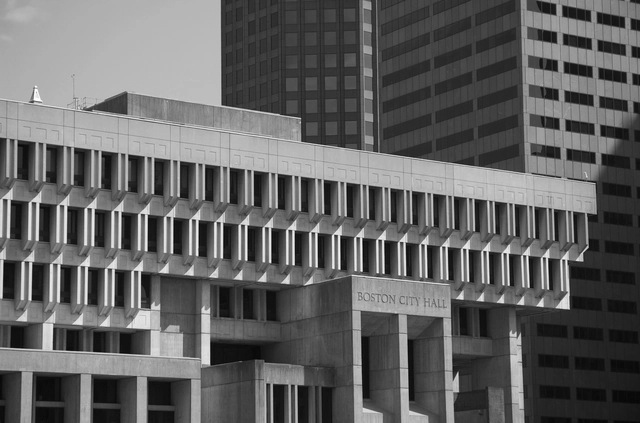
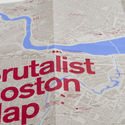
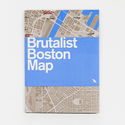
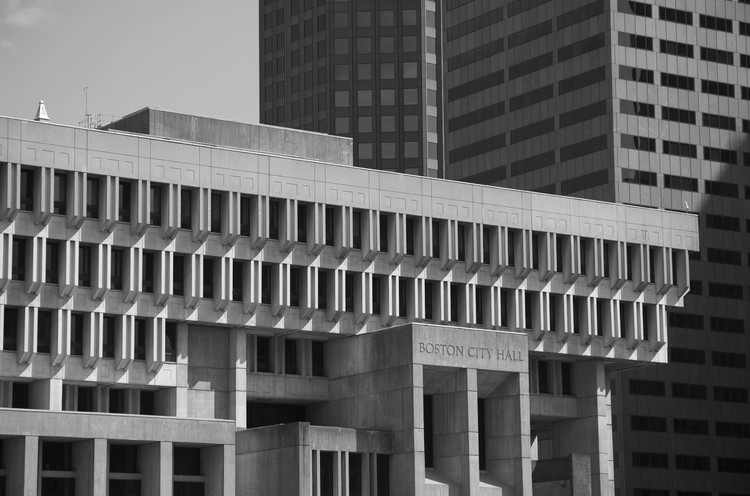
In their ninth architectural city guide, London-based publisher Blue Crow Media highlights the city of Boston’sBrutalist buildings. The map was produced in collaboration with the principles of the firm over,under Chris Grimley and Mark Pasnik along with Michael Kubo, who together authored the book “Heroic: Concrete Architecture and the New Boston.” The map highlights more than forty examples of Brutalist architecture around the greater-Boston area.
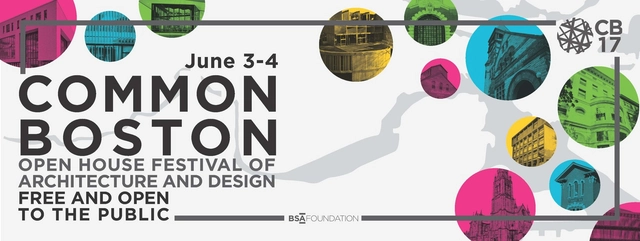
On June 3–4, the BSA Foundation presents the 2017 Common Boston Festival of architecture and design (#CB17) .This open-house architecture festival will unlock the doors to dozens of Boston’s architecturally, culturally, and historically significant sites, encouraging residents and tourists to consider why design matters, while tapping into unique stories that illuminate our vibrant communities. From historic sites to office towers to community gardens, participants will get unparalleled access to more than 50 unique sites that contribute to making greater Boston such an exceptional place to live, work, and play.
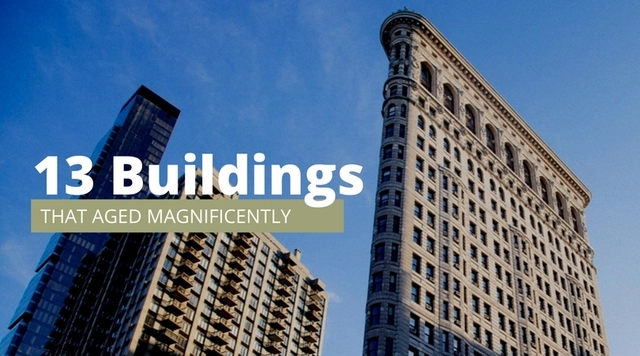
Humanity always cherishes great works of art that stand the test of time. This June, for example, marks the 50th anniversary of The Beatles’ psychedelic Sgt. Pepper's Lonely Hearts Club Band, and the 20th anniversary of Radiohead’s dystopian Ok Computer. These psychologically satisfying birthdays have generated serious appreciation and nostalgia. Similarly, we also love to praise the longevity of innovative architecture. The AIA bestows an annual “Twenty-five Year Award” to acknowledge projects that have "stood the test of time” and “exemplify design of enduring significance.” But one project a year seems stingy. Below are 15 modern classics which, though not always given the easiest start in life, we’ve come to adore:
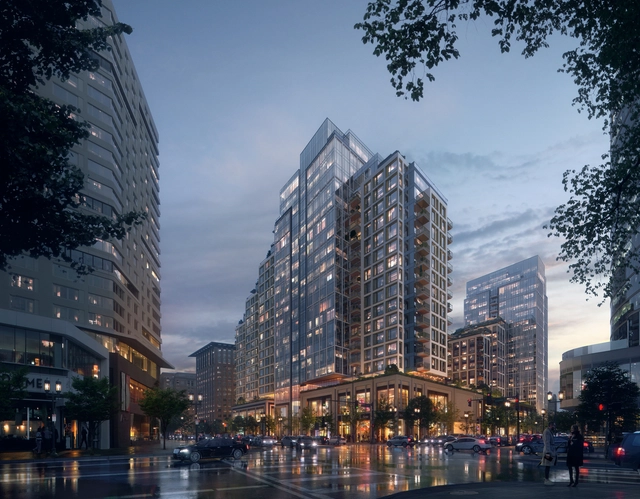
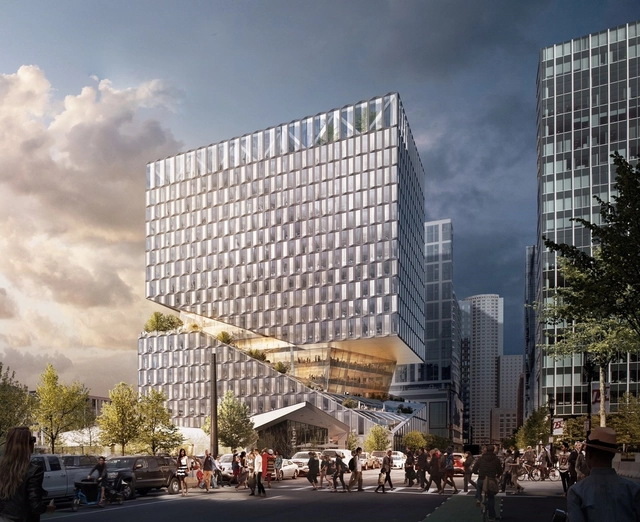
OMA New York has revealed renderings for it latest project, a 490,000-square-foot mixed-used retail and office development located at 88 Seaport Boulevard in the emerging Boston Seaport neighborhood. Being developed by Massachusetts-based property developer WS Development, the structure adds to a growing collection of quality architecture commissioned for the district, including projects by James Corner Field Operations, Sasaki, and NADAAA.
What did Pritzker Prize winner Frank Gehry get when he designed the Stata Center, an exuberantly whimsical academic complex for MIT? A very large check, plus a major lawsuit, alleging negligence and breach of contract due to rampant leaks, mold, cracks, drainage problems and sliding ice. Sometimes the most inspired designs can go awry. And when they do, some clients lawyer up. Here are 9 fascinating examples.
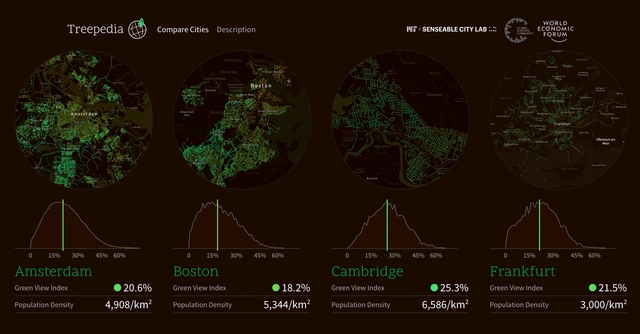
Users can compare their green canopy to cities across the world. Image Courtesy of MIT Senseable City Lab
Researchers at the MIT Senseable City Lab have launched a new platform using Google Street View data to measure and compare the green canopies of major cities across the world. Treepedia, created in collaboration with the World Economic Forum, is an interactive website which allows users to view the location and size of their city’s trees, submit information to help tag them, and advocate for more trees in their area. In the development of Treepedia, the Senseable City Lab recognizes the role of green canopies in urban life, and asks how citizens can be more integral to the process of greening their neighborhoods.
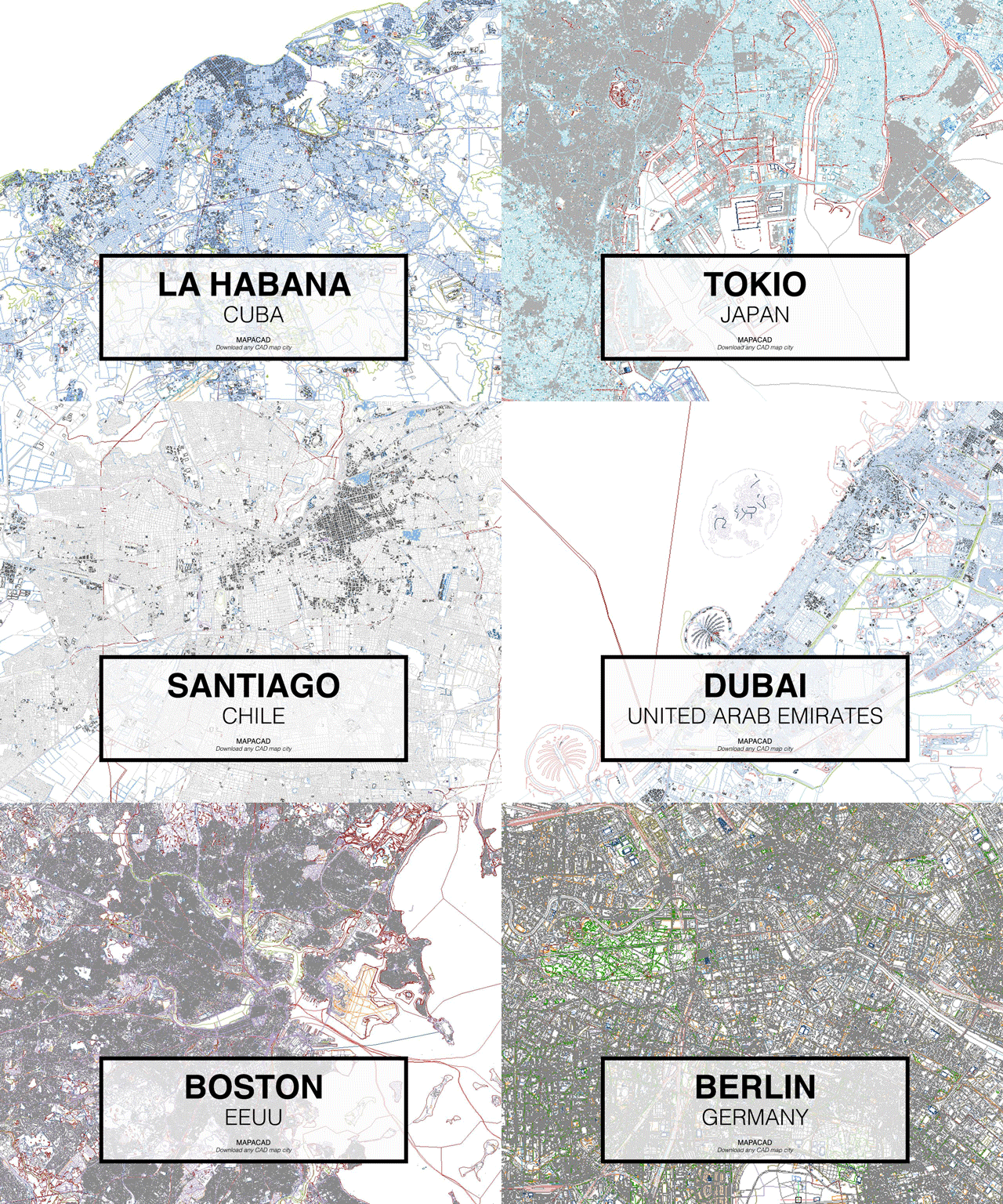
Mapacad is a website that offers downloads of .dwgs of dozens of cities. With 200 metropolises in their database, the founders have shared a set of their most-downloaded cities.
The files contain closed polyline layers for buildings, streets, highways, city limits, and geographical data--all ready for use in CAD programs like Autocad, Rhino, BricsCad and SketchUp.
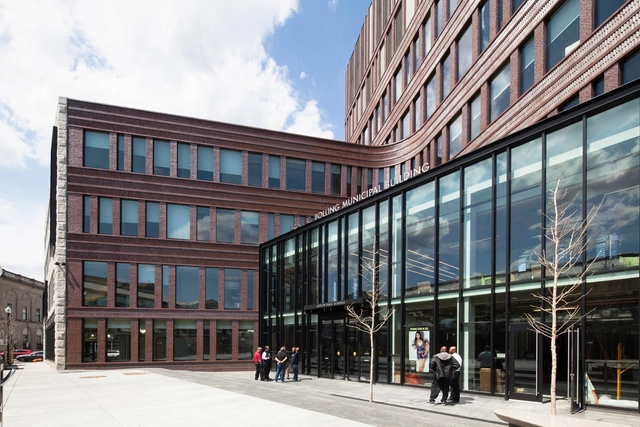
The Boston Society of Architects (BSA) has announced announced Mecanoo and Sasaki as the winners of the 2016 Harleston Parker Medal for their design of the Bruce C. Bolling Municipal Building. Awarded each year by the BSA and the City of Boston, the prestigious award honors “the single most beautiful” building or structure built in the metropolitan Boston area over the past 10 years.
As long as there have been buildings mankind has sought to construct its way to the heavens. From stone pyramids to steel skyscrapers, successive generations of designers have devised ever more innovative ways to push the vertical boundaries of architecture. Whether stone or steel, however, each attempt to reach unprecedented heights has represented a vast undertaking in terms of both materials and labor – and the more complex the project, the greater the chance for things to go awry.
Design Biennial Boston, photography from 2015 installations
The fifth Design Biennial Boston will recognize emerging architects, landscape architects, and designers who have created inspiring and innovative practices in New England. The program showcases the most significant design leaders among the region's early-career, independent professional talent through a juried exhibition, publication, and site-specific public installation on Boston’s Rose Kennedy Greenway. Up to four winners and one runner-up will be selected for 2017, based on a review of portfolios of prior work. Each winner will create an installation with a budget of up to $10,000 and gain access to the Autodesk BUILD Space in Boston’s Innovation and Design Building.
Over the last few years, the way Americans move around has changed remarkably, especially among young people. Previously the automobile was people’s preferred, if not the only, option. Now they are choosing to walk, bike, or use public transport according to recent studies.
This difference in preferred transportation methods has generated many benefits not only for residents but also for cities, in both economic and social terms.
The American Institute of Architects (AIA) has selected this year's winners for the TAP/CCA Innovation Award, which highlights new practices and technologies that advance project delivery and life-cycle management of buildings. Categories for the awards, conferred by the AIA's Technology in Architectural Practice (TAP) Knowledge Community and the Construction Contract Administration (CCA) Knowledge Community), include Stellar Design, Project Delivery & Construction Administration Excellence, Academic Program/Curriculum Development, and Exemplary Use in a Small Firm. Voting is open from now until November 18th for favorite projects among the winners.










.jpg?1494051634)