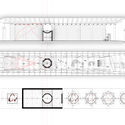
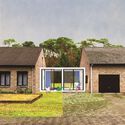
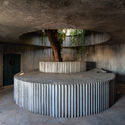
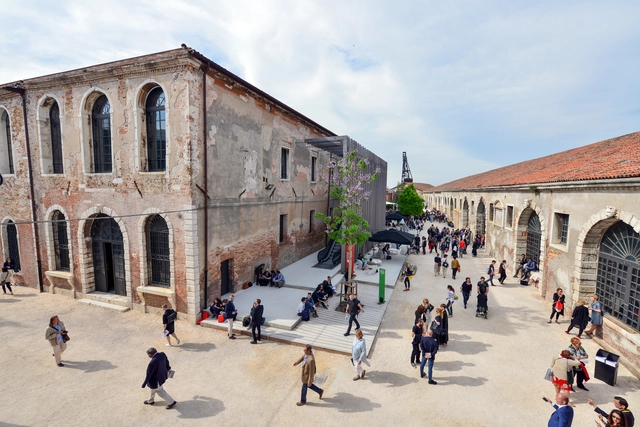
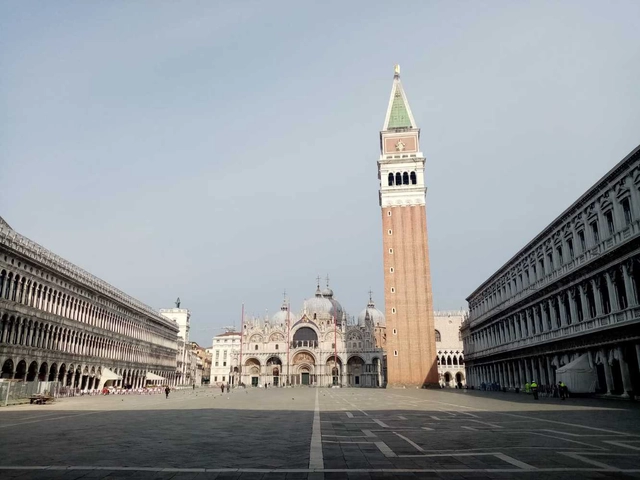
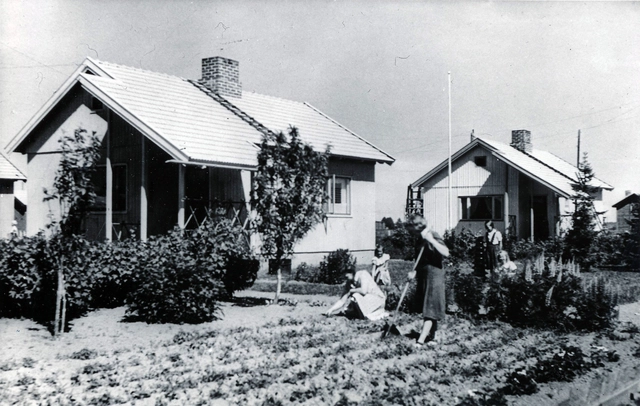
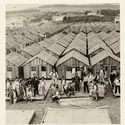
For the 17th International Architecture Exhibition of La Biennale di Venezia, Finland's Pavilion revisits a moment in local history when a refugee crisis led to new ways of building and a reconfiguration of domestic space, which ended up influencing different places around the world. Titled New Standards, the exhibition curated by Laura Berger, Philip Tidwell and Kristo Vesikansa presents the story of Puutalo Oy, an industrial enterprise specialized in prefabricated wooden buildings that set new standards for residential design in the 20th century and created Finland's most widespread architectural export.
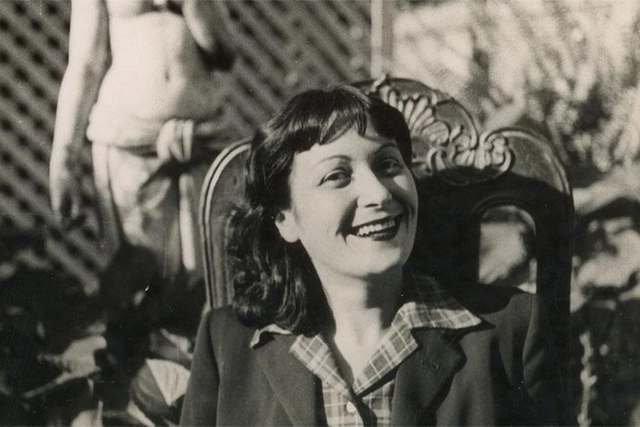
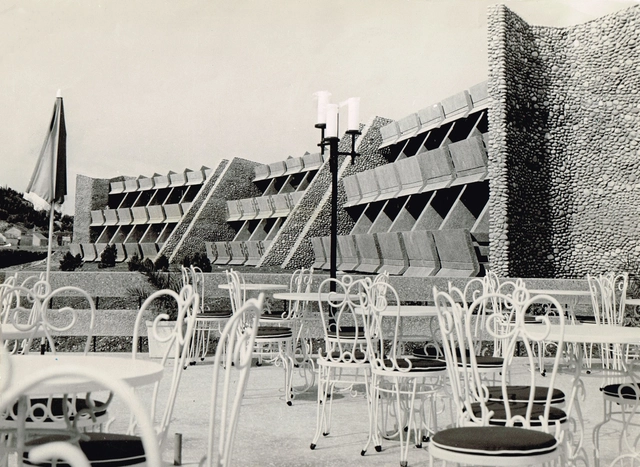
Hotel Podgorica, architect Svetlana Kana Radevic, unknown photographer, archive of Pobjeda. Image Courtesy of APSS Institute
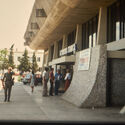
Part of the Collateral Events of the 17th International Architecture Exhibition, the extensive built work of Yugoslav architect Svetlana Kana Radević (1937-2000) is brought to light from May 22 until November 21 at the Palazzo Palumbo Fossati. Entitled “Skirting the Center: Svetlana Kana Radević on the Periphery of Postwar Architecture”, the exhibition curated by Dijana Vucinic and Anna Kats, aims to highlight the architect’s work and expand her representation.
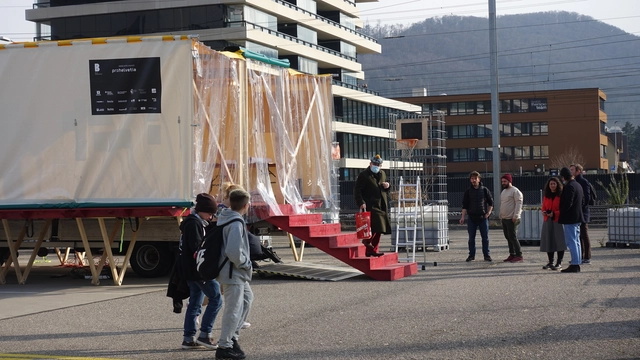
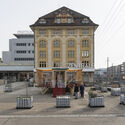
Titled Oræ -Experiences on the Border, (oræ, Latin for “borders”) the Swiss contribution to the 17th Venice Biennale explores the spatial and political dimension of the country’s border, investigating the social implications of this inhabited territory. Created by a Geneva-based team of architects and artists comprising Mounir Ayoub and Vanessa Lacaille from Laboratoire d’architecture, as well as filmmaker Fabrice Aragno and artist sculptor Pierre Szczepanski, the exhibition details a series of participative processes performed along the Swiss border that investigate the frontier and its inhabitants, revealing the poetic character of the space.
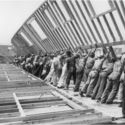
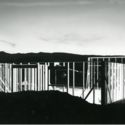
Titled "American Framing", the United States pavilion at the 17th International Architecture Exhibition – La Biennale di Venezia, will explore the omnipresence and creative power of wood-framed construction in American architecture, an overlooked structural element. Curated by Paul Andersen and Paul Preissner, the exhibition will be on display at the Giardini della Biennale from May 22 through November 21, 2021.
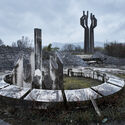
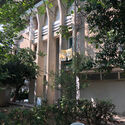
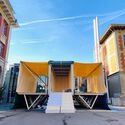
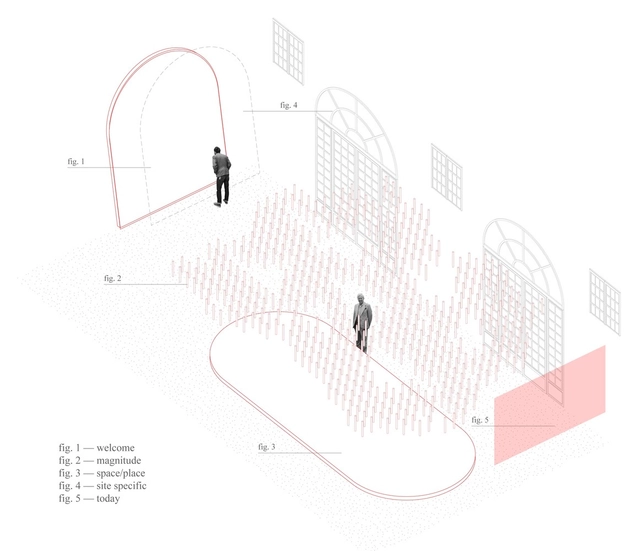
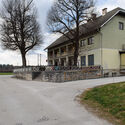
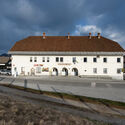
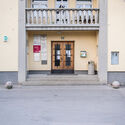
Slovenia's contribution to the 17th Venice Architecture Biennale explores interior public spaces as vital social infrastructure through the lens of the local cooperative centre typology. Titled "The Common in Community", the exhibition curated by Blaž Babnik Romaniuk, Martina Malešič, Rastko Pečar and Asta Vrečko details the architectural spaces of social interaction built after WWII in rural and suburban Slovenia, which continue to serve their purpose as local community centres to this day.
Titled "Trouble in Paradise", the Polish pavilion at the 17th International Architecture Exhibition – La Biennale di Venezia, will explore the countryside and observe how rural areas are an important element of building sustainable human environments, given the crises the world is surrounded with today. Curated by PROLOG +1 along with an international group of architects and artists, the national pavilion will be on physical display at the Giardini di Venezia, and online from May 22nd to November 21st, 2021.
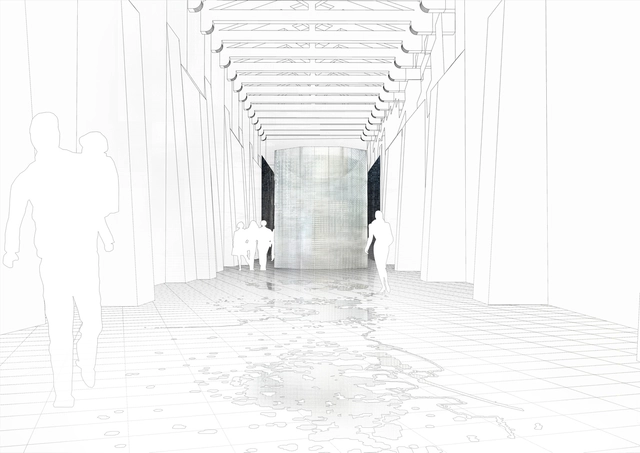
Entitled “A Roof for Silence”, the Lebanese Pavilion at the 17th International Architecture Exhibition – La Biennale di Venezia, will investigate the question of living together, tackling the issue of coexistence through a questioning of the spaces of silence, and by putting into dialogue architecture, painting, music, poetry, video and photography. Curated by Hala Wardé, founder of HW architecture, in collaboration with Etel Adnan and Fouad Elkoury, the national pavilion will be on display at the Magazzino del Sale (Zattere), from May 22nd to November 21st, 2021.
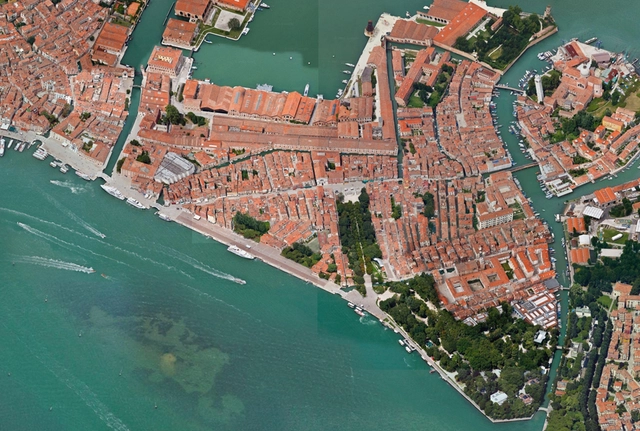
Vista aérea de Venecia. Image Cortesía de Ministerio de las Culturas, las Artes y el Patrimonio de Chile
With the submission of "Reparation: Architecture of Action and Everyday Experiences," Chilean architect Emilio Marín will curate the Chilean exhibit at this year's Biennale of Venice, as announced by a spokesperson for the Ministry of Culture, Art, and Heritage.
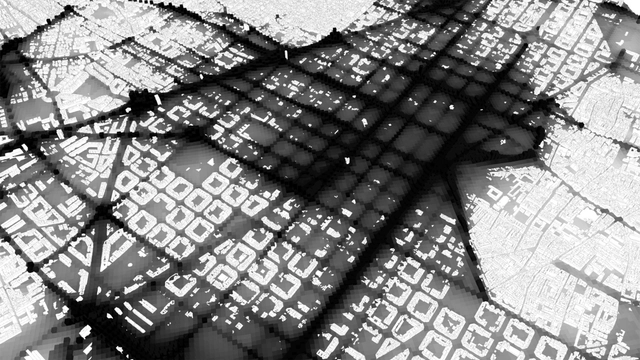
Cartography of Barcelona redrawn by air pollution. Image Courtesy of 300.000 Km/s
Catalonia in Venice - air/aria/aire, part of the Collateral Event of the Biennale Architettura 2021, is an exhibition curated by architect Olga Subirós, commissioned by the Institut Ramon Llull, with the participation of 300.000 Km/s, an urbanism studio in macro data-based strategic planning. Reflecting on the central theme of the Biennale “How will we live together?” the project investigates the role of architecture and urbanism within the context of the climate emergency and the public health crisis.
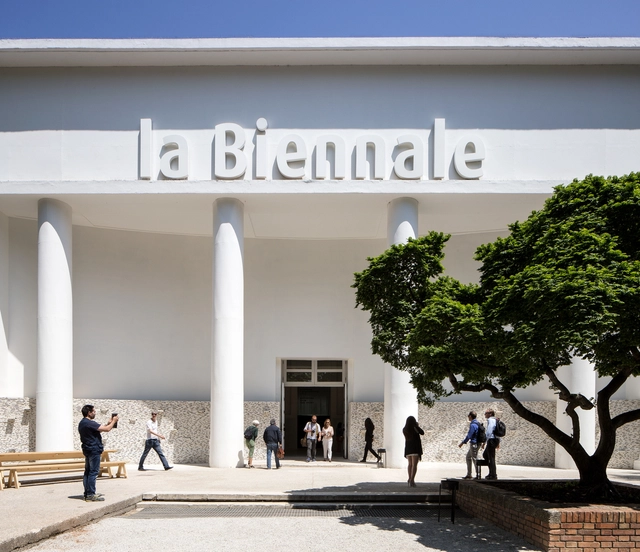
Padiglione Centrale Giardini_Photo by Francesco Galli. Image Courtesy of La Biennale di Venezia
La Biennale di Venezia is presenting for the first time an exhibition curated by all the Directors of the six Artistic Sectors from Art, Architecture, Cinema, Dance, Music, Theater. It will also be live-streamed on July 15th, 2020, at 2:30 pm (Italian time).
The Russian Federation Pavilion announced that its exhibition Open! will "move to an entirely online presence". Coping with the recent outbreak of COVID-19 that led to the postponement of the Venice Biennale 2020, the pavilion will transform into a digital platform, to ensure the continuation of the projects.
La Biennale di Venezia has just announced that the International Architecture Exhibition – How will we live together? — curated by Hashim Sarkis, will be postponed once more, and will be held from May 22 to November 21, 2021.
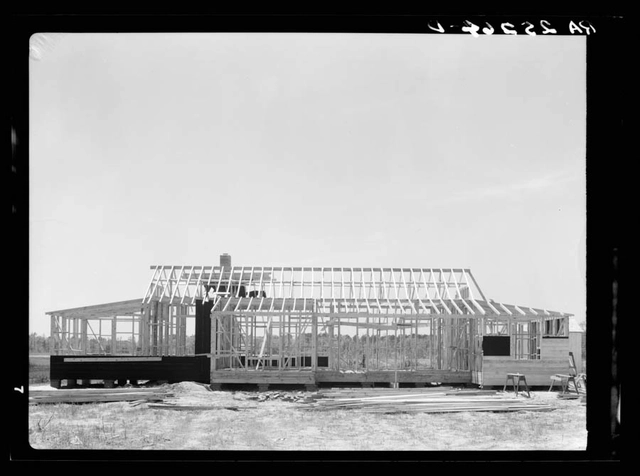
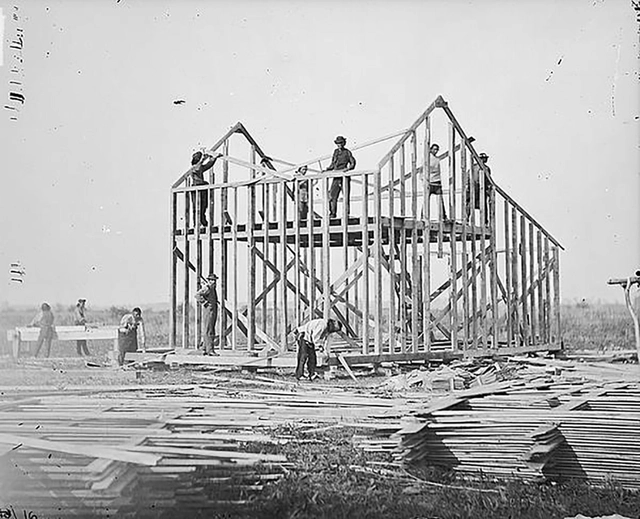
The balloon-frame construction system was developed in the United States in the 1830s. Widely used in residential and other small-scale construction for a century, it was replaced by platform framing, which allowed for the use of smaller wood studs. Both systems rely on readily available timber elements.Courtesy Library of Congress, prints and photographs division. Farm security administration/office of war information black and white negatives
Kate Wagner spoke with the curators of the U.S. Pavilion at this year's Venice Architecture Biennale about broader issues of labor, democracy, and suburbia.
Editor’s note: As of early March, The 17th International Architecture Exhibition has been postponed and rescheduled to run from August 29 to November 2020.
On the face of it, the theme of the U.S. Pavilion at this year’s Venice Architecture Biennale seems like a safe choice. It’s true that “American Framing” foregrounds the wood-framing construction system that has held sway in this country for nearly two centuries. But the exhibition’s curators, Paul Andersen and Paul Preissner, also promise to explore aspects of the system other than its material attributes. Kate Wagner, the founder of the project McMansion Hell, spoke with the pair about broader issues of labor, democracy, and suburbia.
The Australian Institute of Architects has announced it will no longer participate in the 2020 Venice Biennale. Last month, organizers postponed the event's opening until August in light of the recent COVID-19 pandemic. Australia’s exhibition, titled In Between, was to be curated by creative directors Tristan Wong and Jefa Greenaway, and it aimed to explore connections between indigenous cultures across Australia and the South Pacific.
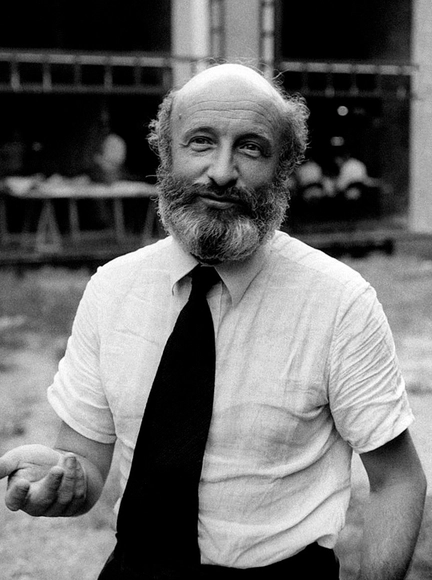
Italian architect Vittorio Gregotti in 1975. Image via Wikipedia Commons
No one ever dies too late, but Vittorio Gregotti died too soon for some of his radical ideas to be fleshed out in form, and too soon for the 17th Venice Architecture Biennale of 2020, which has been postponed by the same pandemic that took him away last week, to say thank you.
Last week the Venice Architecture Biennale announced it would postpone its opening to August 29 of this year, while maintaining the original closure date of November 29. The duration of the Biennale will thus be reduced to three months. The reason for this intervention is clear to everyone: the Covid-19 epidemic, which has threatened the usual intense preparations for the Biennale, and which, since the decision was announced, has exacerbated to a national state of emergency. The announcement of the decision reads as a lesson in common sense.







.jpg?1618821691&format=webp&width=640&height=580)
.jpg?1618821707 "© Wiktoria Wojciechowska")
.jpg?1618821715 "© Patrycja Wojtas")
.jpg?1618821737 "© Patrycja Wojtas")
.jpg?1618821691 "© Michał Sierakowski")
.jpg?1618821691)