The 17th Venice Architecture Biennale is currently unfolding, revealing a wide range of answers to the question "How will we live together". With 60 national pavilions, numerous contributions of invited architects from all around the world and several collateral events, this year's edition restates the Biennale's role as a platform for inquiry, exploration, and disruptive thinking in architecture. Curator Hashim Sarkis' original statement called upon architects "to imagine spaces in which we can generously live together." Recent circumstances have made the question even more relevant, prompting a holistic re-evaluation of how the world as a collective can face changes and challenges of an unprecedented scale from the disrupting role of technology, to inequality, mass migration and climate change. The following national contributions reflect on "how will we live together" amidst climate change, exploring ideas for a more sustainable future.
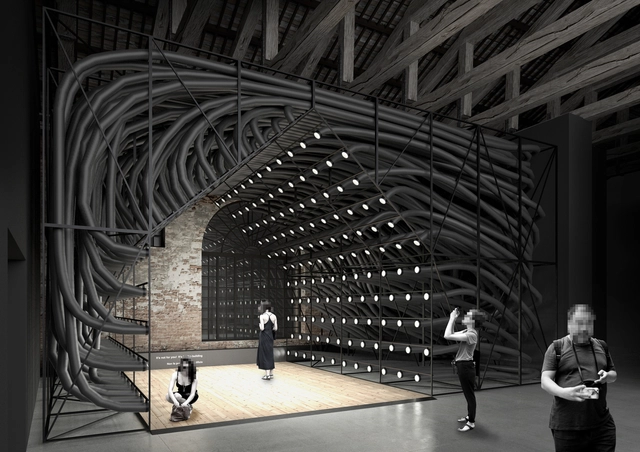
"When we enter the restroom, we are never alone. Instead, we are entangled in a network of bodies, infrastructures, ecosystems, cultural norms, and regulations". Although restrooms are often overlooked facilities that cater to the needs of individuals, they are, however, spaces where gender, religion, race, hygiene, health, and the economy are defined and expressed. For the 17th International Architecture Exhibition at La Biennale di Venezia, Matilde Cassani, Ignacio G. Galán, Iván L. Munuera, and Joel Sanders designed two pavilions that exhibit how restrooms are political architectures, serving as battlegrounds for the world's disputes.
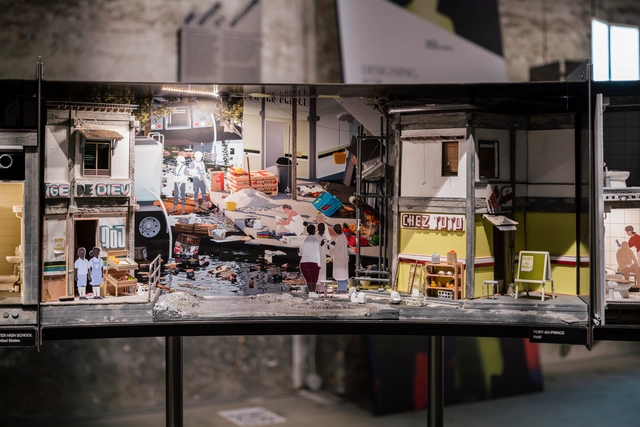
After several postponements and numerous challenges, the 17th Venice Architecture Biennale is finally taking place, bringing into focus a diverse array of answers to the question “How will we live together”. The theme gained even more relevance in the context of the pandemic and this year’s edition restates the importance of the Biennale as a platform for inquiry and collective exploration. Archdaily had the opportunity to meet in Venice with the curator of the French Pavilion, architect Christophe Hutin to discuss the thinking behind “Communities at Work” and the immersive experience of the exhibition.
With the inauguration of the 17th Venice Architecture Biennale, 60 nations from across the world showcased unique solutions to the question of “How will we live together”. Neither the pandemic nor its repercussions got in the way of the curators' creative process. Instead, they took it as a factor to explore how the notion of 'living together' has changed over the past year, and how they can reimagine better built environments. ArchDaily had the opportunity to meet with architect Wael Al Awar, one of the co-curators of the UAE Pavilion, to discuss how the pavilion's innovative material came to be and what it means for the future of architecture.
The 17th Venice Architecture Biennale debuted last week, showcasing a diverse and inspiring array of possible answers to the question “How will we live together”. Despite the many hurdles inflicted by the pandemic, this year’s edition of the event broadens the scope and reach of the Biennale, restating its role as a platform for inquiry, exploration, and disruptive thinking in architecture. Archdaily had the opportunity to meet in Venice with one of the co-curators of the US Pavilion, architect, author, and University of Illinois professor Paul Andersen, to discuss the idea behind the Pavilion and how it reflects the overarching theme of the Biennale.
The 2021 Venice Architecture Biennale finally opened its doors to the public, on May 22nd, despite all odds and after two postponements. Presenting 115 different responses to “How will we live together”, the architectural exhibition gathered innovative answers from across the globe, all arising from a common determination to change the status quo. Bringing people who face the same issues together to partake in a vital exchange of ideas, the 17th edition has amplified the role and status of the Biennale as the biggest platform for architecture.
Onsite, in Venice, ArchDaily had the chance to meet with curator Hashim Sarkis, to discuss once more the ever-growing relevance of the biennale, different overlapping scales and fields, recurring qualities, and the international language of architecture. Hoping that “people will walk out of the biennale with a stronger belief in architecture as being a medium that can make a difference”, Sarkis in his third interview talks of a collective imaginary that can inspire new spatial contracts.
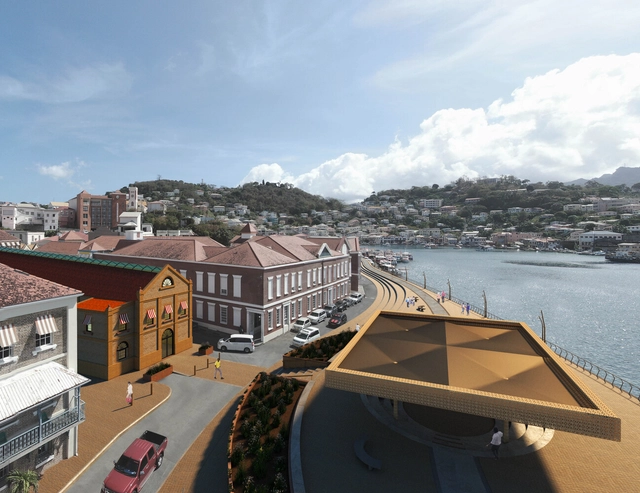
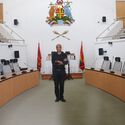
For the first time in the Venice Architecture Biennale, the island nation of Grenada presents the exhibition COethos, featuring its newest architectural landmark, Grenada's House of Parliament, together with a number of ideas for regenerating the city of St. George's. Curated by the Babau Bureau collective, the pavilion showcases the design and building process of the Parliament building, as well as explorations of the various possibilities of re-activating public spaces along the town's harbour.
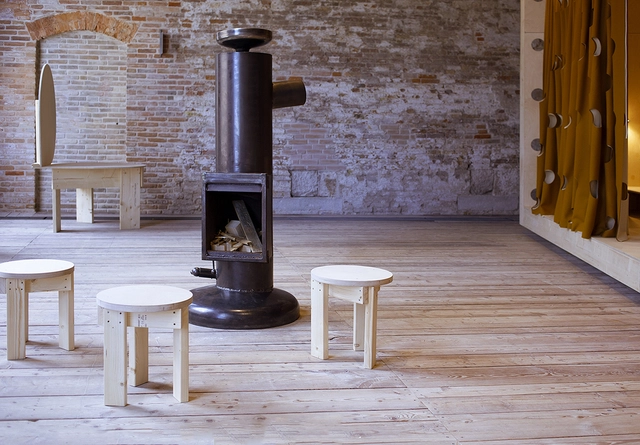
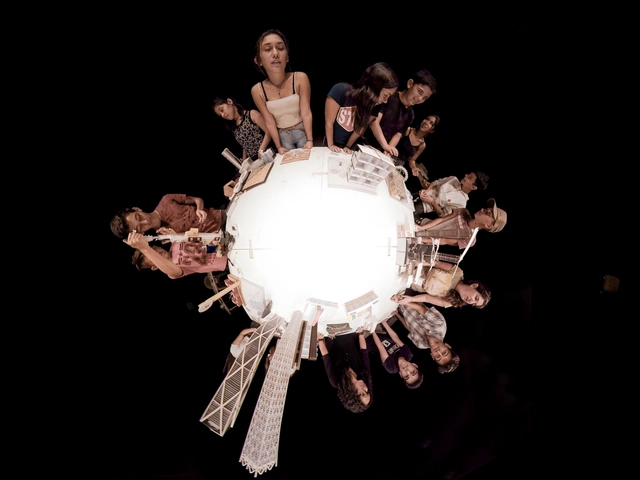
Titled "Future School", the Korean Pavilion at the 17th International Architecture Exhibition - La Biennale Di Venezia, transforms the structure into an explorative academic facility. Curated by Hae-Won Shin, the pavilion will be on display at the Giardini from May 22nd until November 21st, 2021.
The Luxembourg Pavilion at the 17th Architecture Biennale reflects on how the pandemic has brought a series of dualities to the spotlight, challenging the understanding of the relationships established between architecture and land, interior and exterior, home and work or the built environment and nature. In light of these issues, the exhibition titled Homes for Luxembourg, designed by Sara Noel Costa de Araujo (Studio SNCDA) and featuring contributions to the architecture publication Accattone explores ideas of modular, reversible living while also illustrating a model of repurposing land to build new forms of togetherness.
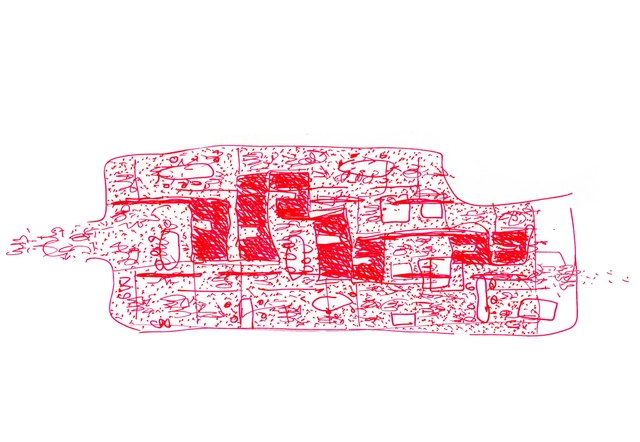
Developed by architect Gerardo Caballero, in collaboration with Paola Gallino, Sebastian Flosi, Franco Brachetta, Ana Babaya, Leonardo Rota, Emmanuel Leggeri, Sofia Rothman, Gerardo Bordi, Edgardo Torres, and Alessandro De Paoli, "The Infinite House", a project inspired by traditional Argentine houses, will represent Argentina in the upcoming 2021 VeniceArchitecture Biennale. The project reflects on the identity of Argentine public housing and the role collective housing, both public and private, has played in the country's history and society. The Infinite House aims to push the limits of the domestic and to highlight the importance of the collective rather than the individual by illustrating that a home extends beyond one's own living space: "it is the city, the country, and even the world."
Coming soon. Visions from the minimum territory ("Próximamente") is the title of the Uruguay Pavilion at the Venice Biennale 2021, which will take place between May 22 and November 21, 2021.
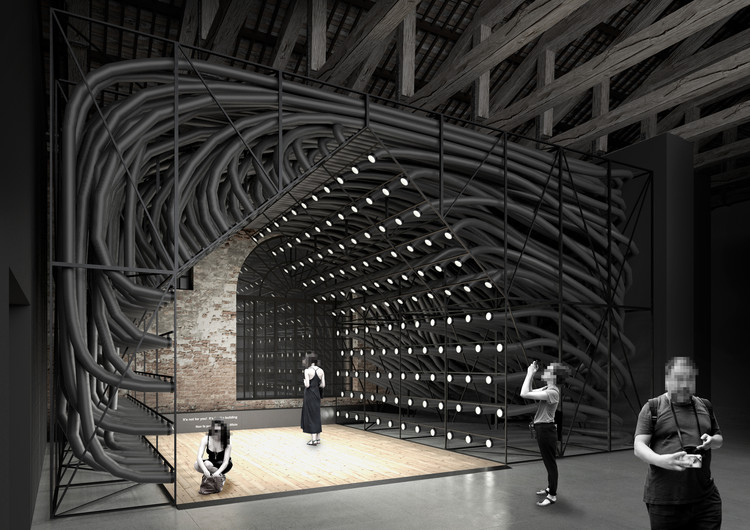
Titled "It's Not For You! It's For the Building", the Latvian Pavilion at the 17th International Architecture Exhibition – La Biennale di Venezia showcases how technology risks creating new problems while providing solutions to urgent global crises. Curated by architecture office NRJA, the pavilion will be on display at the Arsenale from May 21st until November 22nd, 2021.
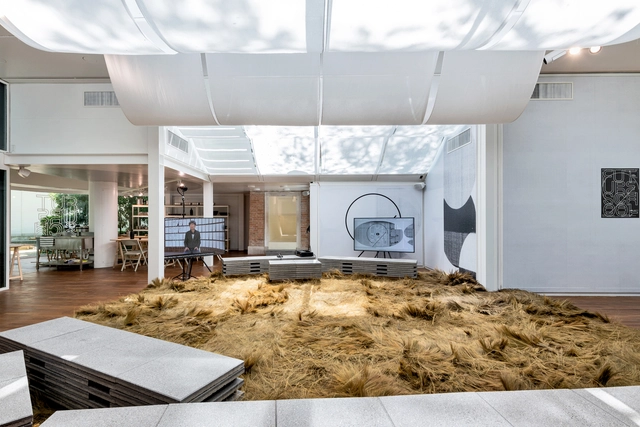
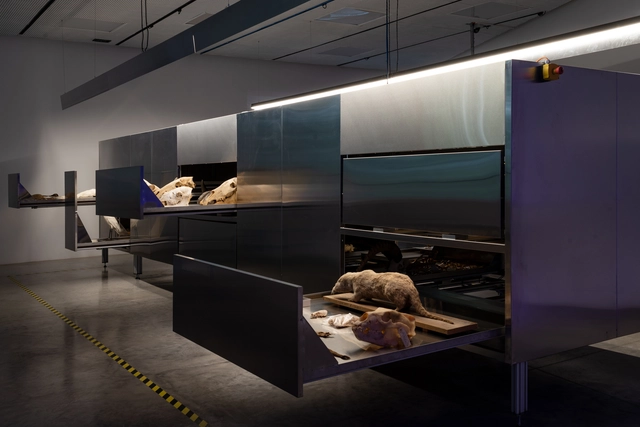
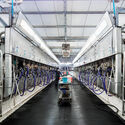
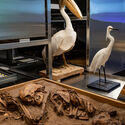
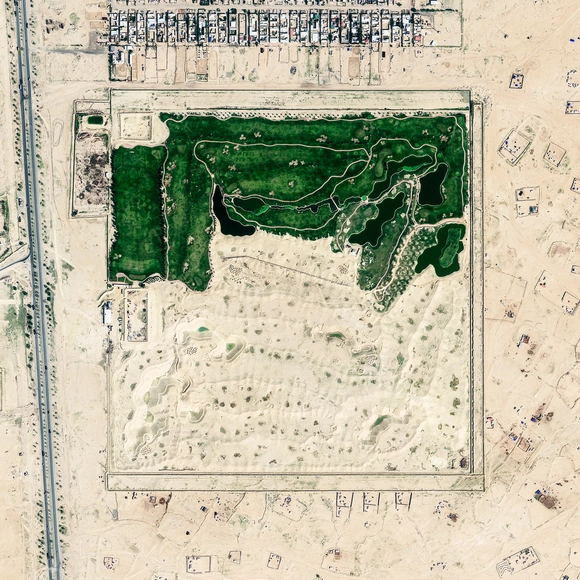
Israel’s Pavilion for the 17th Venice Architecture Biennale highlights the impact of intensive mechanized agriculture on landscapes and ecosystems, as well as the disruption caused to local communities. Titled Land. Milk. Honey and curated by an interdisciplinary team comprising Dan Hasson, Iddo Ginat, Rachel Gottesman, Yonatan Cohen and Tamar Novick, the exhibition portrays the fundamental changes experienced by the region through the stories of local animals, constructing a history of the 20th-century development.

















.jpg?1621852703&format=webp&width=640&height=580)
.jpg?1621852449 "© Frederico Vespignani")
.jpg?1621852443 "© Andrea D_Altoe")
.jpg?1621852519 "© Frederico Vespignani")
.jpg?1621852318 "© Frederico Vespignani")
.jpg?1621852703)