

Berlin: The Latest Architecture and News
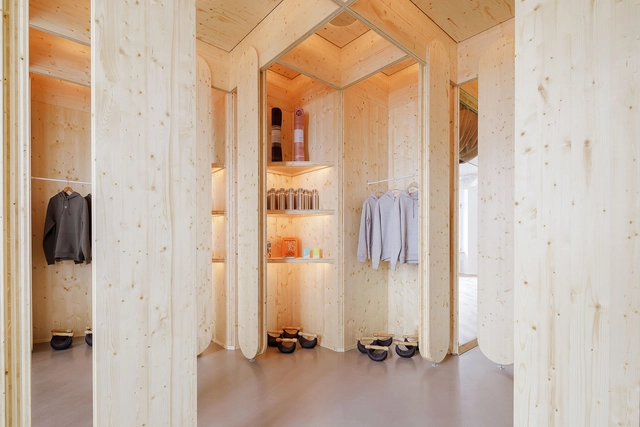
Beyond Fitness Studio / MAG.DESIGN + DRAA


https://www.archdaily.com/1001267/beyond-fitness-studio-maesign-plus-draaBenjamin Zapico
Kornversuchsspeicher Extension / AFF architekten




-
Architects: AFF architekten
- Area: 3588 m²
- Year: 2023
https://www.archdaily.com/1001194/kornversuchsspeicher-extension-aff-architektenPilar Caballero
ArchiVision: Celebrating the 10th Anniversary of the Museum for Architectural Drawing
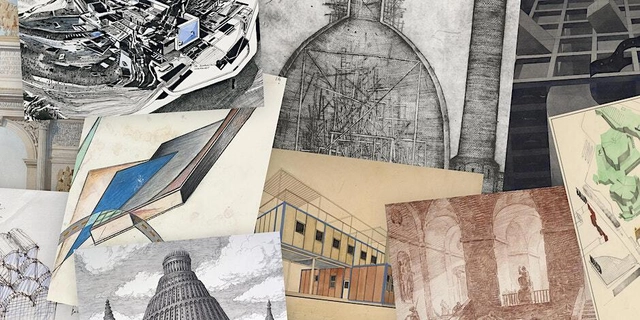
On the occasion of the anniversary exhibition of the Tchoban Foundation Museum for Architectural Drawing in Berlin, Sir Peter Cook, Mikkel Frost, Jean-Louis Cohen, Sergei Tchoban and the show’s curator Eva-Maria Barkhofen will discuss architectural drawing through the ages and its artistic role in the design process with moderator Natascha Meuser.
https://www.archdaily.com/1000919/archivision-celebrating-the-10th-anniversary-of-the-museum-for-architectural-drawingRene Submissions
TOURIST x FUTURO: Immersive Experience at Futuro 13 in Berlin
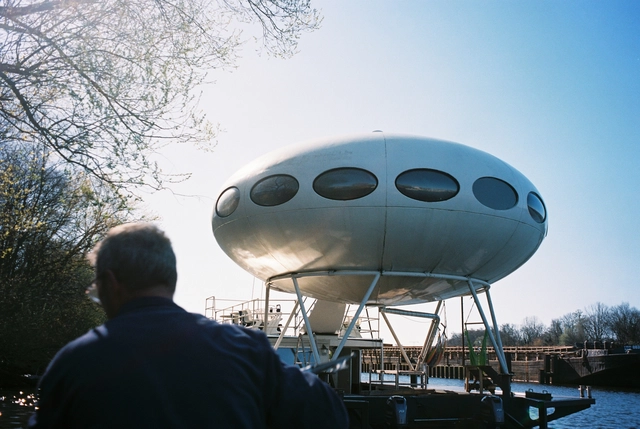
The Futuro House is a unique, futurist-style dwelling designed by Finnish architect Matti Suuronen in the late 1960s. The house was envisioned as a portable, prefabricated structure that could be easily transported to remote or difficult-to-reach locations.The house has a distinctive flying saucer shape, with a circular floor plan and a domed roof. The outer shell of the house is made of reinforced fiberglass, with a high-gloss finish that gives it a futuristic look. It sits on four legs, which elevate it slightly off the ground and provide stability on uneven terrain.


https://www.archdaily.com/1000656/tourist-x-futuro-immersive-experience-at-futuro-13-in-berlinRene Submissions
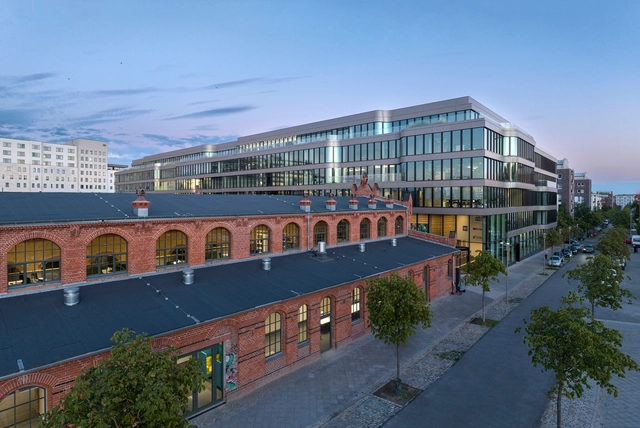
DSTRCT.Berlin “Old Slaughterhouses” / Gewers Pudewill




-
Architects: Gewers Pudewill
- Area: 60000 m²
- Year: 2022
-
Manufacturers: PFLEIDERER, FSB Franz Schneider Brakel, Schüco, Strähle Raum-Systeme
-
Professionals: Simons & Hinze Landschaftsarchitekten GmbH
https://www.archdaily.com/1000335/dstrcerlin-old-slaughterhouses-gewers-pudewillAndreas Luco
Twins for Modern Job Nomads / Sehw Architektur


-
Architects: Sehw Architektur
- Area: 2300 m²
- Year: 2022
-
Professionals: Henningsen Landschaftsarchitekten, ABIT Ingenieure
https://www.archdaily.com/999980/twins-for-modern-job-nomads-sehw-architekturValeria Silva
Berlin Architecture City Guide: 25 Modern and Contemporary Projects to Discover in the German Capital
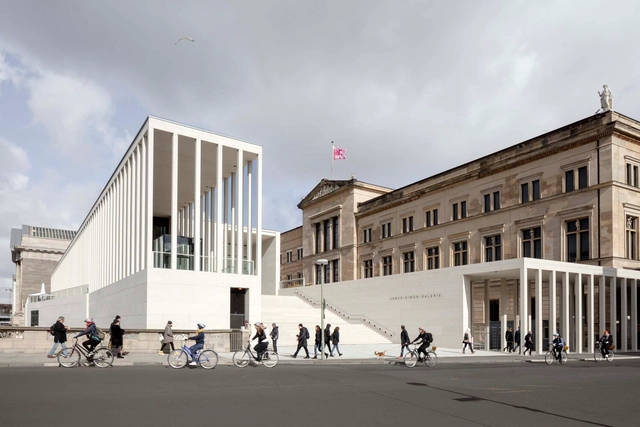
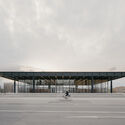
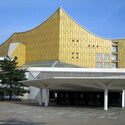
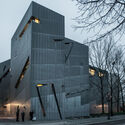
While the city of Berlin has a long history, dating back to the 13th century, its architecture and urban fabric has undergone the most significant changes during the last century, reflecting the impact of major historical events that took place in the German capital. During the early 20th century, Berlin transformed into a modern metropolis, marked through the construction of grand buildings and imposing structures to demonstrate the city’s growing economic and political power. The 1920s and 1930s saw the emergence of the Modernist movement, which, together with the Bauhaus school of architecture founded in 1919, influenced the image and urban fabric of Berlin.
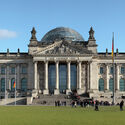
During the Second World War the city was heavily bombed, resulting in the destruction of many historical buildings. During the post-war period, reconstruction efforts focused on rebuilding infrastructure and housing, while the city remained divided until 1989, with the fall of the Berlin wall. After this period, Berlin witnessed a renewed interest in architecture and urban design. Interventions such as David Chipperfield’s Neues Museum aimed to rebuild historical monuments without erasing the markings of their difficult past. Other projects such as the renovation of the Reichstag had a different purpose. Norman Foster’s intervention intended to keep the image of this building but change its symbolism from a structure representative for the Nazi regime to one embracing the ideals of democracy and equality.

https://www.archdaily.com/153731/architecture-city-guide-berlinMaria-Cristina Florian
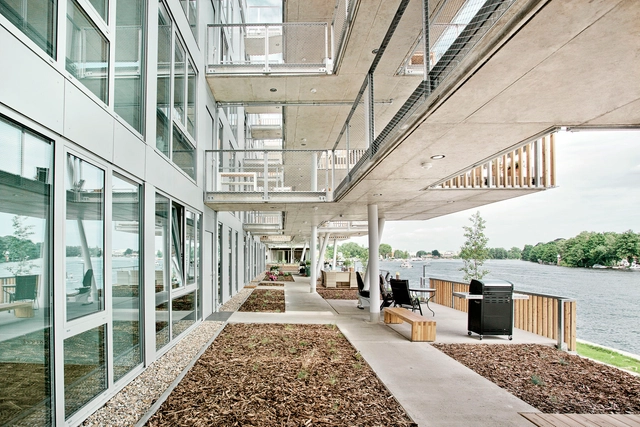
Footbridge on the water Residential Building / LOVE architecture and urbanism


-
Architects: LOVE architecture and urbanism
- Area: 4864 m²
- Year: 2021
-
Manufacturers: Solarlux, DAFA Bau GmbH, Kone GmbH, Metallbau Möller GmbH & Co.KG
-
Professionals: Lorenz Consult ZT GmbH, ManMadeLand
https://www.archdaily.com/975623/footbridge-on-the-water-residential-building-love-architecture-and-urbanismValeria Silva
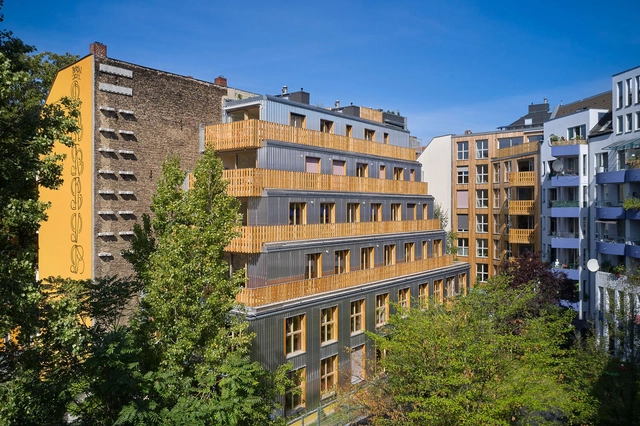



The Architecture of Countercultures: Utopian Movements in the United States and Berlin, Germany
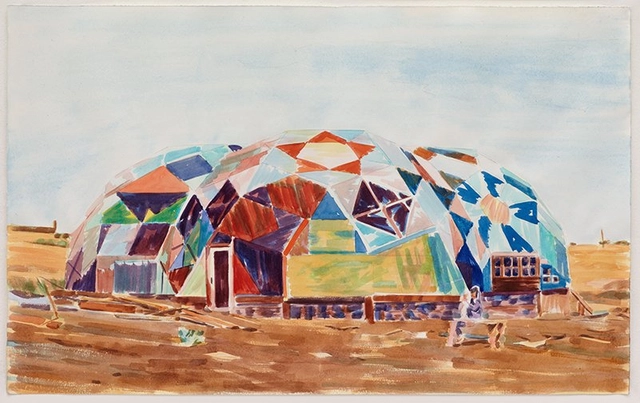
The Law of Polarity holds good in relation to human society and cultures as well - everything has an opposite. Countercultures have erupted as condemnations of “the ways of the world”. A countercultural movement expresses the ethos and aspirations of a population during a specific time. As new lifestyles are explored, supporting architecture evolves to satiate the utopian ideals of new societies. Architecture is a product of the culture it is designed for.


https://www.archdaily.com/998204/the-architecture-of-countercultures-utopian-movements-in-the-united-states-and-berlin-germanyAnkitha Gattupalli
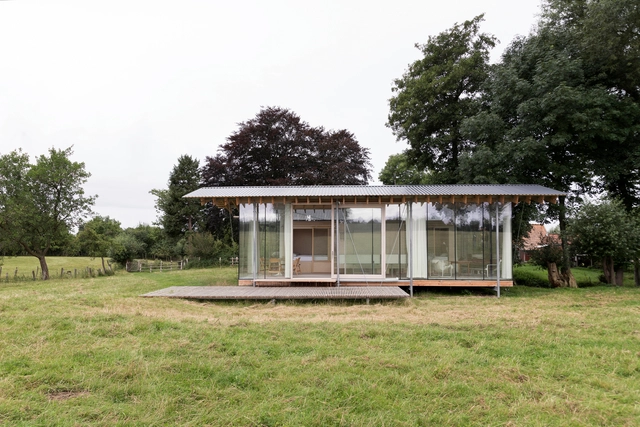
Holiday House Hof Ahmen / Atelier Sunder-Plassmann


-
Architects: Atelier Sunder-Plassmann
- Year: 2021
-
Manufacturers: Eiermann, Knoll International
https://www.archdaily.com/977401/holiday-house-hof-ahmen-atelier-sunder-plassmannPaula Pintos
The Diversity in Architecture-DIVIA Award, Dedicated to Women Architects, Selects Five Finalists
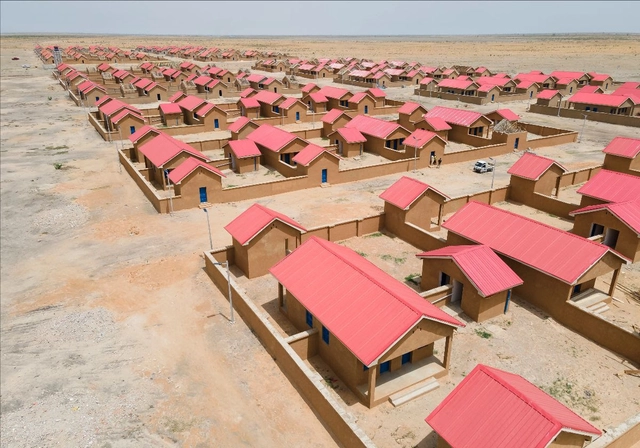
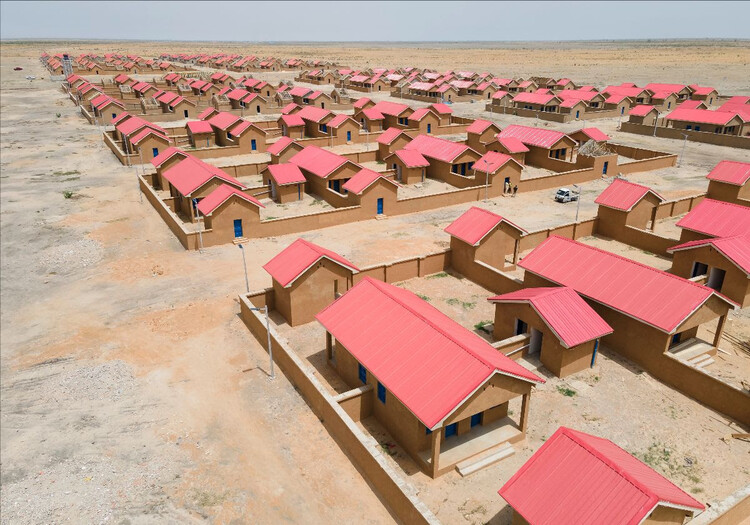
The Diversity in Architecture Award (DIVIA) has selected its 5 finalists, from a list of 29 nominees: Tosin Oshinowo (Nigeria), May al-Ibrashy (Egypt), Marta Maccaglia (Peru), Noella Nibakuze (Rwanda), and Katherine Clarke and Liza Fior (UK). The prize, dedicated to women architects, celebrates female figures by awarding and validating their work. Based in Berlin, the award platform promotes equality between men and women, making the discipline observable to all, and setting an example for the next generation of younger women architects.


https://www.archdaily.com/997625/the-diversity-in-architecture-divia-award-dedicated-to-women-architects-selects-five-finalistsNour Fakharany
Oasis Residential Tower / Tchoban Voss Architekten
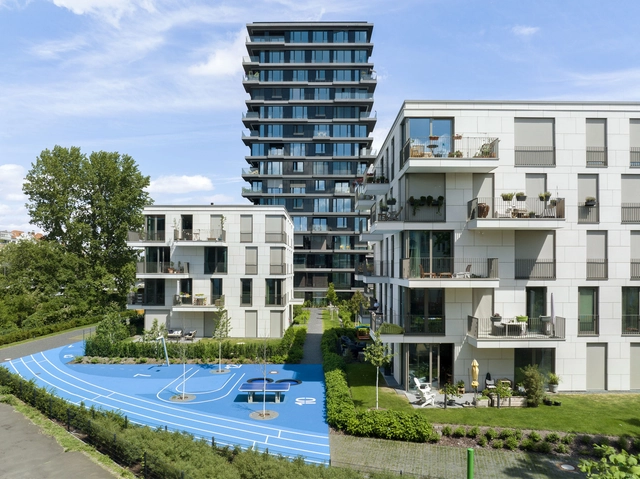


-
Architects: Tchoban Voss Architekten
- Area: 20580 m²
- Year: 2020
https://www.archdaily.com/996973/oasis-residential-tower-tchoban-voss-architektenPaula Pintos
Cold War Museum / Tchoban Voss Architekten
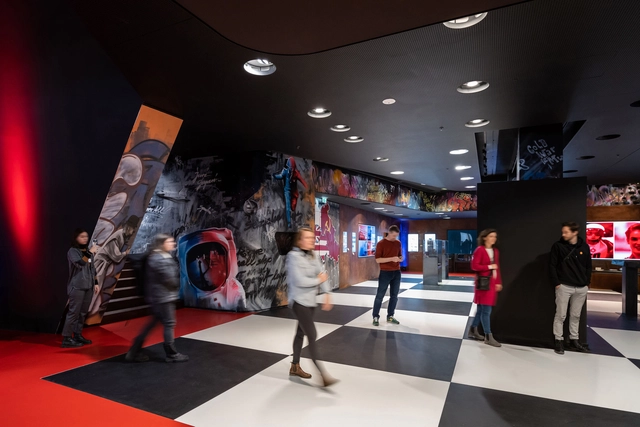



-
Architects: Tchoban Voss Architekten
- Area: 1600 m²
- Year: 2022
-
Manufacturers: Sika
https://www.archdaily.com/996451/cold-war-museum-tchoban-voss-architektenPaula Pintos
“Changing Our Footprint”: Henning Larsen Opens an Explorative Exhibition at Aedes Architecture Forum in Berlin
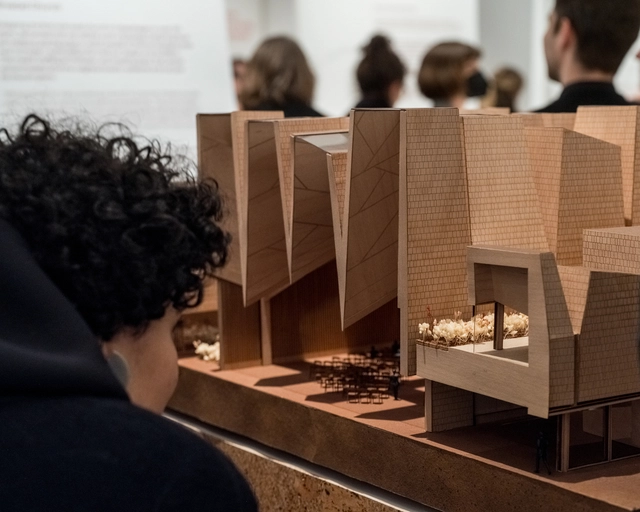
In an effort to address the architecture industry’s environmental impact, Henning Larsen is presenting the “Changing Our Footprint” exhibition at Aedes Architecture Forum in Berlin. The event features the small but scalable steps that the office is taking to move towards a more desirable future through the projects they are designing and the research they are conducting. The exhibition aims to be an engaging event, inviting visitors to participate in the dialogue, to think critically about the proposed solutions and initiatives, and to ask difficult questions in the search for better outcomes. The exhibition is open until March 22, 2023. Henning Larsen will also host a series of panel debates at the Aedes Architecture Forum from February 22 to March 14.


https://www.archdaily.com/996153/changing-our-footprint-henning-larsen-opens-an-explorative-exhibition-at-aedes-architecture-forum-in-berlinMaria-Cristina Florian
Learning From Europe: Beyond Symbolic Dark Landmarks to Save Energy at Night
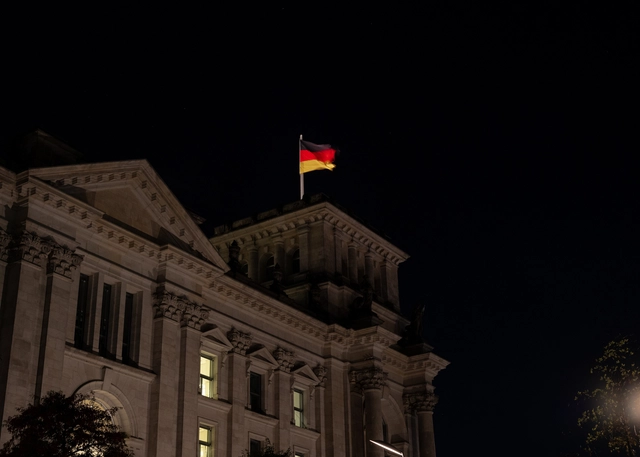
When capital cities like Paris and Berlin resolved to switch off lighting for public buildings and landmarks in July 2022 in order to save energy in the context of the Russian invasion of Ukraine, the cities created a ripple effect throughout central Europe. Images of dark iconic landmarks swept through the media and allowed politicians a momentary act of environmental demonstration. However, designers have started to question the sustainability of this ad hoc step. Seen from a broader perspective the impression arises that this alleged radical action has been part of a rather media-savvy campaign with small effect in cities at night. Further steps are necessary to reassess urban lighting that may have a major impact on energy saving and sustainability.
https://www.archdaily.com/996083/learning-from-europe-beyond-symbolic-dark-landmarks-to-save-energy-at-nightThomas Schielke
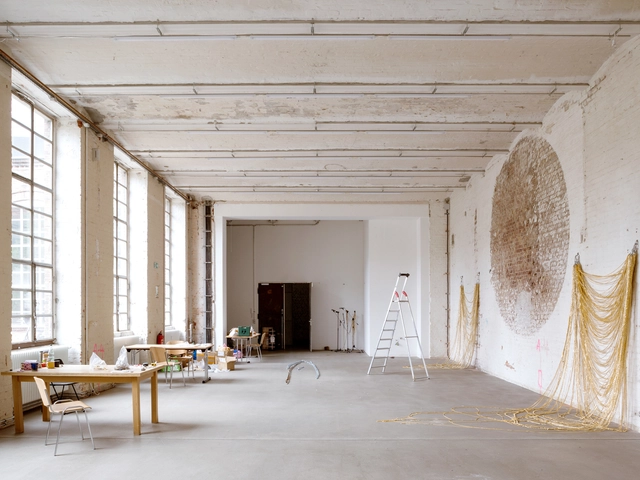
Lindower 22 Building / Asa Studio Albanese




-
Architects: Asa Studio Albanese
- Area: 1230 m²
- Year: 2015
https://www.archdaily.com/970056/lindower-22-building-asa-studio-albaneseAndreas Luco
What Makes an Outstanding City? 10 Cities in Focus in 2022
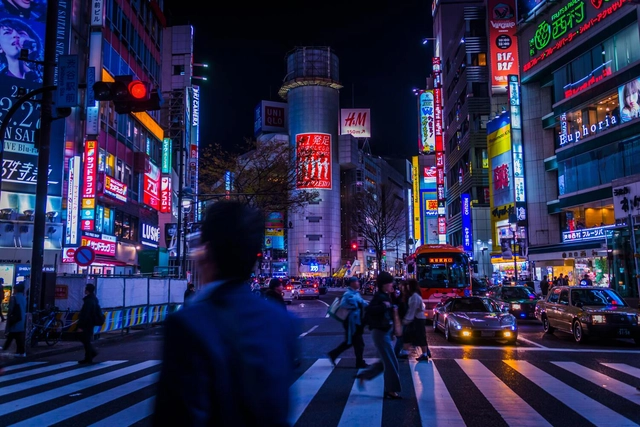
Cities evolve over countless years, each moment of change building up to larger societal and architectural shifts. Metropolises across the world are constantly subject to social, political, economic, or environmental forces that alter their fundamental identity - a character that is meant to be dynamic. As cities develop in size and impact, advancements in the understanding of cities and urbanism grow more complex.
Cities are formed from a sequence of narratives, characteristics, relations, and socio-spatial values that reflect the identity of the place. The livelihood of the city also depends on its people and a mutual relationship with them. Along with their communities and their circumstances, cities morph to reflect their residents' needs and values.


https://www.archdaily.com/993914/what-makes-an-outstanding-city-10-cities-in-focus-in-2022Ankitha Gattupalli