

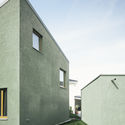

-
Architects: Miriam Poch Architektin, Project Architecture Company
- Area: 190 m²
- Year: 2017
-
Manufacturers: Monier, WEIHE FENSTER

The winners of the Architectural Review 2017 Emerging Architecture Award are Christelle Avenier and Miguel Cornejo. The duo’s social housing project in Paris was selected as winners by the judges. All finalists gathered in Berlin this year to present their projects to a panel consisting of Marina Tabassum, Martyn Hook, and Matthias Sauerbruch. For the last two-years, the jury has received the applications at the World Architecture Festival.
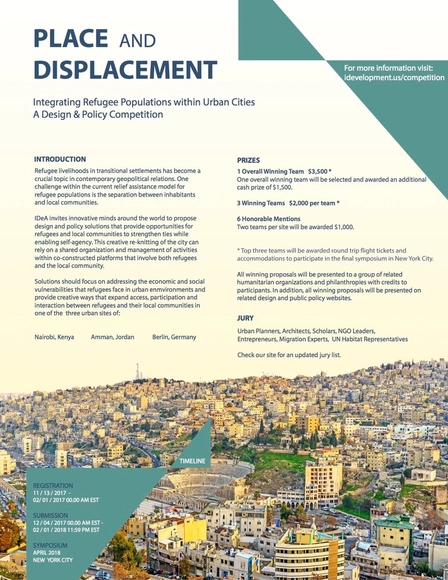
IDeA's 2nd annual Place and Displacement 2018 Competition - "Integrating Refugee Populations within Cities" is now open! Register online at through February 1, 2018.
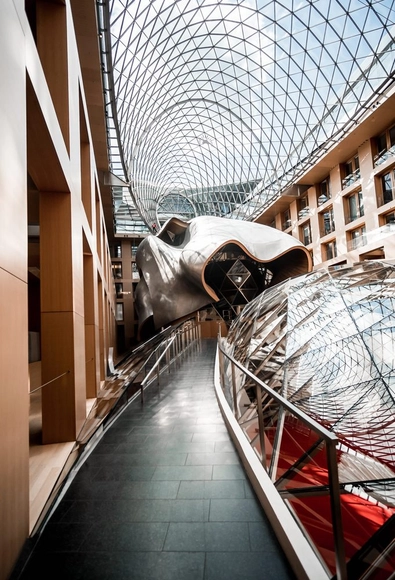
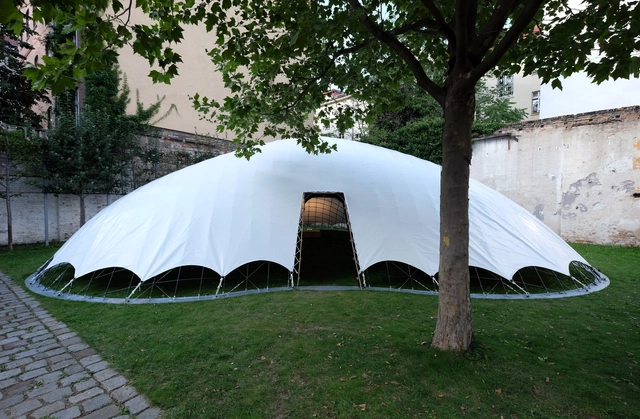
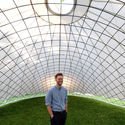
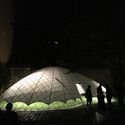
SheltAir, a pavilion developed and designed by Gregory Quinn as part of his doctoral thesis at the Berlin University of the Arts is, as its name suggests, a shelter constructed with the help of air: a meticulously devised system comprising an elastic gridshell and pneumatic falsework in the form of air-filled cushions.

The exhibition presents around 50 drawings which can be grouped into three categories: the Tallinn School, Paper Architecture from Moscow and that from Novosibirsk. It includes works by renowned artists such as Leonhard Lapin, Yuri Avvakumov, Alexander Brodsky and other architects.
Although the artists belong to different architectural groups and come from three diverse cities, they were united by the impulse to break out of the routine of late Soviet planning bureaus, dare something new, develop bold projects and confront the issues of environmental change, authority and technology.
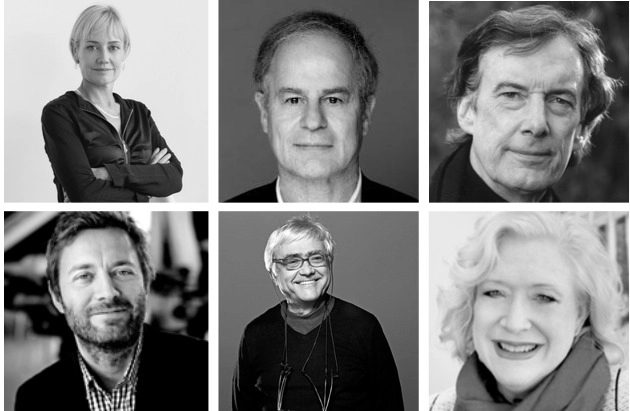
The World Architecture Festival (WAF) has announced their program for the 2017 edition focusing on the theme of “Performance.” An incredible list of speakers including Alison Brooks, Charles Jencks, Pierre de Meuron and France Kéré will feature across 3 days from November 15th to 17th at the Arena Berlin, Germany. Conferences, city tours, lectures and critiques of the shortlisted projects from the 2017 WAF awards are among the events scheduled for the festival.
The seminars, speeches, debates and discussions will examine “the topic of performance from the perspectives of housing, public spaces, festivals, cultural institutions and new technologies.”
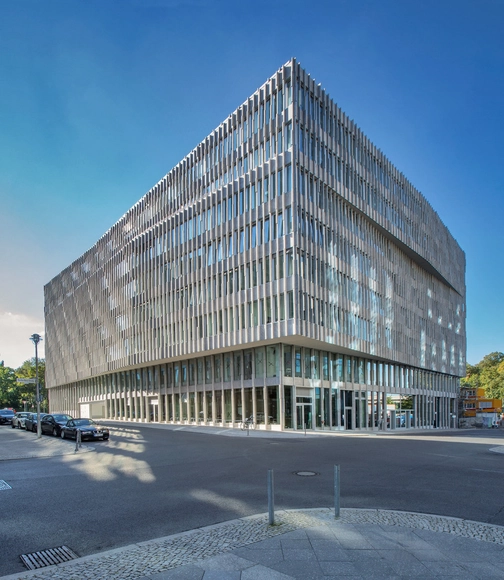
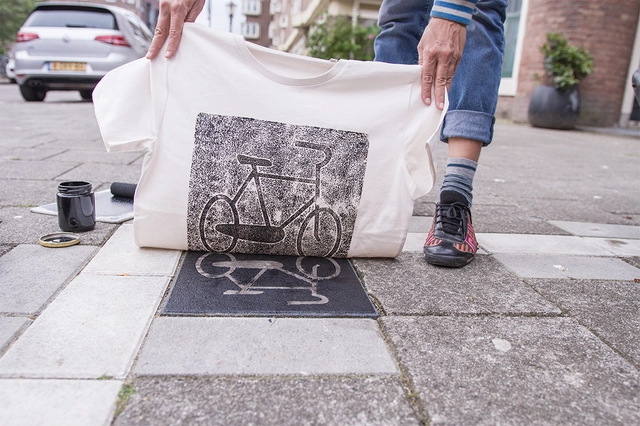
Raubdruckerin – German for pirate printers – have been traveling around Europe turning city streets into printing presses to develop a range of t-shirts, hoodies and bags. The result is fashion not just for the street but from the street.
Taking inspiration from the urban landscape and the often over-looked surfaces of the city, Raubdrucken apply their eco-friendly ink to man-hole covers, grids and patterned streetscapes and relief-print the outcome directly on to the fabric of their line. It is proof that everything can be inspiration for good design, and that beauty and richness can be found in the mundane, the utilitarian or perhaps in this case, the misunderstood.

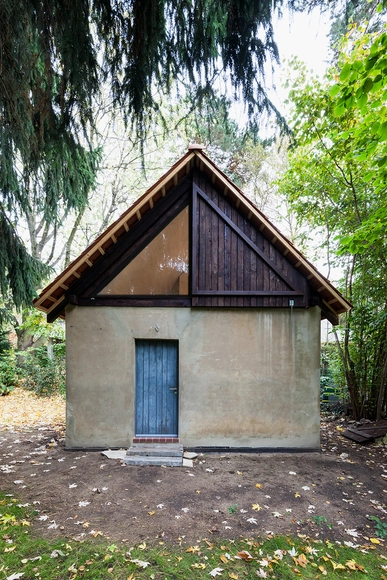
Organized by Frieze Academy on Friday 6 October, from 10am – 4.30pm at The Royal Institution in London, this full-day conference will be hosted by Alice Rawsthorn with:
Berlin is city in which the past and the present often collide – a phenomenon particularly acute when it comes to the built environment. In this project by Japanese architect and artist Riku Ikegaya, the interior of St. Elisabeth-Kirche (Church of St. Elizabeth)—designed by Karl Friedrich Schinkel—is transformed by means of a structural installation. Consisting of a scale model of Schinkel’s plans for the Rosentaler Vorstadt Church, the artist has composed a "three-dimensional architectural sketch."
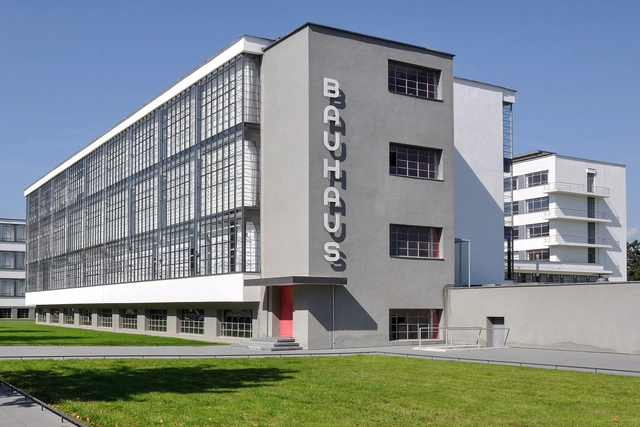
Experience the legendary Bauhaus movement on the brink of its 100th anniversary on this ten-day tour with Architectural Adventures. The Bauhaus is arguably the world's most influential school of design, revolutionizing 20th-century design, art, and architecture the world over. Founded in Weimar, Germany by Walter Gropius in 1919, the Bauhaus' activities spanned 14 years, and was relocated to Dessau and later Berlin.
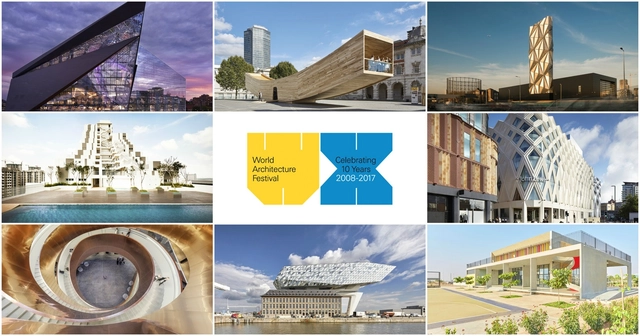
The World Architecture Festival has announced the shortlist for their 2017 awards slate, featuring 434 projects ranging from small family homes, to schools, stations, museums, large infrastructure and landscape projects. The world’s largest architectural award program, the WAF Awards year saw more participation this year than ever before, with a total of 924 entries received from projects located in 68 countries across the world.