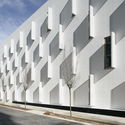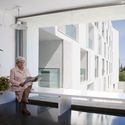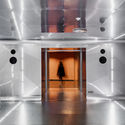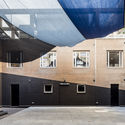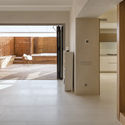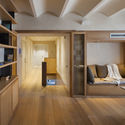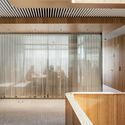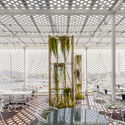

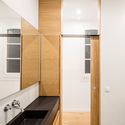

-
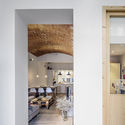
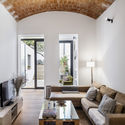
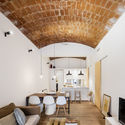
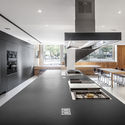
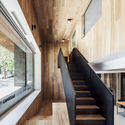
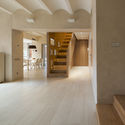
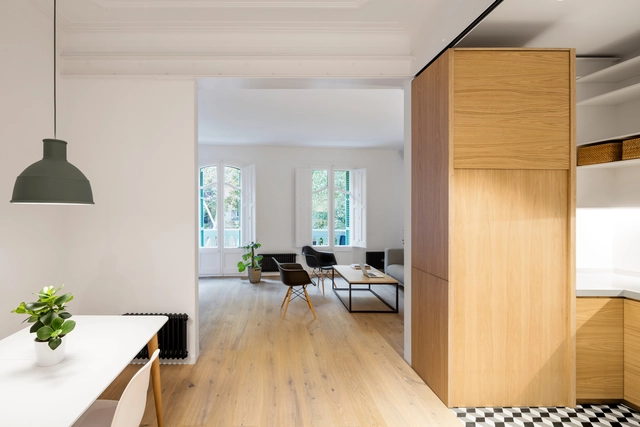
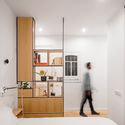
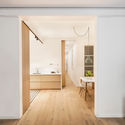
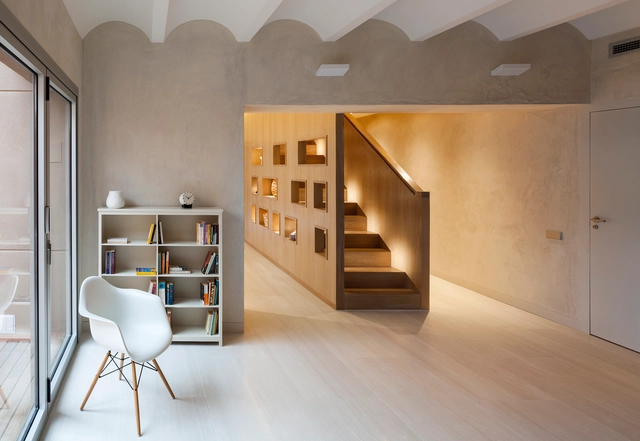
Architects: Forma Arquitectura
- Area: 65 m²
- Year: 2015
-
Professionals: Forneas Guida
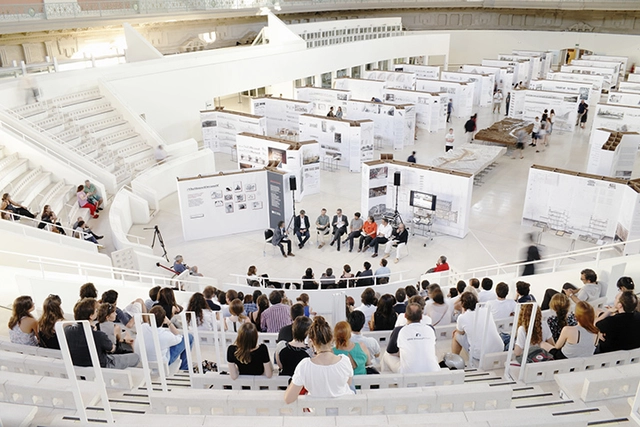
If you would like to make a positive impact on the world through architecture, and study in a multidisciplinary and international environment, find out more about the UIC Barcelona School of Architecture's Bachelor's Degree in Architecture.
Committed to Society with Compulsory Classes on Cooperation, Sustainability and Accessibility
UIC Barcelona aims to train architects to know and care about the needs of society, the environment and people in general. It is the only architecture school in Spain that teaches compulsory modules on cooperation, sustainability and accessibility. It offers students a holistic approach to architectural education, improving competitiveness by encouraging multiple skill sets, teamwork, responsibility, and entrepreneurship.
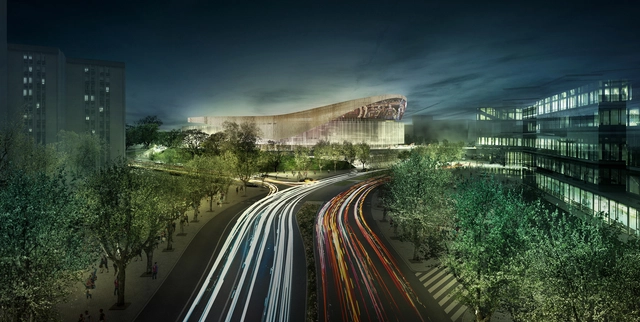
At a press conference on Thursday, FC Barcelona presented the design of the new Camp Nou, a project led by Nikken Sekkei (Japan) with Joan Pascual i Ramon Ausió Arquitectes (Barcelona), who won the international competition in early March.
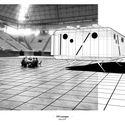
Alongside the team's players, the board of directors chaired by Josep Maria Bartomeu presented the model of the project, which will begin construction in mid-2017 to expand the stadium's capacity to 105,000 spectators. In addition, the organization published a series of videos about the project, including an explanation of how the expansion will take place without affecting a single football match.
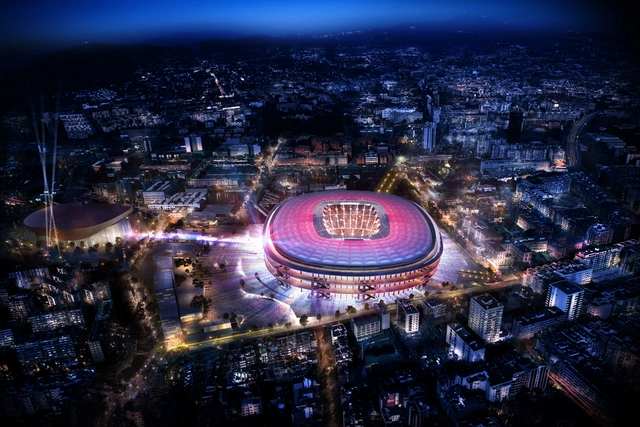
Japanese practice Nikken Sekkei, in collaboration with Joan Pascual-Ramon Ausió Arquitectes, has been chosen to design the new Camp Nou stadium for FC Barcelona, according to Spanish newspaper La Vanguardia. The winning team was chosen over three other finalists: HKS + COX + Batell i Roig Arquitectes; BIG + IDOM + BAAS Arquitectes; POPULOUS + Mias Arquitectes + RCR Arquitectes.
The new design intends to compliment the recently unveiled New Palau Blaugrana, FC Barcelona's main basketball arena that will be designed by HOK and TAC Arquitectes. All this is happening alongside the Espai Barça remodel that is expected to begin in 2017 and complete by 2021.

The International Biennial of Landscape Architecture is an international event, that takes place every two years in Barcelona, gathering architects, professionals, students and professors from all over the world.

After an international design competition, sports venue specialists HOK and Barcelona-based TAC Arquitectes have been selected to design the new 10,000 seat arena for FC Barcelona, the New Palau Blaugrana. Replacing the old arena which was built in 1971, the building is estimated to open for the 2019-2020 FC Barcelona Lassa basketball season. The redevelopment of the Palau Blaugrana is part of a larger scheme by the football team to refresh their entire campus - including the famous Camp Nou stadium for which a shortlist including BIG, Populous and HKS was announced in September, with a winner expected to be announced in March. Read on for the architects' description of their Palau Blaugrana design.
The Basílica i Temple Expiatori de la Sagrada Família, more commonly known simply as the Sagrada Família, has been under construction in Barcelona since 1882, but now completion of the church is finally in sight. As this video from the Basilica’s YouTube page illustrates, the six final towers are set to be completed by 2026, timed to coincide with the 100th anniversary of the death of Antoni Gaudí, the Catalan architect who devoted much of his life to the design and construction of the building. These six towers, representing the Virgin Mary, the four evangelists, and Jesus Christ, will be the last and tallest of 18 spires on the church, and will make the Sagrada Família the tallest church building in the world.

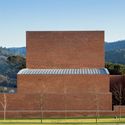
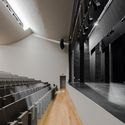
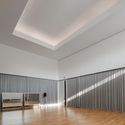
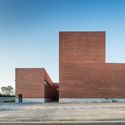
Architecture photographer Joao Morgado just shared with us images of Alvaro Siza's newest project in Barcelona -designed in collaboration with local office Aresta Arquitectura- the Public Auditorium in Llinars del Vallès.
The project is conformed by two red brick buildings, one which houses an auditorium with capacity for 300 seats and a second building with all the offices and technical spaces associated to the theater.