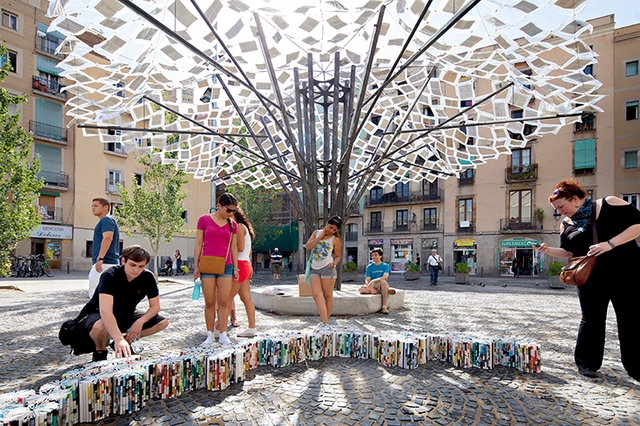
With an on-going digital and physical evolution, the 5th Istanbul Design Biennialtook a new approach. “Rather than focusing on the presentation of final results in a compressed period of time and space”, the global circumstances created the opportunity to present new projects on a longer period of time and in expanded spaces, offering not an exhibition but “a digital and research program with a series of permanent interventions in the city.”
As far as written records report, “prehistory” dates back between 35,000 BCE and 3000 BCE in the Middle East (2000 BCE in Western Europe). Ancient builders had a profound understanding of human responses to environmental conditions and physical needs. Initially, families and tribes lived together in skin-covered huts and bone structures. Thousands of years later, human settlements evolved into fortified mud-brick walls surrounding rectangular volumes with pierced openings for ventilation and sunlight.
During the upcoming months, we will be publishing short articles on the history of architecture and how it evolved to set the fundamentals of architecture we know today. This week, we are exploring the architectural characteristics of ancient India and Southeast Asia.
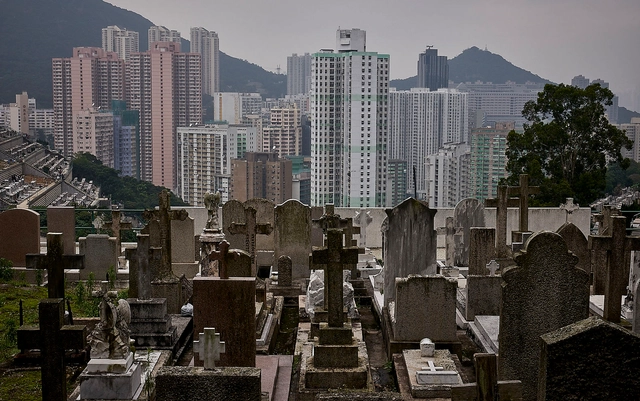
In some of the most dense cities around the world, it’s becoming an increasing challenge to find a comfortable space to live- and similar for when you die, too. It’s estimated that 55 million people pass away each year, and for every one living person today, there are 15 times the number of deceased. Yet urban planners and architectural developers are more interested in dealing with the living than dabbling in the business of death. As a result, it’s created tension in the two parallel worlds- and as time goes on, more questions are being raised about how we address public space that can be designed so that both the living and the dead can coexist.
Wherever there is a center, there is by necessity a periphery. This in itself should not generate any headlines; we live in a world of centers, and peripheries that continually stretch those centers, whether it be politics, countries, or societal norms. It also applies to architectural practice. In a complex, interconnected world, members of the architectural profession around the world are constantly expanding into new peripheries, generating new visions for how practice should operate, influenced by technological, political, cultural, and environmental changes.
The Kingdom of Cambodia has a rich history of Khmer architecture. Built from the latter half of the 8th century to the first half of the 15th century, these structures are embodied by the iconic Angkor Wat temple complex. But new architecture is being built throughout Cambodia, projects that reinterpret culture and tradition to create modern spaces for contemporary life.
Hong Kong is an autonomous territory in southeastern China known for its skyscrapers, urban density, and high prices. However, on Nico Van Orshoven's travelogue, Everywhere in Particular, the Belgian architect creates a visual portrait of the territory beyond the stereotypes. With lively public spaces and stunning natural landscapes, Hong Kong can and will surprise you.
Below, Van Orshoven recounts his visit to Hong Kong:
A new online course offered by the University of Hong Kong (UHK) through knowledge-sharing platform edX will probe the relationship between Asian culture and the continent’s vernacular architecture. Free and open to anyone, the introductory course entitled “Interpreting Vernacular Architecture in Asia” has an inclusive mission: to make the often alienating world of art and architectural history accessible to the general public by removing barriers to entry.
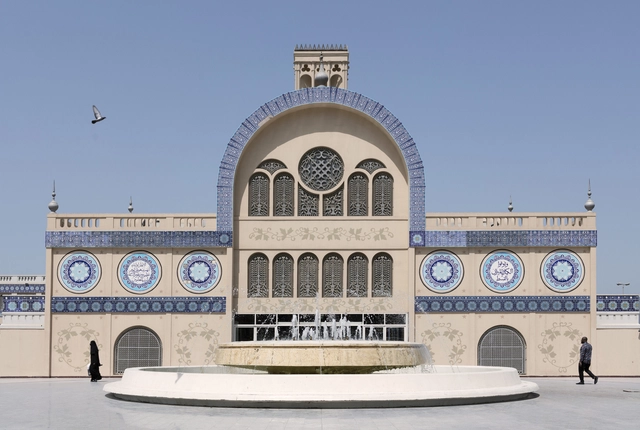
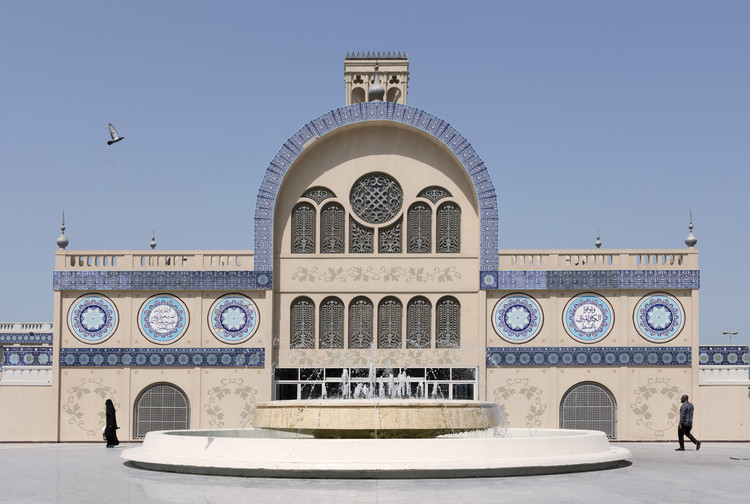
The Sharjah Architecture Triennial will open in November 2019 as "the first major platform for dialogue on architecture and urbanism in the Middle East, North Africa, East Africa and South Asia." Curator Adrian Lahoud has announced the theme of the Triennial as the Rights of Future Generations, aiming to fundamentally challenge traditional ideas about architecture and introduce new ways of thinking that veer from current Western-centric discourse.
Mercer released their annual list of the Most Livable Cities in the World last month. The list ranks 231 cities based on factors such as crime rates, sanitation, education and health standards, with Vienna at #1 and Baghdad at #231. There’s always some furor over the results, as there ought to be when a city we love does not make the top 20, or when we see a city rank highly but remember that one time we visited and couldn’t wait to leave.
To be clear, Mercer is a global HR consultancy, and their rankings are meant to serve the multinational corporations that are their clients. The list helps with relocation packages and remuneration for their employees. But a company’s first choice on where to send their workers is not always the same place you’d choose to send yourself to.
And these rankings, calculated as they are, also vary depending on who’s calculating. Monocle publishes their own list, as does The Economist, so the editors at ArchDaily decided to throw our hat in as well. Here we discuss what we think makes cities livable, and what we’d hope to see more of in the future.
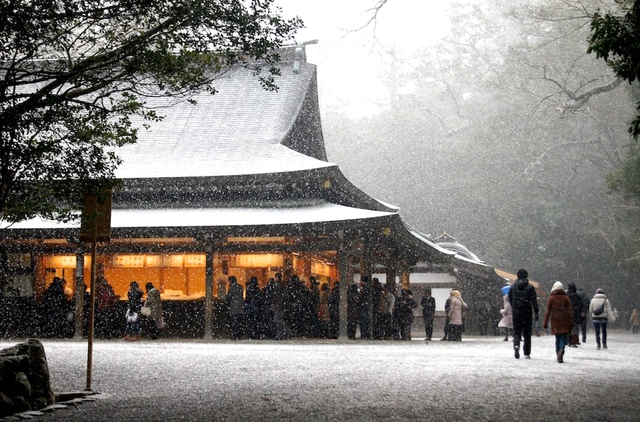
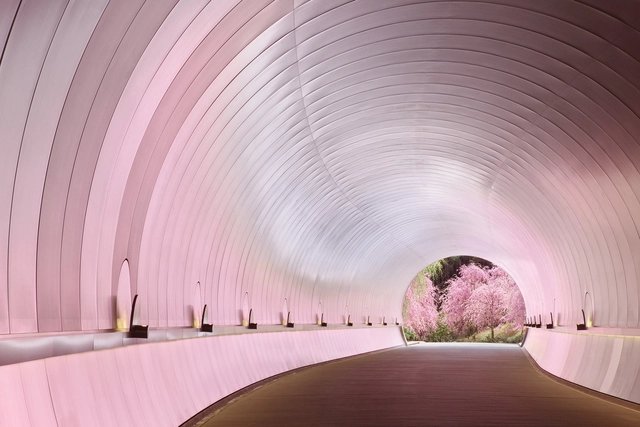
This week, we present a selection of the best images of Asian architecture in bloom. These 11 projects from Japan and South Korea incorporate the springtime beauty of trees such as cherry and almond. Read on for a selection of images from prominent photographers such as Shigetomo Mizuno and Kai Nakamura.
Be part of history. Together with the Bases Conversion and Development Authority (BCDA), the Philippine Senate aims to develop its permanent home in an 18,320 square meter lot situated in the heart of the Philippines’ premier business and residential districts.
The ARCASIA Travel Prize in Architecture is the travel and research scholarship given to Young Architects of ARCASIA (40 years and under) who are members of the architect institute of their country. The prize aims to promote research in selected fields of study, encourage cross-border education as well as foster cultural exchange between nations and institutes. Sponsored by NS Bluescope (Thailand), this year is the third year of the ARCASIA Travel Prize.
CALL FOR YOUNG ARCHITECTS: The ARCASIA Travel Prize in Architecture is the travel and research scholarship given to Young Architects of ARCASIA (40 years and under) who are members of the architect institute of their country
ARCASIA TRAVEL PRIZE 2018: KUMIKI
CALL FOR YOUNG ARCHITECTS: The ARCASIA Travel Prize in Architecture is the travel and research scholarship given to Young Architects of ARCASIA (40 years and under) who are members of the architect institute of their country. The prize aims to promote research in selected fields of study, encourage cross border education as well as foster cultural exchange between nations and institutes. Sponsored by NS Bluescope (Thailand), this year is the third year of the ARCASIA Travel Prize.
HIDA & TOKYO JAPAN: For 2018, the ARCASIA Travel Prize will enable Young Architects to travel and conduct design research in Japan
Enter the Adelaide Creative Community Hub architecture competition now! US $6,000 in prize money! Closing date for registration: AUGUST 24, 2017
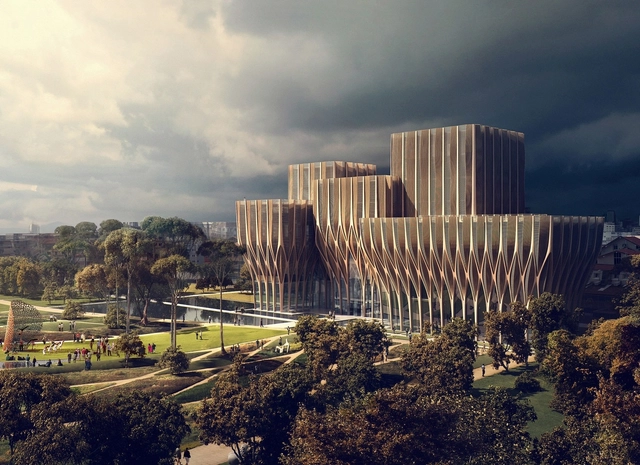
What makes a ‘creative city’? And what capacity does architecture have to foster, inspire, or use to celebrate creativity within an urban environment? These questions are part of a growing discussion in Adelaide, Australia, surrounding what the city could be, and how to make Adelaide a more creative, vibrant, and innovative place to live.
A curated show featuring high-end interior design concepts and solutions MAISON&OBJET ASIA is an intelligent reflection of the ever-growing industry trends of the region.
Taking our 20 year experience of curating exclusive design events in Paris, the M&O team has firmly established links between the European and Asian design communities through M&O ASIA. Located in Singapore, M&O ASIA is an annual occasion for brands and suppliers to get in touch with the high-end niche market of interior design in Asia-Pacific as well as to obtain market intelligence.
FuturArc Prize seeks forward-thinking, innovative design ideas for Asia. The competition offers a platform to professionals and students who are passionate about the environment. Through the force of their imagination it aspires to capture visions of a sustainable future. FuturArc Prize 2017 invites you to Envisage an Architecture for the Common Good.
The SIA-Getz Architecture Prize for Emergent Architecture in Asia honours, biennially, an architect who contributes to emergent architecture in Asia. Launched by the Singapore Institute of Architects (SIA) and Getz Bros. & Co. (Singapore) in 2005, the prize is in its sixth edition this year.
In the last three decades, Asia has been experiencing an overwhelming rate of development. This has left an impact on the international architecture scene. It is therefore appropriate to recognize and promote emergent Asian architects - architects who produce an exemplary quality of works while responding innovatively to the swift changes in our society, culture and


.jpg?1609931383&format=webp&width=640&height=580)

.jpg?1609924103 "theOtherForest. Image © Kayhan Kaygusuz")

.jpg?1609931383)