
Architecture: The Latest Architecture and News
Sky Farm / VRAP
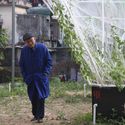

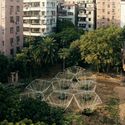
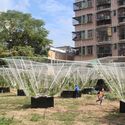
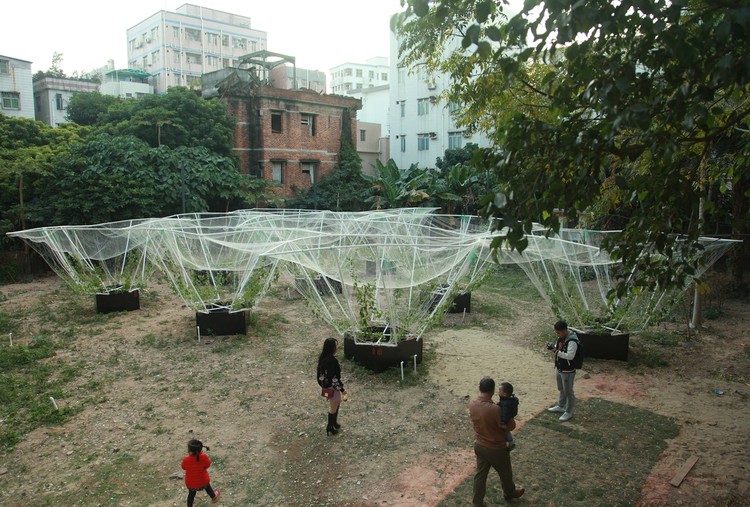
https://www.archdaily.com/893174/sky-farm-vrap罗靖琳 - Jinglin Luo
DISSING+WEITLING Wins Competition for Scenic Pedestrian Bridge in China
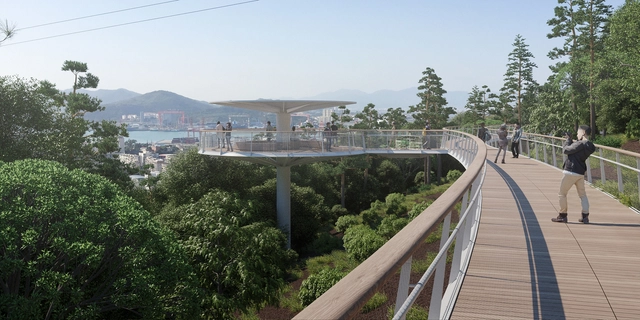
Nearly a year after opening its "Xiamen Bicycle Skyway," DISSING+WEITLING Architecture has won another major infrastructure project in the Chinese city. The winning design, "Xiamen Footpaths," is set to be a 21-kilometer network of paths and bridges creating a large-scale network connecting the surrounding nature and the budding metropolis of Xiamen.
Much like DISSING+WEITLING's "Bicycle Snake" did for bicycles in Copenhagen, the "Xiamen Footpaths" will improve the traveling conditions and city experience for pedestrians in the bustling city of Xiamen.
https://www.archdaily.com/892911/dissing-plus-weitling-wins-competition-for-scenic-pedestrian-bridge-in-chinaCollin Abdallah
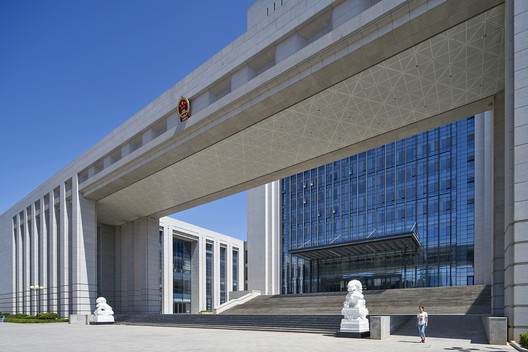
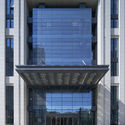
Gansu Provincial Superior People’s Court / BIAD


-
Architects: Beijing Institute of Architectural Design
- Area: 52000 m²
- Year: 2017
-
Manufacturers: Beijing Nanlong Construction & Decoration Engineering, Gansu Jiuquan Xinlei Industries Group
https://www.archdaily.com/892843/gansu-provincial-superior-peoples-court-biad舒岳康 - SHU Yuekang
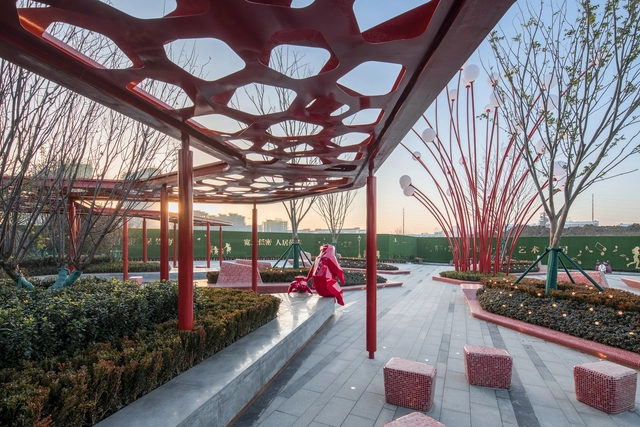
Hefei Wantou & Vanke Paradise Art Wonderland - Phase1 / ASPECT Studios


-
Landscape Architects: ASPECT Studios
- Area: 15100 m²
- Year: 2017
-
Manufacturers: HAGS Global
-
Professionals: Kyle Chan & Associates Design, Shenzhen Pudao Landscape
https://www.archdaily.com/890565/hefei-wantou-and-vanke-paradise-art-wonderland-phase1-aspect-studios舒岳康 - SHU Yuekang
Call Me MOSAIC Bookstore / TurtleHill






https://www.archdaily.com/892973/call-me-mosaic-bookstore-turtlehill罗靖琳 - Jinglin Luo
Can Architecture Save China’s Rural Villages? DnA’s Xu Tiantian Thinks So
.jpg?1524158077)
Travel seven hours by car in a Southwest direction from Shanghai and you will arrive in Songyang County. The name is unfamiliar to many Chinese people, and even more foreign to those living abroad. The county consists of about 400 villages, from Shicang to Damushan.
Here, undulating lush green terraces hug the sides of Songyin river valley, itself the one serpentine movement uniting the lands. Follow the river and you will see: here, a Brown Sugar Factory; there, a Bamboo Theatre; and on the other side, a stone Hakka Museum built recently but laid by methods so old, even the town masons had to learn these ways for the first time, as if they were modern methods, as if they were revolutionary.
.jpg?1524158077&format=webp&width=640&height=580)
And maybe they are. Songyang County, otherwise known as the “Last Hidden Land in Jiangnan,” may look like a traditional Chinese painting with craggy rock faces, rice fields and tea plantations, but it has also become a model example of rural renaissance. Beijing architect Xu Tiantian, of the firm DnA_Design and Architecture, has spent years surveying the villages of Songyang, talking to local County officials and residents, and coming up with what she calls “architectural acupunctures.”
.jpg?1524158612 "Brown Sugar Factory. Image © Wang Ziling")
.jpg?1524163466 "Teahouse, Damushan Tea Valley. Image © Hao Chen")
.jpg?1524164629 "Teahouse, Damushan Tea Valley. Image © Jiang Xiaodong")
.jpg?1524158127 "Bamboo Pavilion. Image © Zhou Ruogo")
.jpg?1524158212 "Bamboo Pavilion. Image © Zhou Ruogo")
.jpg?1524163398 "Bridge at Shimen Village. Image © Han Dan")
.jpg?1524163448 "Bridge at Shimen Village. Image © Wang Ziling")
.jpg?1524163483 "Bridge at Shimen Village. Image © Wang Ziling")
.jpg?1524163637 "Wang Jing Memorial Hall. Image © Wang Ziling")
.jpg?1524158077)
https://www.archdaily.com/892947/can-architecture-save-chinas-rural-villages-dnas-xu-tiantian-thinks-soAAA
Zaha Hadid Architects Designs Parabolic-Vaulted School Campus in Rural China
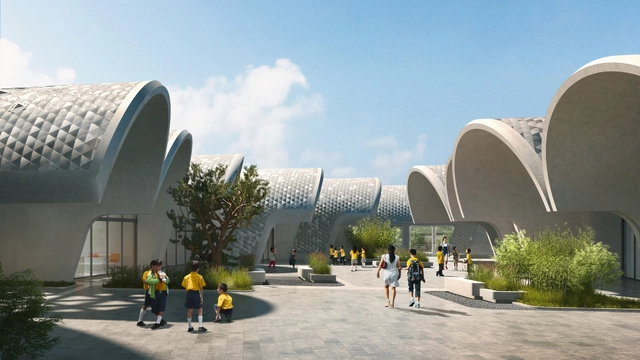
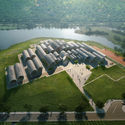
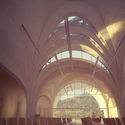
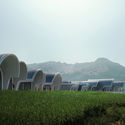
Zaha Hadid Architects has unveiled its design for the Lushan Primary School, an educational campus that will serve around 120 students from 12 villages in a rural area of Jiangxi Province in China. The design features a series of barrel and parabolic vaults constructed from concrete, which are oriented to offer optimum lighting conditions and views out to the landscape.


https://www.archdaily.com/892903/zaha-hadid-architects-designs-parabolic-vaulted-school-campus-in-rural-chinaRory Stott
Concéntrico Festival 04 is a reflection of the urban environment in the city of Logroño
_preview.jpg?1524080655)
Concéntrico is the Logroño International Festival of Architecture and Design, a reflection on the urban environment and the city. This year’s edition, Concéntrico 04, takes place from 27 April to 1 May 2018. The Festival invites you to explore the city through installations, exhibitions, discussions, activities and performances, creating a connection between places, squares, streets, terraces and hidden spaces that usually go unnoticed.
https://www.archdaily.com/892853/concentrico-festival-04-is-a-reflection-of-the-urban-environment-in-the-city-of-logronoJaviera Barbosa
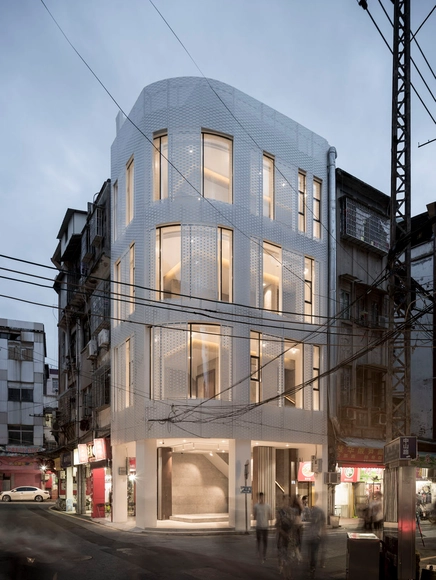
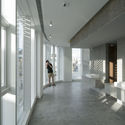
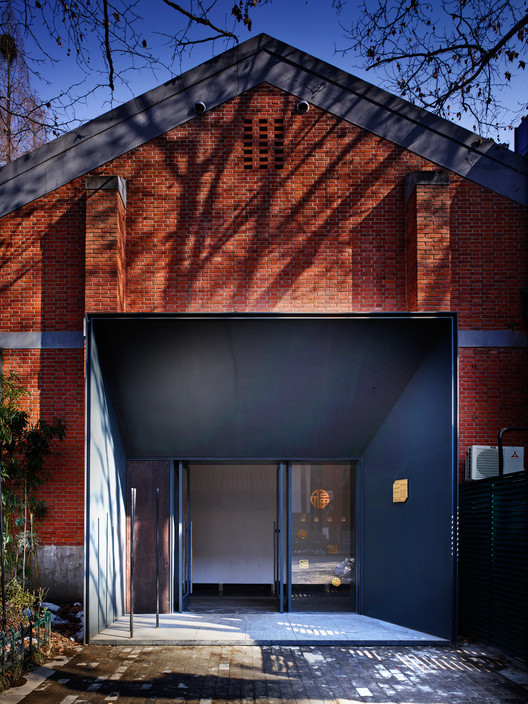
Old Building Renovation on Zhenbang Road / TEAM BLDG

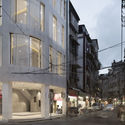
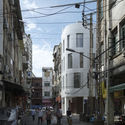

https://www.archdaily.com/892577/old-building-renovation-on-zhenbang-road-team-bldg罗靖琳 - Jinglin Luo
Red Brick Country Auditorium / Huazhong University of Science and Technology + ADAP Architects China


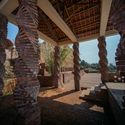
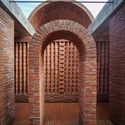
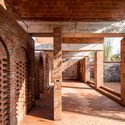

https://www.archdaily.com/892573/red-brick-country-auditorium-huazhong-university-of-science-and-technology-plus-adap-architects罗靖琳
Jiangshan Fishing Village Renewal / Mix Architecture

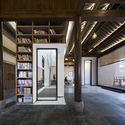
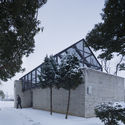
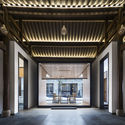
https://www.archdaily.com/892356/jiangshan-fishing-village-renewal-mix-architecture舒岳康 - SHU Yuekang
Is This the Most Beautiful Ghost Town Ever? Drone Video Captures Chinese Village Reclaimed by Nature
As the shadows of the past loom around what’s left of the overgrown houses and pathways, videographer Joe Nafis has perfectly captured the rare charm of the abandoned fishing village of Houtouwan using his drone. From above, you can appreciate the extent of the foliage carpeting the walls, roofs, and openings. It was the promise of this unlikely setting that first led Nafis to visit the village as part of a fashion shoot.



https://www.archdaily.com/891872/is-this-the-most-beautiful-ghost-town-ever-drone-video-captures-chinese-village-reclaimed-by-natureElla Thorns
In China, an Experimental Pavilion of Ceramic Bricks Fuses Craftsmanship and Digital Fabrication
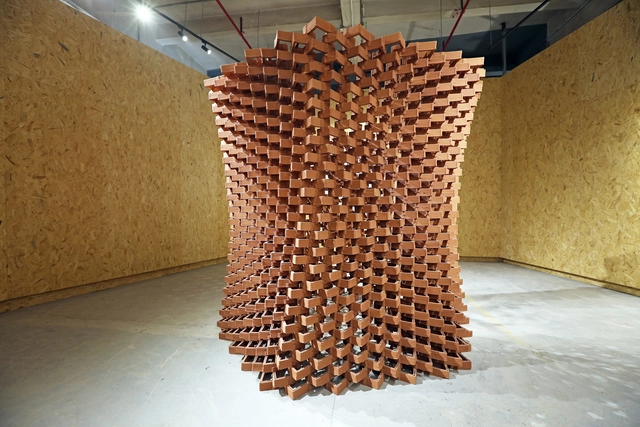
Uniting the material intelligence of vernacular crafts with the precision and flexibility provided by the new digital design and manufacturing technologies, the Robotic Fabrication LAB of The Faculty of Architecture of HKU has developed the CeramicINformation Pavilion, with the objective of finding suitable levels of automation to be used for emerging and transitioning economies.
Part of an evolving series, each of its 1,000 components is unique and relates specifically to its neighboring units. The elements are constructed through 3D printing and are made of terracotta brick, a material commonly used in modern Chinese construction.
https://www.archdaily.com/890192/in-china-an-experimental-pavilion-of-ceramic-bricks-fuses-craftsmanship-and-digital-fabricationJosé Tomás Franco
#24 Cathay Restaurant / MINGGU DESIGN


-
Interior Designers: MINGGU DESIGN
- Area: 1700 m²
- Year: 2018
-
Manufacturers: LiteMatrix, MOLZA
https://www.archdaily.com/892223/number-24-cathay-restaurant-minggu-design舒岳康 - SHU Yuekang
Hangzhou Central Plaza / JHD Architects
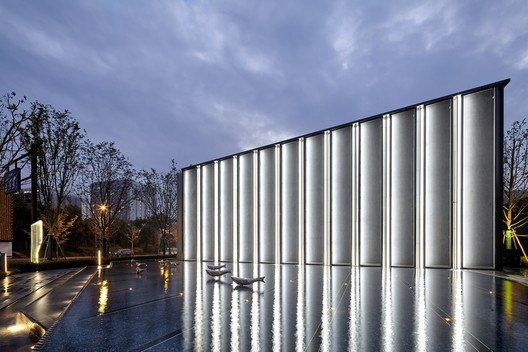
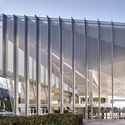
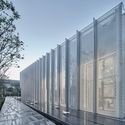
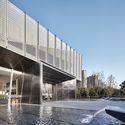
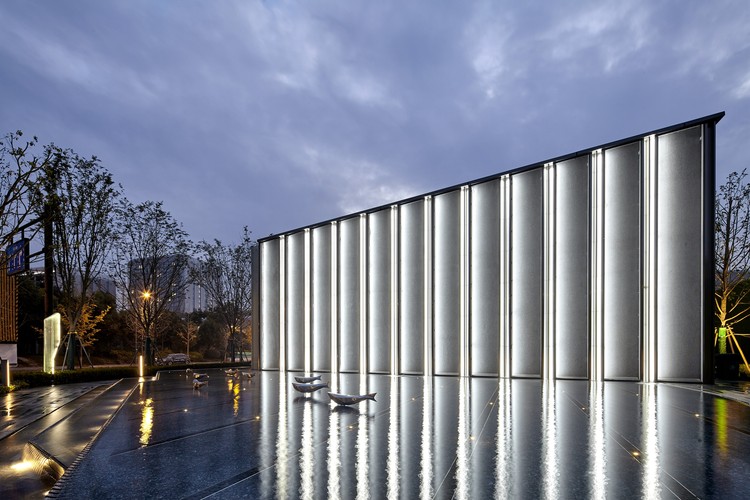
https://www.archdaily.com/892231/hangzhou-central-plaza-jhd-architects罗靖琳
SOM Unveils Images of Striking Mixed-Use Tower in Hangzhou, China

Skidmore, Owings & Merrill (SOM) has unveiled images of its proposed 54-story mixed-use tower in Hangzhou, China. Standing at a height of 945 feet (288 meters), the "Hangzhou Wangchao Center" seeks to act as a gateway to the eastern Chinese city’s newly-planned Qianjang Century Town district. With 1.3 million square feet (125,000 square meters) of office, hotel, and retail space, the scheme represents the ambitions of Hangzhou to become a global destination, spurred by its hosting of the Asian Games in 2022.




https://www.archdaily.com/892188/som-unveils-images-of-striking-mixed-use-tower-in-hangzhou-chinaNiall Patrick Walsh
Bataan Chapel by Swiss Artist Not Vital Questions the Boundaries Between Art and Architecture
.jpg?1520689109&format=webp&width=640&height=580)
Art, in general, is made to be seen or experienced by another, an interlocutor, who, in turn, establishes various relationships with the art work. However, this is not the case of the Bataan Chapel, built by the Swiss artist Not Vital in the Philippines.
Ravaged by constant winds, the art work rises on a hill in rural Bagac, a town of just under 30,000 inhabitants located about 50 kilometers west of Manilla. The remote location of the building makes access difficult and the journey becomes a sort of pilgrimage — part of its grace lies precisely in its inaccessibility.
https://www.archdaily.com/890929/bataan-chapel-by-swiss-artist-not-vital-questions-the-boundaries-between-art-and-architectureRomullo Baratto
Lost&Found Store / CPLUS





https://www.archdaily.com/888212/lost-and-found-store-c-plus-architects舒岳康 - SHU Yuekang