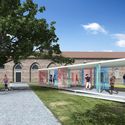
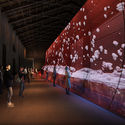
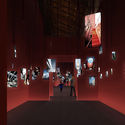
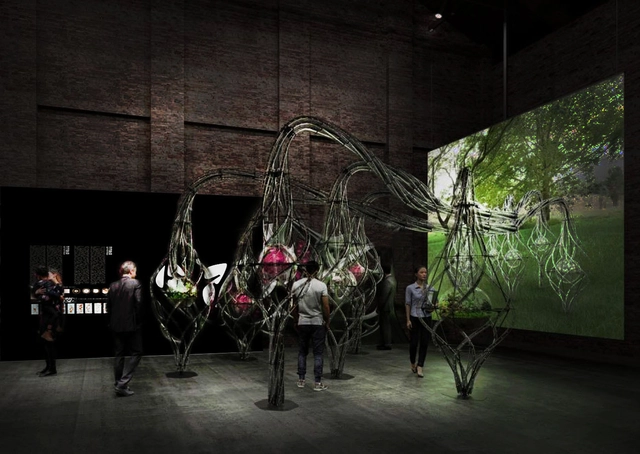
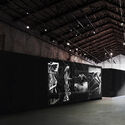
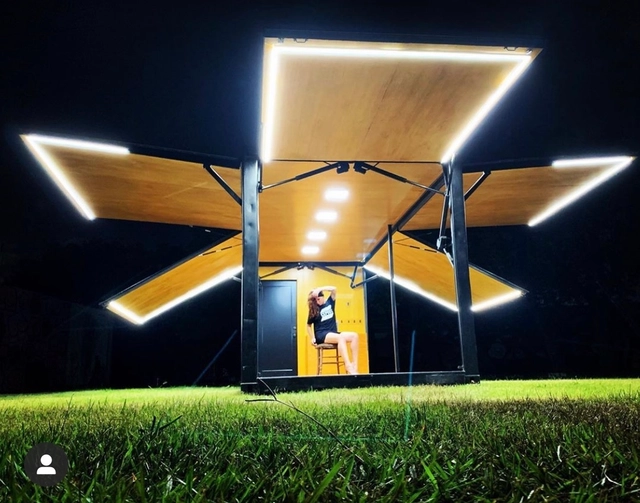
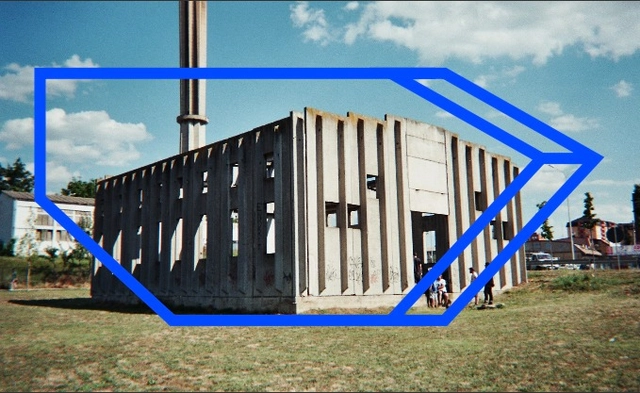
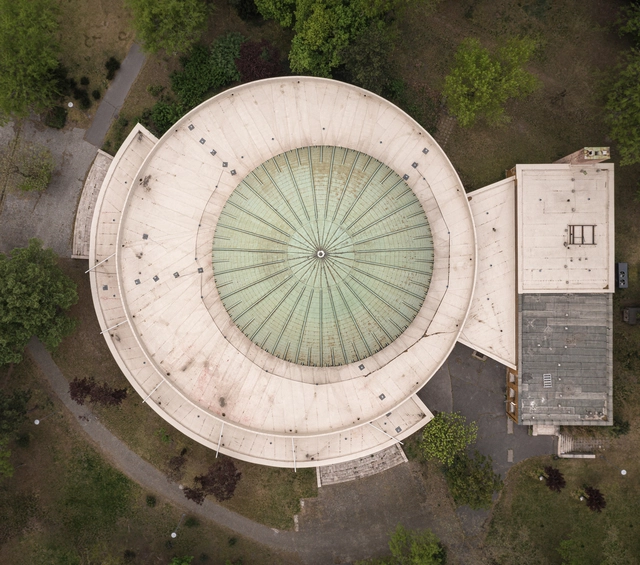
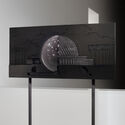
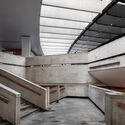
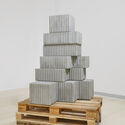
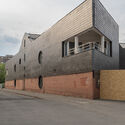
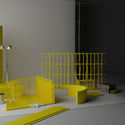
Titled "Yuan-er, a Courtyard-ology: From the Mega to the Micro", the Chinese pavilion at the 17th International Architecture Exhibition – La Biennale di Venezia answers the question of how architecture can contribute to equality, connectivity and unity by resorting to familiar Chinese residential typologies. Curated by Zhang Li, the pavilion will be on display from May 22nd to November 21st, 2021.
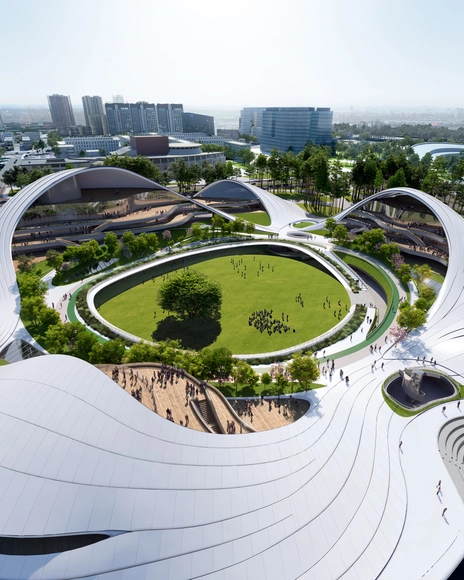
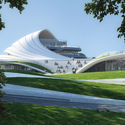
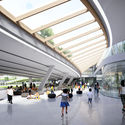
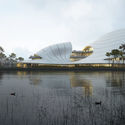
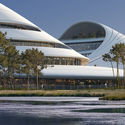
Led by Ma Yansong, MAD Architects have released their design for the Jiaxing Civic Center, a project that explores the relationship between city, nature, and people. The proposed center will be a new place of attraction for children, adults, and seniors, sitting on the city's central axis and surrounded by its South Lake, Haiyan River, and Central Park. The master plan will house three venues: the Science and Technology Museum, the Women and Children Activity Center, and the Youth Activity Center, all organized around a central green open space. The firm's latest public project in Jiaxing City, which is expected to be complete by the end of 2023, comes shortly after they unveiled their design for the Jiaxing Train Station earlier this year.
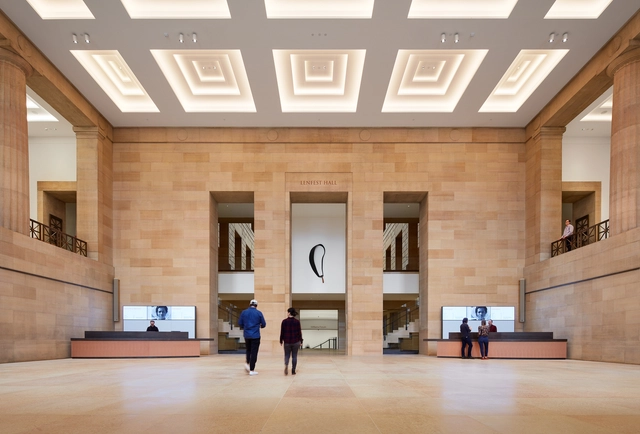
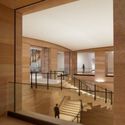
Philadelphia Museum of Art opened to the public earlier this month after completing an extensive four-year renovation and interior expansion project led by Frank Gehry. The intervention, dubbed the Core Project, focused on renewing the museum's infrastructure, creating galleries and public spaces while leaving the 1928 exterior untouched. The culmination of two decades of planning and design, the project led by the renowned architect creates a compelling vision for the future of the museum while honouring the landmark building.
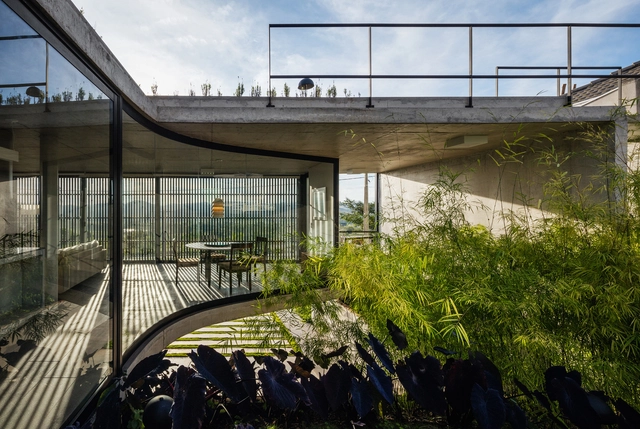
Modern architecture, in its early days, was based on innovative technologies of construction and a rejection of ornament, which established the use of straight lines in building design. However, thanks to the plasticity of concrete and other materials, new patterns began to emerge, resulting in more organic and curvy lines.
https://www.archdaily.com/960506/beyond-straight-lines-curves-in-brazilian-housesEquipe ArchDaily Brasil
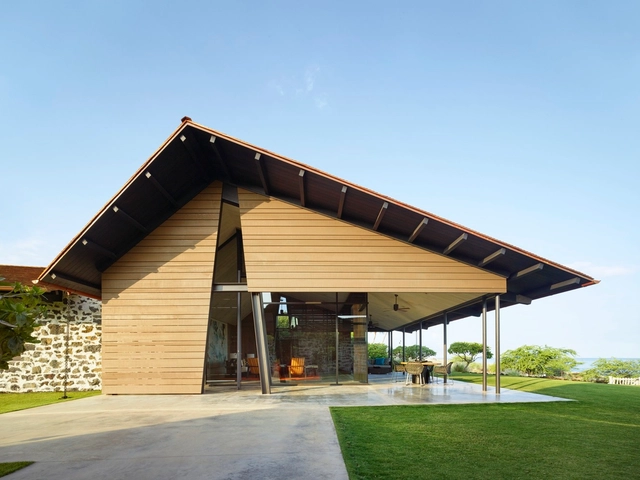
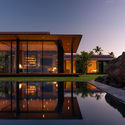
Hawaii has become a place that defines paradise. From pristine beaches and a warm climate to natural scenery and active volcanoes, the islands are home to incredible landscapes and culture. With indigenous and modern building styles, the state’s architecture is intimately tied to the environment. Reinterpreting historic building techniques and traditions, contemporary Hawaiian architecture balances a desire to honor the past while celebrating new experiences and modern culture. This has led to the formation of incredible spaces to live and dwell.
The Italian Pavilion for the 17th Venice Architecture Biennale explores the capabilities for transformation and adaptation of Italian communities in an attempt to define tangible solutions to current global challenges. Titled "Resilient Communities", the exhibition curated by Alessandro Melis presents Italian research and innovation across many fields, exploring ideas for improving the conditions of the built environment and addressing climate change, with the hope of defining the building blocks for a sustainable future.
Courtesy of Harvard University Graduate School of Design, Studio Barnes
Germane Barnes has won the 2021 Wheelwright Prize from Harvard University Graduate School of Design. The $100,000 prize will fund two years of travel and research for Barnes’s proposal Anatomical Transformations in Classical Architecture, an examination of classical Roman and Italian architecture through the lens of non-white constructors. Barnes will study how spaces have been transformed through the material contributions of the African Diaspora while creating new possibilities within investigations of Blackness.
The Hungarian Pavilion at the 17th Venice Biennale explores the often challenging socialist architecture and looks at how this heritage could be reconsidered and given a new future. Titled Othernity – Reconditioning our Modern Heritage, the exhibition curated by Dániel Kovács presents twelve iconic modern buildings of Budapest and the visions of twelve architecture practices from Central and Eastern Europe for their reconditioning. The Hungarian Pavilion's project looks into how architecture can build on its past to foster resilience, sustainability and strong cultural identities.
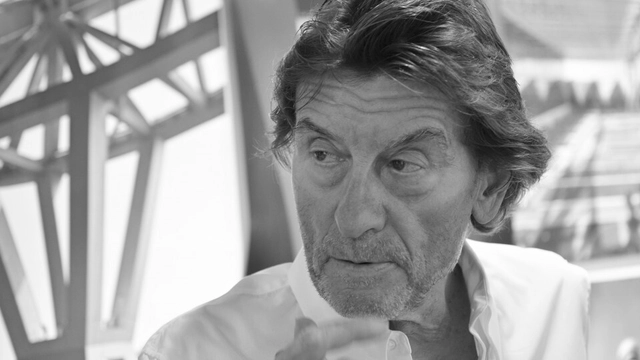
Chicago’s most prolific architect, Helmut Jahn has passed away on Saturday afternoon in a cycling accident. He was struck by two vehicles while riding his bicycle in Campton Hills, in the Chicago suburbs. The German-American designer is best known for his postmodern Thompson Center, currently under threat of demolition and United Airlines Terminal 1 at Chicago’s O’Hare International Airport.
In the last decades, architecture has embraced the medium of film to explore new readings of spaces and atmospheres. Crafting a visual narrative of the underlying design concepts while also establishing a connection with the viewer, architecture films use cinematic camera movements and carefully curated sound designs to convey emotion and create a compelling impression of the built object. The article looks into architecture films as a means of capturing the experience of a space, with films by 9sekunden, a team of young designers who combine their passions for film and architecture into an alternative means of exploring architectural atmospheres.
America’s central business districts suffered greatly during the COVID-19 pandemic through job losses and business closings, but they also have a good chance to recover if stakeholders can capitalize on trends that will shape the way people live and work in a post-pandemic economy. That’s the view of the author and urbanist Richard Florida, a professor at the University of Toronto and author of The Rise of the Creative Classand The New Urban Crisis.
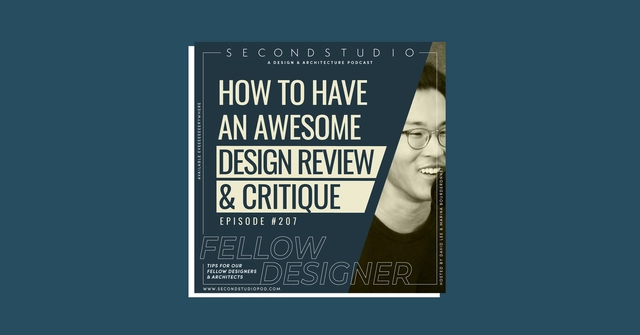
The Second Studio (formerly The Midnight Charette) is an explicit podcast about design, architecture, and the everyday. Hosted by Architects David Lee and Marina Bourderonnet, it features different creative professionals in unscripted conversations that allow for thoughtful takes and personal discussions.
A variety of subjects are covered with honesty and humor: some episodes are interviews, while others are tips for fellow designers, reviews of buildings and other projects, or casual explorations of everyday life and design. The Second Studio is also available on iTunes, Spotify, and YouTube.
This episode is also available on iTunes, YouTube, and Spotify. This week David and Marina discuss the best strategies for getting the most from a design review. The two cover when not to listen to critics, the two essential parts to any critique, why design reviews are often a complete mess, crying at reviews, controlling a review, bad feedback, how to structure a productive review, and much more. Enjoy!
https://www.archdaily.com/961338/the-second-studio-podcast-tips-for-having-a-great-design-review-and-critiqueThe Second Studio Podcast
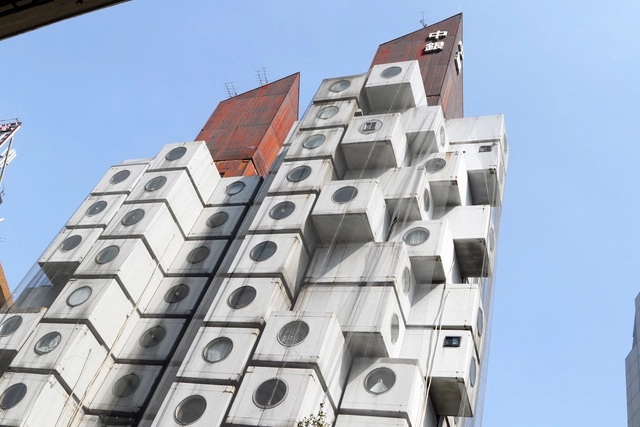
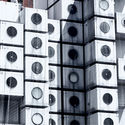
One of the most iconic examples of Metabolist architecture, Kisho Kurokawa'sNakagin Capsule Tower, might be headed for demolition, as the building was sold by the management association to the landowner earlier this year, as reported by Japan Forward. The tower's demise has been intensely speculated in recent years due to the structure's precarious state and incompatibility with current seismic standards.
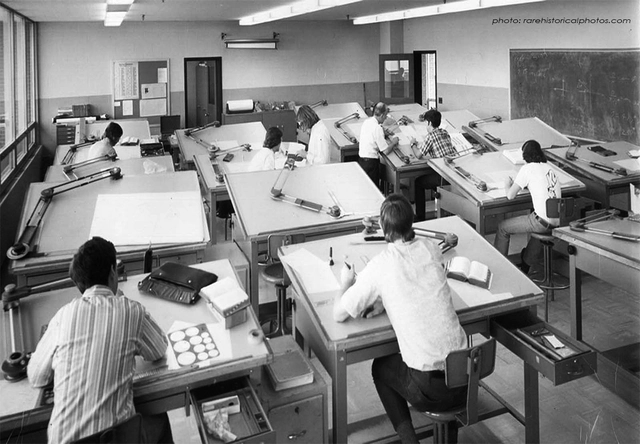
The role of an architect has not always been what it is today. Historically, and almost since its inception, it was viewed as a “one-man show”, where the architect was the artist, the sculptor, and the visionary of a structure. As the practice has continued to evolve, it has become a much more collaborative, and much less individualistic profession in nature, continuously understanding the importance of considering outside perspectives- even those not traditionally trained in design.
Titled "Architecture as Measure", the Turkish pavilion at the 17th International Architecture Exhibition – La Biennale di Venezia, seeks to explore what and how architecture can contribute to the environment in the light of the current climate crisis, beyond technological dependence. Curated by Neyran Turan, the pavilion will be on display at the country's long-term venue, the Sale d’Armi, Arsenale from May 22nd to November 21st, 2021.
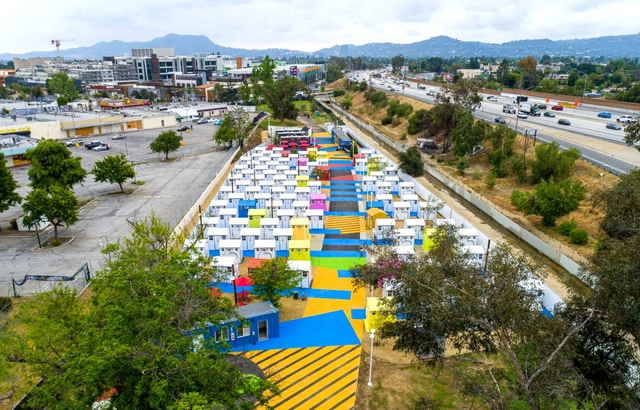
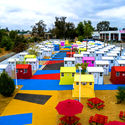
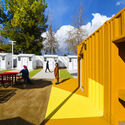
Alexandria Park Tiny Home Village. Image Courtesy of Lehrer Architects
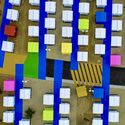
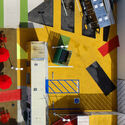
Lehrer Architects converts several leftover plots in Los Angeles into micro-homes developments, unfolding an experimental template for tackling homelessness. Together with the Bureau of Engineering for the City of Los Angeles, the architecture firm creates an efficient yet functional design using prefabricated pallet shelters and brings character to the project through vibrant colours to shape a new sense of community and restore dignity through design.
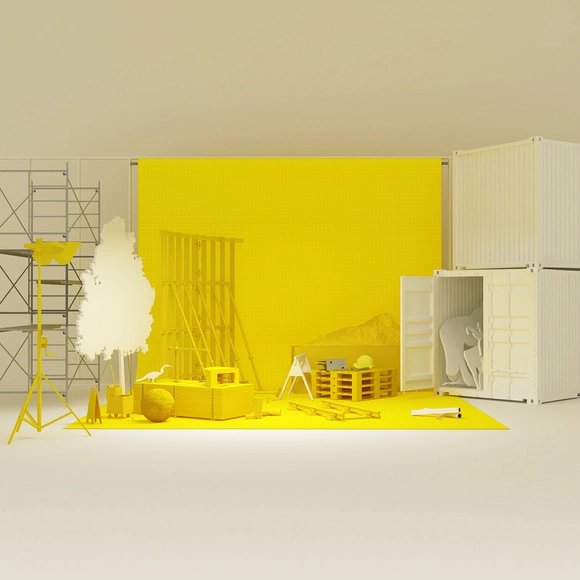
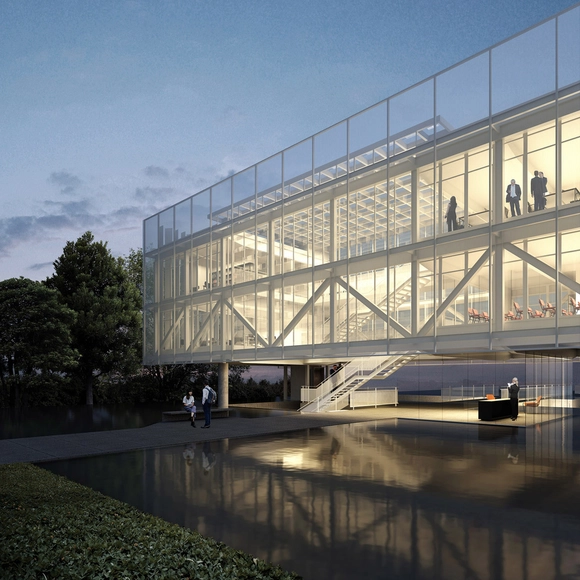
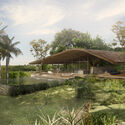
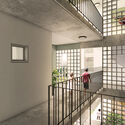
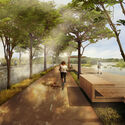
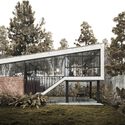
Rendering has become indispensable to most architectural offices. To understand how these images can assist during the design process, how they have evolved, and especially, what aspects should be considered to create an outstanding visualization of a project, we talked to Guilherme Bravin and Marcus Vinicius Damon, co-founders of Estúdio Módulo, and coordinators of {CURA}, an open architecture school focused mainly on architectural visualization.