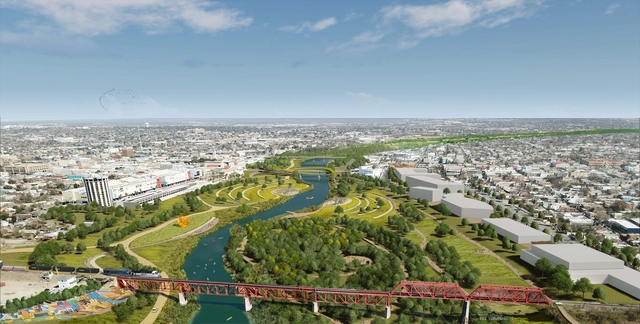
As part of a strategy developed in late 2021 by Ken Salazar (US Ambassador to Mexico), Deanna Kim (US Consul General in Nuevo Laredo), and Esteban Moctezuma (Mexico Ambassador) in collaboration with leaders politicians, and businessmen from the southern region of Texas and the Mexican state of Tamaulipas, Overland Partners has been announced in conjunction with Able City as the creators of the new 6.3-mile "Binational River Park" that will extend along the Rio Grande - Rio Grande between Laredo, Texas and Nuevo Laredo, Mexico. This new space aims to restore and revitalize the ecosystem as well as attract tourism and celebrate the multiculturalism that takes place in this border territory.
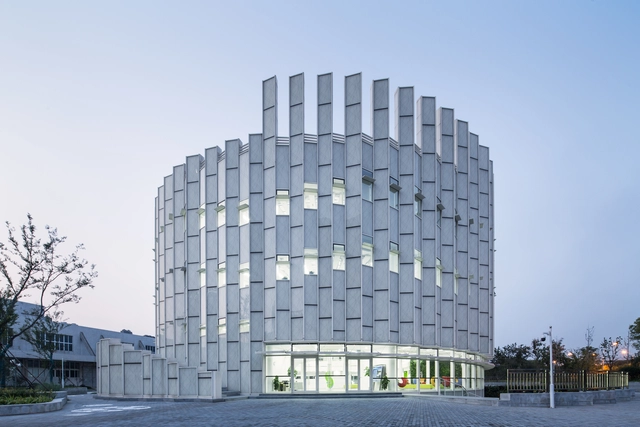
Nanjing Green Light House. Image Courtesy of Archiland International
Climate change mitigation has become a priority issue, with the architectural industry accounting for 38% of global energy-related CO2 emissions. In December 2015, the Paris Agreement proposed to limit global warming to less than 2 ℃ above pre-industrial levels and strive for no more than 1.5 ℃. The architectural industry must achieve net zero carbon emissions by 2050 in order to meet the Paris Agreement's goal.
China proposed at the 75th Session of the United Nations General Assembly on September 22, 2020, that "China will work to peak carbon dioxide emissions before 2030 and achieve carbon neutrality by 2060." It has defined its carbon neutrality goal and execution approach in order to solve global climate and environmental concerns effectively.
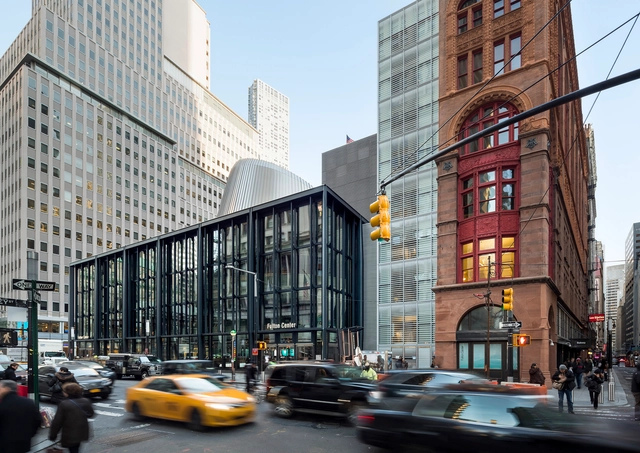
In the early 1980s, when I first saw the film The Social Life of Small Urban Spaces and then read the book, both by William H. Whyte, I was enthralled. I had met Holly, as he was affectionately known, while I was still a reporter at the New York Post in the 1970s, and we had great discussions about New York City, what planners got wrong, what developers didn’t care about. By the 1980s I was at work on my first book, The Living City: Thinking Small in a Big Way, and having conversations with Jane Jacobs, who would become my good friend and mentor. Jacobs had validated the small, bottom-up community efforts around New York City that I was observing and that would be the too-often-unacknowledged sparks to jumpstart the slow, steady rebirth of the city. My observations were resoundingly dismissed—even laughed at—by professional planners and urban designers, but they were cheered and encouraged by both Whyte and Jacobs, and today they are mainstream.
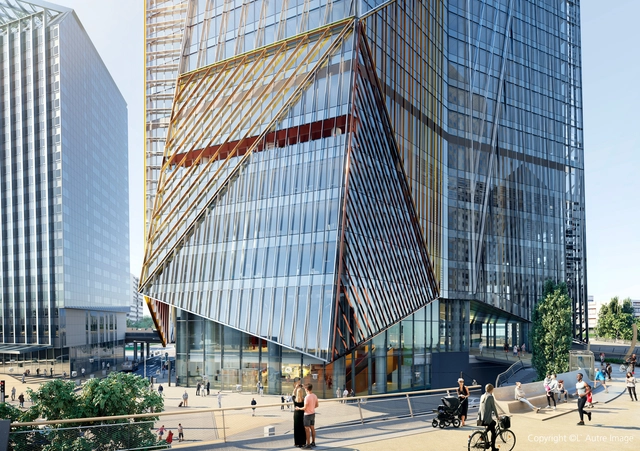
Overtaking the Tour Firstskyscraper, the 48-story, 220-meter HEKLA Tower will be the tallest building in Paris’s La Défense business district, as well as the second tallest building in all of France. Currently under construction and designed by Pritzker prize-winning Jean Nouvel, it is set to become a powerful architectural statement. Due to complete this 2022 in the midst of the sector’s redevelopment program, the futuristic skyscraper spreads over 76,000 sqm of floor area distributed in offices, services, lobbies, an amphitheater, projection rooms, performance halls, restaurants, bars, gyms and loggias. All of this with the aim of providing a unique user experience with vast, flexible workspaces that promote interaction and well-being.
The climate crisis has reshaped contemporary architecture. Sustainability has become a central guiding force in design, and in turn, architects are rethinking how to build today. For CO Adaptive Architecture, addressing the climate crisis begins with a process oriented practice. Together, Ruth Mandl and Bobby Johnston have created a firm that embodies how a values-based approach can tackle the most pressing issues of our time. The result is elegant and impactful architecture brought to life with poise and finesse.
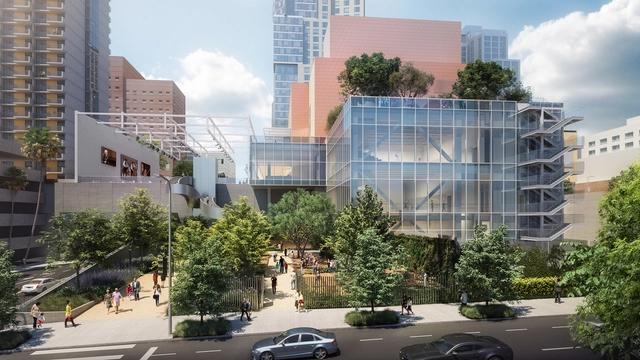
Rendering of the Colburn Center at the Colburn School. View from Hill Street West towards dance school entrance, adjacent park, and stairs leading up to Olive Street and public plaza.. Image Courtesy of Gehry Partners
The Colburn School, Los Angeles' renowned school for music and dance, has unveiled architectural designs by Frank Gehry for the Colburn Center, a 100,000 square-foot campus expansion that aims to inspire and promote the region’s young performing artists and organizations. The center will serve as a cultural and civic hub in the heart of Downtown LA through public programs, as well as performance and educational collaborations with local and touring artists.
UNStudio revealed a mixed-use high-rise building design in Dusseldorf integrated within the new Belsenpark masterplan. The tower, designed in collaboration with OKRA Landscape Architects, results from an international architecture competition held by private developer Pandion and features a diverse ground floor programme tied together by a pocket park. The project integrates prefabrication and modular design, thus reducing the building's environmental impact.
A carbon neutral building is achieved when the amount of CO2 emissions is balanced by climate-positive initiatives so that the net carbon footprint over time is zero. Considering their unmatched ability to absorb CO2, planting trees is often viewed as the best carbon offsetting solution. But as cities become denser and the amount of available horizontal space for green areas drastically reduces, architects have been forced to explore other approaches. Therefore, to address these climatic challenges and connect people to nature, exterior green walls have become a rising trend in increasingly vertical cities. Even if there is research to claim that these can positively impact the environment, many question if they can actually contribute to a carbon neutral architecture. Although the answer may be quite complex, there seems to be a consensus: green walls can be effective, but only through good design.
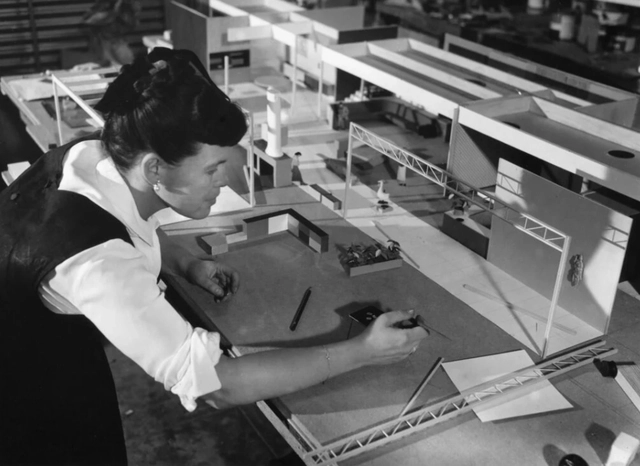
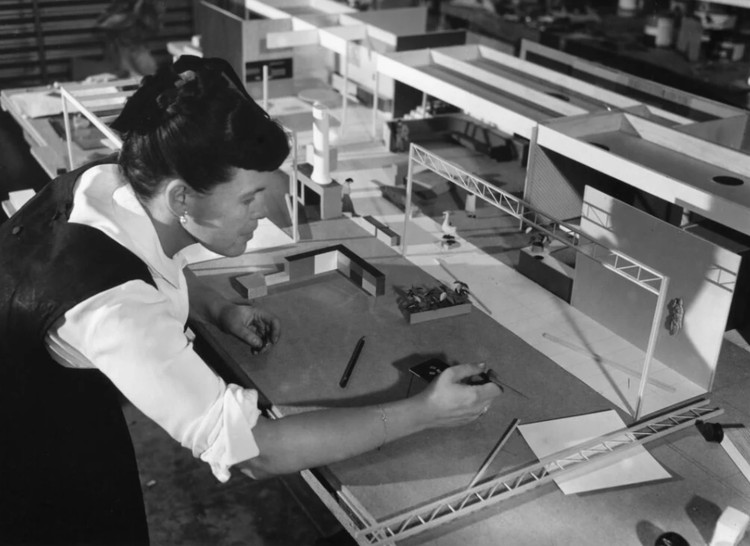
Ray working on a model for the Billy and Audrey Wilder House in 1950 (unbuilt).. Image Courtesy of Eames Office
On the heels of the Eames Office’s 80th anniversary marked by an exhibition and a Ray-inspired sneaker, director Eames Demetrios spoke to Metropolis about the matriarch who continues to inspire design.
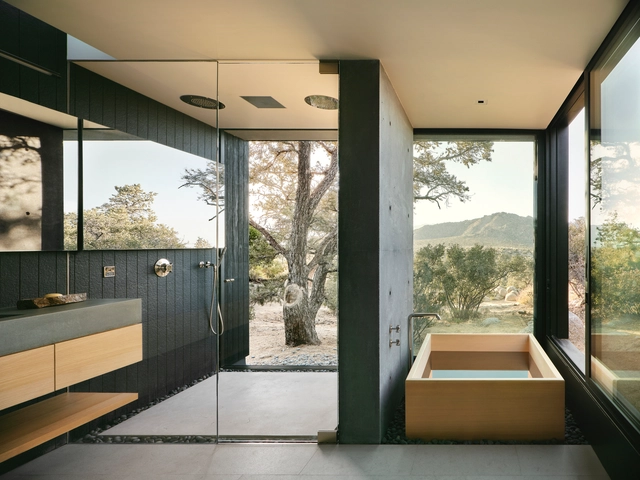
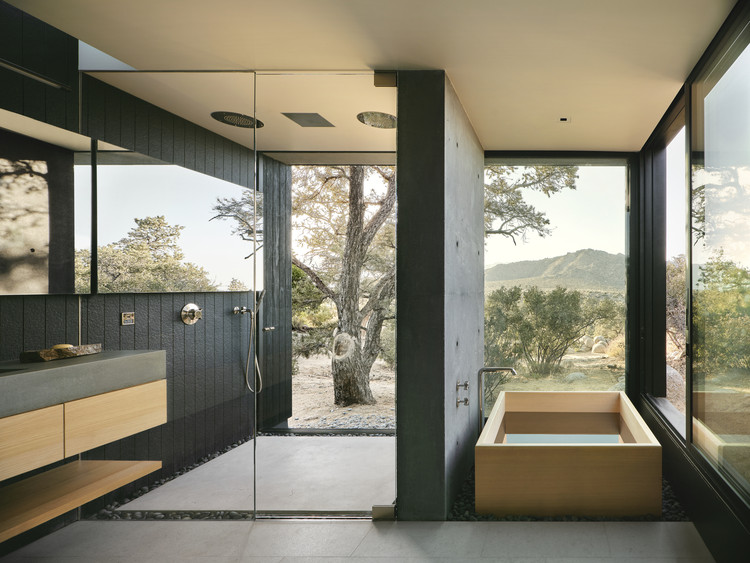
Despite being the smallest rooms of houses, bathrooms have always been one of the most challenging and critical to design, which often left them fairly simplified. The past few years, however, saw these spaces undergo significant change; what was once only limited to functionality, ease of maintenance, and privacy, is now being given a strong character with pops of color, classic fixtures, and patterned surfaces. Similarly for public bathrooms, where "functionality" and "ease of maintenance" are now complimented with aesthetics, technology, and high quality finishing. In this interior focus, we explore the three main bathroom typologies used in residential projects, and look at how architects have employed them through 12 examples.
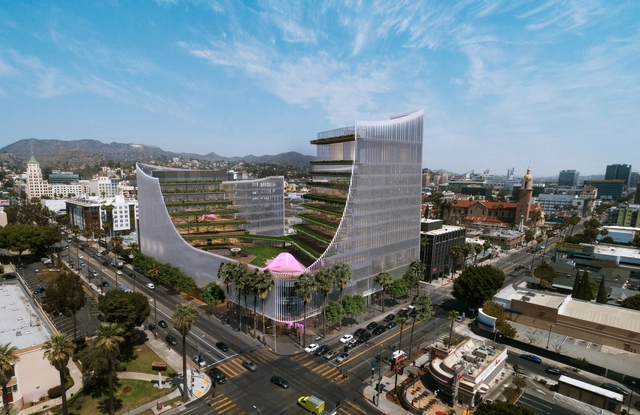
Architecture firm HKS and landscape designer Hood Design Studio have been selected by global entertainment and media company CMNTY Culture to design a new creative campus in the heart of Hollywood. Dubbed CMNTY Culture Campus, the project will feature production spaces, offices, performance venues, bringing together creative industries in a 500,000-square-foot development.
The upcoming exhibition in The Architect's Studio series hosted by the Louisiana Museum of Modern Art presents the work of Forensic Architecture, a multidisciplinary research group operating at the intersection of architecture and investigative journalism. Led by architect Eyal Weizman, the collective of architects, artists, software developers, journalists, lawyers, and animators investigates and documents human rights violations across a wide range of global conflicts.The practice constructs models and virtual spaces to share a new perspective on specific events.
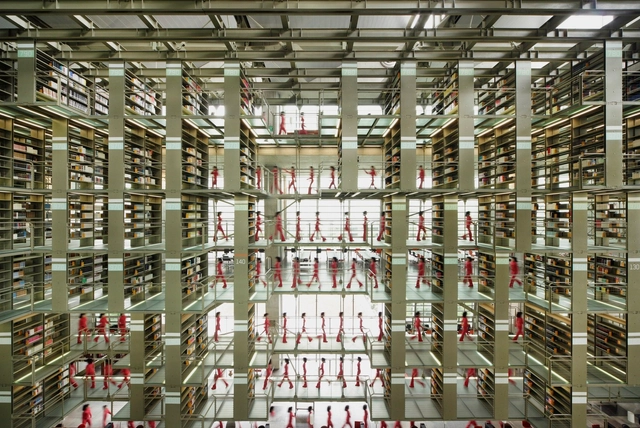
Biblioteca Jose Vasconcelos / Taller de Arquitectura X / Alberto Kalach. Image Cortesía de Taller de Arquitectura X / Alberto Kalach
Over the years, interior design has evolved according to the needs that arise, but above all according to the experiences we seek to provoke in the user. In the last two years, we witnessed a radical change and a particular interest in this subject because the pandemic forced us to pay specific attention to the configuration of the places we inhabit. This brought about much more holistic designs that cater to the wellbeing of the user, combining colours, sensory experiences, technology and natural elements that promote health.
For centuries and centuries we’ve built – and the diversity in our global built environment is a testament to that. The many different cultures around the globe have had different ways of building throughout history, adapting locally found materials to construct their structures. Today, in our globalized present, building materials are transported across the globe far from their origins, a situation that means two buildings on completely opposites sides of the world can be more or less identical.
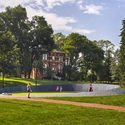
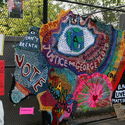
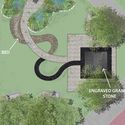
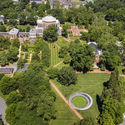
Tragedy, protest, insurrection, and political turmoil have led to a renewed awareness of racial injustice and democratic instability. These issues create new challenges for users and designers of public spaces in America. Cultural spasms have resulted in contested public spaces — sites of killings, protests in streets and parks, and forgotten burial grounds. These spaces need a new form of environmental justice.
Under the latest round of NYC's Department of Design and Construction (DDC) Project Excellence Program, Commissioner Thomas Foley has announced that the agency has selected 20 firms to provide architectural design services for New York City’s future public buildings project. 10 of the selected firms are certified Minority- and Women-Owned Business Enterprises (M/WBEs), meeting the city’s ambitious goals of supporting M/WBEs and increasing its ability to generate culturally competent designs.
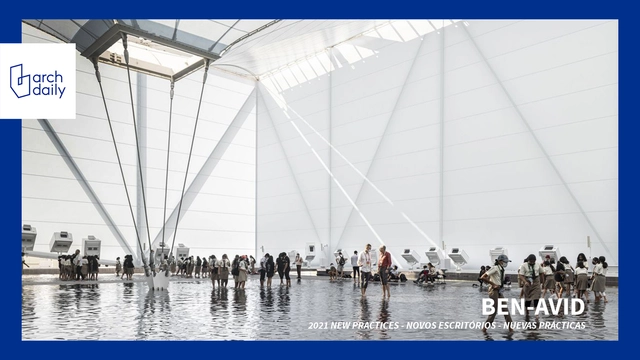
Martin Benavidez founded Ben-Avid in 2018, an architectural practice he runs from Córdoba, Argentina, where he develops national and international architectural projects of various scales and complexities.
His projects are commercial spaces, galleries and exhibition pavilions, urban and metropolitan transport infrastructure, among others. They are collaborative and tell stories. It is architecture that has a narrative. His Pavilion for Expo 2020 Dubai together with MMBB Arquitetos and JPG.ARQ is one of his most recent projects. Its protagonists are the waters of Brazil: its rivers and mangroves, a natural heritage that underlies the whole discourse on the sustainability of the planet.
Selected by ArchDaily as one of the Best New Practices of 2021, we conducted the following interview with Martin to tell us more in detail about all his inspirations, motivations, work processes and upcoming projects.