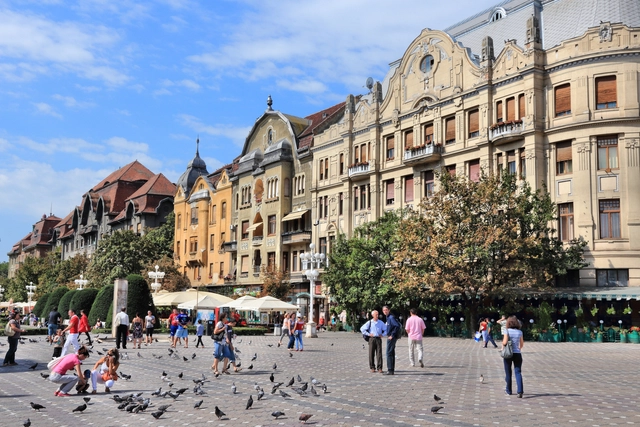
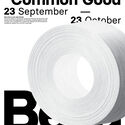
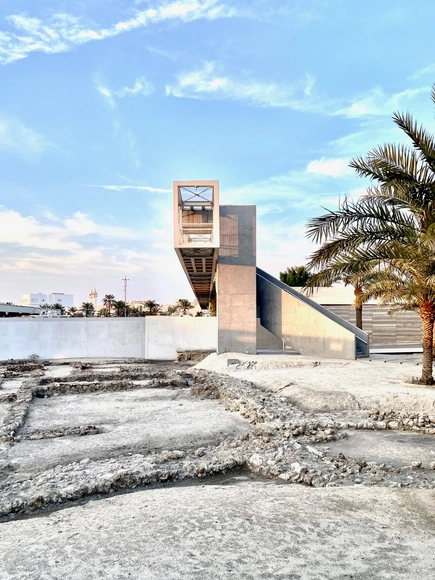
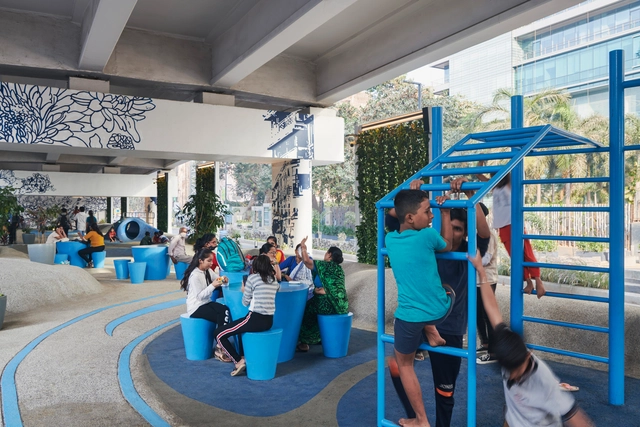
The fourth edition of the Timișoara Architecture Biennial, or Beta, is focusing on the theme of “the City as Common Good”. Through a wide range of events, Beta aims to address topics that are relevant and urgent globally and explore their impact on the local built environment and its response to the needs of the communities. Taking place at various locations in the city of Timișoara, Romania, this year’s festival begins on September 23rd and ends one month later, on October 23rd.
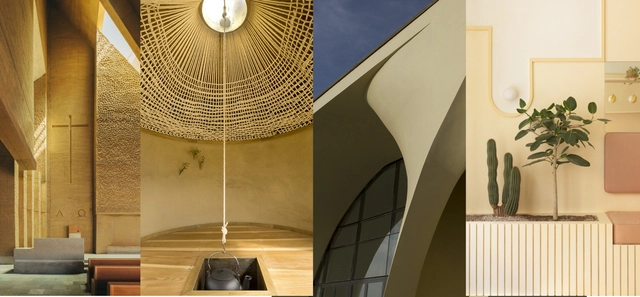
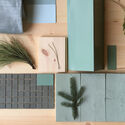
Inspired by the warm tones of harvested crops, Wild Wonder was selected as Color of the Year 2023 by AkzoNobel. Extensive research conducted by AkzoNobel, including color experts and international design professionals, identified the "Wonders of the Natural" swatch at the heart of global social and design. This trend is inspired by nature as people are re-evaluating their relationship with the environment as the source of everything in their lives. # d0c599, or pale yellow/ olive green, captures the moment's mood and conveys serenity and positivity after these recent years of uncertainty and despair.
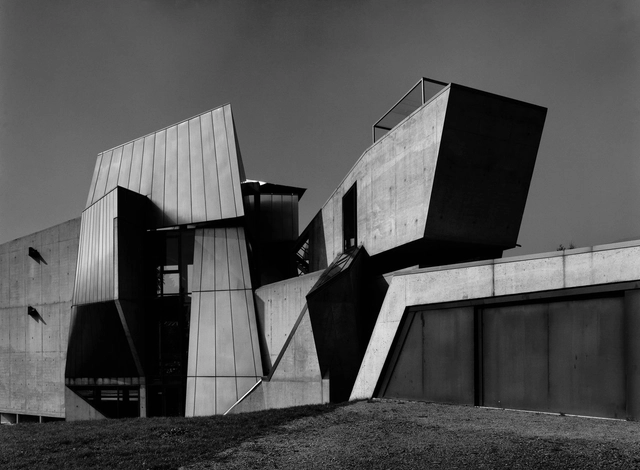
Günther Domineg’s Steinhaus . Image Courtesy of GERALD ZUGMANN
Domenig was one of Austria’s most radical architects and a major influence on many of architecture’s leading lights but remains widely unknown. A new exhibition aims to change that.
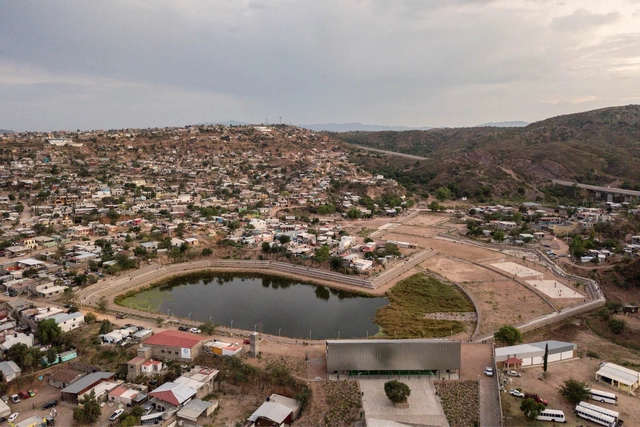
The Mies Crown Hall Americas Prize (MCHAP) has selected Containing the Flood: Colosio Embankment Dam by Loreta Castro Reguera and José Pablo Ambrosi of Taller Capital as the winners of the 2022 MCHAP.emerge award. Acknowledging the best-built work in the Americas authored by a practice in its first ten years of operation, the 2022 MCHAP Prize for Emerging Practice (MCHAP.emerge) considered built works completed in the Americas between January 2018 to December 2021. Past MCHAP.emerge Laureates include Pezo von Ellrichshausen (2014), PRODUCTORA (2016), and Rozana Montiel Estudio de Arquitectura (2018).
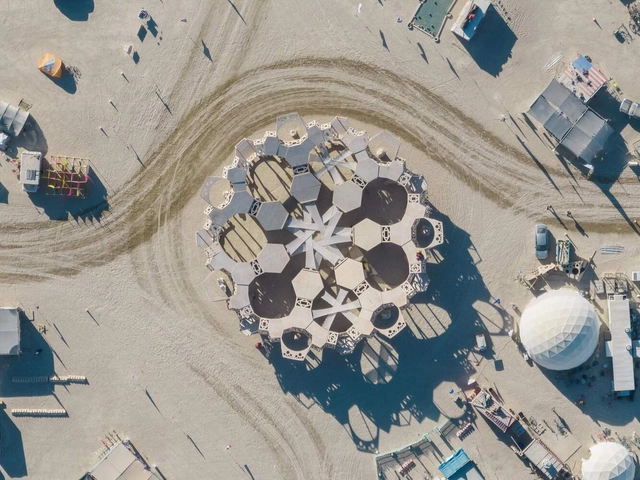
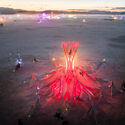
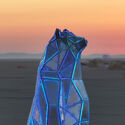
Nevada's annual Burning Man has retured to the Black Rock Desert, after a three-year physical attendance hiatus due to the pandemic. From August 28 until September 5th, this year's festival explored the theme of "Walking Dreams", celebrating the dreamers who channel the power of dreams and imagination, both in literal and figurative ways. Similar to every year, the pavilions that were installed in the desert explored the theme in creative and unexpected ways.
This year, many of the installations approached themes of ecology and sustainability. Some of the installations were built with reused materials, including an interactive light sculpture made from plastic recovered from the ocean. Every year, the Burning Manfestival issues a number of grants, funded from revenues from ticket sales, for the purpose of partially funding specific art projects.
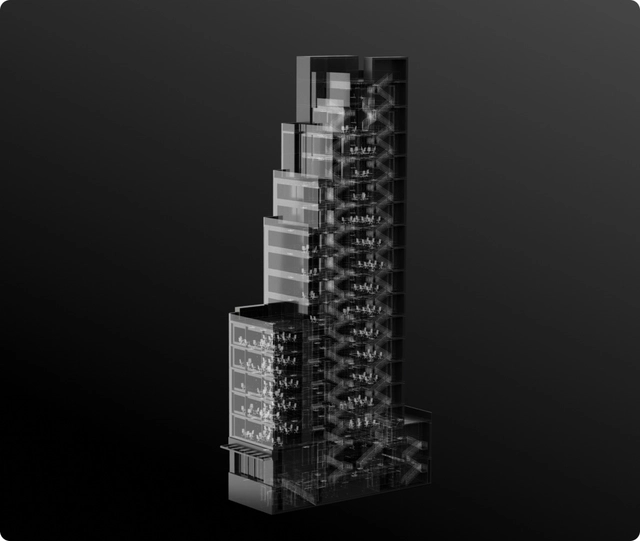
A developer in NYC purchased the first-ever non-fungible token (NFT) Office building in New York City. "Located" at 44 West 37th Street, the 4700 square meters NFT serves as an immutable digital asset that points to transforming how we design, build, operate, and monetize our spaces with only "one-click". The 16-story building was created by spatial intelligence company Integrated Projects and questions the function of architecture in Real Estate and the Metaverse.
Architecture is not simply building. Over 2,000 years ago, Roman architect Marcus Vitruvius Pollio defined two base realities in building: “Firmness” (Safety) and “Commodity” (Use) and then offered what turns building into architecture: “Delight” (Beauty).
“Firmness” has been recoined in this century as “Resilience”. After being unscathed in five hurricanes over thirty years, does this building have “Delight” beyond its “Firmness”? The property of “Commodity” is found in any design’s usefulness and fit: is this archive, in constant use, have “Delight” beyond its “Commodity”?
The Chicago Architecture Biennial (CAB) has announced the art collective Floating Museum as the leading artistic team of CAB’s fifth edition, opening in September 2023. For this edition, titled “This is a Rehearsal”, the Biennial explores environmental, political, and economic issues present in today’s society, yet addressed differently around the world through art, architecture, infrastructure, and civic participation. The Floating Museum, a collective of artists, designers, poets, and educators, aims to push the CAB 5 exhibition and program model to prioritize presenting innovative ideas that could shape the future of architecture and design.
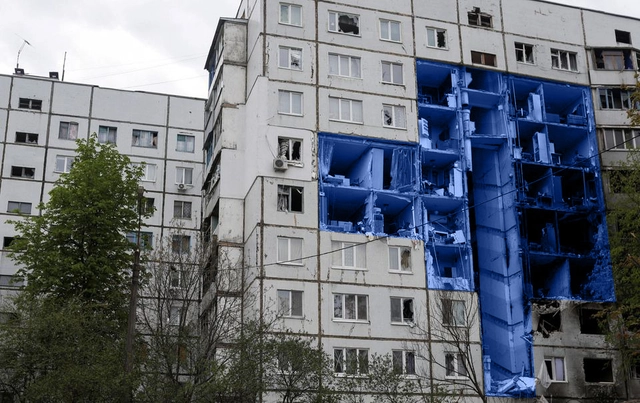
Today’s cities have been substantially reshaped to correspond with environmental and social needs or to reconstruct themselves after natural disasters or war. Whereas master plans and regulations take years, millions of people remain trapped in the crossfire and urgently need aid in their cities. With this pressing issue in mind, WZMH Architects developed a prefabricated- modular system for salvaging thousands of structures across Ukraine that have been partially or fully destroyed during the war. This system aims to integrate building technology into new buildings to create more sustainable communities.
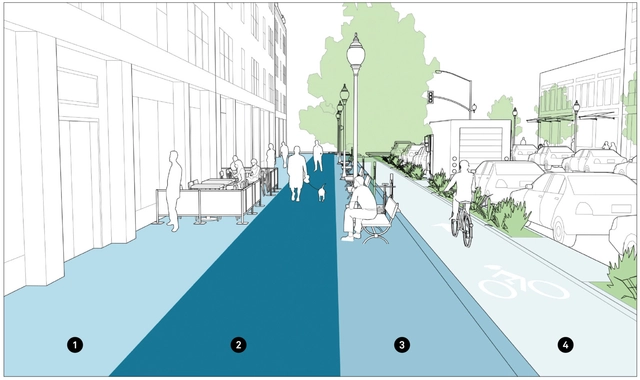
Future planning methods for sidewalks and public transit space. Image via Global Designing Cities Initiative
Whether you live in an urban, suburban, or rural area, there’s a good chance that using a sidewalk, in some capacity, is part of your everyday routine. Whether crossing over a sidewalk to get to your car in a parking lot or walking several blocks on your commute to your office downtown, sidewalks are critical for creating safe places for pedestrians away from the streets. But what happens when cities don’t take ownership over sidewalk maintenance, and they’re left to be protected by the people who just use them?
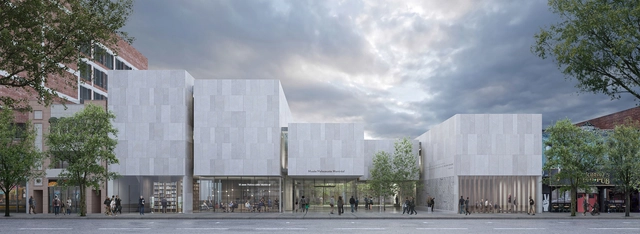
Exterior perspective from Saint-Laurent Boulevard. Image Courtesy of KPMB Architects + Daoust Lestage Lizotte Stecker Architecture
Following an international competition, the Montreal Holocaust Museum (MHM) has selected architecture offices KPMB Architects and Daoust Lestage Lizotte Stecker Architecture to design the new downtown museum building. Located on Blvd. St-Laurent, the museum is scheduled for opening in 2025. The MHM chose to move from its current location in response to the growing demand for its educational programs, which tackle important subjects such as the Holocaust, genocide, and human rights. The new building will contain multiple exhibition spaces, classrooms, an auditorium, a memorial garden, and a dedicated survivor testimony room.
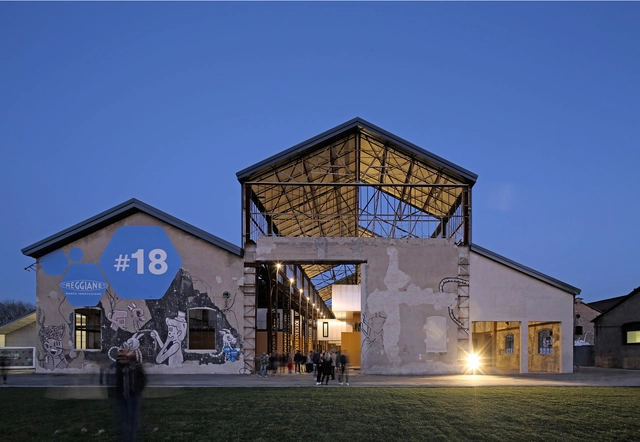
Winner project: Riqualificazione architettonica e funzionale del Capannone 18 nell’area Ex “Officine Reggiane”. Image Courtesy of Dedalo Minosse
The International Award for the Commission of Architecture “Dedalo Minosse” promoted the Italian association for professional Architects returns after three years on hold, to tribute worldwide architects. Firms like ODDO architects, Ryuichi Ashizawa, and The Kresge Foundation - Detroit are some of the winners for their promotion and contribution to the discipline. The Anniversary is also de 12th edition of the Dedalo Prize, which will be held From September 16 to October 2, 2022, in Vicenza, Italy. The event will host forums and workshops about and around the city, opening with the spectacular award ceremony at the iconic Teatro Olimpico, and continuing with a Multimedia exhibition at the Basilica Palladiana.
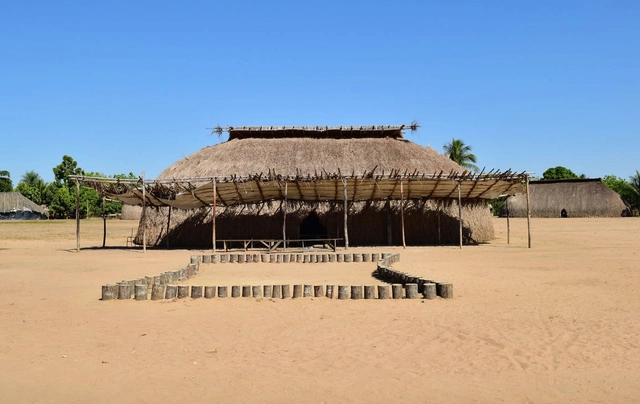
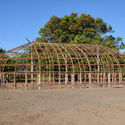
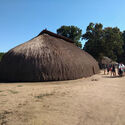
“We should admit nature as an immense multitude of forms, including each part of us, who are part of everything”, says Ailton Krenak, renowned indigenous leader, in his book Ideas to Postpone the End of the World. The culture of native peoples does not understand humanity and the environment as things that are separate or superior to each other, but rather as parts of a whole. Through this particular understanding of the universe, these peoples are led to a sensitive appropriation of the territory, with structuring beliefs that are also reflected in their architecture, raising the very concept of sustainability to another level, since nature is not seen as a resource to be used, it is thought of as part of the community.
Have you ever thought that practically all the cities in the world, since the dawn of humanity, were and continue to be created and designed by men? From urban design to building projects, from public transport to chairs – women have not been part of the process of creating everything around us.
As a response to global challenges such as climate change, discrimination, and physical vulnerability, designers and engineers from across the world have developed innovative construction materials that put the human wellbeing first in urban, architecture, and interior projects.
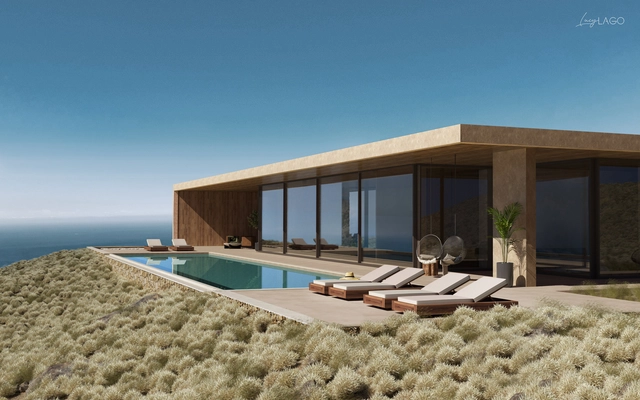
Villa Domy by LUCY LAGO's studio. Image Courtesy of LUCY LAGO's studio
This week’s curated selection of Best Unbuilt Architecture highlights private villas submitted by the ArchDaily community. From a Mediterranean retreat in Greece to a one-person residence in Iran, this round up of unbuilt projects showcases how architects design private villas that combine contextuality and functionality in structures that promote comfort, privacy, and connection to nature. The article includes projects from Indonesia, Greece, Iran, and Jordan.
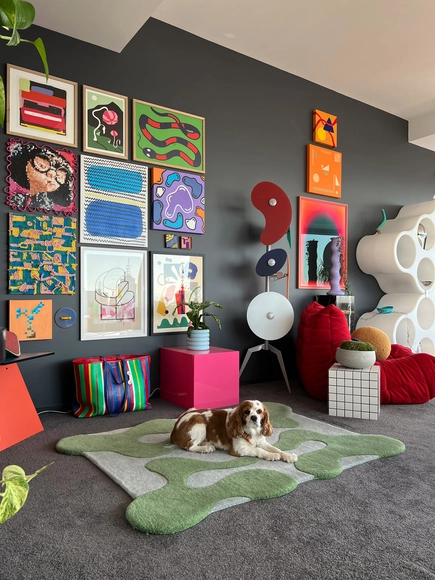
Josh and Matt's apartment embodies their "curated maximalism" style. Image Courtesy of Josh and Matt Design
With the onset of the 2020s, Gen Z is noticeably claiming their place in the world with bold perspectives and even bolder aesthetics. Gen Z proudly experiments with their identities, having grown up on an opinionated internet and through confusing lockdowns. They're bringing in a culture shift with organic shapes, colorful elements, and clashing patterns dominating art, media, fashion, and interior design. The trend is pushing away once-reigning minimalism, shouting Venturi's Less is a Bore.