The Pan American Biennial of Architecture of Quito (BAQ2022) ended on November 18th. Organized by the Pichincha Provincial College of Architects of Ecuador (CAE-P), it has been held since 1978 with the aim of promoting dialogue, exchange, and reflection on architecture and the contemporary city. During this edition, the intention was to address the theme "Inflections: Seeing again", with the aim of providing a space for discussion and debate on architecture around the moments of inflection in history.
On the closing day, the winning projects for both the National Award and the Pan American Award were announced from among the nearly 60 selected finalists. At the same time, the winners of the Social Habitat and Sustainability Award were announced from among 8 selected finalists, as well as the two works that jointly won the Biennial Grand Prize. See all the winners below.
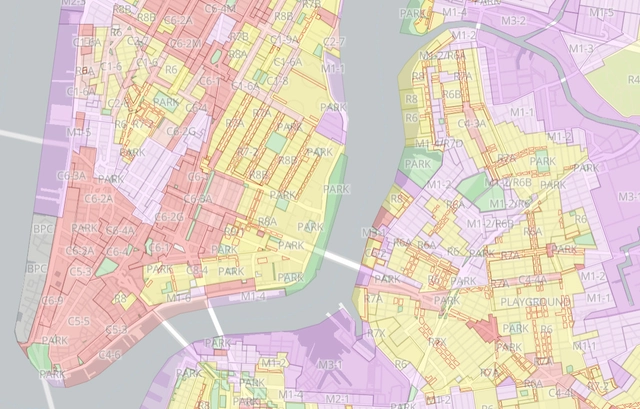
Land use and zoning laws have been a trending topic in recent years, gaining significant public attention across the United States. People are beginning to rethink the ways that our cities have been planned, seeking ways to improve their quality of life- and it often stems from codes and policies that dictate what can be built and where. Zoning that is too restrictive often makes it difficult for developers to build necessary projects such as multi-family housing. But when zoning is too loose, it creates neighborhoods that aren’t walkable and don’t have a strong sense of community.
Architecture has been criticized for being a primary elitist indulgence. Most architectural projects are funded by the wealthy and seen as a means of bringing beauty into the surrounding environment. Architecture, however, is a double-sided coin with functionality balancing out aesthetics. With the ability to strategize radical solutions, architects equally find themselves at the forefront of solving complex issues. The context of Southeast Asia offers a demanding challenge with various social problems, giving architects a chance to save the world with humanitarian design.
Once again in its eighth edition, the Prix Versailles 2022 awards have honored the best achievements in contemporary architecture. A total of 24 projects from different parts of the world have been highlighted paying tribute to innovation, creativity, the reflection of local heritage, eco-efficiency, and the values of social interaction and participation upheld by the United Nations and aligned with the principles of intelligent sustainability considering the ecological, social and cultural impacts that surround the projects.
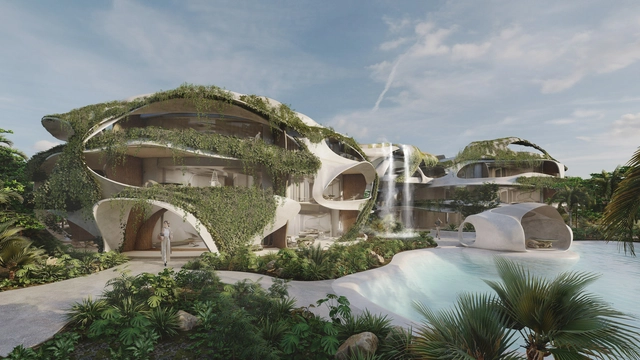
The world-renowned brand, AZULIK announces the new project in Tulum, Quintana Roo which confirms its creative expansion and the growth of architectural scope: "Habitable Sculptures" its first residential complex that they describe as "a new proposal for lifestyle and sustainable luxury." The residential initiative was born from the firm Roth Architecture, continuing with the characteristic aesthetic that "puts nature as the protagonist and the user as a priority."
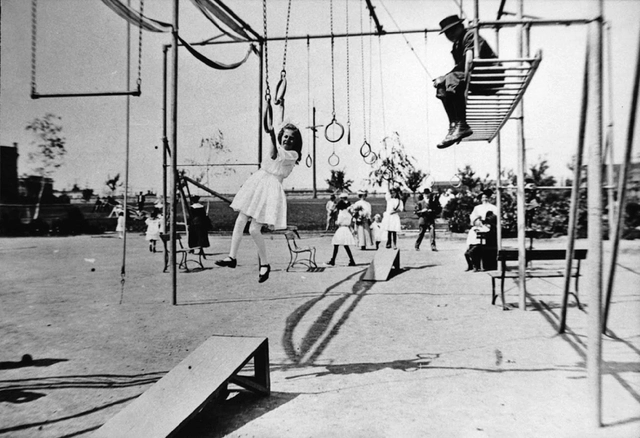
Playgrounds are spaces with equipment dedicated to children's leisure, where they can develop motor and social skills. However, these spaces are new to our cultures and cities and emerge from the recognition of childhood as a fundamental stage of human development.
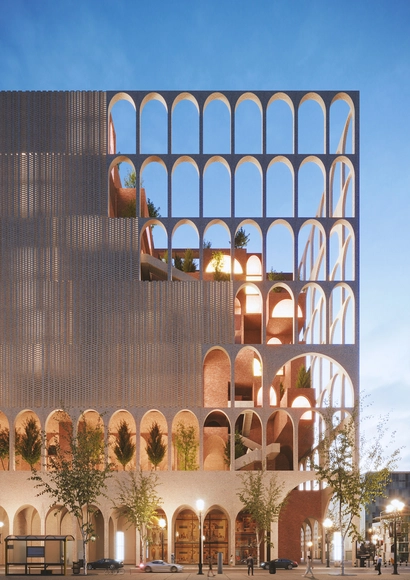
Tagh Behesht Business Center in Tehran, Iran. Image Courtesy of Rvad Architecture and Design Studio
This week's curated selection of Best Unbuilt Architecture highlights office spaces submitted by the ArchDaily community. From a TV station in Vietnam to a bazaar-inspired business center in Iran, this round-up of unbuilt projects showcases how architects structure corporative spaces to serve as a model for sustainable, innovative, and future-oriented workplaces.
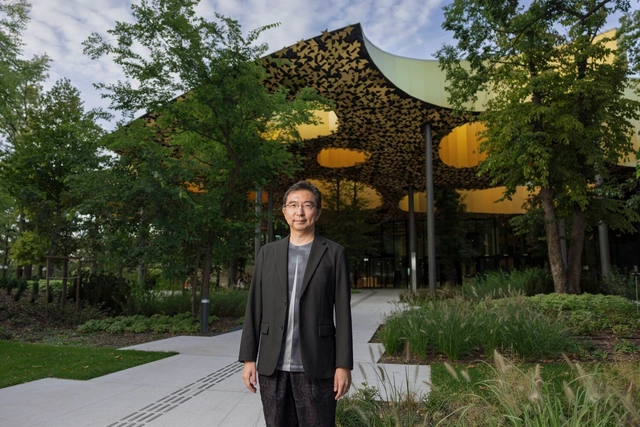
The House of Music Hungary is one of the biggest cultural investments in the European Union. Designed by Sou Fujimoto Architects, it is becoming a hub for city dwellers and worldwide visitors wishing to attend concerts, visit the exhibition or record music in the building's open studios.
ArchDaily editors first got in touch with the Liget Budapest Project in the summer of 2021 and were treated to an impressive site visit at the House of Music Hungary. We were among a few select invitees that caught a glimpse of the finishing phases at one of the city's major projects located in its 200-year-old park. Developers and contractors were racing to catch up on the time they’d missed due to the pandemic – a challenge they certainly fulfilled, with the project completed in less than six years and being opened to the public in December 2021.
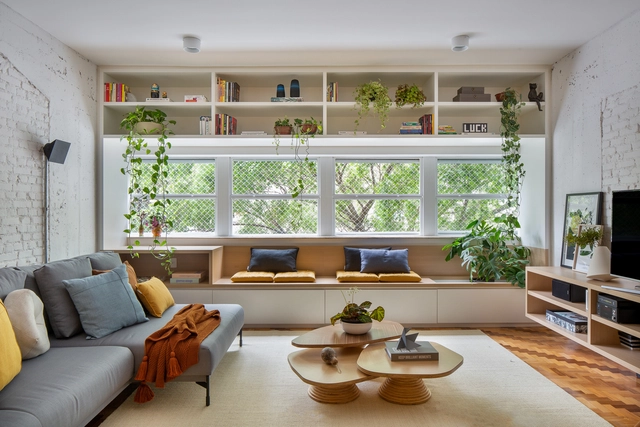
Usually, a window is an exterior opening that provides lighting and ventilation to the interior of a building. This connection with the context, added to appropriate lighting, makes it fundamental in the house. It is possible to improve your design so that it has different uses. Therefore, we have compiled some tips on how to take advantage of the sill to assign new functions to a room.
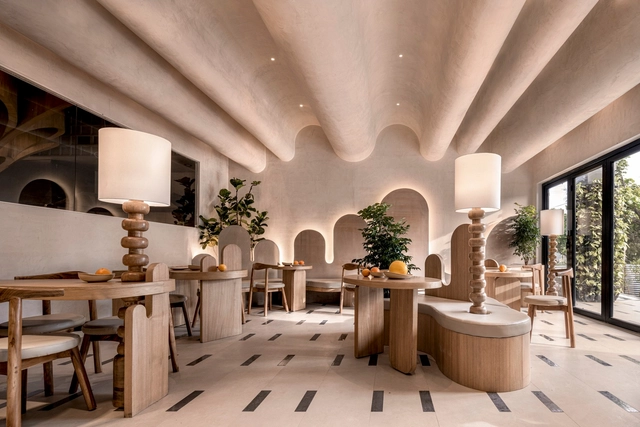
Interior design has progressively become a subject of interest among architects and designers. Having spent more time indoors recently, practitioners have been experimenting with their spaces and exploring different approaches to scale, comfort, and aesthetics. Much like everything else, design is highly influenced by external factors; any change to people's lifestyle influences how they respond to it, whether consciously or subconsciously. And while this dynamic is often seen in fashion or graphic design, it has been noticeable in interior design as well. Following years of linear, clean-cut, and refined spaces, curved silhouettes were revived, becoming one of the dominating interior design trends across the world.
What are the stories of the first Ibero-American women architects? This is the main question we seek to answer in celebration of ArchDaily's theme: Women in Architecture.
Seeking to put their motivations, inspirations, and trajectories on the table, we carried out a research project to make visible and highlight some names that have not had their deserved recognition. Meet Doris Clark Núñez, Guadalupe Ibarra, Matilde Ucelay Maórtua, Filandia Pizzul, Dora Riedel, Luz Amorocho, María Luisa Dehesa, Arinda da Cruz Sobral, and Julia Guarino, below.
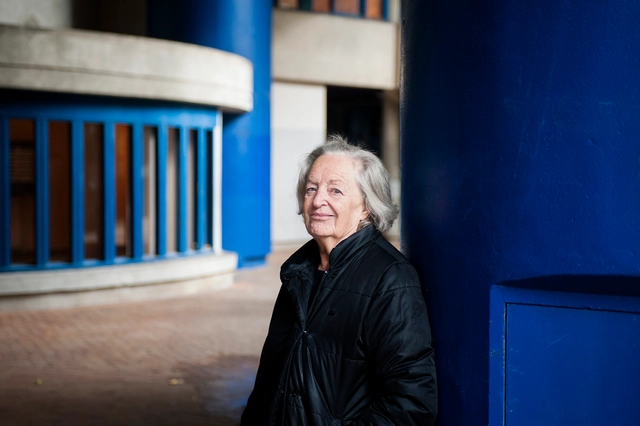
Renée Gailhoustet, French architect, pioneer of social housing, and winner of the 2022 Royal Academy Architecture Prize, has passed away aged 93. As announced by the Royal Academy, she passed away in her home in Le Liégat, Ivry-sur-Seine, one of her best-known projects, which was completed in 1982. Throughout her career, stretching back to the 1960s, Renée Gailhoustet was a strong advocate for social housing, exemplifying through her work a vision of generous housing in harmony with their urban environments.
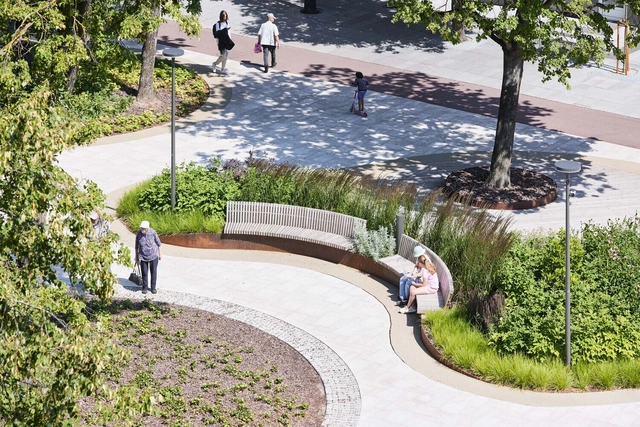
Urban public spaces can transform the life of neighborhoods and cities and, therefore, need to be open to the social, cultural and technological changes that occur in society. From urban vegetable gardens to pet spaces, from rain gardens to art pavilions, life in today's cities has created new demands and ways of using and appropriating public spaces.
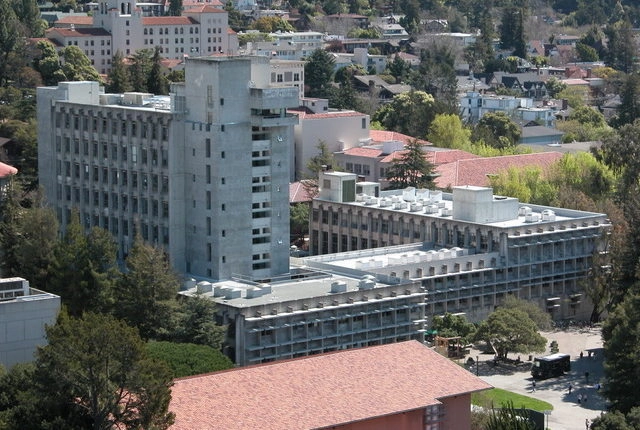
It’s finally time to write this down. For years—in meetings, on-campus tours, and informal conversations—I have talked about the University of California Berkeley’s Wurster Hall, now Bauer Wurster Hall, encouraging people to see and appreciate the significance, and beauty, of this building. It hasn’t been an easy case to make.
Bauer Wurster Hall is the home of the school’s College of Environmental Design (CED). Originally, it housed the departments of architecture, landscape architecture, planning, and design. The building was purpose-designed and built for the CED, a new college founded in 1959 that brought these departments together for the first time. William Wurster, for whom the building was originally named, was the college’s founding dean and the building’s visionary client.
https://www.archdaily.com/994658/theres-more-than-one-way-to-define-contextEmily B. Marthinsen
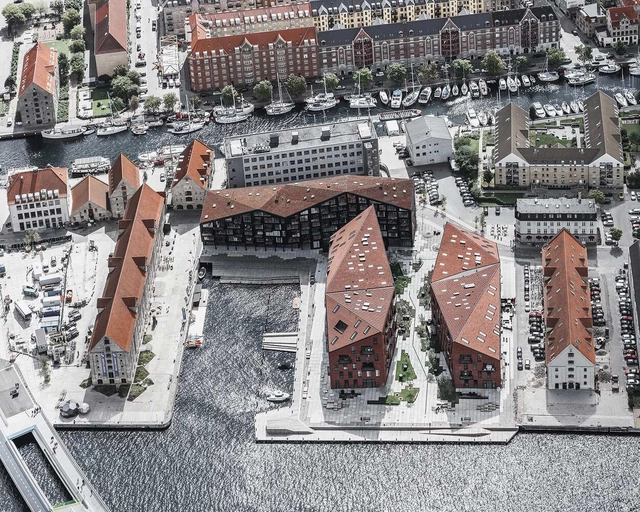
When we google 'housing in Copenhagen', the first thing that pops up are the most common questions asked by users: how much does it cost to live in Copenhagen? Is it difficult to find housing in Copenhagen? It's true, living here is significantly more expensive than the European average, especially in its most central district: Indre By. Although the housing prices are adapted to the salaries of its citizens –and the quality of life index is consistent with this high cost–, it's still complex for a foreigner to settle permanently in the city.
However, there is a serious commitment from the authorities and stakeholders to kindly open the city to new inhabitants, offering affordable housing designed by its best architects –both in suburbs and in refurbished downtown areas. In 2023, Copenhagen will be the UNESCO-UIA World Capital of Architecture and the host of the UIA World Congress of Architects, so a large number of people will be able to see firsthand what it's like to inhabit the city in projects of great architectural quality, which not only integrate wisely into its vibrant urban life, but also propose innovative ways of living.
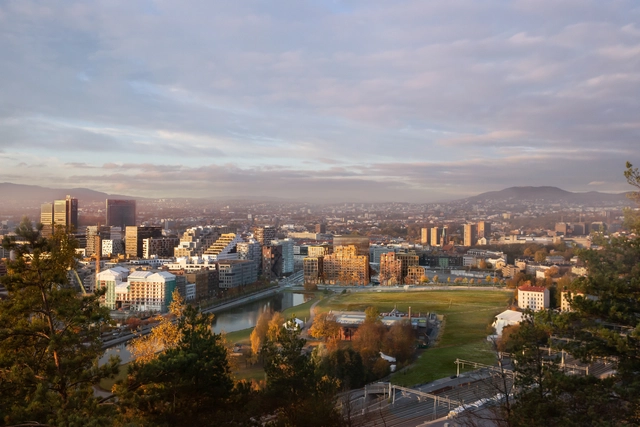
Norwegian architecture offices A-lab and LPO revealed the plan to develop the last remaining plot in Bispevika, part of the Fjord City, a large-scale waterfront urban renewal project in the center of Oslo, Norway. The intervention strengthens the connection between the historic medieval city of Oslo to the new Fjord City while also introducing cultural, creative, and commercial activities to the area. The project comprises five buildings forming a quarter. The proposed massing and height take a contextual approach as they are reduced toward important local monuments such as the baroque residence “Ladegården” with its baroque garden “Barokkhagen." The project is developed by Oslo S Utvikling (OSU), the same client behind the Barcode project, and in collaboration with landscape architects SLA.
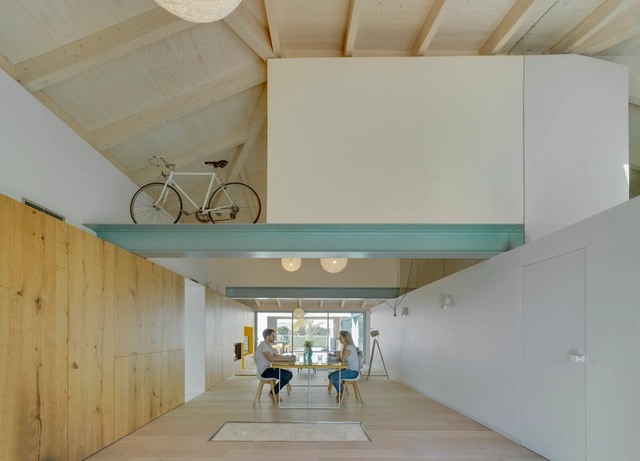
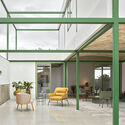
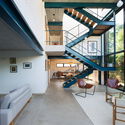
Besides changing our perception of interior spaces, colors are an excellent device for architects. With them, it is possible to highlight some elements or areas, create rhythm in the environment and give possible hints on how the eye can travel through it. One of the alternatives to achieve these goals is to paint the structures, which can bring a solid identity to the project since its components stand out and make the spatial notion even more playful.
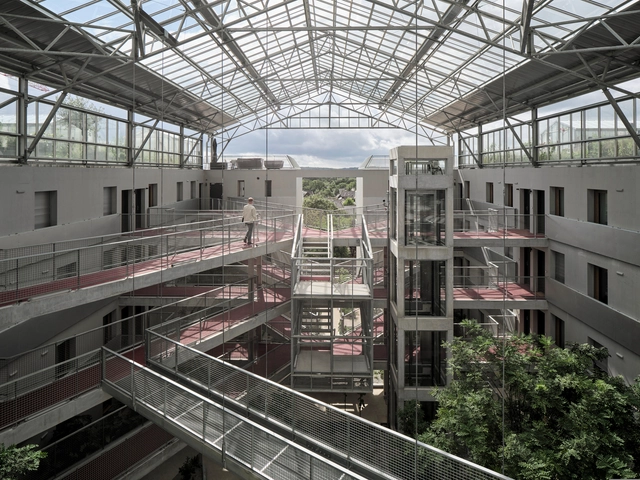
The demolition of the Pruitt-Igoe housing project will be 50 years old in 2022. Many ideas of how to live collectively have changed since then. Check out some housing projects in which the placement values encounters and community living.
The Pruitt-Igoe Housing Project, designed by Minoru Yamasaki, is considered a landmark of modernist architecture. Its high towers, inspired by Le Corbusier's Unité d'Habitation, which totaled almost 3000 units, set out to fill about half of the government-indicated housing deficit in the 1950s in St. Louis, USA. Besides the innovative architectural project, the government also bet on an interracial coexistence that involved poor and vulnerable strata of society - in the middle of the segregationist period in the United States.