-
Architects: James Turrell, Schmidt Hammer Lassen Architects
- Area: 4000 m²
- Year: 2026



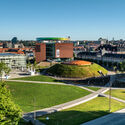
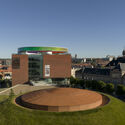
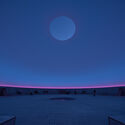
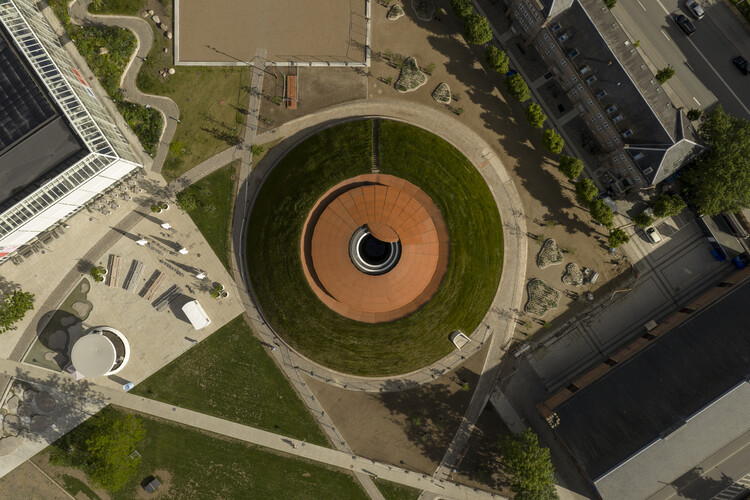
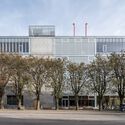
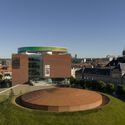
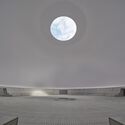
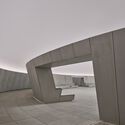
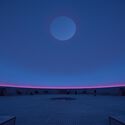
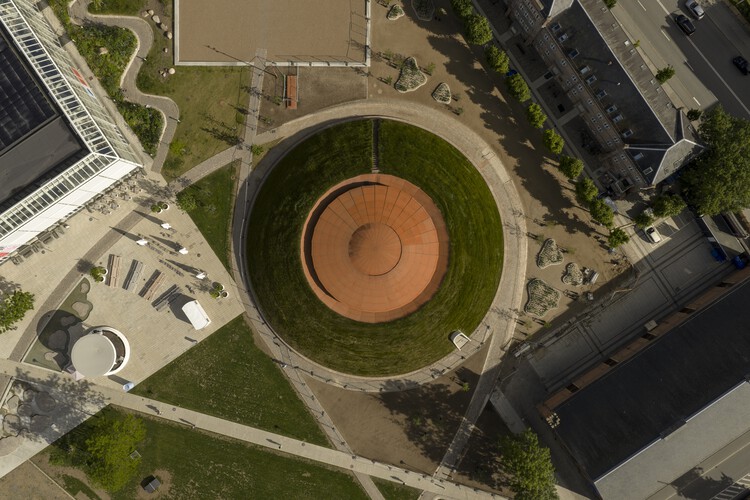
Denmark's ARoS Aarhus Art Museum has unveiled As Seen Below – The Dome, a new Skyspace by American artist James Turrell that completes The Next Level, the museum's approximately 4,000-square-metre underground expansion designed by Schmidt Hammer Lassen. Opened to the public on 19 June 2026, the project marks the culmination of more than two decades of collaboration between the City of Aarhus, ARoS, and the Danish architecture practice, following the completion of the museum building in 2004 and the addition of Olafur Eliasson's Your Rainbow Panorama in 2011. Located beneath the redesigned Musikhusparken in central Aarhus, the installation forms the centerpiece of the museum's latest expansion and adds a new large-scale work by Turrell to its collection.
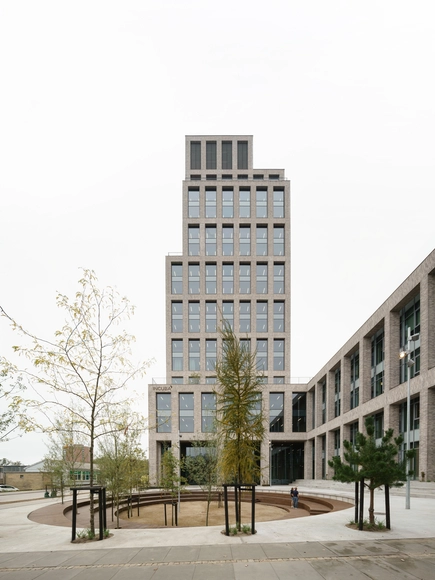
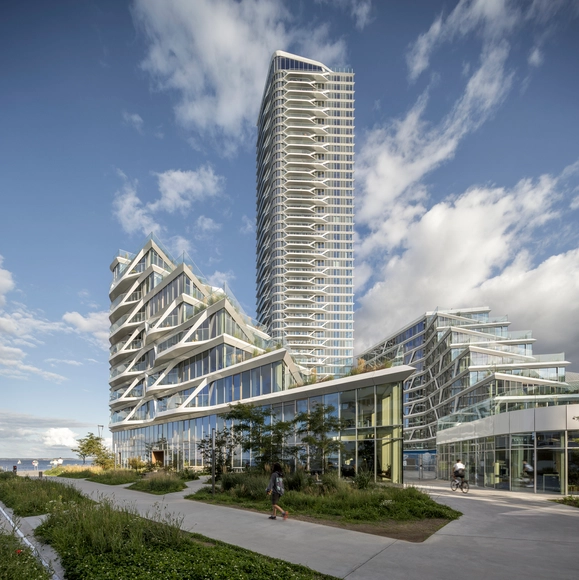
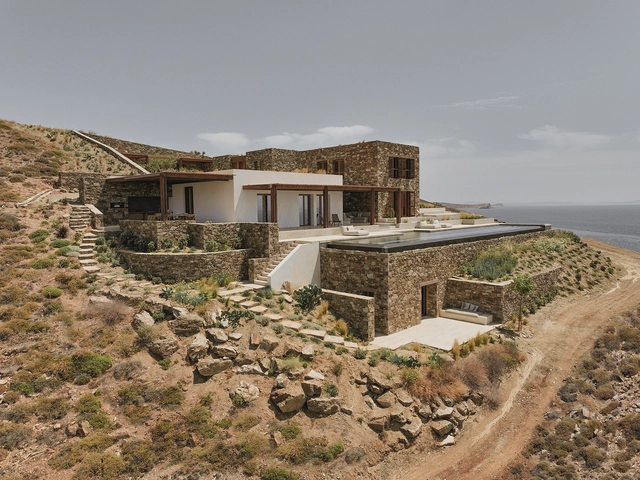
Sloped terrain offers a tantalizing prospect for developers. With breathtaking views over either natural or urban landscapes, often without the realistic possibility of being overlooked by future development, a parcel of land on a slope provides a high reward. However, whether it’s the extra excavation involved to cut and fill or cantilever out on a flat surface, the complications of water drainage, or the loss of light and difficulty of access at the front of the property, building on sloped terrains is not without its difficulties.
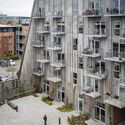
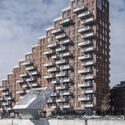
But it’s not necessarily the angle of the site that’s most at fault, it’s the shape of the building. By splitting up a multi-story structure and repositioning – possibly even disconnecting – each level, projects designed to comply with the existing topography by applying multiple ground levels can reduce the amount of excavation required. The split floor plan can also help to improve access and natural light and increase both interior and exterior space.
While it is undeniable that the surrounding environment is changing due to human activity, the effects can be difficult to perceive directly, as they are often illustrated with unrelatable pictures of far-away places or overused graphics and statistics. Danish office Tideland Studio aims to change this. Through their work, they aim to bring forth a new type of sensible understanding of the changes happening around us. They work across disciplines, melding research, art, and architecture while employing the newest survey and fabrication technologies to give presence to the abstract phenomena that shape our planet. Because of their practical approach to research and the new perspectives that they open toward extreme environments affected by climate change, ArchDaily has selected Tideland Studio as one of the 2023 New Practices. The annual survey highlights emerging offices that use innovation and forward-looking processes to rethink the ways in which we practice architecture.
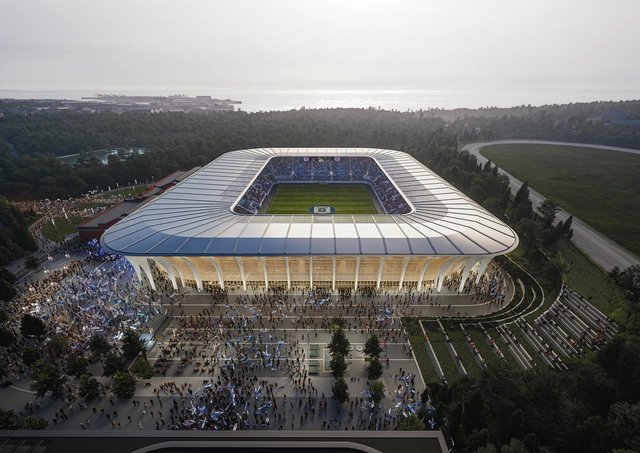
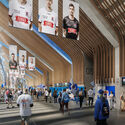
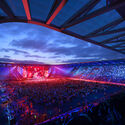
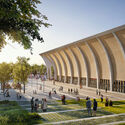
In collaboration with architecture and engineering consultancy Sweco and landscape architects Tredje Natur, Zaha Hadid Architects was selected to deliver the new Aarhus football stadium in Denmark. Dubbed the "Arena of the Forest," the stadium will be embedded within the city's Marselisborg forest, offering public and ticketed spaces all year round while revealing glimpses of the surrounding landscape. Scheduled for opening in 2026, the complex will cover 69,912 square meters, including the Aarhus arena and the renovation of the adjacent 'Stadionhallerne' building completed in 1918 by architect Axel Høgh-Hansen.