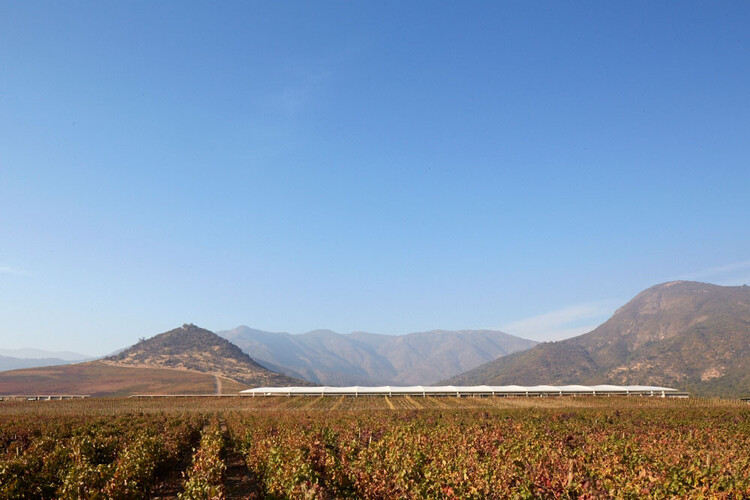
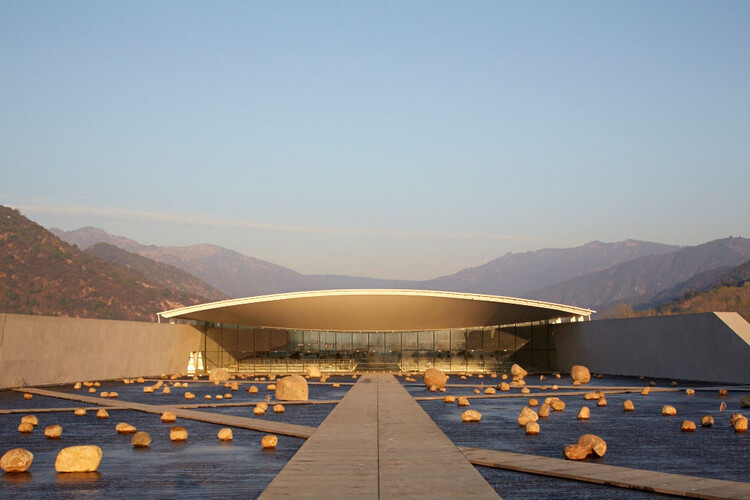
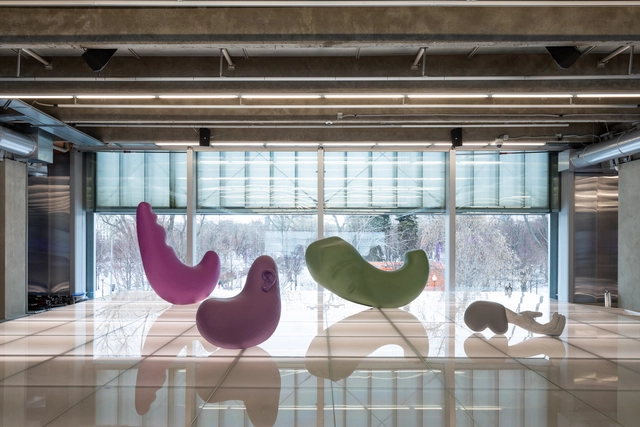
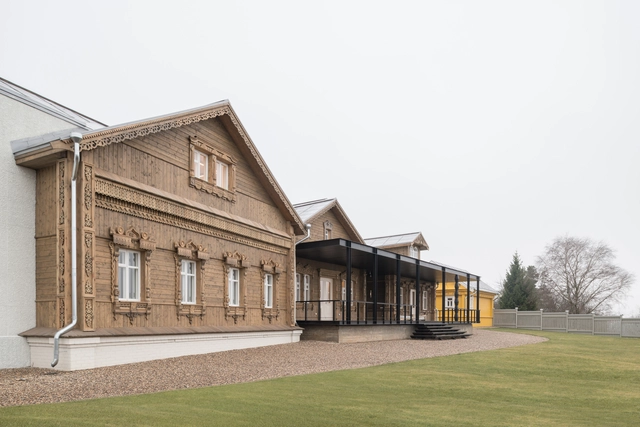
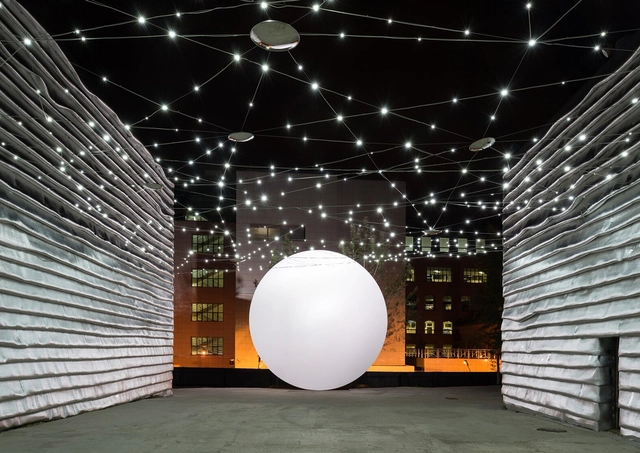
The 2026 Pritzker Price Award has been awarded this year to the Chilean architect of Croatian descent, Smiljan Radić Clarke. Born in Santiago, Chile, in 1965, his practice evokes a geography of extremes, shaped by the tectonic tension between the staggering weight of the Andes and the seismic instability of the territory. After graduating from the Pontifical Catholic University of Chile and pursuing further studies in aesthetics in Venice, Smiljan Radić Clarke established his base in Santiago. From there, he has developed one of the most singular visions in contemporary architecture. His work privileges the intensity of the moment through a fragile architecture. Within it, the building operates as a temporary and tactile refuge that places the spectator in a state of aesthetic uncertainty, oscillating between ancestral ruin and avant-garde artefact.
The key to successfully designing or recovering public spaces is to achieve a series of ingredients that enhance their use as meeting places. Regardless of their scale, some important tips are designing for people's needs, the human scale, a mix of uses, multifunctionality and flexibility, comfort and safety, and integration to the urban fabric.
To give you some ideas on how to design urban furniture, bus stops, lookouts, bridges, playgrounds, squares, sports spaces, small parks, and urban parks, check out these 100 notable public spaces.
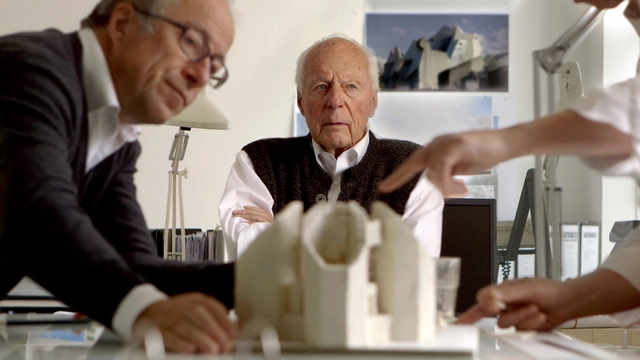
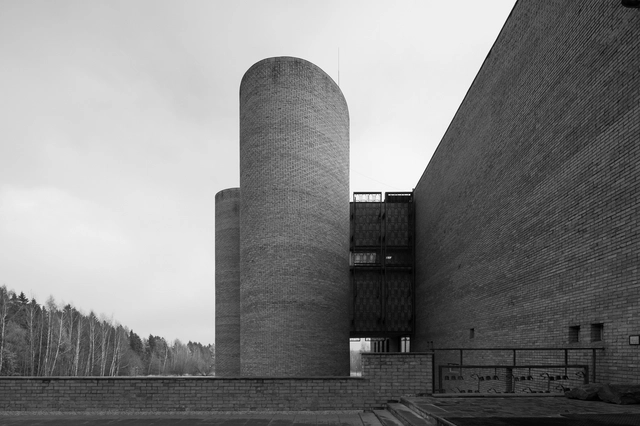
The career of Gottfried Böhm (born January 23, 1920) spans from simple to complex and from sacred to secular, but has always maintained a commitment to understanding its surroundings. In 1986, Böhm was awarded the eighth Pritzker Prize for what the jury described as his "uncanny and exhilarating marriage" of architectural elements from past and present. Böhm's unique use of materials, as well as his rejection of historical emulation, have made him an influential force in Germany and abroad.
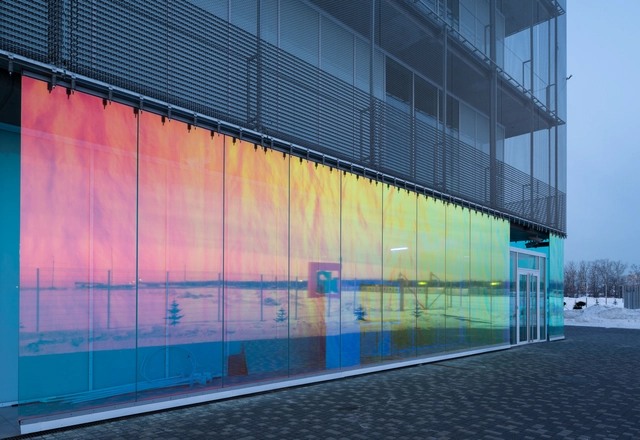
Boris Bernaskoni (born 1977, Moscow, Russia) is the leading Russian architect of his generation. He is interested in what technology can do today, so his architecture would be able to utilize it tomorrow. His work is not about façade aesthetics, which the architect says is the thing of the past. Instead, he is proposing radically new methodologies and prototypes. In the future, Bernaskoni believes, buildings will be immortal because they will continuously evolve and attune themselves to the most current technologies and demands. The ability to transform with the times will be architecture’s most precious commodity.
After the success of the original guide-book on underrated Soviet architecture, Garage Museum of Contemporary Art is publishing an English version of the bestselling guide: Moscow: A Guide to Soviet Modernist Architecture 1955–1991in a new digitalized format with six new chapters.
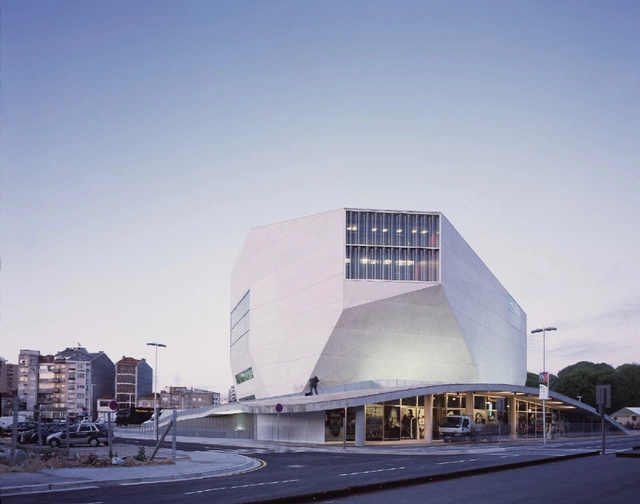
With the extensive list of acclaimed alumni of his firm, OMA, it is not a stretch to call Rem Koolhaas (born 17 November 1944) the godfather of contemporary architecture. Equal parts theorist and designer, over his 40-year career Koolhaas has revolutionized the way architects look at program and interaction of space, and today continues to design buildings that push the capabilities of architecture to new places.
Mainly known outside of his home country for his design of the 2014 Serpentine Gallery Pavilion, architect Smiljan Radić (born June 21, 1965) is one of the most prominent figures in current Chilean architecture. With a distinctive approach to form, materials, and natural settings, Radić mostly builds small- to medium-sized projects that flirt with the notion of fragility.
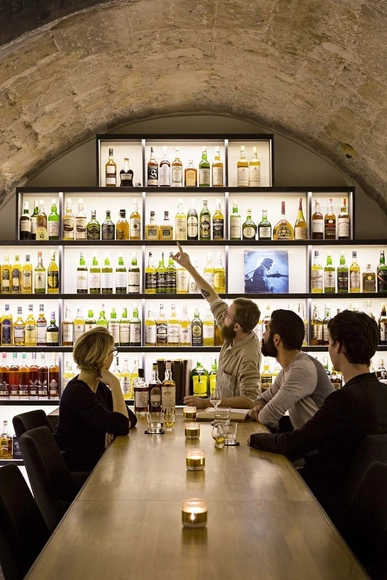
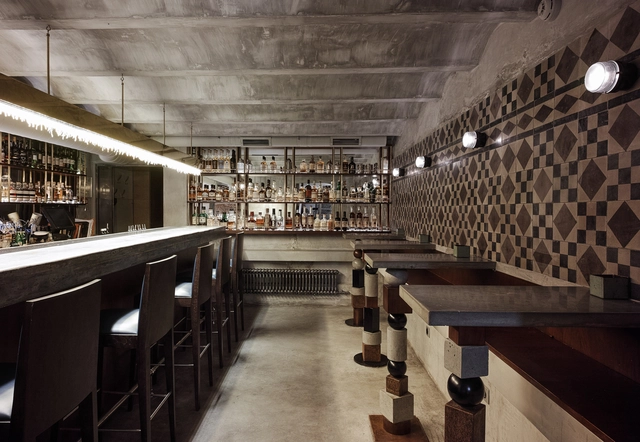
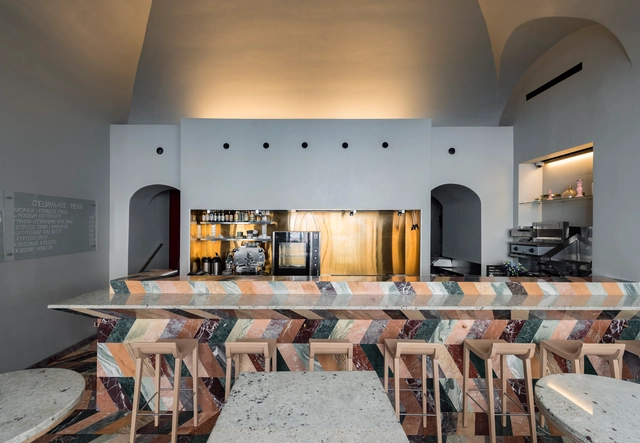
Bars are the perfect meeting place to finish the day in the company of friends and a few drinks. The relaxed atmosphere and lighting allow intimate discussions around tables, while the social butterflies can instead meet around the focal element of the space, the bar.
The atmosphere provoked by the mixture of textures, smells, materials, and darkness—ideally accompanied by a cocktail menu—is an essential component in helping us find our favorite watering holes. Read on for a selection of 15 incredible examples of this typology, with images by prominent photographers such as Frank Herfort, Serena Eller Vanicher, and Yann Deret.
Standing like a concrete mountain amid a wood, the jagged concrete volume of the Neviges Mariendom [“Cathedral of Saint Mary of Neviges”] towers over its surroundings. Built on a popular pilgrimage site in western Germany, the Mariendom is only the latest iteration of a monastery that has drawn countless visitors and pilgrims from across the world for centuries. Unlike its medieval and Baroque predecessors, however, the unabashedly Modernist Mariendom reflects a significant shift in the outlook of its creators: a new way of thinking for both the people of post-war Germany and the wider Catholic Church.
After receiving his education at the Repin Institute for Painting, Sculpture and Architecture in St. Petersburg, Sergei Tchoban moved to Germany at the age of 30. He now runs parallel practices in both Berlin and Moscow, after becoming managing partner of nps tchoban voss in 2003 and co-founding SPEECH with Sergey Kuznetsov in 2006. In 2009, the Tchoban Foundation was formed in Berlin to celebrate the lost art of drawing through exhibitions and publications. The Foundation’s Museum for Architectural Drawing was built in Berlin in 2013 to Tchoban’s design. In this latest interview for his “City of Ideas” series, Vladimir Belogolovsky spoke to Tchoban during their recent meeting in Paris about architectural identities, inspirations, the architect’s fanatical passion for drawing, and such intangibles as beauty.