


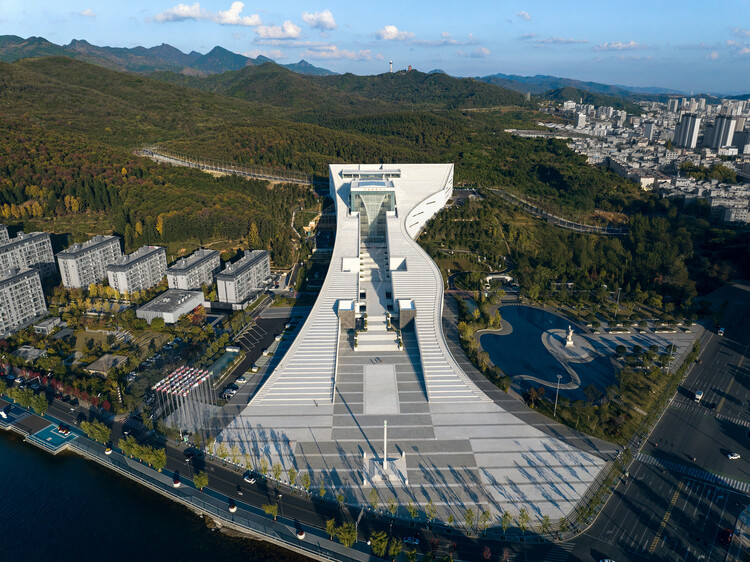
Meet the 15 Finalists in ArchDaily China's 2026 Building of the Year Awards

Following two exciting weeks of nominations, ArchDaily's readers have evaluated 455 projects and selected 15 finalists for the Building of the Year Award China. Architects and enthusiasts participated in the nomination process, choosing projects that exemplify what it means to push architecture forward. These finalists are the buildings that have inspired ArchDaily readers the most, which also reveal the growing trend of Chinese architecture.
Among the 15 finalists of the 2026 China Building of the Year Award, we can see a gradual shift in focus from large-scale public buildings to rural revitalization, community public spaces, exploration of new typology of school and small-scale interior spaces. People are paying more attention to their personal needs and living experiences as well as the surrounding spaces. We can also observe how different firms are responding to the needs of cities and users during the period of transformation in the real estate.
Before we get to shortlisted nominees, we want to highlight the values of this awards process — as the world's largest platform for architecture we are acutely aware of our responsibility to the profession, and to the advancement of architecture as a discipline. Since our mission is directly related to the architecture of the future—inspiring and educating the people who will design the urban fabric of the future—the trust placed in us by our readers to reflect architectural trends from regions around the whole world creates challenges that we are eager to rise to. The democratically-voted, user-centered Building of the Year Awards is one of the key pillars of our response to these challenges, aiming to tear down established hierarchies and geographical barriers. Here are the 15 finalists of the 2026 China Building of the Year Award, and the voting period will run from April 8th to April 15th, 11:59 PM (Beijing Time), 2026. The final winners will be announced on April 16th, 2026. Click here to see the details and how to vote.
https://www.archdaily.com/1040375/meet-the-15-finalists-in-archdaily-chinas-2026-building-of-the-year-awards韩爽 - HAN Shuang
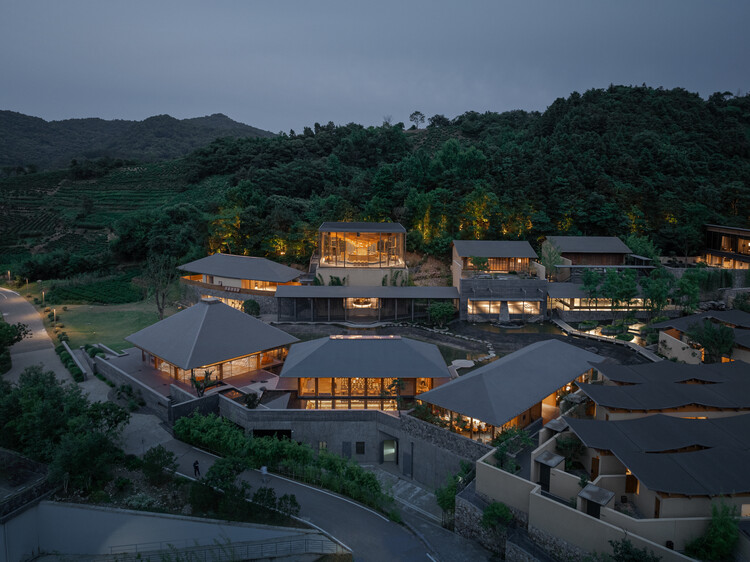
Nanshan Junning Resort / Atelier LAI


-
Architects: Atelier LAI
- Area: 6713 m²
- Year: 2024
https://www.archdaily.com/1039889/nanshan-junning-resort-atelier-laiPilar Caballero
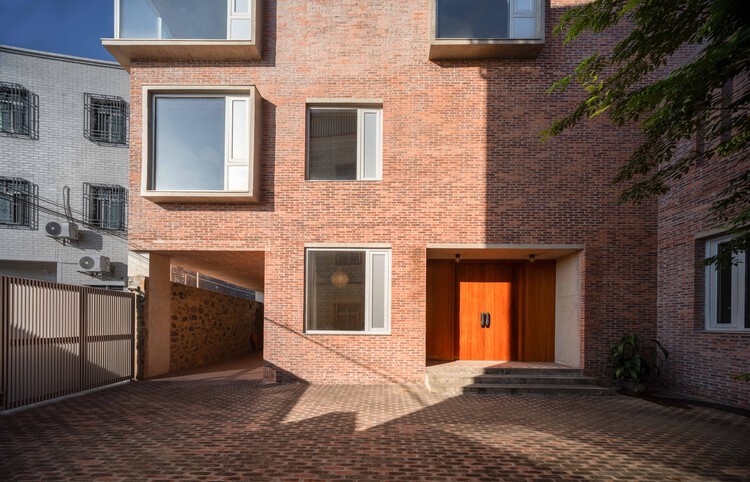
Guangdong Brick House / WUWU Atelier, ADINJU


https://www.archdaily.com/1039479/guangdong-brick-house-wuwu-atelier-adinju韩爽 - HAN Shuang
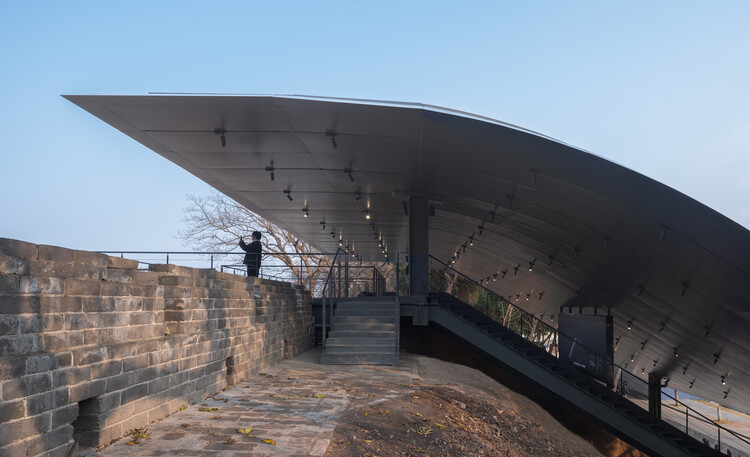
Jingzhou City Wall Archaeological Site Exhibition Pavilion / Qing Studio


-
Architects: Qing Studio
- Area: 330 m²
- Year: 2026
https://www.archdaily.com/1038713/jingzhou-city-wall-archaeological-site-exhibition-pavilion-qing-studioAndreas Luco
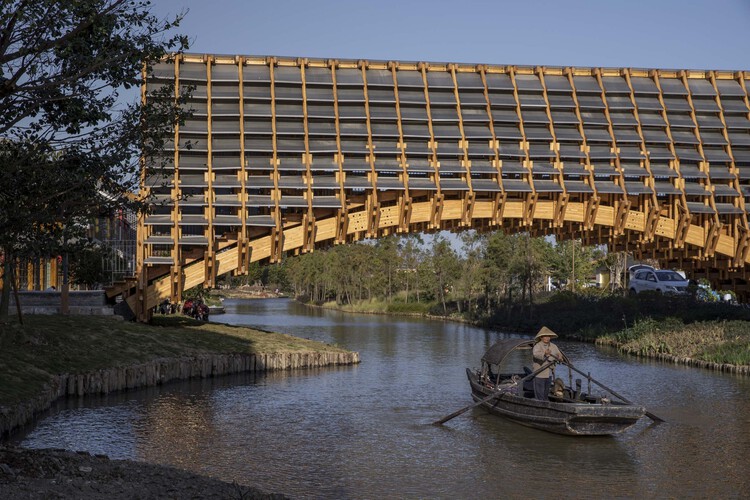
Hybrid Craft: 5 Pedestrian Bridges Reimagining Natural Materials across Asia

Transcending their role as mere infrastructure, bridges have long served as powerful architectural statements. This expressive potential is now being explored with renewed vigor across South-East Asia, where a growing number of architects are re-evaluating traditional materials. By championing wood and bamboo, these designers are creating distinctive structures that integrate local craftsmanship with contemporary needs, resulting in landmarks that are both functional and deeply rooted in their landscape.


https://www.archdaily.com/1034108/hybrid-craft-5-pedestrian-bridges-reimagining-natural-materials-across-asiaMoises Carrasco
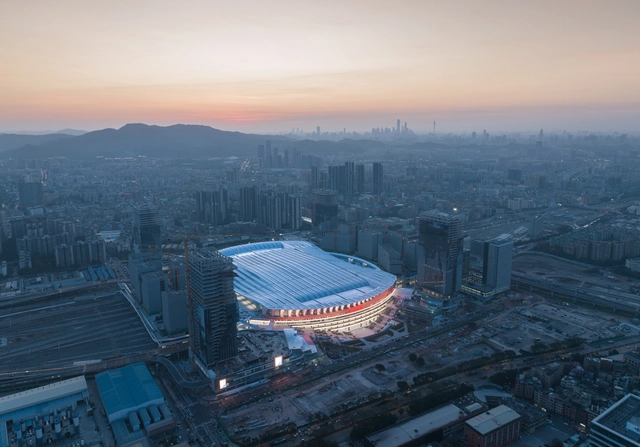
Guangzhou Baiyun Railway Station TOD / Nikken Sekkei + SIYUAN + SCAD + GZPI


https://www.archdaily.com/1027838/guangzhou-baiyun-railway-station-tod-nikken-sekkeiMiwa Negoro
Public Restrooms: 15 Projects That Provide Functionality and Comfort in Urban Environments
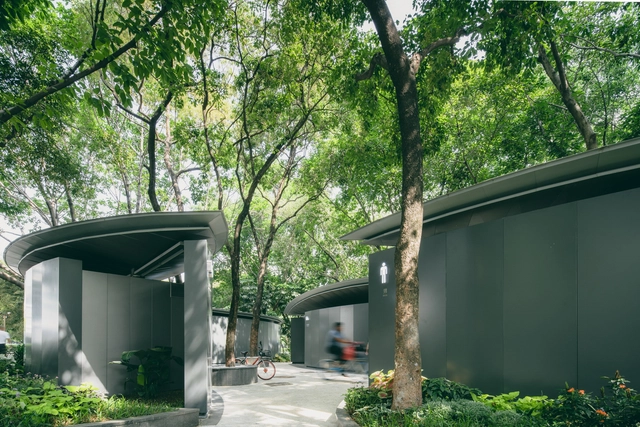
Contemporary city life demands increasing amounts of infrastructure to meet everyday needs, ranging from parks and efficient transportation to the incorporation of public restroom facilities. However, these spaces often come with discomforts, including lack of accessibility, absence of privacy, and poor cleanliness. Recognizing these issues, various architects have taken on the challenge of transforming these spaces into functional and pleasant environments, experimenting with innovative proposals to address these needs.


https://www.archdaily.com/904061/public-bathrooms-examples-in-plan-and-sectionFabian Dejtiar
Red Brick Public Toilet on Liuba Old Street / Shulin Architectural Design
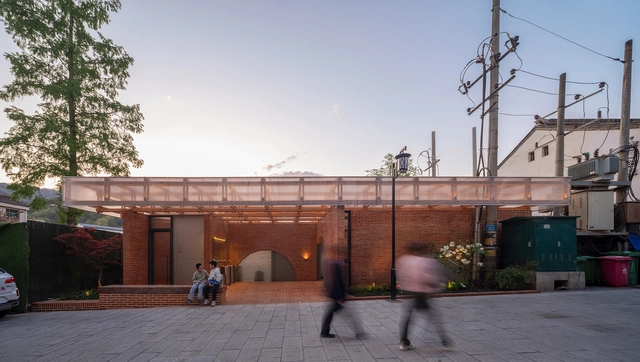


-
Architects: Shulin Architectural Design
- Area: 110 m²
- Year: 2024
-
Professionals: Shaanxi Tengbang Construction Engineering
https://www.archdaily.com/1020186/red-brick-public-toilet-on-liuba-old-street-shulin-architectural-design韩爽
The New Life of Industrial Architecture in Cities: 20 Renovations and Conversions of Old Factories and Warehouses
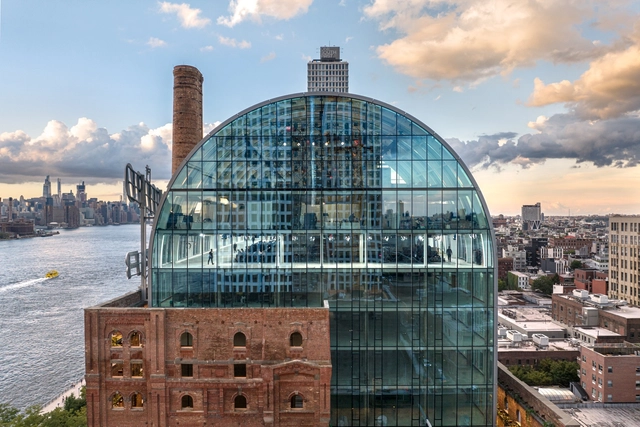
In the same way that societies transform, times change, and cities evolve, industrial architecture modernizes and becomes more technological, sometimes reaching a state of abandonment or ruin. Understanding its value as a built legacy and being vestiges of technological, social, and cultural changes, the renovation and/or conversion of numerous factories and industrial warehouses can lead to the revitalization, recovery, or growth of various areas in large cities by incorporating new uses and spaces for the enjoyment of its citizens.
https://www.archdaily.com/1013254/the-new-life-of-industrial-architecture-in-cities-20-renovations-and-conversions-of-old-factories-and-warehousesAgustina Iñiguez
Liangzi Island Off-island Pier / UAO Design
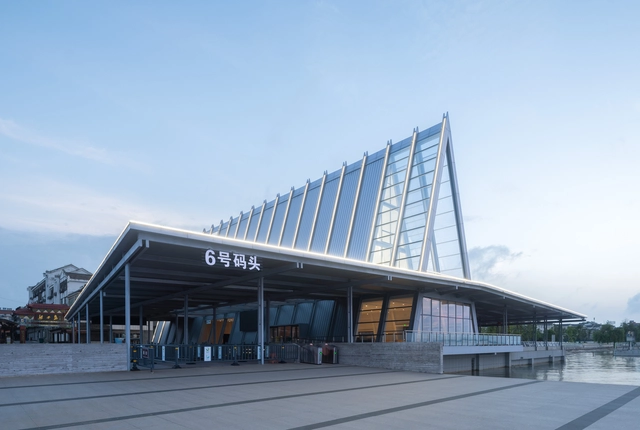


-
Architects: UAO Design
- Area: 2290 m²
- Year: 2023
-
Manufacturers: Hubei Yudian Glass Co., Ltd. , Wuhan Changye Trading Co., Ltd., Zouping Zenwin Aluminum Technology Co.,
https://www.archdaily.com/1012527/liangzi-island-off-island-pier-uao-designValeria Silva
The Lantern in the Paddy Field / HDEC AIR-CoLAB Studio
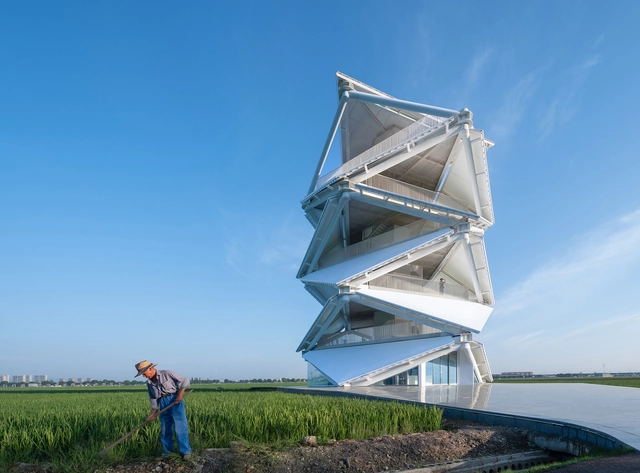


-
Architects: HDEC AIR-CoLAB Studio
- Area: 840 m²
- Year: 2023
-
Manufacturers: 德国杜肯18089
https://www.archdaily.com/1008984/the-lantern-in-the-paddy-field-hdec-air-colab-studioAndreas Luco
Pavilion ∞ / Atelier Lai
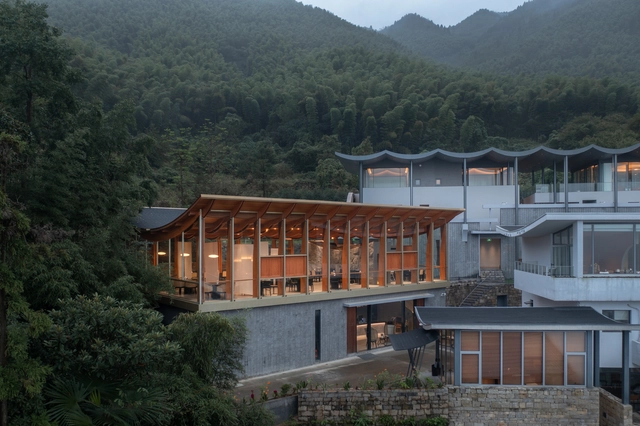


-
Architects: Atelier LAI
- Area: 342 m²
- Year: 2021
https://www.archdaily.com/1009027/pavilion-atelier-laiPilar Caballero
Dive In Summer Pavilion / UAO Design
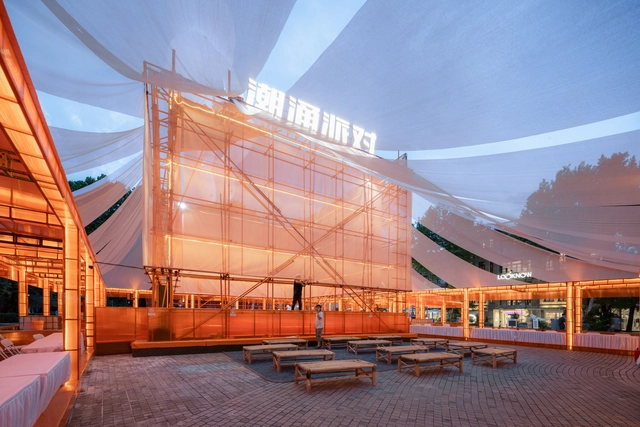


-
Architects: UAO Design
- Area: 816 m²
- Year: 2023
-
Professionals: Fan Zhonggen team
https://www.archdaily.com/1005927/dive-in-summer-pavilion-uao-designAndreas Luco
Multifunctional Service Center of Liuba Mountain Scenic Area / Shulin Architectural Design
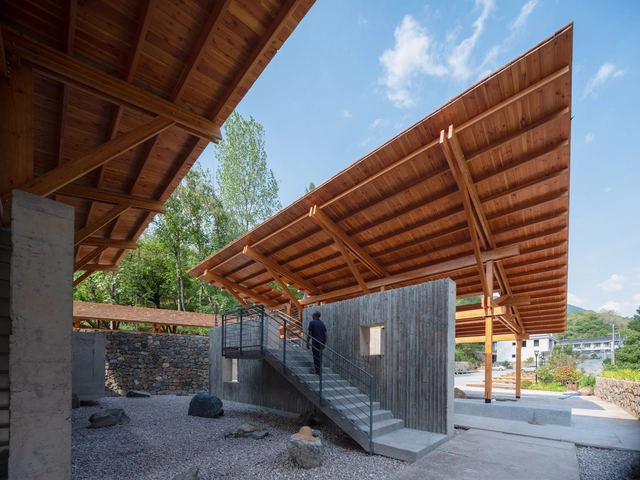


-
Architects: Shulin Architectural Design
- Area: 380 m²
- Year: 2022
https://www.archdaily.com/1005749/multifunctional-service-center-of-liuba-mountain-scenic-area-shulin-architectural-designValeria Silva
What Kind of City is a People-Oriented City? Ranking Chinese Cities
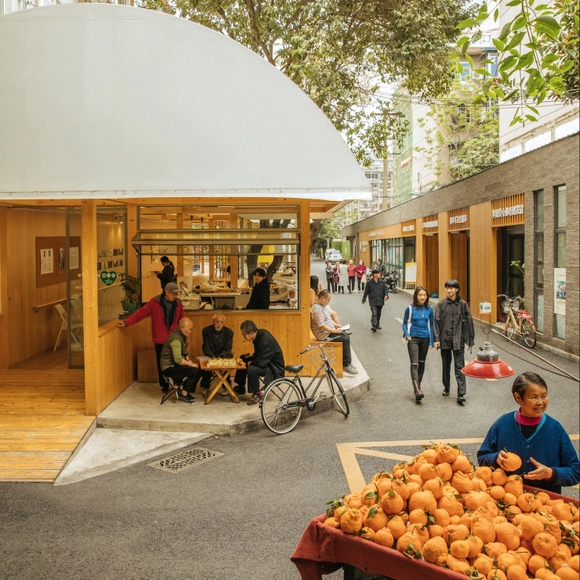
What kind of city is a people-oriented city? This is a difficult question to answer because humanistic cities evaluate the city by "people”, and people are extremely diverse, producing individual different evaluation standards. For example, a city that is friendly to car drivers, may not be so friendly to pedestrians.
Nonetheless, there is a general perception that some cities seem to be more friendly to people than others. Why is this the situation?


https://www.archdaily.com/994231/what-kind-of-city-is-a-people-oriented-cityXiaohang Hou
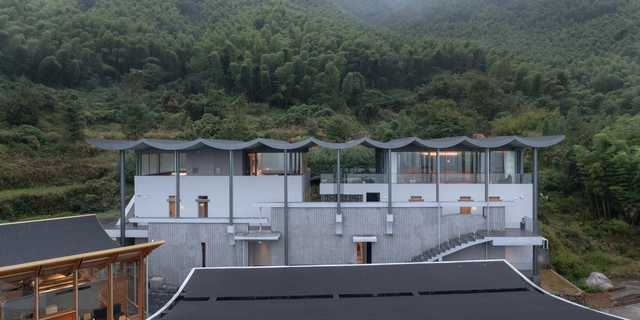

.jpg?1636287294&format=webp&width=230&height=230&crop=true)
.jpg?1636287342&format=webp&width=230&height=230&crop=true)
.jpg?1636287245&format=webp&width=230&height=230&crop=true)

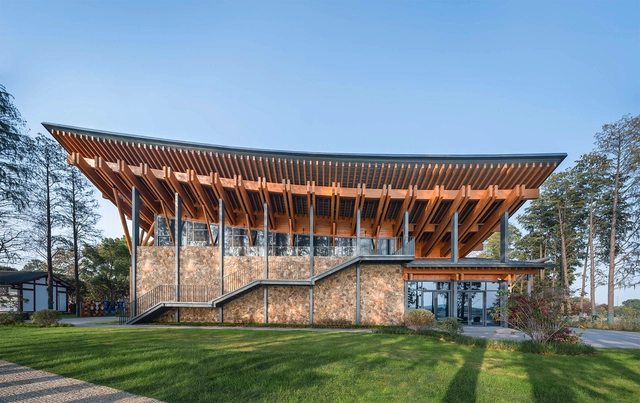
Exhibition Hall for the Achievements of the 30th Anniversary of China's Implementation of the Ramsar Convention on Wetlands / Li Baofeng Architecture Studio of HUST


https://www.archdaily.com/993696/the-exhibition-hall-for-the-achievements-of-the-30th-anniversary-of-chinas-implementation-of-the-ramsar-convention-on-wetlands-li-baofeng-architecture-studio-of-hustCollin Chen