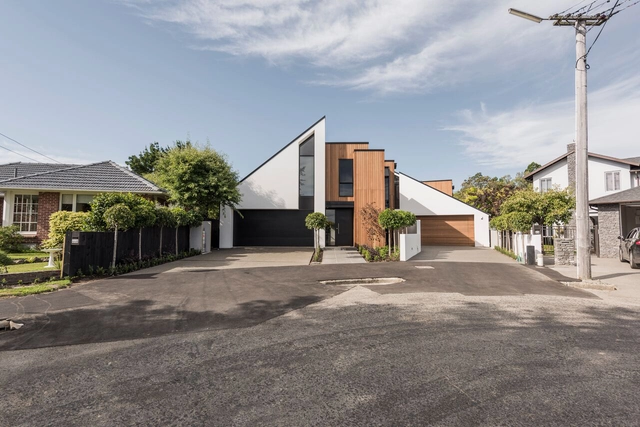
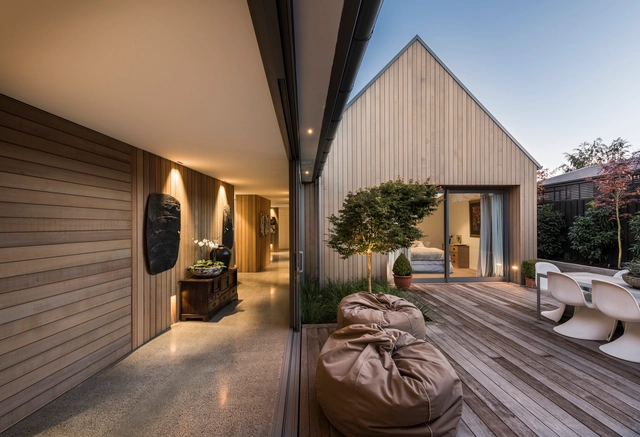
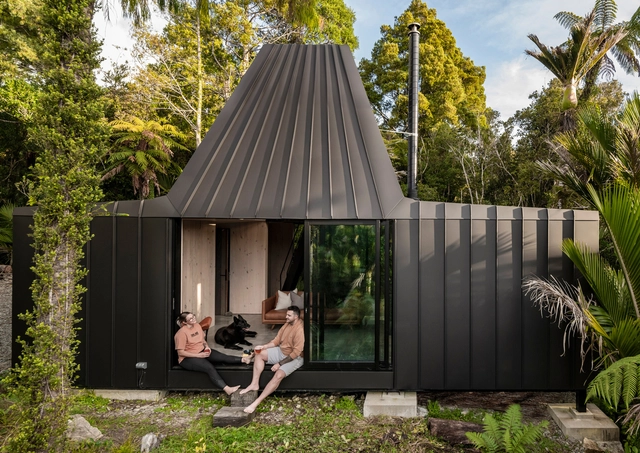
The concept of low-tech architecture recognizes the impact of carbon-intensive technologies and building practices and proposes an alternative: a rediscovery of practical, rational, locally adapted solutions that count on smart design strategies instead of energy-intensive devices to ensure a safe, comfortable living environment. Far from being a regressive approach, the term remains open to innovations but seeks to rebalance the industry's reliance on mechanization. It thus favors an architecture of fewer components, minimized dependence on high-tech solutions, and a preference for low-embodied carbon materials.
Last week, Japanese architect and social advocate Riken Yamamoto was announced as the 2024 Pritzker Architecture Prize Laureate, becoming the 9th Japanese architect honored with the profession's most prestigious award. Throughout the 45-year history of the Pritzker Prize, Japan stands out as the nation with the highest number of laureates. While geography is not a criterion in the selection of the laureates, Japanese architecture consistently impresses with its interplay of light and shadow, the careful composition of spaces, soft transitions between interior and exterior, and attention to detail and materiality. An ingrained culture of building also celebrates diverse designs and encourages global dialogue and the exchange of ideas and best practices. Read on to rediscover the 9 Japanese Pritzker laureates and glimpse into their body of work.
The challenge of designing a house with a tight budget and space constraints, together with the essential duty of responding correctly to the requirements of the user, is sometimes one of the most challenging and motivating tasks an architect can face. How can you take advantage of space most effectively? How can you avoid wasted material? How do you anticipate the possible future expansion of the house? And how do you develop a simple design that also delivers value to its inhabitants?
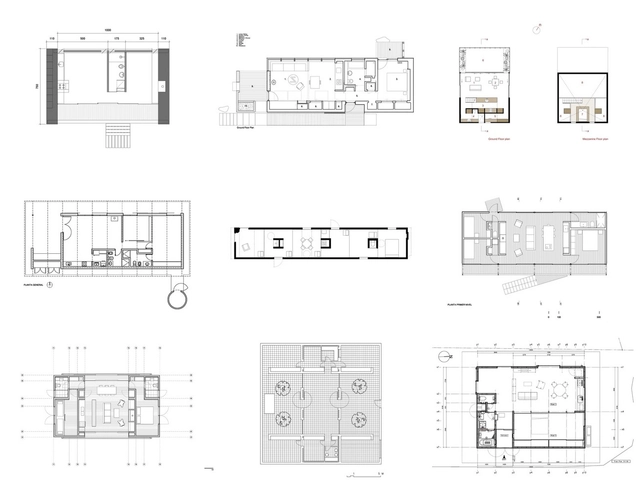
To help you in this process, we scoured our projects archives to select 30 houses that provide interesting architectural solutions despite measuring less than 100 square meters.
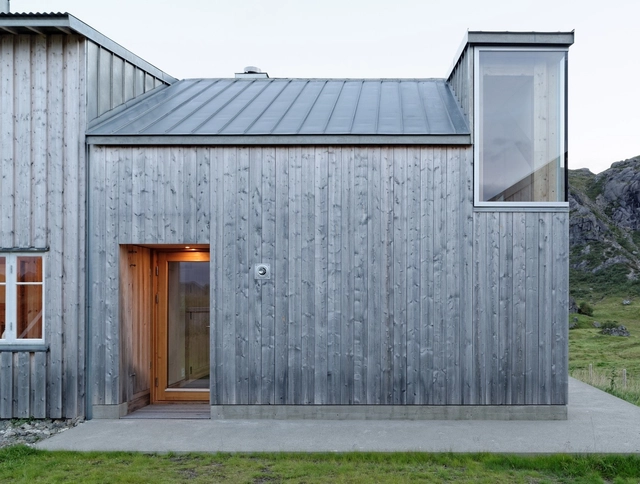
Summer House Gravråk / Carl-Viggo Hølmebakk. Image Cortesia de Carl-Viggo Hølmebakk
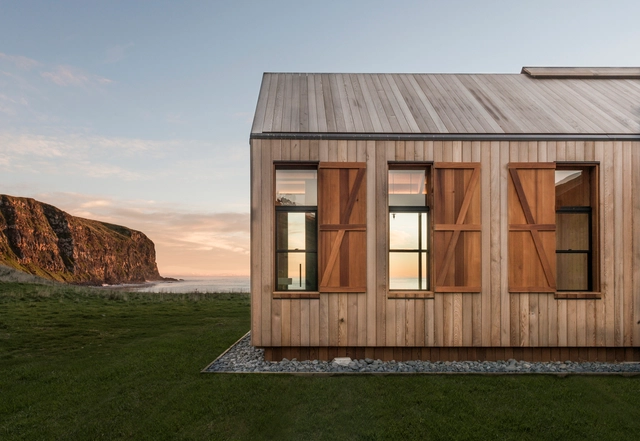
The moment a tree is cut down and its biological processes are interrupted, it can be said that the deterioration process of wood also begins. Steps such as the correct cutting of the trunk, drying and storage or the precise specification of the best species for each use will determine its durability. Composed basically of cellulose, hemicellulose and lignin, each wood species has a certain natural durability, also influenced by the environmental conditions of where it is inserted, such as temperature, humidity, oxygen content, and the microorganisms and insects present there. Generally, surface treatments are used to increase the protection of different parts, such as varnishes, oils and other chemical processes. But there are situations in which untreated wood can be used outdoors, achieving a gray and sober aesthetic that blends into the exterior and brings personality to the building.
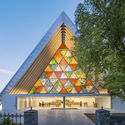
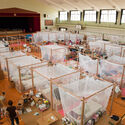
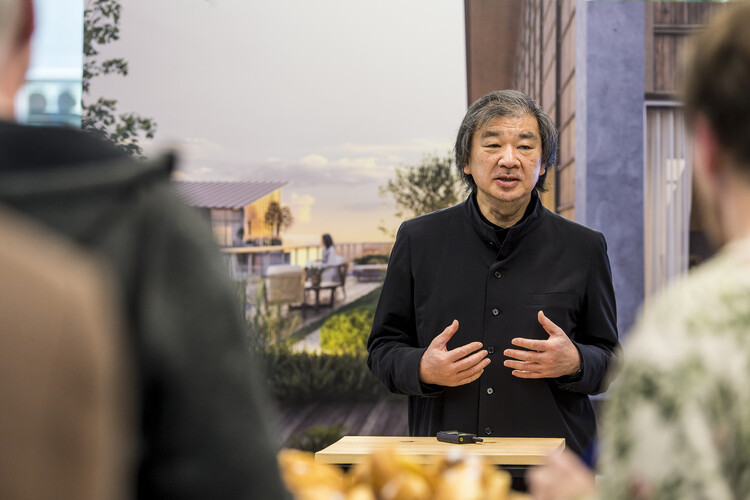
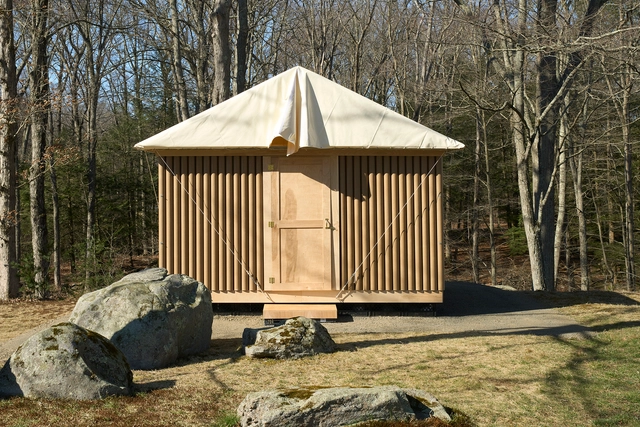
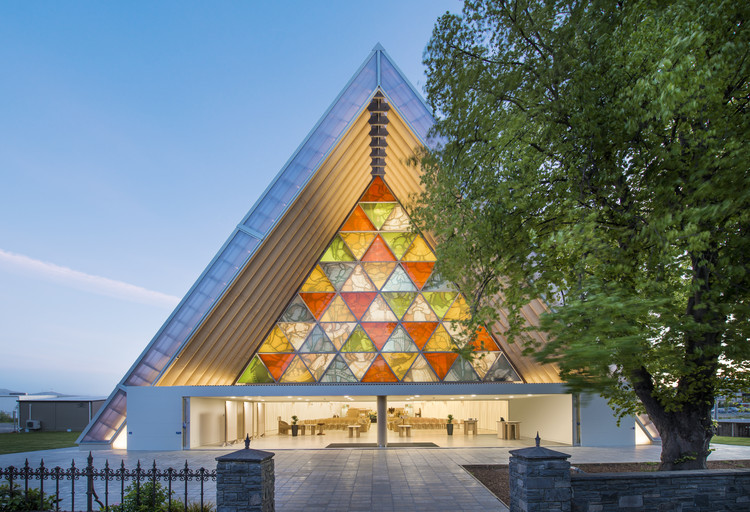
2014 Pritzker Laureate Shigeru Ban may be as well known for his innovative use of materials as for his compassionate approach to design. For a little over three decades, Ban, the founder of the Voluntary Architects Network, has applied his extensive knowledge of recyclable materials, particularly paper and cardboard, to constructing high-quality, low-cost shelters for victims of disaster across the world —from Rwanda to Haiti, to Turkey, Japan, and more. We've rounded up 10 projects of his humanitarian work, explained by Shigeru Ban Architects themselves.
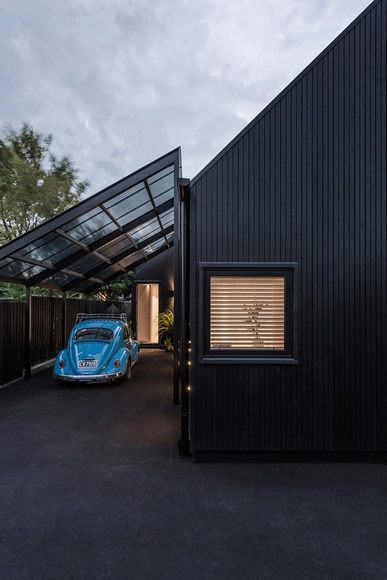
The inclusion of cars in photographs of architecture is an interesting tool that can help the viewer to understand the scale of a building. The addition of an automobile to a scene can not only help to transmit a notion of the size of the photographed elements, it can also be used to generate interesting compositional relationships to benefit the photograph as a whole. Below, we've highlighted a selection of 10 images from prominent photographers such as Rafael Gamo, Michael Sinclair and Bruno Candiotto which make effective use of this technique.
This August 19th is World Photo Day, which celebrates photography on the anniversary of the day on which France bought the patent for the daguerreotype, one of the earliest photographic processes, and released it to the world for free in 1839. At ArchDaily, we understand the importance of photography in architecture—not only as a tool for recording designs, but also as a discipline that many of us enjoy. To celebrate the occasion, we decided to reveal the most popular images ever published on ArchDaily, as selected by you, our readers. Using data gathered from My ArchDaily, we have ranked the 100 most-saved images from our database; read on to see them.
As editors on the Projects Team at ArchDaily, we wanted to reflect on the projects published in 2016—and, based on those submissions, to consider what we hope to see from the submissions we will publish in 2017.
During 2016, the projects we published had a high level of visual impact. Axonometric views were part of the vast majority of our publications, democratizing understanding by creating easily accessible views which closely resemble reality. Secondly, the development of immersive video technology has allowed us to publish full 360-degree tours through the interiors of works of different sizes, generating images which are increasingly representative of the physical reality of the work in question.













.jpg?1529879164&format=webp&width=640&height=580)
.jpg?1529879735&format=webp&width=230&height=230&crop=true)
.jpg?1529880263&format=webp&width=230&height=230&crop=true)
.jpg?1529879903&format=webp&width=230&height=230&crop=true)
.jpg?1529879984&format=webp&width=230&height=230&crop=true)
.jpg?1529879164)








.jpg?1468226200&format=webp&width=230&height=230&crop=true)