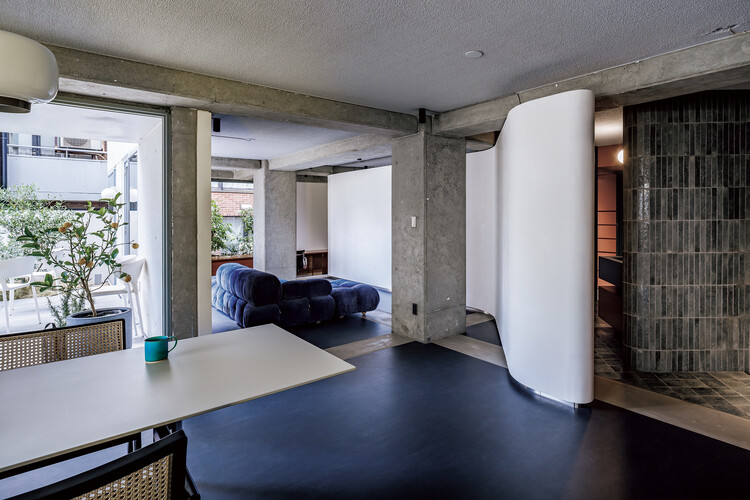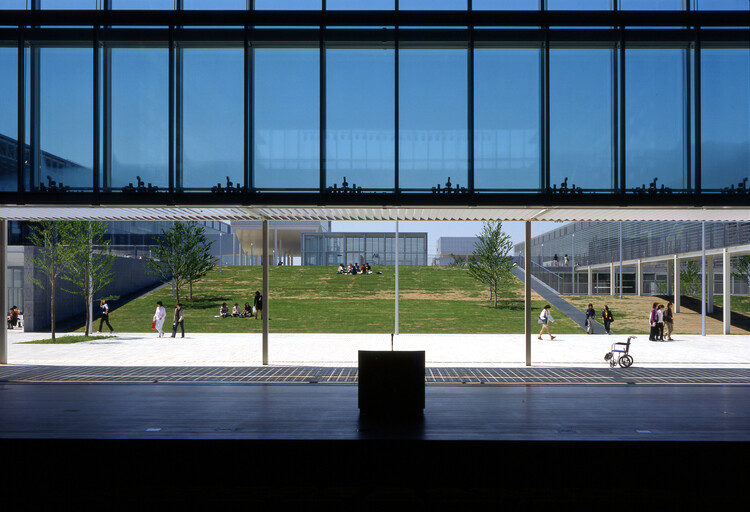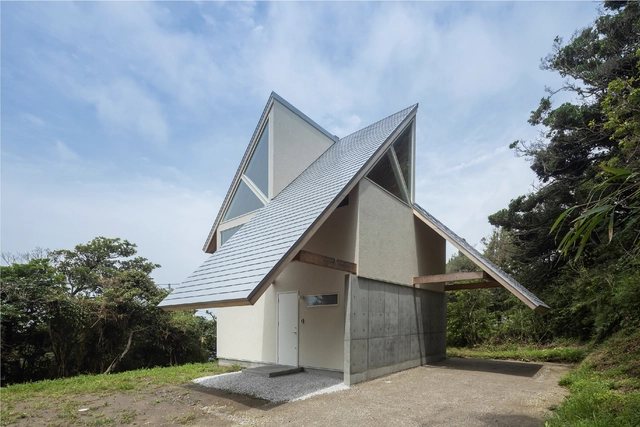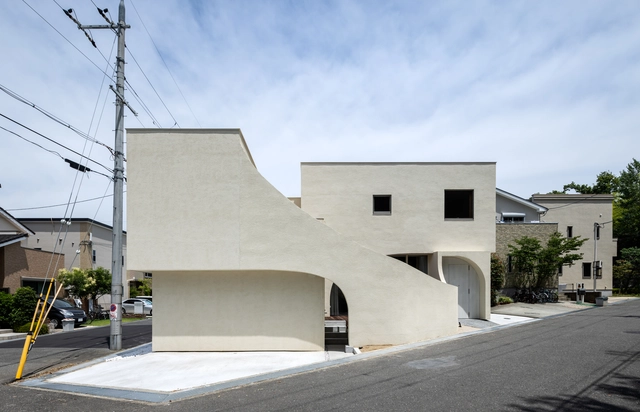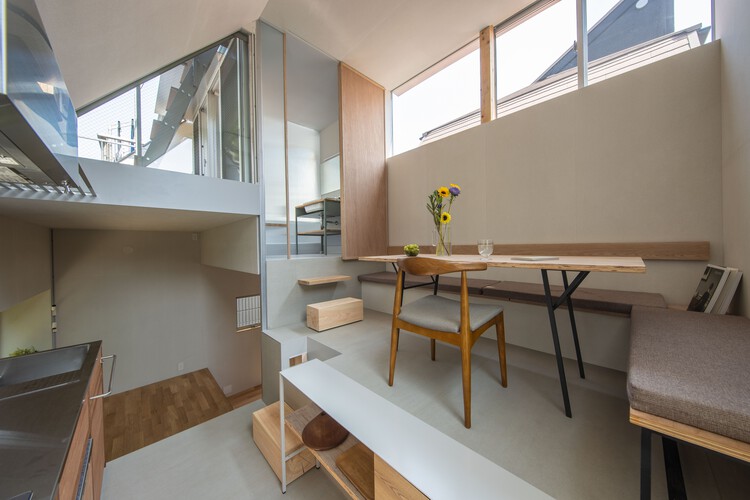
- Area: 24 m²
- Year: 2020
-
Manufacturers: VELUX Group, kaldewei

Chimneys are among the most quietly persistent elements in architectural history. Yet their presence persists in nearly every cultural and climatic context, serving as a technical feature and a spatial, atmospheric, and symbolic device. It populates dense city skylines and anchors rural horizons alike, its vertical silhouette as ordinary as a window or a doorframe. This apparent ordinariness is deceptive. The chimney is one of the few architectural components that links the intimate scale of interior life with the expansive forces of the environment. For architects and designers, the necessity of the chimney presents a choice: to let it recede quietly into the building's functional fabric or to amplify it as a central, expressive element that shapes a project's identity.
Riken Yamamoto, born in Beijing in 1945 and raised in Yokohama shortly after World War II, is a Japanese architect celebrated for fostering community through architecture. After founding his practice, Riken Yamamoto & Field Shop, in 1973, he became renowned for works ranging from social housing, such as Hotakubo Housing and Pangyo Housing, to civic projects like the Hiroshima Nishi Fire Station and Saitama Prefectural University, all unified by modular simplicity. Honored in March 2024 as the Pritzker Architecture Prize Laureate, he was praised by jury chair Alejandro Aravena for "blurring boundaries between public and private," fostering spontaneous social interaction, and "bringing dignity to everyday life" by enabling community to flourish through thoughtful design. In this interview with Louisiana Channel, the architect reflects on the social role of architecture, emphasizing the inseparable bond between housing and context, and the need to create spaces that foster visible, meaningful relationships.
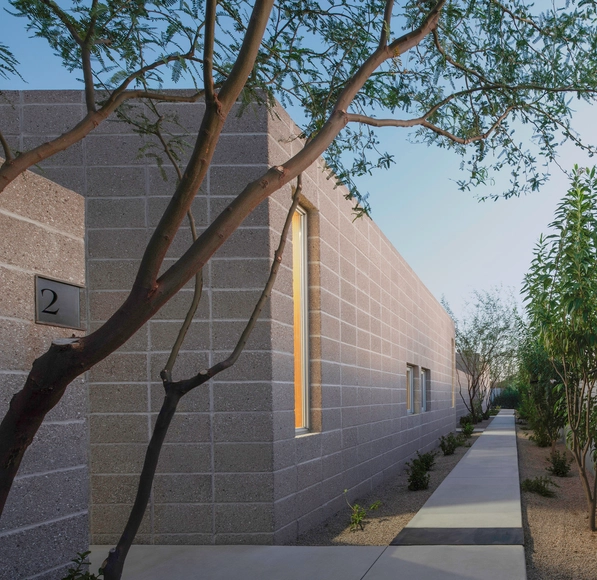
Once seen as purely utilitarian, bare concrete blocks have increasingly become part of an architectural transformation. In regions where warm climates make insulation unnecessary, this material can be left exposed, free of cladding, finishes, or embellishment. In doing so, texture, bond, and form can define the building's character and simplify construction while creating new opportunities for expression and identity. This also creates a platform to explore the concept of material honesty. Beyond its aesthetic value, using a material "as is" can significantly reduce construction costs and minimize maintenance during the building's lifespan.
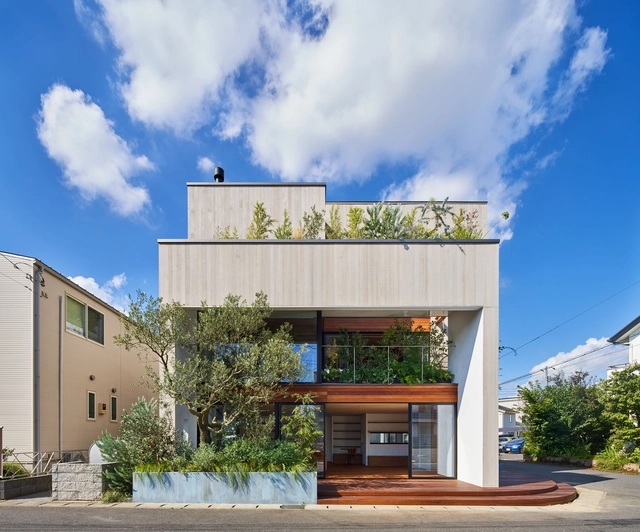
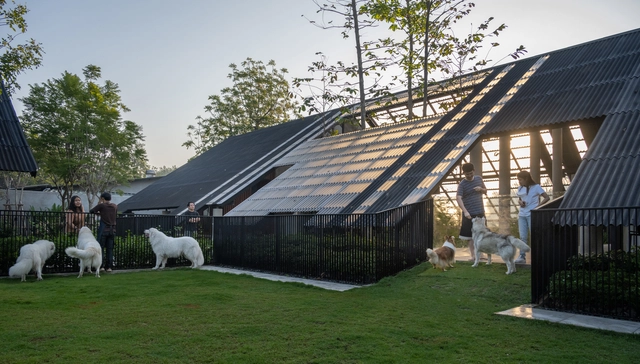
Are humans the only stewards of the built environment? For many architects and planners, spaces are designed with a focus on the needs, comfort, and health of humans. A spatial ordering, in constructed spaces and the urban fabric, designates humans as the default, singular user in this scenario. However, as much as humans have influenced the trajectory of the world, other species play a crucial role in designing, forming, and maintaining the urban landscapes of the twenty-first century.
The Pritzker Architecture Prize and the Illinois Institute of Technology’s College of Architecture present "Community: The Architect as Catalyst for Change", the 2024 Laureate Lecture and Panel Discussion, on Thursday, May 16th at 6:00 pm CDT, in partnership with the Chicago Architecture Center.
The Pritzker Architecture Prize 2024 Laureate Riken Yamamoto will deliver the lecture, "uncovering his journey in the discovery of communities throughout the world, inspiring his socially-driven architecture that blurs the boundaries between public and private dimensions". Following the lecture, Yamamoto will be joined by recent Laureates, Sir David Chipperfield CH (2023), Francis Kéré (2022), and Anne Lacaton (2021), who share a similar commitment to the value of the social system." They will discuss the responsibility of the architect as a catalyst for change and debate respective challenges of creating and bridging communities as they shape new approaches to the design of the built environment."
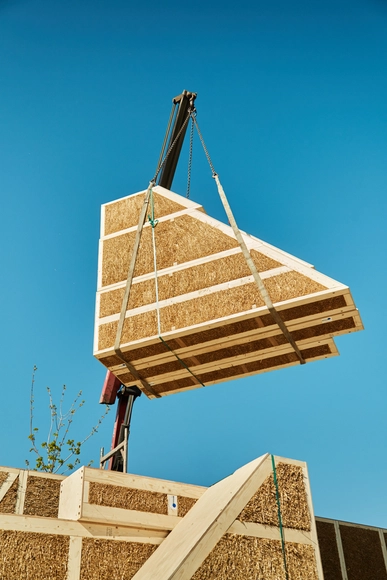
For a long time, the construction industry has followed a linear process - extract raw materials, build structures, demolish them, and then dispose of the garbage in landfills. This approach has serious negative effects on the environment and society and is inherently unsustainable. Reconsidering traditional methods and workflows requires support from all stakeholders and a sense of urgency proclaimed by authorities. In the United States, city organizations have begun to implement new policies to keep construction waste out of landfills and support circular practices. Several cities like Seattle and Pittsburgh, have started implementing deconstruction ordinances that require older buildings to be carefully deconstructed rather than demolished. How might their key provisions influence circular practices in the country?
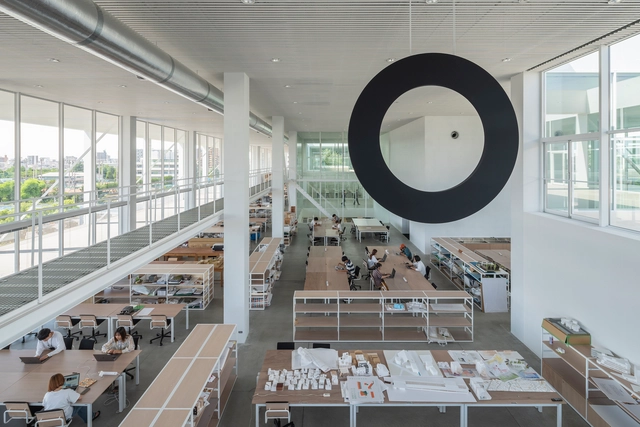
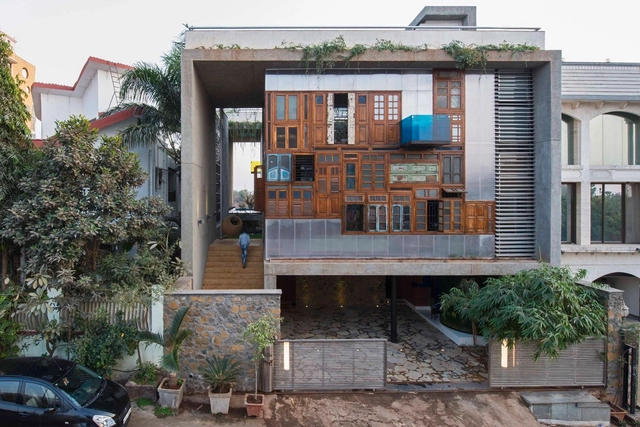
Reform and adaptation of spaces represent a significant parcel of projects ordered to architecture firms, and reuse of preexisting structures is not newness. Functions and needs change over time, therefore adaptations are required to meet new demands. However, no matter how much the maintenance of a building is, in most cases, preferred in economic and ecological sense to its demolition and a new construction from the beginning, the logic of the reuse of a space does not usually extend to its parts that become, thus, rubble.
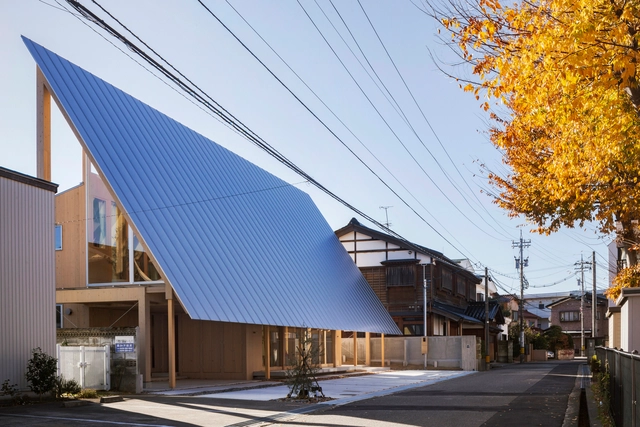
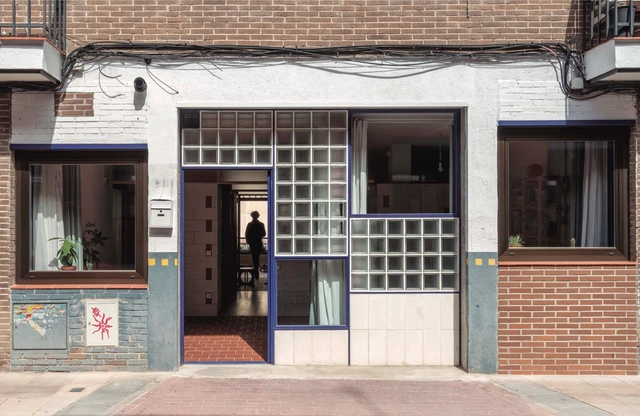
El Garaje by Nomos has been announced as the winner of the 2021 AR House Awards 2021. Selected from a shortlist of 15 global practices, the jury praised the project for how it "rethinks the housing typology as an element to reactivate underused spaces in cities and transform rigid and obsolete infrastructure into lively solutions". House Hamburgö by Manthey Kula and House in Kanazawa by Shota Nakanishi Architects also received highly commended recognition, along with honorable mentions to Beaconsfield house by Simon Pendal Architect, Weekend House by AREA (Architecture Research Athens), and Hlöðuberg artist studio by Studio Bua.
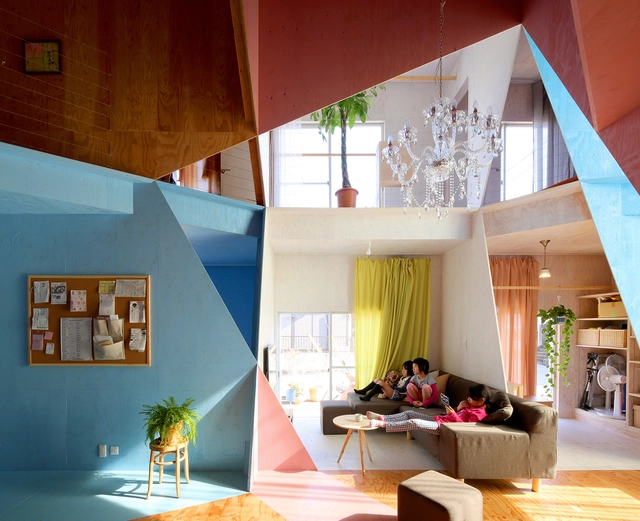
Renovation projects are often perceived as being more limited and therefore less exciting. In this article, we present renovation projects with unexpected solutions that show that it is possible to be creative when adapting and reusing an existing space.
Renovation projects - also called retrofitting, refurbishing, remodeling - are becoming increasingly popular in the market and the practice of architecture, especially after the COVID-19 pandemic.
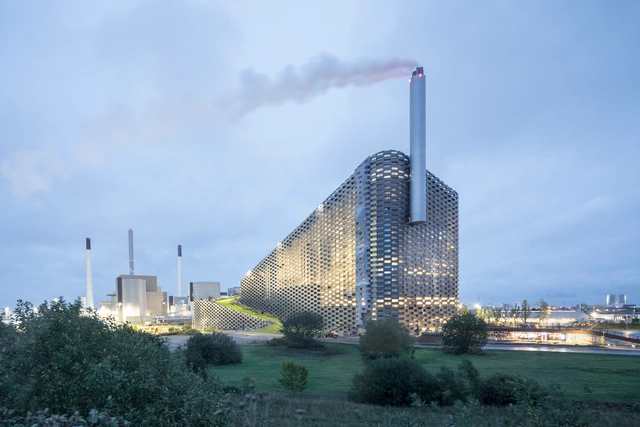
All human activities affect the environment. Some are less impactful, some much, much more. According to the United Nations Environment Program (UNEP), the construction sector is responsible for up to 30% of all greenhouse gas emissions. Activities such as mining, processing, transportation, industrial operations, and the combination of chemical products result in the release of gases such as CO2, CH4, N2O, O3, halocarbons, and water vapor. When these gases are released into the atmosphere, they absorb a portion of the sun's rays and redistribute them in the form of radiation in the atmosphere, warming our planet. With a rampant amount of gas released daily, this layer thickens, which causes solar radiation to enter and and stay in the planet. Today, this 'layer' has become so thick that mankind is beginning to experience severe consequence, such as desertification, ice melting, water scarcity, and the intensification of storms, hurricanes, and floods, which has modified ecosystems and reduced biodiversity.
As architects, one of our biggest concerns should be the reduction of carbon emissions from the buildings we construct. Being able to measure, quantify, and rate this quality is a good way to start.