

-
Architects: Takayuki Kuzushima and Associates
- Area: 112 m²
- Year: 2020
-
Manufacturers: LIXIL
-
Professionals: Komatsu Structural Design
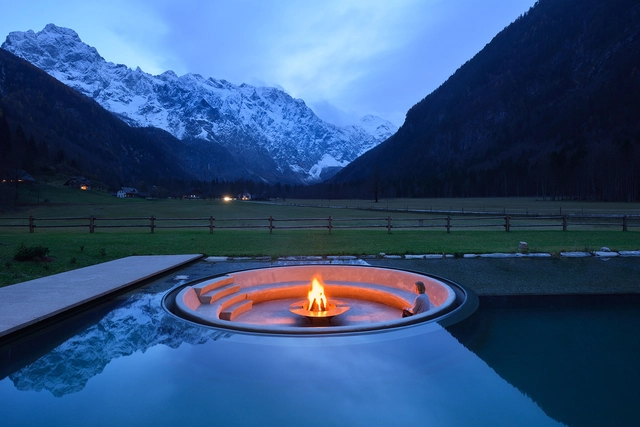
Yuval Noah Harari points out that, around 300 thousand years ago, Homo erectus, Neanderthals, and ancestors of Homo sapiens already used fire daily. According to the author of the international bestseller “Sapiens,” fire created the first significant gap between man and other animals. "By domesticating fire, humans gained control of an obedient and potentially limitless force." Some scholars even believe that there is a direct relationship between the advent of the habit of cooking food (possibly due to the domestication of fire) and the shortening of the intestinal tract and growth of the human brain, which allowed human beings to develop and create everything we now have.
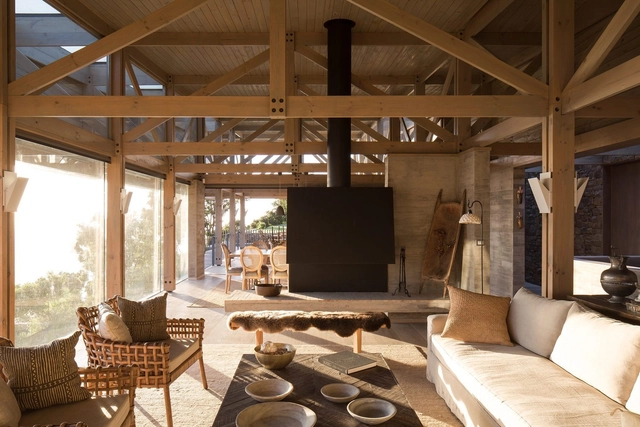
Timber trusses are wooden structural frameworks used to support roofs or other heavy structures. Fabricated from a series of triangles linked by a ridge beam and purlins, wooden trusses are structurally advantageous due to their high strength-to-weight ratios and corresponding ability to support long spans. However, these structural components can also be used for aesthetic ends, and when left exposed, can complexify, beautify, and open an interior space.
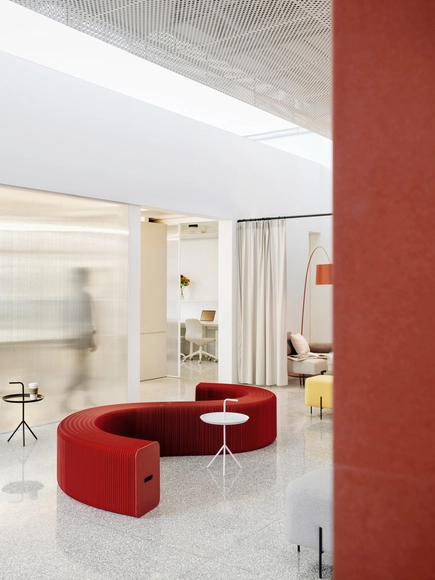
Diversifying the materials of an interior space can greatly improve its depth and visual interest. At the same time, adding partitions or other delineations of internal space can help organize flow, circulation, and visibility. Polycarbonate, a type of lightweight, durable thermoplastic, is an excellent medium for both functions.
In its raw form, polycarbonate is completely transparent, transmitting light with nearly the same efficacy as glass. However, it is also lighter and stronger than glass and tougher than other similar plastics such as acrylic, polystyrene, ABS, or nylon, making it a good choice for designers seeking durable, impact and fire resistant materials that still transmit light. Like glass, it is a natural UV filter and can be colored or tinted for translucency, yet it is also prized for its flexibility, allowing it to be shaped into any size or shape. Finally, it is easily recyclable because it liquefies rather than burning, making it at least more environmentally friendly than other thermoset plastics. For example, recycled polycarbonate can be chemically reacted with phenol in a recycling plant to produce monomers that can be turned back into plastic.
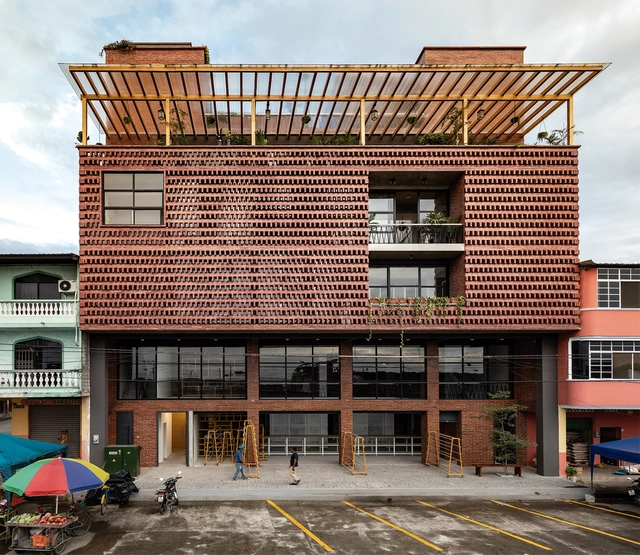
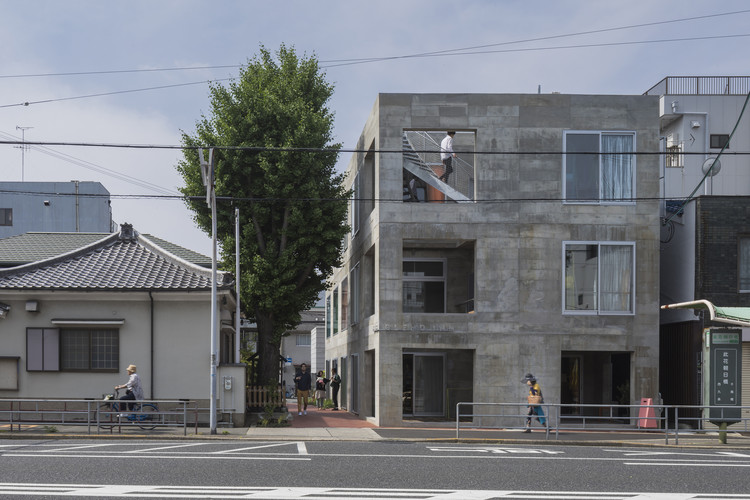
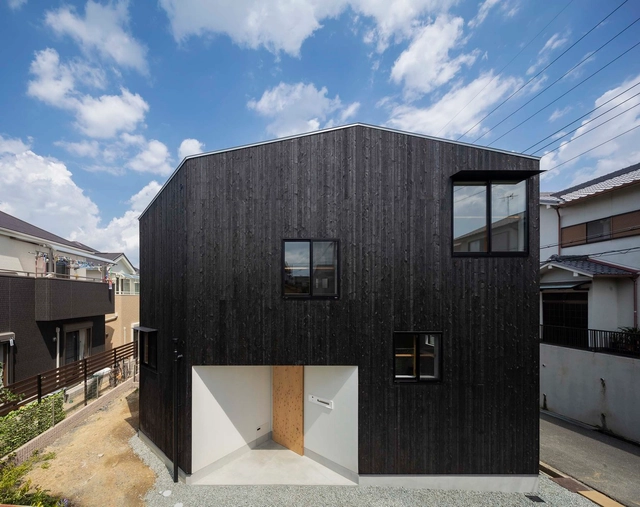
Single family homes are undergoing a quiet transformation in recent years. Increasing land costs, the growth of urban settlements, and the lack of available space for construction have triggered an increase in the development of mixed-use housing. The result is that architects have begun to incorporate more community programs within private residential projects. We can now find homes that integrate commercial, cultural, educational, or industrial uses. This not only provides diversity and efficiency, but also allows surrounding neighborhoods to be revitalized through mixed programs that foster social engagement, interaction and connection.
These type of projects can be created both vertically - in a 2 or 3-story house - and horizontally, using two neighboring lots or around an open space. The following are 12 examples of modern mixed-use homes.
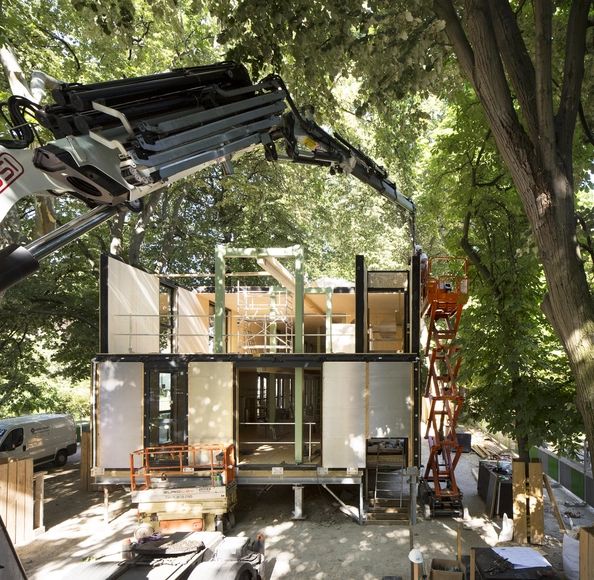
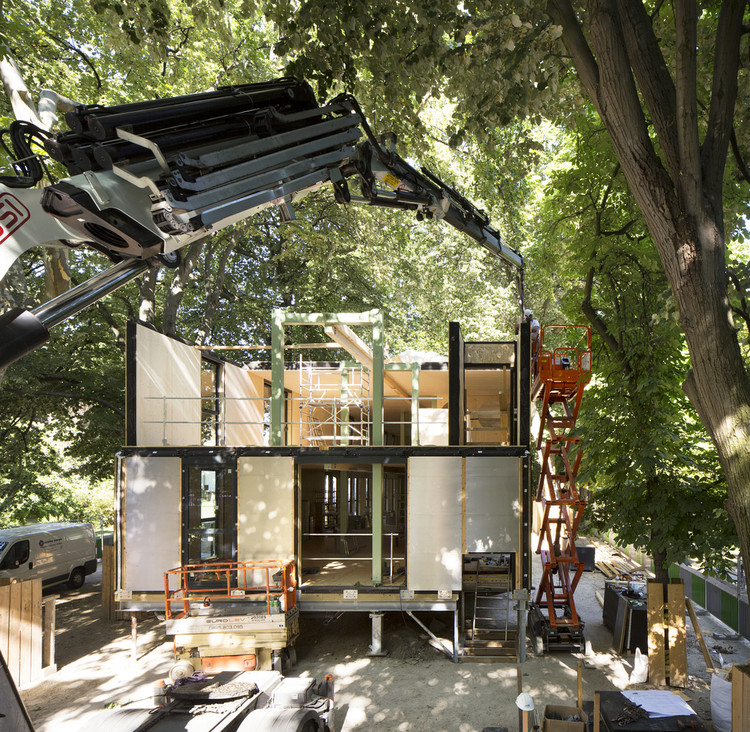
The concept of Design for Disassembly (DfD for short) gained increasing traction in recent years, as it addresses the growing concern around the high consumption of resources and low recycling rate within the construction industry. The following article details on the method and features guidelines for a design process that facilitates the dismantlement of future buildings, with the scope of providing a better understanding of this principle within the broader framework of the current practice and circular economy.
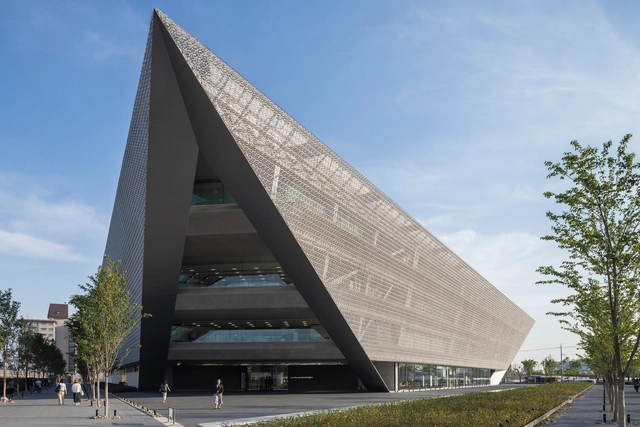
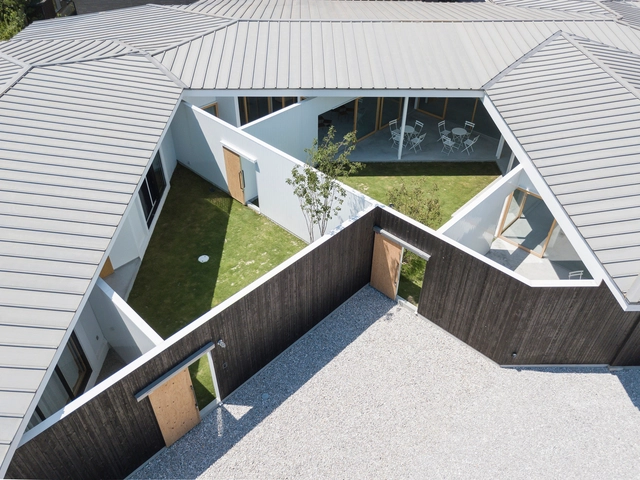
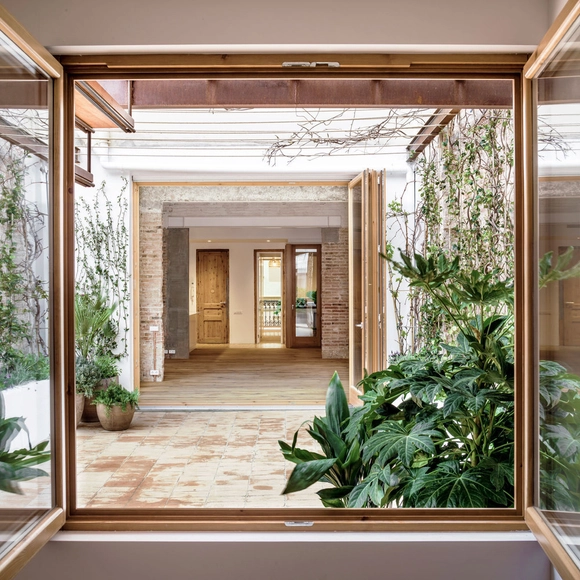
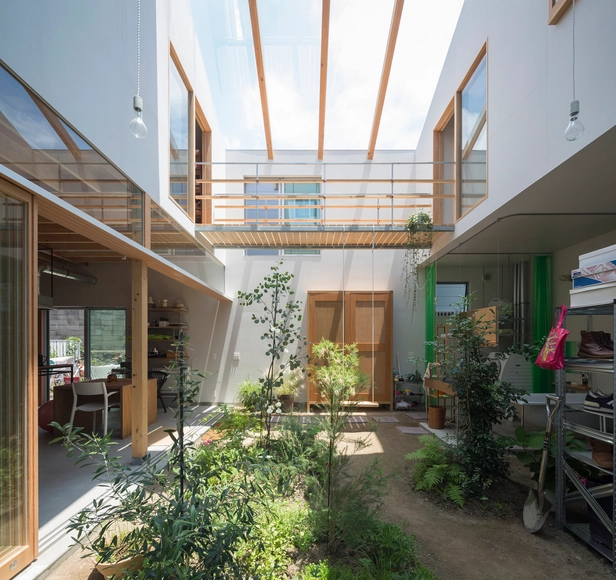
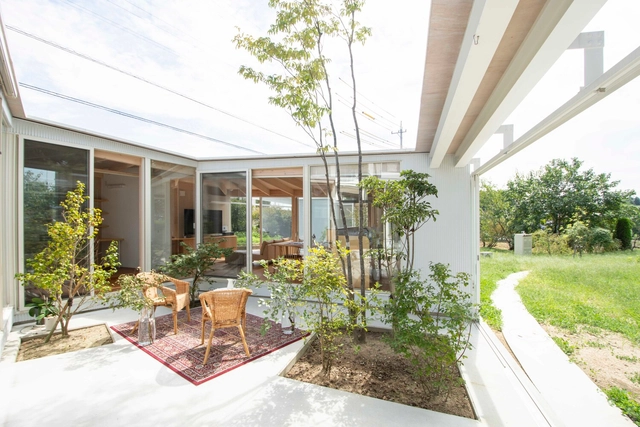
Indoor gardens can contribute important benefits to home living, ranging from aesthetic beauty to improved health and productivity. Research has shown that indoor plants help eliminate indoor air pollutants called Volatile Organic Compounds (VOCs) that emanate from adhesives, furnishings, clothing, and solvents, and are known to cause illnesses. They also increase subjective perceptions of concentration and satisfaction, as well as objective measures of productivity. Indoor gardens may even reduce energy use and costs because of the reduced need for air circulation. These benefits complement the obvious aesthetic advantages of a well-designed garden, making the indoor garden an attractive residential feature on several fronts.
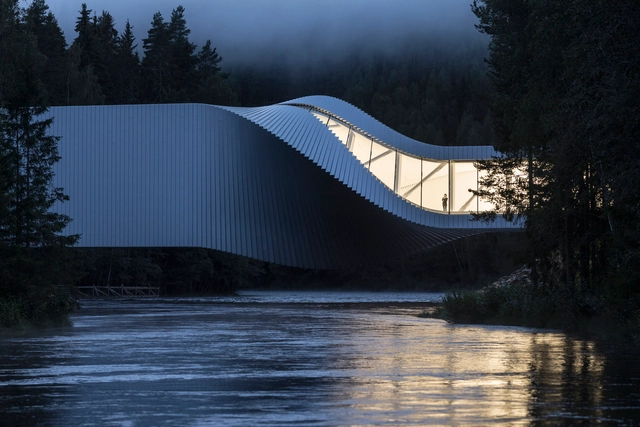
Because, for all the inspirational works across the world, we would be lost without the photographers dedicated to sharing this inspiration with us. Here we present to you the most influential architectural photographs of the year.