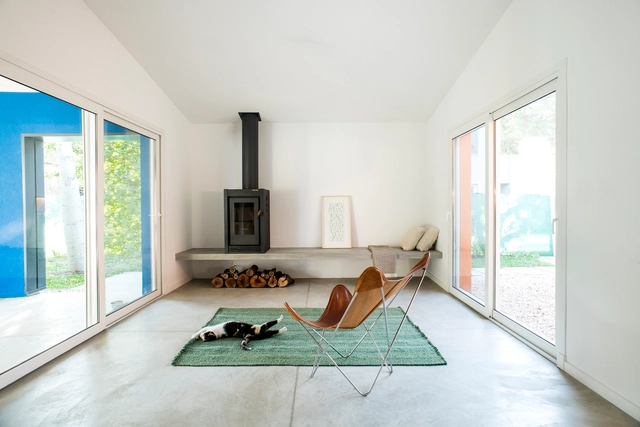
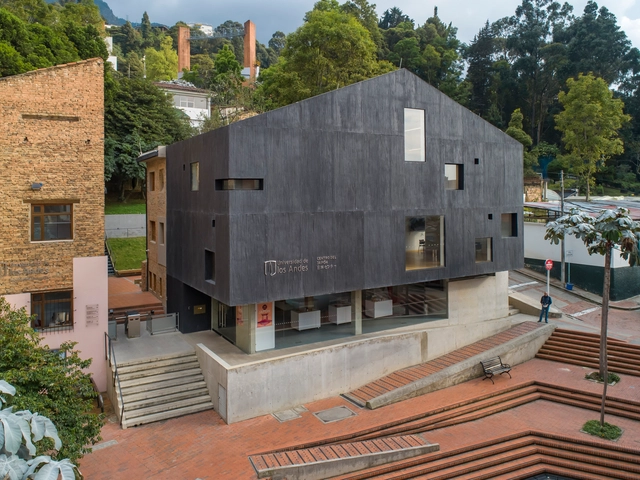
Our partner Vidrio Andino has shared valuable insights into the world of glass with us, helping us better understand how the material behaves and guiding us in choosing the right glass for our architectural projects.
From A to Z, read on to discover why thermal shock should be avoided, what solar factor actually means, and exactly what tempered glass is.
As is tradition, digital travel platform TripAdvisor has released the results of the 2018 Travelers' Choice awards. These accolades are determined by millions of reviews posted on the website, measuring "the year-over-year increase in positive traveler review ratings," the company explains. Additionally, these cities "have also experienced an increase in search traffic and booking interest" for accommodations.
According to Brooke Ferencsik, communications director at TripAdvisor, the selected cities share the fact that "they all have excellent accommodations, wonderful restaurants, and exceptional attractions for every travel budget."
In South America, six countries are represented on this year's list. Below, discover the ten cities chosen by TripAdvisor users:
The close relationship between architecture and landscape in Latin America is undeniable. This is due not only to the region's geographical, climatic, and ecological diversity, but also to how these countries have built and shaped their cities amidst progress and setbacks. Among these ongoing achievements is a growing respect for the landscape, an architectural language tailored to its context, and solutions designed for its diverse climates.
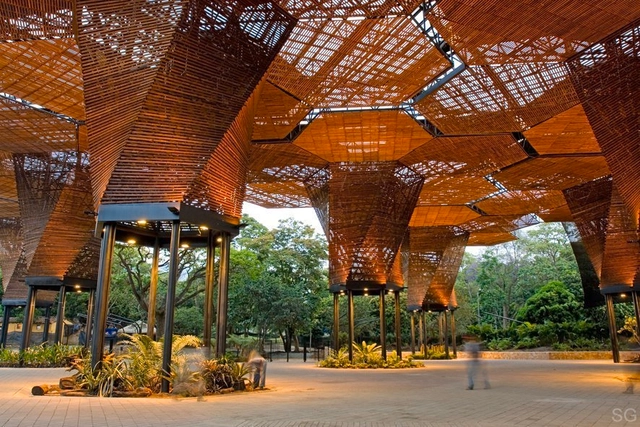
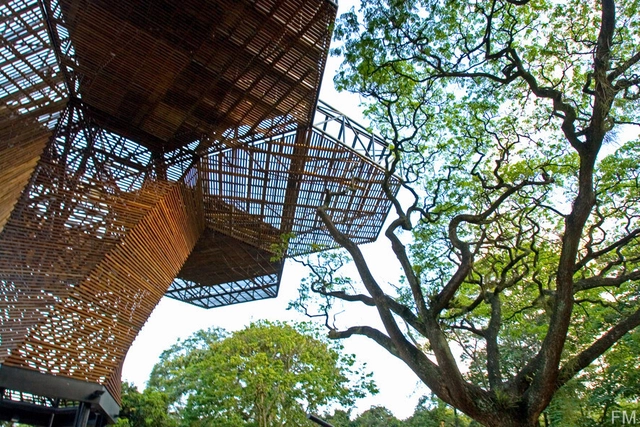
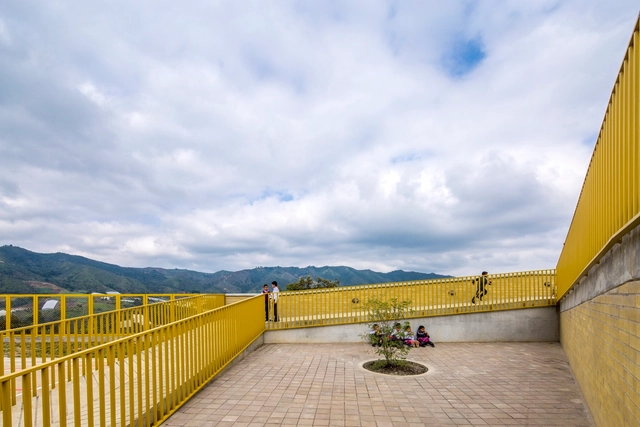
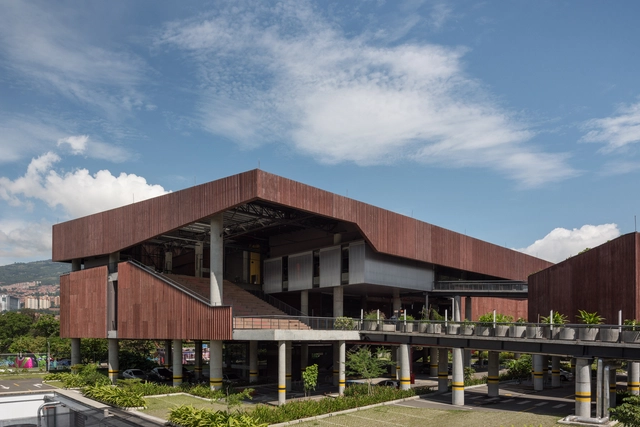
For this selection, we have chosen 10 projects in Colombia that have successfully adapted to their landscape, both in form and construction, across both urban and rural contexts.
Founded by architects Felipe Mesa and Federico Mesa, the Plan:b arquitectos studio is located in the city of Medellín, Colombia, bringing together building design, participation in academic activities, and the construction of concepts capable of connecting architecture with the urgent realities of everyday life. Understanding the architectural project as a provisional pact, permeable configuration, and positive expression of eco-social constraints, they have constructed a large number of buildings of various scales and programs since 2000, ranging from public, educational, and sports spaces to housing, offices, hotels, and installations.
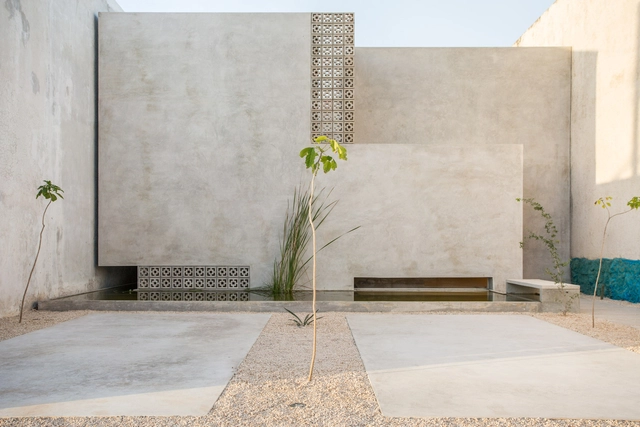
Due to its ability to mold and create different shapes, concrete is one of architecture's most popular materials. While one of its most common uses is as a humble foundation, its plasticity means that it is also used in almost all types of construction, from housing to museums, presenting a variety of details of work that deserves special attention.
Check out this collection of 40 projects that highlight the use of concrete. Impressive!
For much of the world, this past year was spent within the confines of our homes, undoubtedly blurring the lines between our public, professional, and private lives and transforming our living spaces into places of work and productivity. This transformation of spaces and how they are used is nothing new in the world of architecture as countless spaces take on various roles beyond what they were originally designed for--a fact reflected in their layout, design, and the materials used within them.
Originating as protection against low temperatures around 3,500 years ago, carpets and rugs have, over time, evolved into a true art form, reaching a high level of specialization by the 16th century. Rugs, carpets, and tapestries of various shapes, colors, textures, and patterns are integrated into different areas of the home to meet users' needs and enhance spatial comfort, sometimes extending far beyond their original purpose.
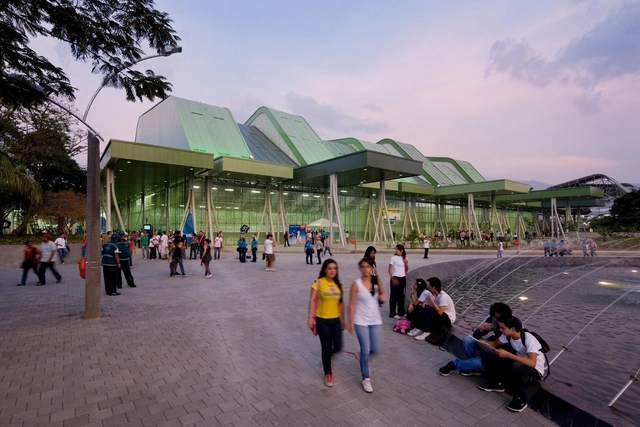
In 2013, Medellín (Colombia) was declared the most innovative city in the world as part of the City of the Year Competition, organized by the Wall Street Journal. It competed alongside metropolises like New York and Tel Aviv.
The Antioquian capital has become one of the most advanced technological and intellectual epicenters in Colombia, not to mention the important urban development that has occurred in the city since the beginning of 2010. The city’s mobility-orientated integrated infrastructure together with interventions of high social impact have turned Medellín into the center of the debate on the growth and development of Latin American cities.
The following projects tell you the story of a city that bet on urban consolidation through quality public spaces and projects that encouraged citizen management by supporting the development of marginalized areas in a process of social reconstruction, where architecture has played an important role as a spatial formulation tool.
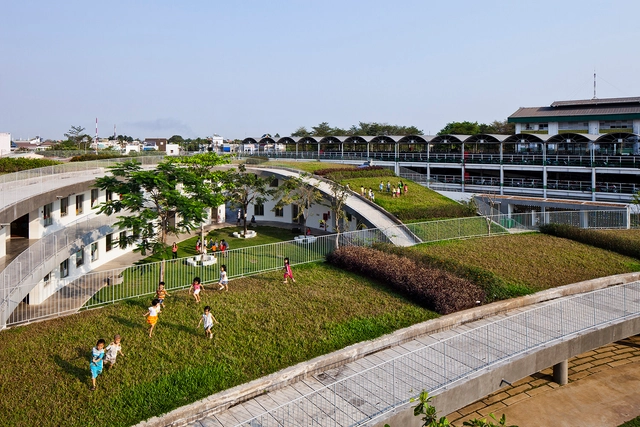
In the face of an unprecedented climate crisis, green roofs are increasingly establishing themselves as a global architectural trend, providing multiple social, economic, and environmental benefits in urban areas. Following the example of pioneering models like Copenhagen's, cities around the world are replacing gray roofs with green ones in an effort to move toward a more sustainable and healthy future. As a result, integrating green roofs has become a recurring practice in projects aiming to address the inherent challenges of the contemporary city.
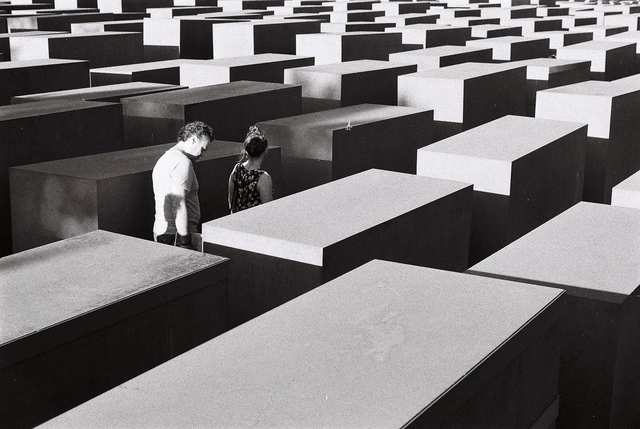
Memorial to the Murdered Jews of Europe. Photo by Alessio Maffeis, via Unsplash
Everything built through human physical and intellectual labor carries meaning. It is within physical matter that we find the remains of ancient civilizations, and through these records, we understand their characteristics, the technologies involved, and their social organization. Cities and major urban centers hold layers upon layers of events recorded in their streets, buildings, plazas, and parks. Often, depending on the development of the place, this evidence is gradually erased, disregarded, and altered.
The City Prosperity Index, CPI, set by UN-Habitat, evaluates urban prosperity according to five parameters as productivity, infrastructure development, environmental sustainability, quality of life, and equity/social inclusion. To a greater or lesser extent, these five factors are represented in the street pattern of every city in the world. Streets have multiple functions as the mobility of people and goods, the supply of energy, water, and information, the collection of waste, the growth of trees, plants, insects or birds, the shadow and sun radiation, the bench where to sit, the place to salute and talk with your neighbors, a playground, or the access to the bakery where you buy the bread. In this sense, streets are public and vibrant spaces, which can perform multiple functions and activities.
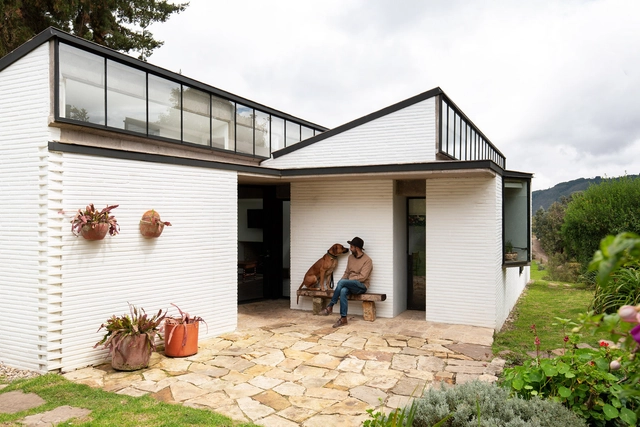
For houses throughout the world, the barriers between the inside and outside of houses are solid and well-defined, allowing the spaces within the home to be protected from the weather conditions outside and made comfortable for the inhabitants inside. In countries like Colombia, which sit close to the equator and enjoy a warm, subtropical climate, temperatures average just above ideal thermal comfort.
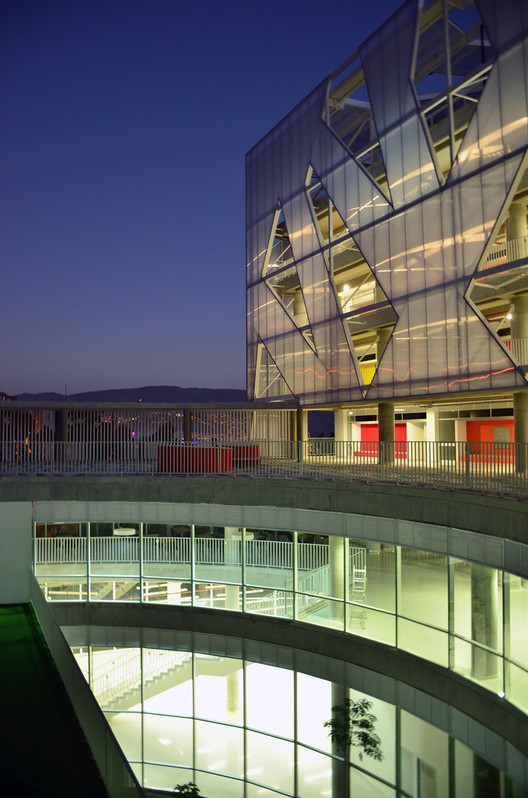
Educational architecture is crucial for creating spaces that, not only nurture and mold the minds of the future generations, but also provide spaces for the wider public to come and share knowledge and ideas.


.jpg?1542810627&format=webp&width=230&height=230&crop=true)