
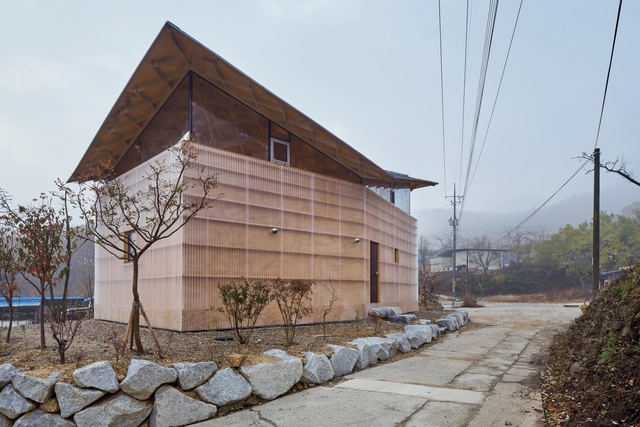
House for Rejuvenation / JK-AR


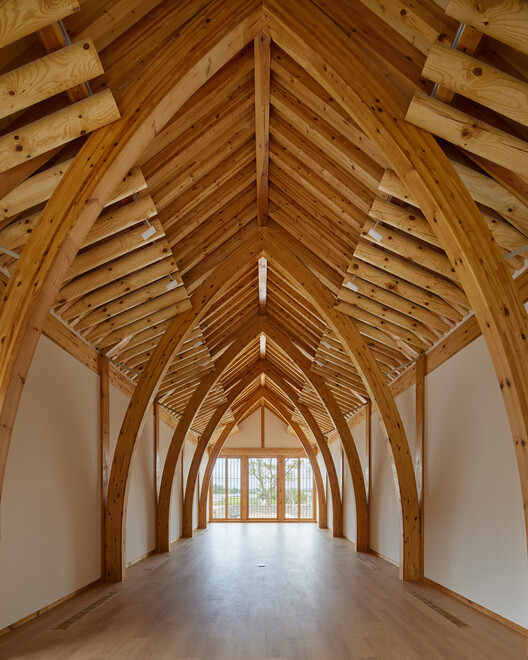
https://www.archdaily.com/1042204/house-for-rejuvenation-jk-arMiwa Negoro
C104-9 House / AEA_Atelier Espace Architectes


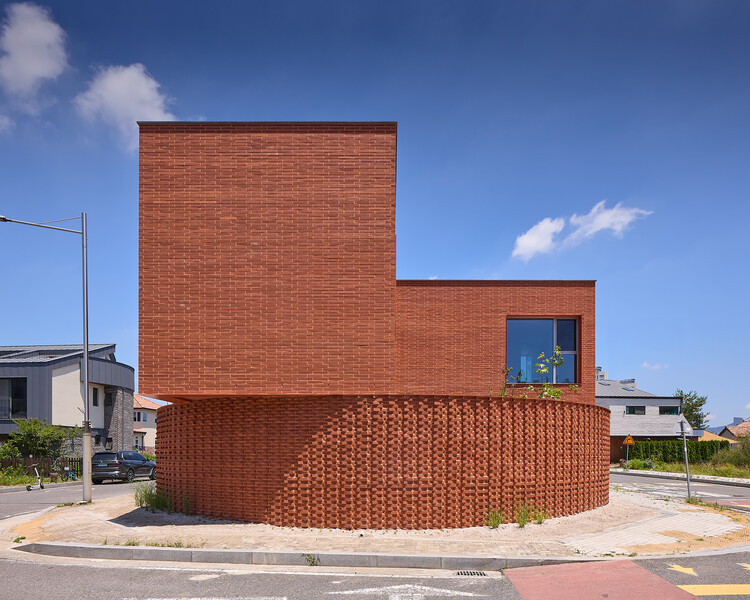
-
Architects: AEA_Atelier Espace Architectes
- Area: 120 m²
- Year: 2025
https://www.archdaily.com/1034226/c104-9-house-aea-atelier-espace-architectesMiwa Negoro
Wonderful Wooman / IDR Architects
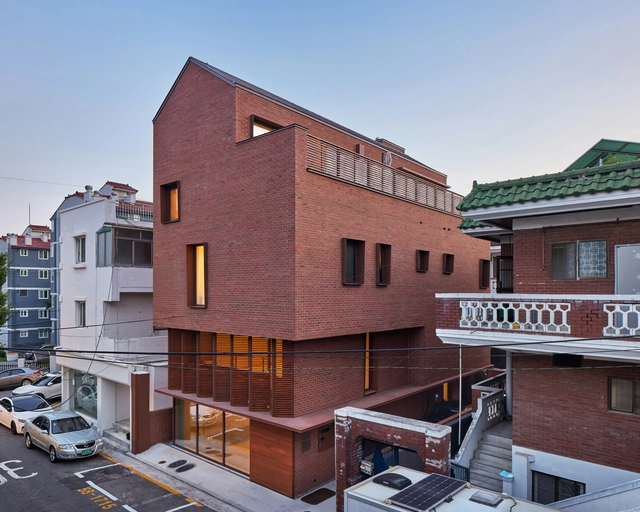


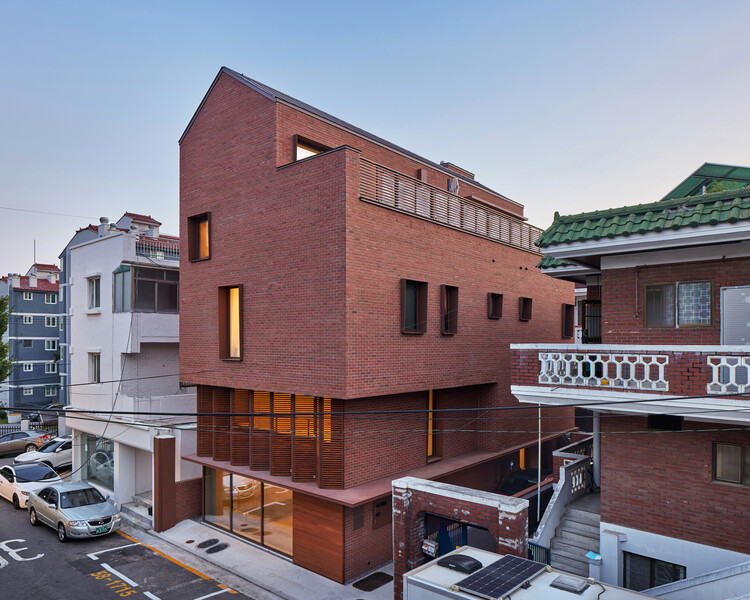
https://www.archdaily.com/1031030/embargo-wonderful-uman-house-idr-architectsMiwa Negoro
When Old Meets New: JK-AR's Reinvention of the Traditional East Asian Bracket System through Digital Carpentry
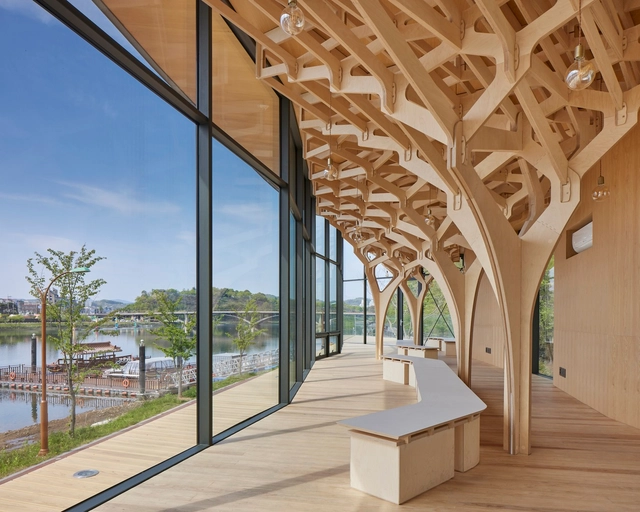
By imagining an alternative reality and rediscovering his cultural background, architect Jae Kyung Kim of JK-AR established his identity as an architect when creating his practice, selected as one of ArchDaily’s New Practices 2023. After studying and working in South Korea and the US, he’d noticed an absence of traditional Asian architecture, which had peaked his interest. He began to thoroughly look at a possibility where the traditional timber buildings of East Asia had still been relevant and continued to evolve.


https://www.archdaily.com/1009135/when-old-meets-new-jk-ars-reinvention-of-the-traditional-east-asian-bracket-system-through-digital-carpentryHana Abdel
Songpa Wirye Kindergarten / TAAL Architects


-
Architects: TAAL Architects
- Area: 1964 m²
- Year: 2022
-
Manufacturers: KGaA, Sto SE & Co.
-
Professionals: PH6 Design Lab
https://www.archdaily.com/1005729/songpa-wirye-kindergarten-taal-architectsHana Abdel
The Pavilion of Contemplation / JK-AR
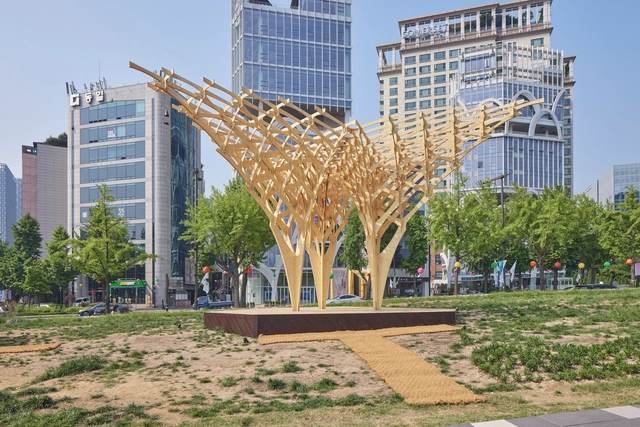


https://www.archdaily.com/1005394/the-pavilion-of-contemplation-jk-arHana Abdel
Pavilion of Floating Lights / JK-AR
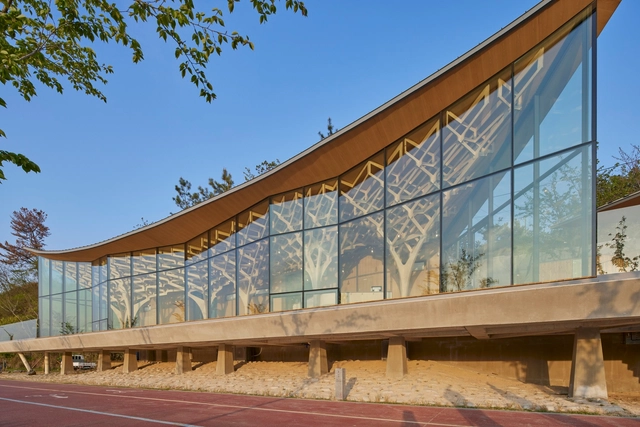


https://www.archdaily.com/1003586/pavilion-of-floating-lights-jk-arHana Abdel
2022 'Best!' Buildings

With the rise of social media, we have entered an era of a multimedia "society of the spectacle," where the influence of images on the public grows year by year. Visually-driven media platforms are increasingly dominating the market, serving as an alternative form of travel that allows people to experience breathtaking scenes from around the world without leaving home. Dedicated to bringing design inspiration to the public, ArchDaily established its presence on Instagram years ago. In 2022, we expanded onto China’s Xiaohongshu (RED), hoping to share exceptional projects with a broader audience. As expected, the influence of star architects remains strong, while playfulness, aesthetics, and relevance emerge as key terms guiding reader interest. Here, we present the top 20 most-liked architectural projects of 2022 on ArchDaily’s official Xiaohongshu and Instagram accounts. Read on to discover the public's architectural preferences.
https://www.archdaily.com/1136300/2022-best-buildingsJuly Shao
Merger Between Two of the Largest Co-Living Operators Habyt and Common: The Co-Living Sector is Rebounding
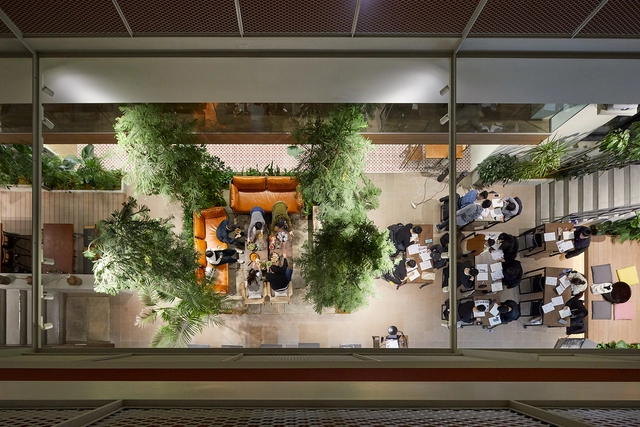
The interest in co-living is on the rise, a direction emphasized by the merger between the largest co-living operator in the US, Common, and their European equivalent, Habyt. The two companies manage more than 4,000 apartments in the US and 7,000 apartments in Europe and Asia, as reported by The Wall Street Journal. The term co-living refers to a modern form of group housing where residents share communal spaces for socializing, cooking, and gathering, and have access to shared amenities such as cleaning services or dog walking.


https://www.archdaily.com/995134/the-co-living-sector-is-rebounding-as-proven-by-the-merger-between-two-of-the-largest-co-living-operatorsMaria-Cristina Florian
Tree Series Installation / JK-AR
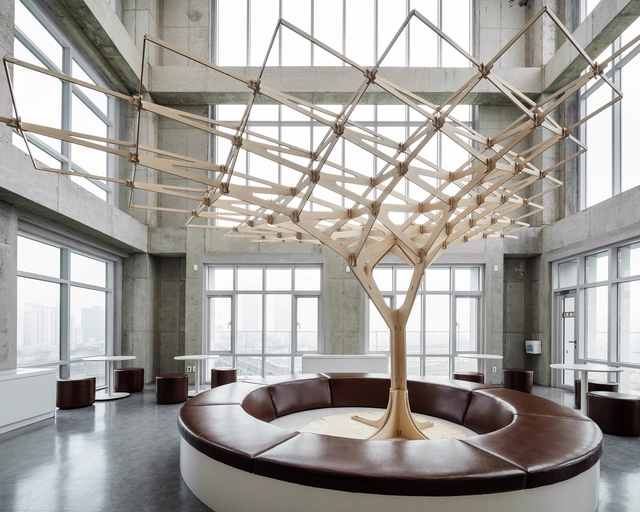


https://www.archdaily.com/993702/tree-series-installation-jk-arHana Abdel
YG Headquarters / UNStudio
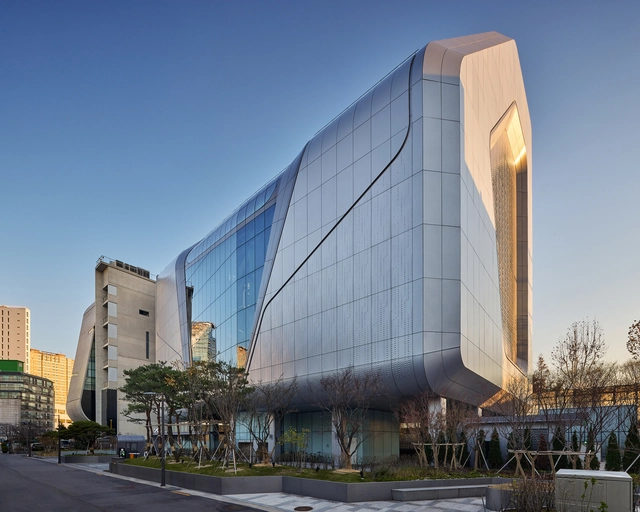


-
Architects: UNS
- Area: 18801 m²
- Year: 2021
-
Professionals: UNStudio, Gansam Architects & Partners Co. Ltd, Eomji House, Studio Yuul, a•g Licht
https://www.archdaily.com/978531/yg-headquarters-unstudioBianca Valentina Roșescu
Best Articles of 2020
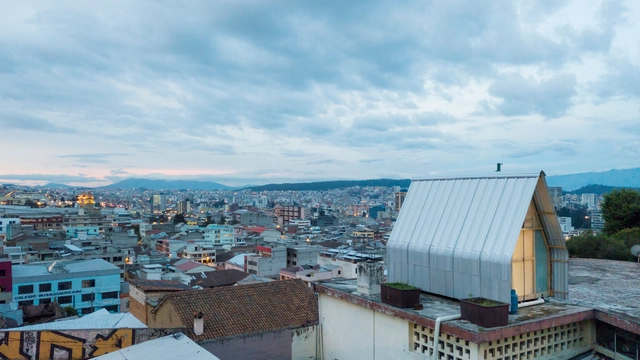
Despite all the hurdles and the pain, 2020 did not fail us in terms of content. Reacting to the global situation, ArchDaily's team of editors has tackled all the pressing issues that occurred this year and influenced the worldwide state of turmoil. While the whole planet was on pause, these writers were in search of critical substance, seeking to produce exclusive editorial pieces that highlight present-day topics and concerns. Generating articles in 4 languages, English, Spanish, Portuguese, and Chinese, this group of diverse individuals provided both local and global perspectives, reaching everyone that “talks architecture”.
Aspiring "to empower everyone who makes architecture happen to create a better quality of life", ArchDaily’s selection of best articles is the result of many aspects. Some of the choices explored distinctive subjects while others were very well-received among our readers. Emphasizing its academic standards, our platform focused its efforts on covering a vast range of ideas, from the consequences of the pandemic on the built environment, cities and their transformations, technical expertise and material specifications, to artificial intelligence and the future.
https://www.archdaily.com/953241/best-articles-of-2020Christele Harrouk
From Ancient to Modern: Modular Construction in Chinese Timber Architecture

As our cities continue to grow and expand rapidly, there has been an increasing demand for architects and craftsmen to build houses more cost-efficiently under tight deadlines. Modular architecture has been introduced as a concept which involves assembling multiple pre-fabricated modules on site to create a working unit. By joining similar elements together in various ways, modular architecture allows for more flexibilities in design and standardized repair.
https://www.archdaily.com/949479/from-ancient-to-modern-modular-construction-in-chinese-timber-architectureScarlett Miao
Nowon Women's Education Center / TPL Architects


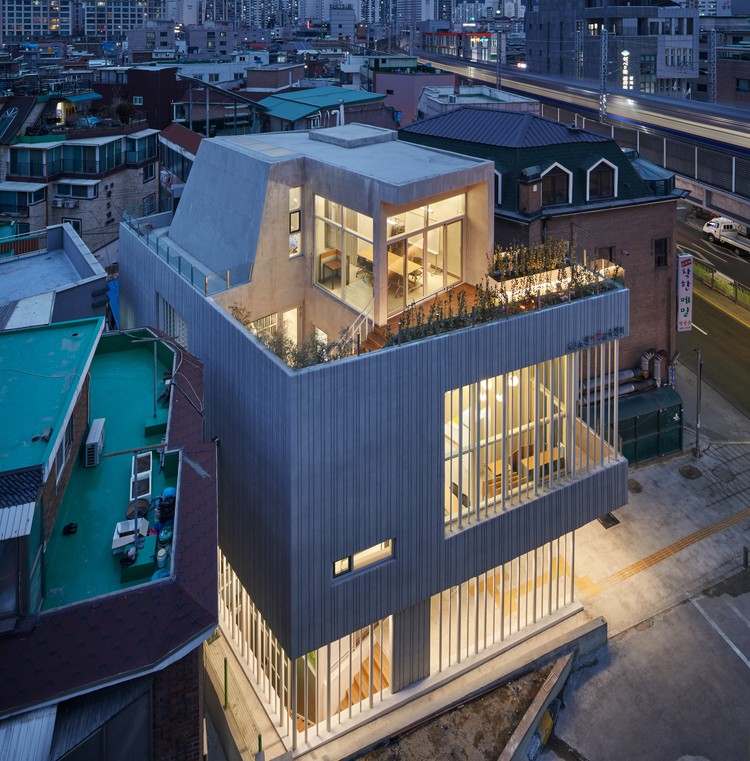
https://www.archdaily.com/948121/nowon-womens-education-center-the-place-design-labHana Abdel
The Evolution of Shared Space: Privacy vs. Openness in an Increasingly Dense Architecture

Density has long been an essential consideration for architects and urban planners, yet its importance has only increased as the world’s urban population skyrockets and cities become denser and denser. For much of the history of urban planning, this term has been plagued with negative associations: overcrowding, poverty, lack of safety, and so-called ‘slums.’ The garden city movement, initiated by Ebenezer Howard in 1898, sought to remedy these ills by advocating for greenbelts and anti-density planning. Le Corbusier’s Radiant City is one of the most well-known urban plans building from these ideals. Yet in the 1960’s, sociologist Jane Jacobs famously overturned these long influential urban planning concepts: she pointed out that density of buildings was not identical to overcrowding of people; suggested that some highly dense urban areas, like her neighborhood in Greenwich Village, were safer and more attractive than nearby garden city projects; and highlighted how America’s conception of ‘slums’ were often rooted in anti-immigrant and anti-Black ideologies. Density is not inherently bad, she suggested, but it has to be done well. Today, we continue to grapple with the question of how to design for our increasingly dense cities – how do we keep them open, but simultaneously private? Free, but controlled when necessary? In particular, how do we keep them safe – both from crime and, in the age of COVID-19, disease?
https://www.archdaily.com/945415/the-evolution-of-shared-space-privacy-versus-openness-in-an-increasingly-dense-architectureLilly Cao
Treehouse Coliving Apartments / Bo-DAA
.jpg?1580227103)
.jpg?1580227081&format=webp&width=230&height=230&crop=true)

.jpg?1580227985&format=webp&width=230&height=230&crop=true)

.jpg?1580239309)
-
Architects: Bo-DAA
- Area: 4810 m²
- Year: 2018
-
Manufacturers: Amadas, Marmoleum
-
Professionals: Kolon Global, Hanki Engineering and Architecture, Kidea Partners
https://www.archdaily.com/932735/treehouse-apartment-building-bo-daaHana Abdel
The House of Three Trees / JK-AR


https://www.archdaily.com/921955/the-house-of-three-trees-jk-arPaula Pintos