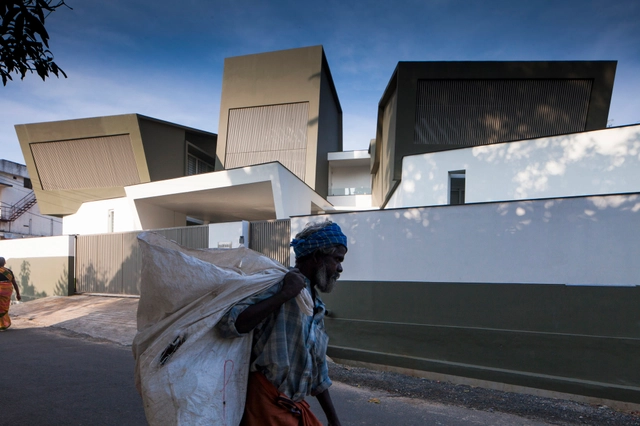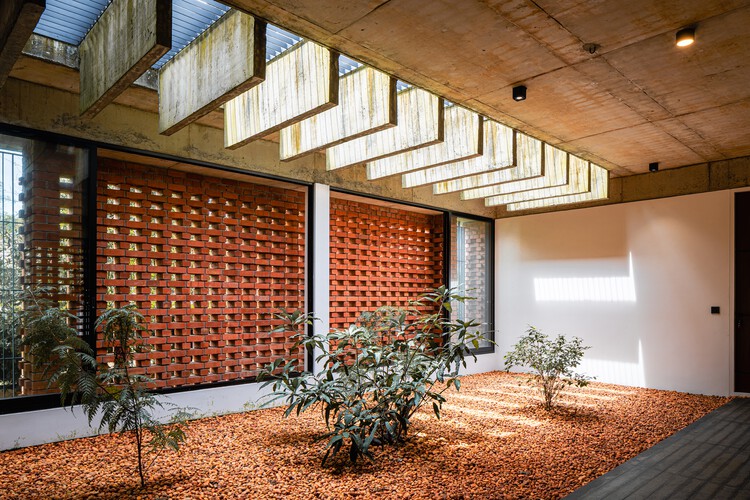
-
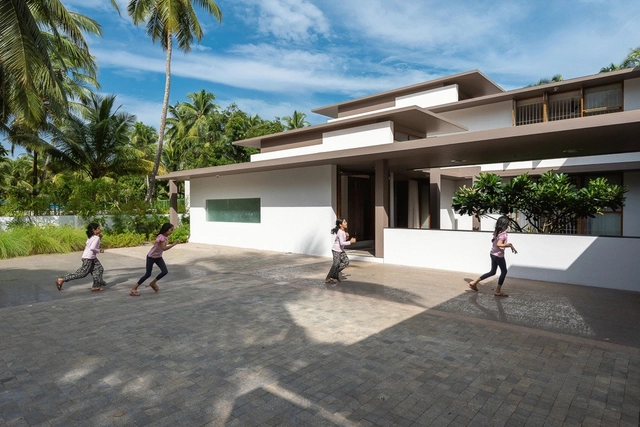
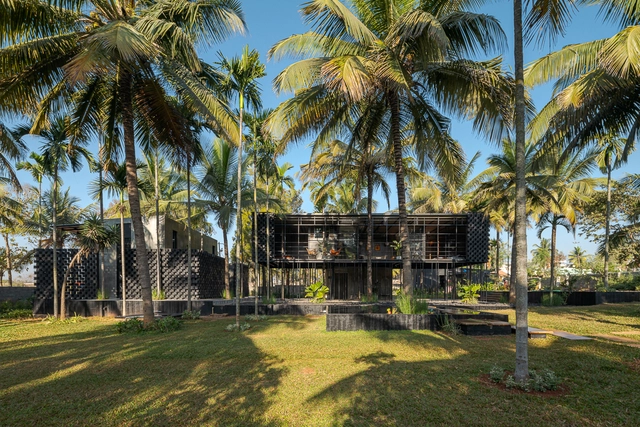
Architects: LIJO.RENY.architects
- Area: 383 m²
- Year: 2023
-
Professionals: Keystone Engineers
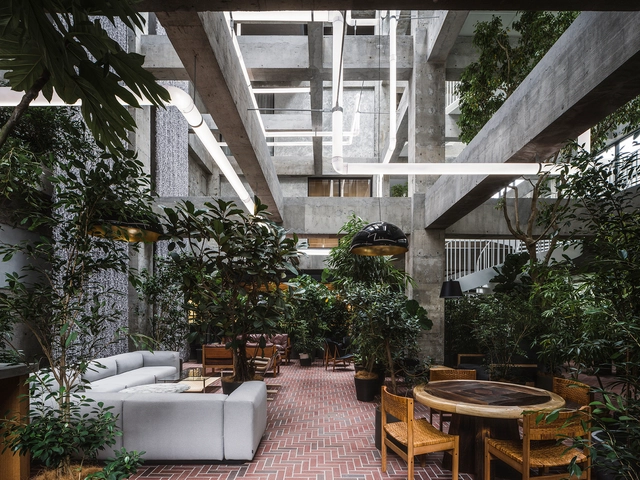
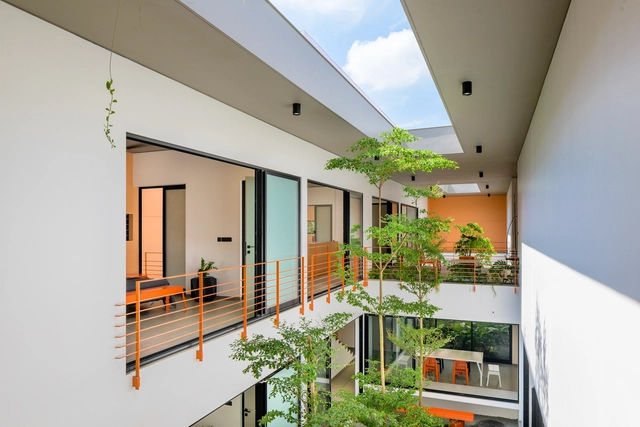
There is not enough that can be said about the benefits of incorporating plants in interiors or Plantscaping. Integrating vegetation indoors serves many purposes, whether practical, aesthetic, or psychological. Although there are basic requirements for incorporating greenery into Homes, well-thought-out plant selections and placements are characteristically different across the world. By going over recent interior works, a few recurrent plantscaping design patterns arose, each reflective of distinctive climates, building styles, and traditional building techniques.
While the type of the chosen plants varies depending on favorable conditions for growth and local availability, the main distinctions are related to the direct environment and display method in which the vegetation is set, as well as its intended purpose. While plants are there to offer mental wellness to some, they are essential for cooling to others, or could even be meant for small-scale farming.
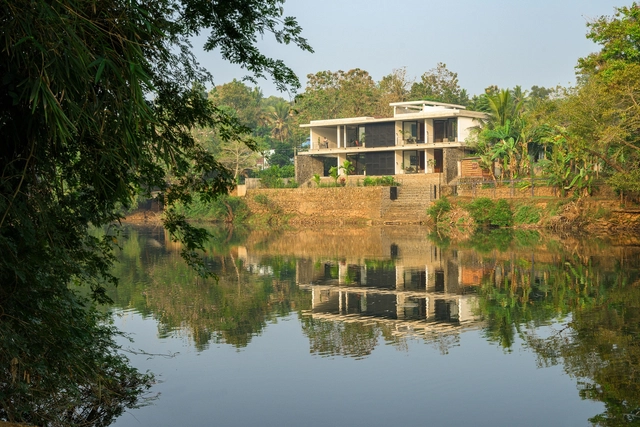
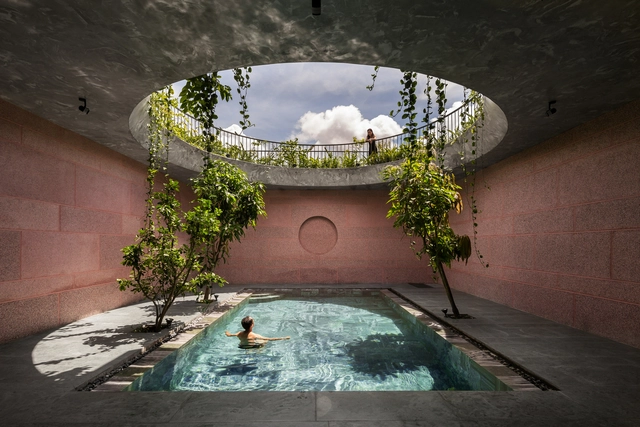
Designer pools bring status to luxury homes and five-star hospitality spaces. But adding the cooling, calming, energizing, and environmental benefits of a hyper-local water body to a residence can far outweigh the cost of installation. With a range of long- and short-term landscaping options possible, meanwhile, luxury is available, whatever the budget.
Most pools are built below ground to retain unobstructed visuals above. While all in-ground pools start off the same way – with excavation, then connecting the plumbing and filtration systems – the main difference is in the construction of the pool’s basin. The simplest and quickest method is to lower a pre-fabricated reinforced plastic pool or pre-cast concrete basin into the cavity, before connecting the pipework and backfilling the recess with sand. But this is only suitable for off-the-shelf pools with simple geometries. In order to make the most efficient use of all available space, bespoke pool shapes and sizes are best achieved by pouring or spraying concrete into a rebar or timber frame.
_(11).jpg?1612264256&format=webp&width=640&height=580)
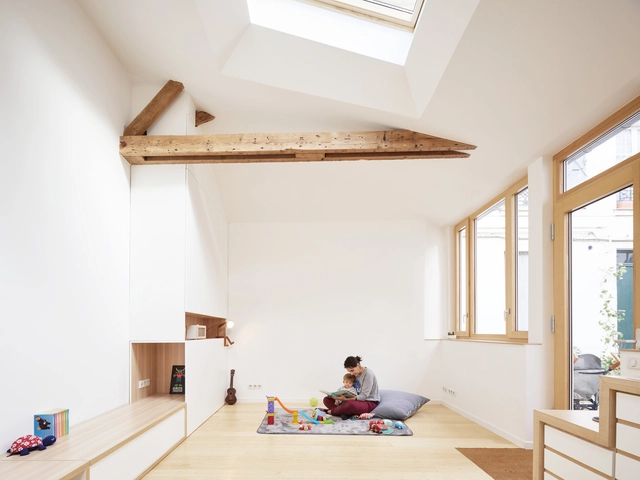
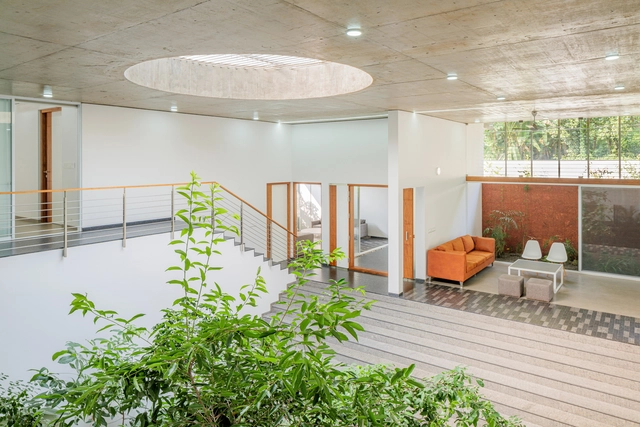
Architects are increasingly aware of our influence on the well-being and good health of the users of our projects. Natural lighting –and how it should be complemented with artificial lighting– is an essential factor to consider for the visual comfort of interior spaces. But, do we know how to handle it correctly?
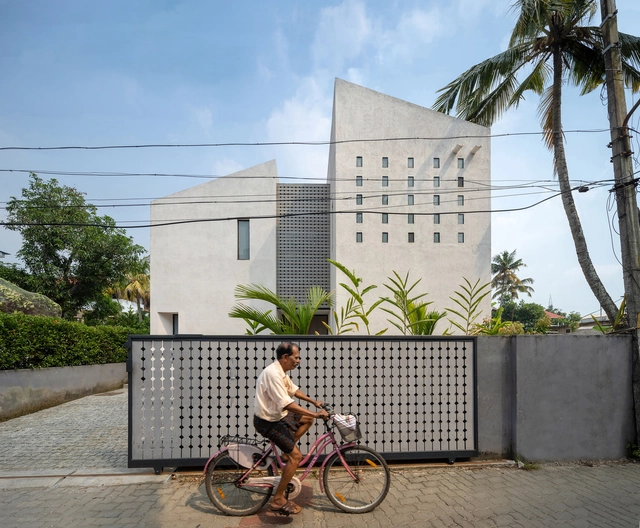
_a06b_(PM).jpg?1507156534&format=webp&width=640&height=580)
_c01_(PM).jpg?1457660123&format=webp&width=640&height=580)
_a01_(PM).jpg?1453505710)


.jpg?1593013743&format=webp&width=230&height=230&crop=true)
_LIJO.RENY.architects_PM_(27).jpg?1593013447&format=webp&width=230&height=230&crop=true)
_(8).jpg?1593013938&format=webp&width=230&height=230&crop=true)
_(17).jpg?1593014077&format=webp&width=230&height=230&crop=true)


_(PM)_(12).jpg?1612264197&format=webp&width=230&height=230&crop=true)
_(17).jpg?1612264950&format=webp&width=230&height=230&crop=true)
_(27).jpg?1612265116&format=webp&width=230&height=230&crop=true)
_(11).jpg?1612265238&format=webp&width=230&height=230&crop=true)
_(11).jpg?1612264256)
.jpg?1604431009)
.jpg?1604429784&format=webp&width=230&height=230&crop=true)
.jpg?1604429194&format=webp&width=230&height=230&crop=true)
.jpg?1604431136&format=webp&width=230&height=230&crop=true)
-B.jpg?1604429277&format=webp&width=230&height=230&crop=true)
.jpg?1604432964)


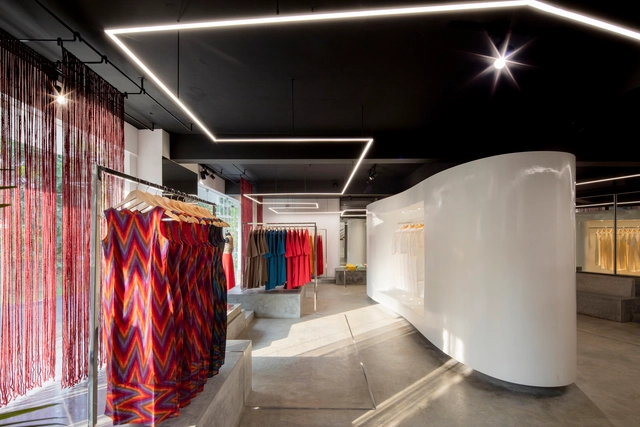
.jpg?1551229740&format=webp&width=230&height=230&crop=true)
.jpg?1551229764&format=webp&width=230&height=230&crop=true)
.jpg?1551229638&format=webp&width=230&height=230&crop=true)
.jpg?1551229554&format=webp&width=230&height=230&crop=true)


_(36).jpg?1533767622&format=webp&width=640&height=580)
_(19).jpg?1533767753&format=webp&width=230&height=230&crop=true)
_(2).jpg?1533767874&format=webp&width=230&height=230&crop=true)
_(4).jpg?1533768044&format=webp&width=230&height=230&crop=true)
_(8).jpg?1533768118&format=webp&width=230&height=230&crop=true)
_(36).jpg?1533767622)
_(2).jpg?1507156684&format=webp&width=230&height=230&crop=true)
.jpg?1507156742&format=webp&width=230&height=230&crop=true)
_(2).jpg?1507156802&format=webp&width=230&height=230&crop=true)
_b06_(PM)_(2).jpg?1507156466&format=webp&width=230&height=230&crop=true)
_a06b_(PM).jpg?1507156534)
.jpg?1457660687&format=webp&width=230&height=230&crop=true)
.jpg?1457660427&format=webp&width=230&height=230&crop=true)
.jpg?1457660474&format=webp&width=230&height=230&crop=true)
.jpg?1457660402&format=webp&width=230&height=230&crop=true)
_c01_(PM).jpg?1457660123)
.jpg?1453506007&format=webp&width=230&height=230&crop=true)
_a07_(PM).jpg?1453505903&format=webp&width=230&height=230&crop=true)
_b01_(PM).jpg?1453506614&format=webp&width=230&height=230&crop=true)
.jpg?1453506293&format=webp&width=230&height=230&crop=true)
_a01_(PM).jpg?1453505710)